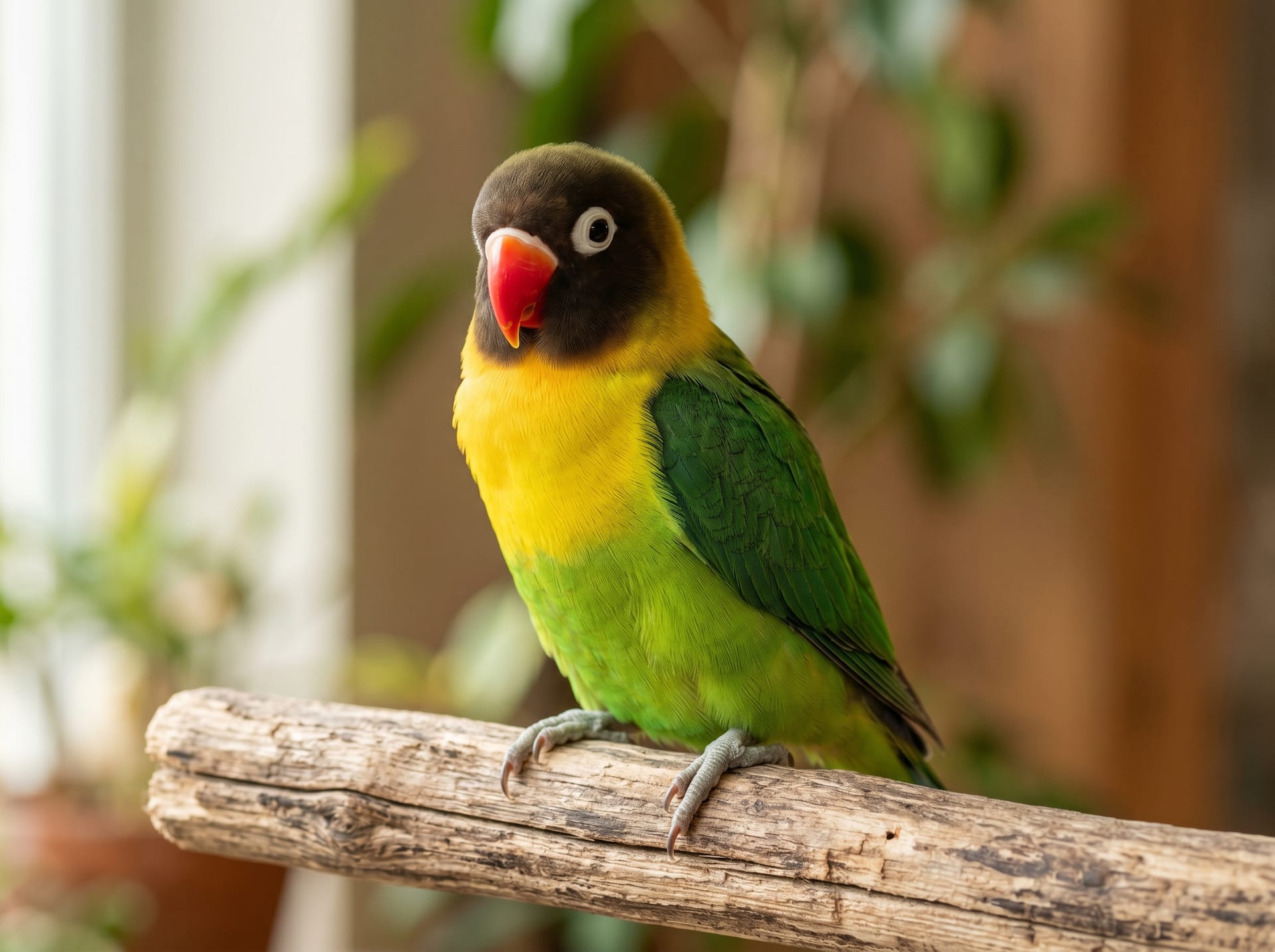
A guide to breeding parakeets and Java sparrows. Learn about nest box installation, pairing, egg laying, incubation, and chick rearing—essential tips and precautions for safe breeding.
Key Takeaways
A guide to breeding parakeets and Java sparrows. Learn about nest box installation, pairing, egg laying, incubation, and chick rearing—essential tips and precautions for safe breeding.
Related Species
The sight of parakeet and Java sparrow chicks chirping in their nest box while parent birds work tirelessly to care for them brings a special joy to bird keeping. However, bird breeding is not a matter of simply "letting nature take its course." Success requires proper environmental setup, health management, and securing placement for chicks—considerable preparation and responsibility fall on the keeper. This guide provides detailed guidance from basics to advanced techniques, focusing on budgerigars and Java sparrows, so even those attempting breeding for the first time can put these methods into practice.
Bird Species Suited to Breeding and Difficulty Levels
First, let's understand the breeding difficulty of popular pet bird species. Different types require varying environmental conditions and levels of care.
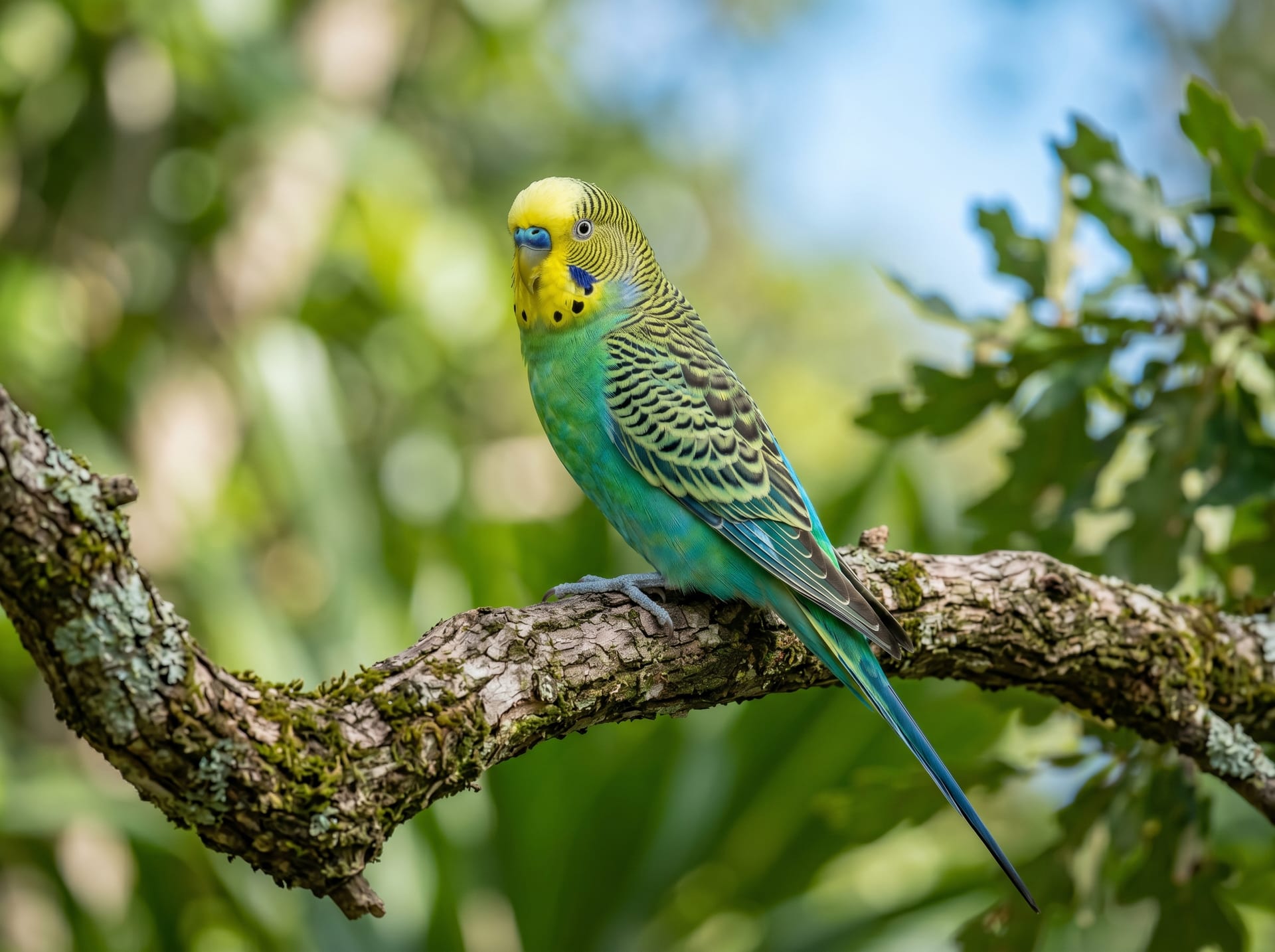
Budgerigars (Difficulty: ★☆☆☆☆): The easiest bird species to breed. They often lay eggs simply with a nest box provided and are very beginner-friendly.
Java Sparrows (Difficulty: ★★☆☆☆): Breed naturally if the pair has a good bond. Hand-raised chicks are easy to produce, making them popular breeding subjects.
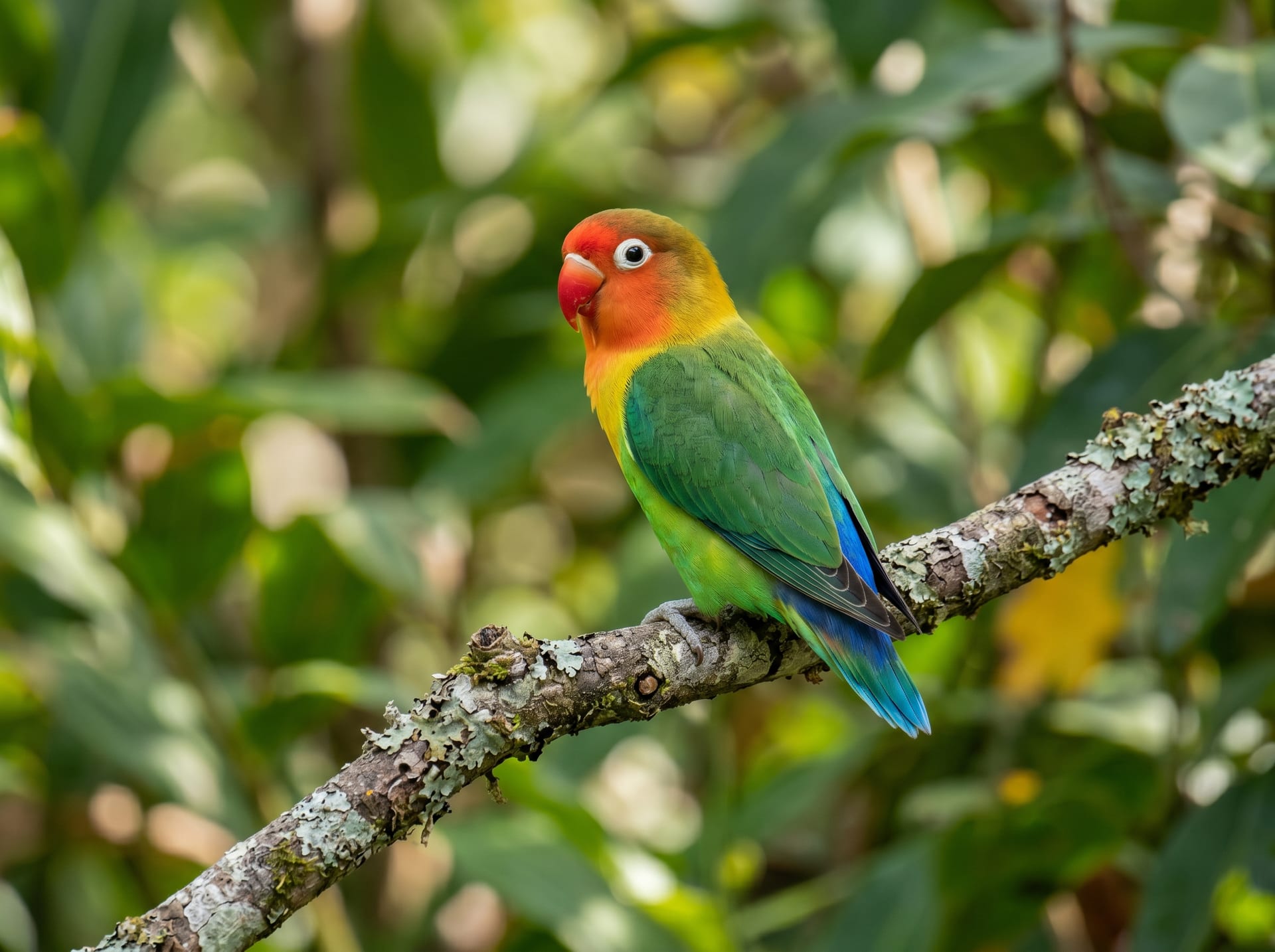
Lovebirds (Difficulty: ★★☆☆☆): Form strong pair bonds and cooperate in raising chicks. They have a unique habit of carrying nesting material tucked into their feathers.
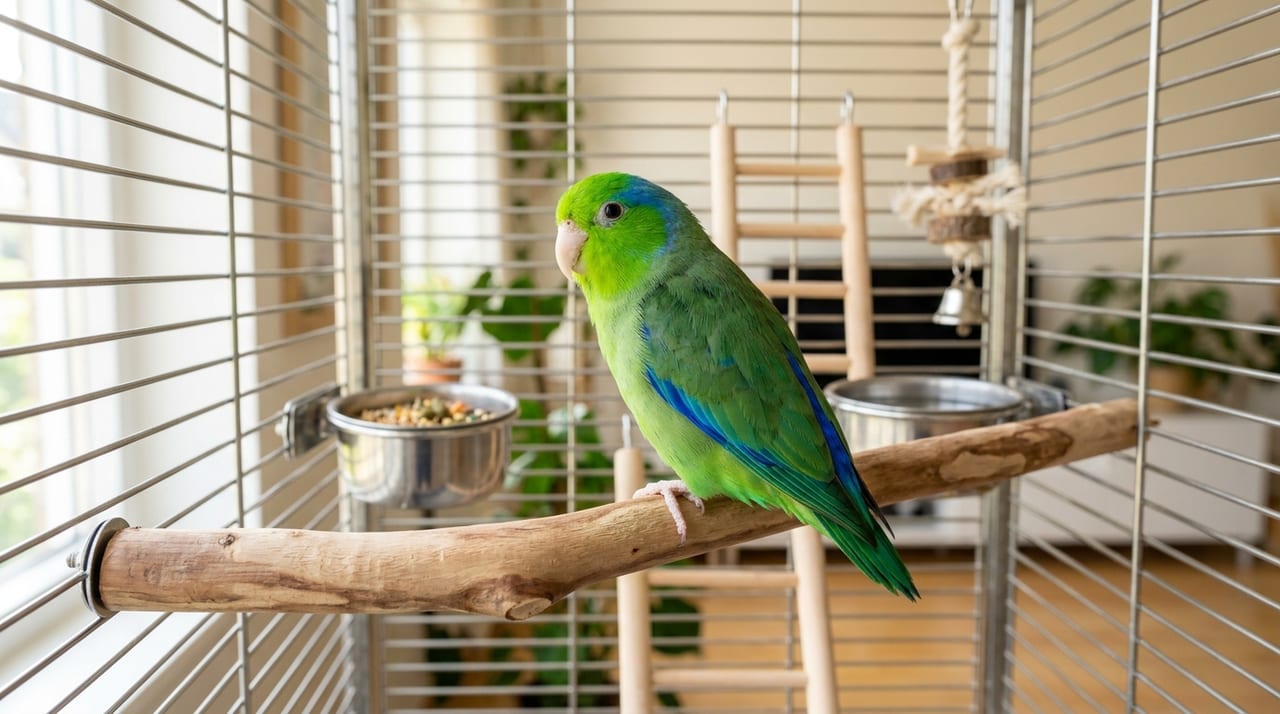
Button Parakeets (Difficulty: ★★☆☆☆): Breed readily with proper conditions, though they can be somewhat nervous.
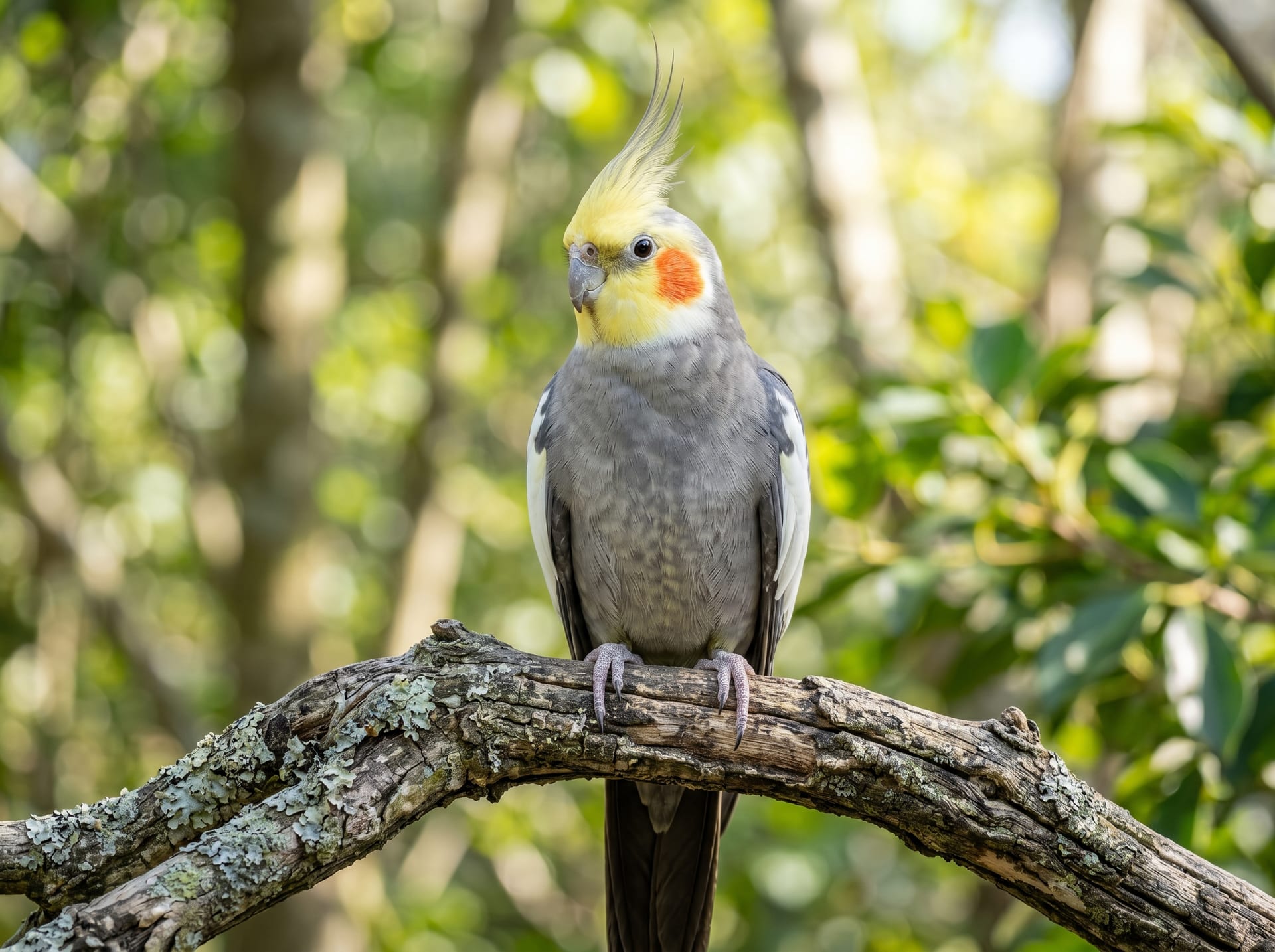
Cockatiels (Difficulty: ★★★☆☆): While breeding is possible, they are sensitive to stress and vulnerable to environmental changes. A quiet, calm environment is essential.
Breeding Preparation: Pairing and Environmental Setup
Selecting Compatible Pairs
Breeding success largely depends on pair quality and compatibility. Confirm the following:
Age: Budgerigars should be at least 1 year old; Java Sparrows at least 8 months. Young birds face greater physical strain and often produce infertile eggs.
✍️
BreederDirect Editorial
The BreederDirect editorial team specializes in care information for animals, covering veterinary care and breeding to deliver beginner-friendly guides.
Find Birds on BreederDirect
Buy directly from verified breeders
Browse Related Listings
Find Birds listings related to this article on BreederDirect. Buy directly from verified breeders.
Health: Select birds with vibrant plumage, clear eyes, and active behavior. Check droppings and body weight beforehand.
Compatibility signs: Look for mutual affection (cuddling), regurgitation feeding (courtship feeding), and mutual grooming. These behaviors indicate a strong bond.
Forcing incompatible pairs to cohabitate can result in fierce fighting and stress-related health problems. Allow sufficient observation time before pairing.
Installing Nest Boxes and Preparing Nesting Material
The basic principle is to install the nest box at a high position inside the cage. Birds have a natural instinct to nest in elevated locations; too low a position makes it difficult for them to settle and lay eggs.
For Budgerigars: A wooden nest box approximately 15×15×25 cm (interior dimensions) is suitable. No nesting material is needed; the female will create the nest depression by naturally wearing the bottom.
For Java Sparrows: Provide either round or box-style nest boxes with finely shredded palm fiber or tissue as nesting material.
Cleanliness: Clean the inside of the nest box before egg-laying to prevent bacterial growth. However, avoid disturbing the nest while incubation is in progress.
Nutrition During Breeding Season
During breeding season, females have significantly increased calcium demands. Supply the following in addition to their regular diet.
Cuttlebone or oyster shell powder: The foundation of calcium supplementation. Keep it available at all times in the cage.
Egg food: Supplements protein and fat. Particularly effective around the time of egg-laying and during chick rearing.
Leafy greens (bok choy, Chinese broccoli, etc.): Provide vitamin supplementation. Avoid spinach due to high oxalic acid content; use only sparingly.
Light exposure: Maintain 12–14 hours of daylight to stimulate breeding instinct.
Egg-Laying and Incubation Management
Once the pair is ready and conditions are appropriate, the female will begin laying eggs.
Egg-laying interval: The female lays one egg every 1–2 days.
Incubation period: Approximately 18 days for budgerigars; about 17 days for Java Sparrows. Both parents typically share incubation duties.
Confirming Fertile Eggs (Candling)
After 5–7 days from laying, you can candle eggs using a penlight or dedicated candling lamp. Fertile eggs show blood vessels spreading inside; infertile eggs remain transparent. As a rule, do not remove infertile eggs; leave them until incubation is complete (this helps parents feel secure and continue incubating).
Raising Chicks: Parent Rearing and Hand-Feeding
Allowing Parents to Raise Chicks
If both parents are healthy and have a good bond, allowing them to raise chicks is the most natural approach. Parents handle feeding, warmth, and waste removal. However, if you want hand-raised, tame chicks, you'll need to remove them at the appropriate time.
Budgerigars: Begin hand-feeding around 2–3 weeks old, when eyes open and pin feathers fill in.
Java Sparrows: Generally removed for hand-rearing at 10–14 days old.
Hand-Feeding Procedure
Formula Preparation: Mix powdered hand-feeding formula with warm water (40–42°C/104–108°F). Always use freshly prepared formula, as cooled formula easily develops bacterial growth.
Feeding Tools: Use a spoon or syringe (needle-less). Syringes allow better portion control and are more hygienic.
Feeding Intervals: Feed every 4–5 hours for chicks 2–3 weeks old. Gradually reduce to 3 times daily, then 2 times as they grow.
Temperature Control: Keep the chick's container at 30–32°C (86–90°F) using a heater or heat pad. Chicks cannot regulate body temperature; hypothermia is life-threatening.
Weaning to Independence: Starting around 5–6 weeks old, place millet sprays and small seeds to encourage self-feeding. Gradually reduce hand-feeding while increasing access to whole grains, only fully weaning once the chick actively self-feeds.
Important Precautions During Breeding
Managing Female Stress and Limiting Breeding Frequency
Egg production is extremely physically demanding for females. Continuous breeding cycles increase the risk of exhaustion, egg-binding, and premature death. Limit breeding to no more than 2 clutches per year. Remove the nest box after breeding concludes and provide a rest period.
Dealing with Egg-Binding
Egg-binding—when a female cannot lay an egg due to calcium deficiency or insufficient exercise—is a life-threatening emergency. Seek immediate veterinary care if you notice abdominal swelling, huddling on the floor, or difficulty defecating. Prevention is key: always provide cuttlebone and adequate flying space.
Avoiding Inbreeding
Breeding between relatives (parent-offspring, siblings) risks genetic problems. Always pair chicks from the same parents with unrelated individuals.
Legal Requirements for Sale
Selling bred chicks requires registration as an animal dealer under the Animal Protection and Management Law. Private rehoming or foster placement may be exempt from registration, but consult your local municipal office beforehand. As of 2026, regulations on animal dealers continue to strengthen; always check your local government's website for the latest requirements.
BreederDirect's Safety and Reliability
When seeking homes for bred chicks or hunting for healthy breeding pairs, connecting with trusted specialist breeders is essential. On BreederDirect, bird-specialist breeders sell directly, allowing you to confirm lineage, health status, and hand-training history before purchase.
Direct breeder sales eliminate middlemen, enabling fair pricing
Transparent system allowing you to review breeder profiles and transaction history
Ability to message sellers directly about care methods and breeding background before purchase
Breeders gain peace of mind knowing chicks go to trustworthy caretakers
Bird breeding is a responsible act of bringing new life into the world. Approach it with proper knowledge and preparation, ensuring a healthy environment for chicks before they arrive. BreederDirect stands as a partner connecting breeders and bird enthusiasts, dedicated to this mission.