Bird Summer Care Management | Heat Prevention Guide
High temperatures in summer pose a heat stroke risk for birds. This guide explains measures to protect birds from heat, including air conditioning temperature settings, how to avoid direct sunlight, bathing frequency, and summer feeding management.
Key Takeaways
High temperatures in summer pose a heat stroke risk for birds. This guide explains measures to protect birds from heat, including air conditioning temperature settings, how to avoid direct sunlight, bathing frequency, and summer feeding management.
Related Species
Heat Stroke Risk in Birds and Summer Warning Signs
Birds lack sweat glands, making their thermoregulation far inferior to humans and dogs or cats. When placed in a hot environment, birds have almost no means of releasing internal heat, and can quickly develop heat stroke. Bird body temperature is approximately 40–42°C, higher than humans, and their small bodies directly receive ambient temperature changes.
Early warning signs of heat stroke to watch for include open-mouth breathing (panting with mouth wide open) and wings held away from the body in a drooping position. These are SOS signals indicating "I'm at my heat limit." In severe cases, birds may become lethargic and motionless, or experience altered consciousness.
If you notice these symptoms, immediately move the bird to a cool location and gently mist its body with a spray bottle to lower body temperature. However, avoid rapid cooling methods such as pouring ice water on the bird, as this can be counterproductive. If symptoms do not improve or the bird appears lethargic, contact a veterinary clinic experienced with birds without hesitation. In summer especially, it's important to confirm your preferred clinic in advance.
Heat Stroke Signs and Heat Prevention Quick Reference
Heat Stroke Sign
Heat Prevention Measure
Open-mouth breathing (panting)
Keep room temperature at 25–28°C with air conditioning
Wings held away from body
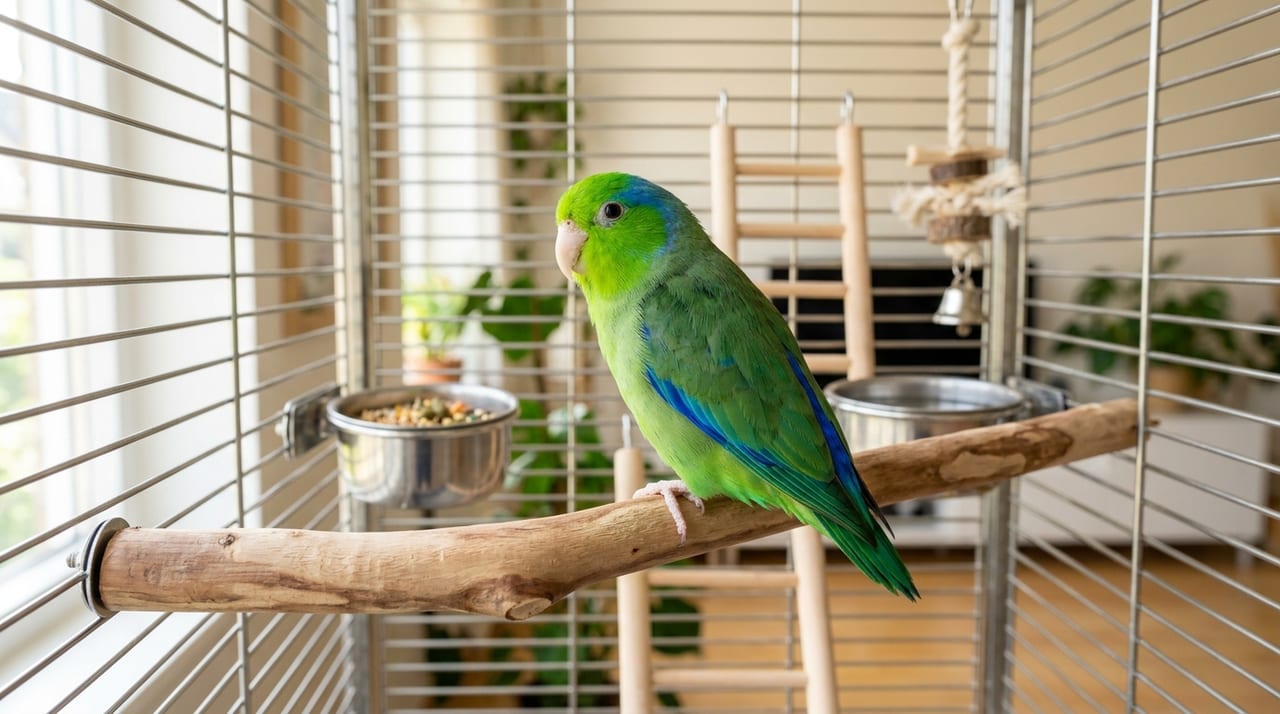
Avoid windowsills; keep cage in well-ventilated center of room
Lethargic, immobile
Provide daily bathing; change drinking water 2–3 times per day
✍️
BreederDirect Editorial
The BreederDirect editorial team specializes in care information for animals, covering veterinary care and breeding to deliver beginner-friendly guides.
Find Birds on BreederDirect
Buy directly from verified breeders
Browse Related Listings
Find Birds listings related to this article on BreederDirect. Buy directly from verified breeders.
Brief early morning sunbathing; seek immediate veterinary care
If air conditioning is unavailable, you can manage with ventilation, bathing, and frozen water bottles (without direct contact), but these have limits. On extremely hot days, securing air conditioning should be your top priority.
Basics of Temperature Control with Air Conditioning
The most important aspect of indoor summer care is temperature control using air conditioning. The ideal room temperature is 25–28°C. While this may feel slightly cool for humans, temperatures above 30°C place stress on birds, so frequent temperature monitoring is necessary.
However, there are important considerations when using air conditioning. If cold air from the unit blows directly on the cage, the bird's body can become over-chilled or stressed by sudden temperature changes. Position the cage where air conditioning airflow is minimal, and aim to maintain uniform room temperature throughout.
Turning off air conditioning when leaving is dangerous. Even when leaving the bird alone, it's best to keep air conditioning running constantly rather than relying on a timer. Turning on air conditioning just before returning home may be too late—room temperature may have risen critically during your absence.
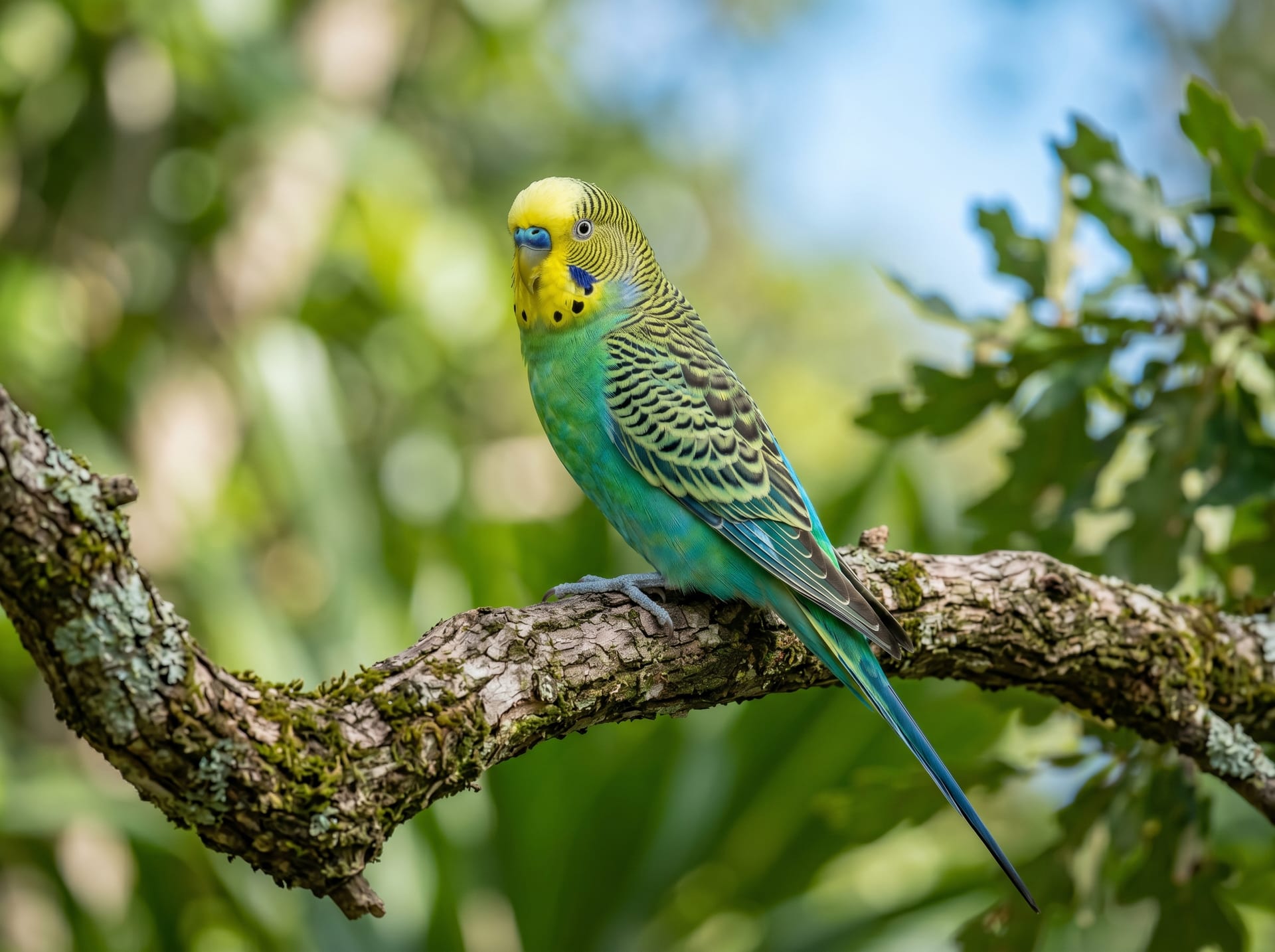
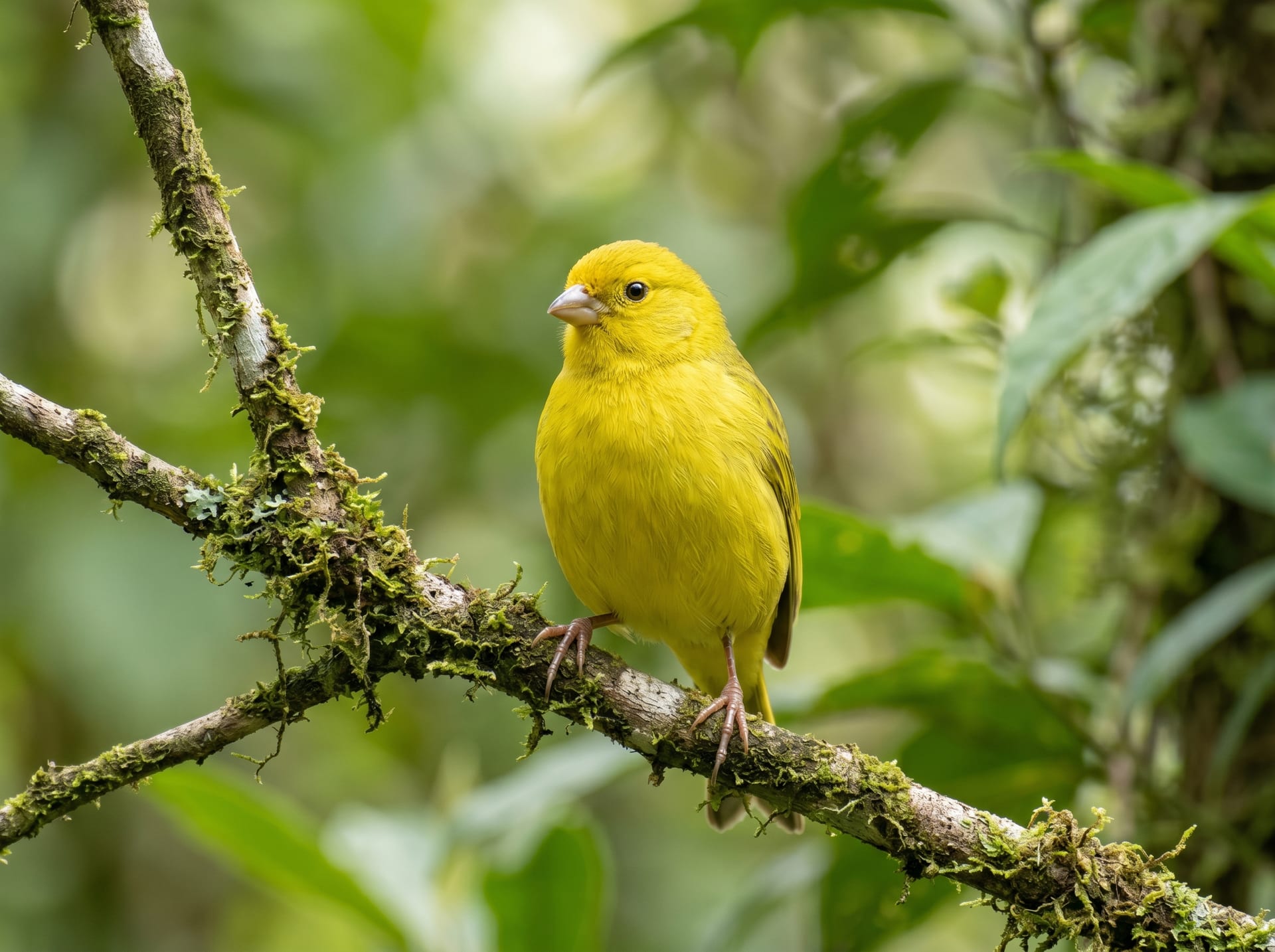
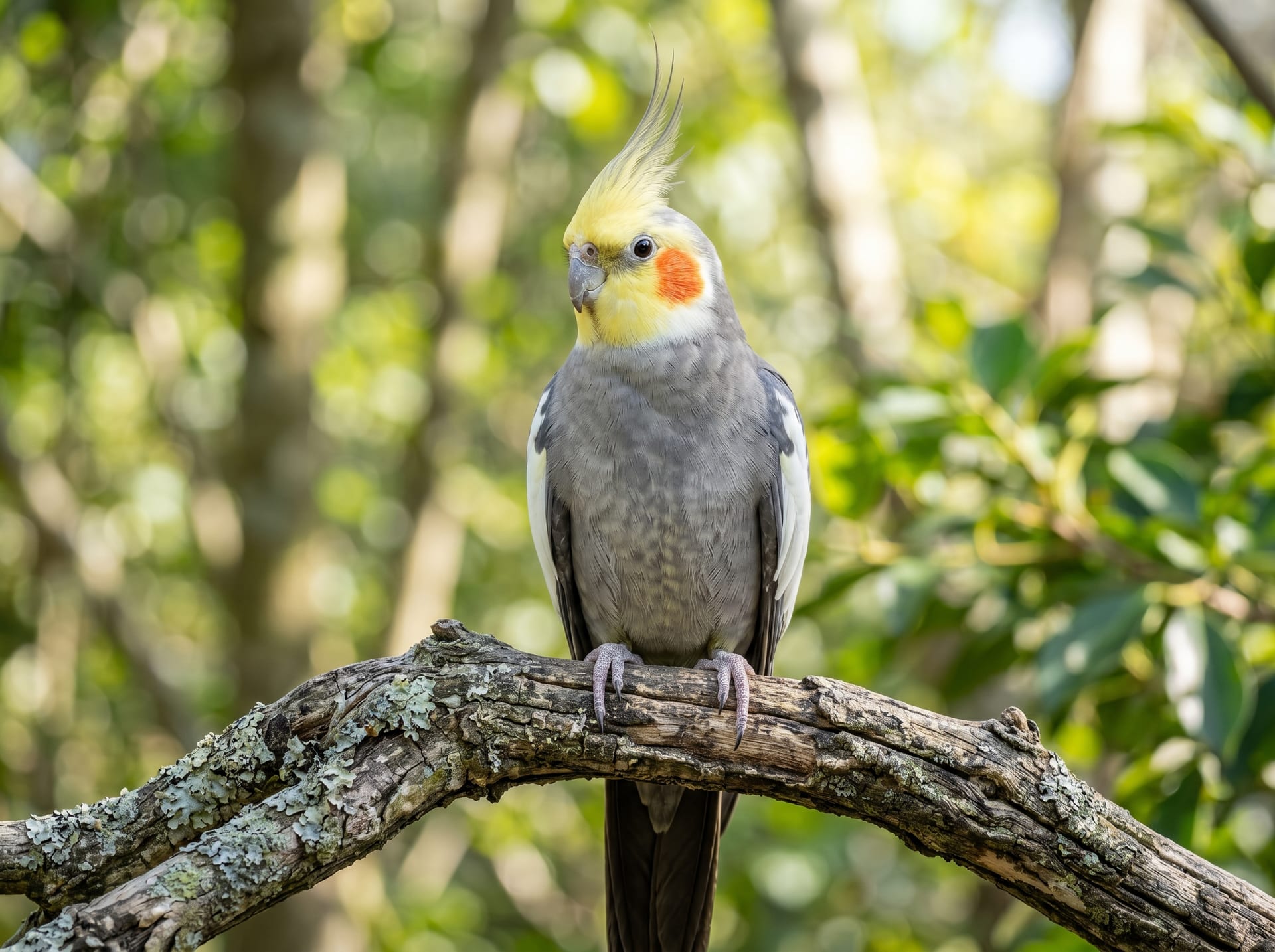
Be aware of heat tolerance differences among species. Australian native species such as budgerigars and cockatoos have relatively good heat tolerance, but even they are at risk above 30°C. Small species like Java sparrows and canaries tend to be heat-sensitive, so maintain a slightly cooler environment for them.
Cage Placement and Direct Sunlight Prevention
Cage placement in summer requires careful consideration among indoor options. Windowsills are among the worst locations. Where summer direct sunlight enters, temperatures can spike rapidly in just minutes, with cage interiors easily exceeding 40°C. Curtains alone may not provide sufficient shading, so the ideal approach is to move the cage away from windows entirely.
Sunbathing is necessary for bird health (particularly for vitamin D3 synthesis), but in summer limit it to brief early morning sessions and always provide a shaded escape area. Never take your eyes off the bird during sunbathing, and return it indoors immediately if it shows signs of overheating.
Temperature varies significantly depending on where you place the cage indoors. Avoid locations near the kitchen where cooking heat and smoke (especially fluorine gas from non-stick pans, which is extremely toxic to birds) may reach. Be cautious around heat-generating appliances like televisions, computers, and routers, as these can create local temperature hotspots. The ideal location is the center of a well-ventilated room, away from windows.
Temperature Control Through Bathing and Hydration
For birds, bathing is not just about hygiene—it's also a crucial method for lowering body temperature. Make it a habit to provide daily bathing opportunities during summer. When feathers become wet during bathing, the evaporation of that moisture draws heat away from the body.
Bathing preferences vary by individual bird. Some prefer entering shallow containers (such as bird baths) filled with water, others enjoy a light mist from a spray bottle, while some like flowing water from a faucet. Experiment to find the method your bird prefers. Room-temperature water is appropriate; avoid cold water.
After bathing, be careful not to let the bird's body cool excessively. Create an environment where feathers can dry naturally, away from direct air conditioning airflow. If using a hair dryer, keep it on low heat, maintain distance, and use it only briefly to avoid applying too much heat.
Drinking water management is also critical. In summer, water spoils quickly, so change it 2–3 times daily to always provide fresh water. Be sure to thoroughly clean the water dish each time. You can also support hydration through diet by offering water-rich vegetables (such as komatsuna and bok choy) and fruits in appropriate amounts.
Summer Feeding Management and Hygiene Care
In the hot, humid summer, food and ingredients spoil much faster. Remove fresh foods such as fruits, vegetables, and egg foods from the cage within 2–3 hours. Eating spoiled food risks food poisoning and digestive upset.
Dried foods such as pellets and seeds can develop mold in hot, humid conditions. After opening, transfer to airtight containers and store in a cool place away from direct sunlight and humidity. It's safer to buy smaller quantities and divide them into portions rather than buying large amounts, which better preserves freshness.
Cage hygiene requires special attention during summer. At high temperatures, bacteria multiply rapidly from droppings and food debris, increasing infection risk. Change cage substrate (newspaper or paper) daily, and wash water and food dishes with dish soap, then dry thoroughly. Disassemble and clean the entire cage once weekly, and maintain cleanliness of perches, branches, and toys—these practices directly support your bird's health.
BreederDirect is a platform that directly connects bird breeders with prospective owners. By bypassing pet shops and sourcing directly from breeders, you can thoroughly verify essential details before bringing home a bird, such as its birth environment, health status, and information about its parents.
Breeders are professionals who care for birds daily and understand them intimately. A unique strength of BreederDirect is the relationship it builds with breeders, allowing you to receive concrete advice even after purchase—such as summer heat protection, seasonal management, and species- or individual-specific precautions.
Even first-time bird owners can prepare confidently through communication with breeders. Bringing home a healthy bird from a responsible environment is the first step toward a long life together. Explore BreederDirect to find the perfect feathered companion for you.