Bird Winter Care & Cold Weather Management Guide
Sudden temperature drops in winter can lead to health problems in birds. This guide explains how to choose and position pet heaters, use insulating covers effectively, and balance ventilation with humidity management during winter.
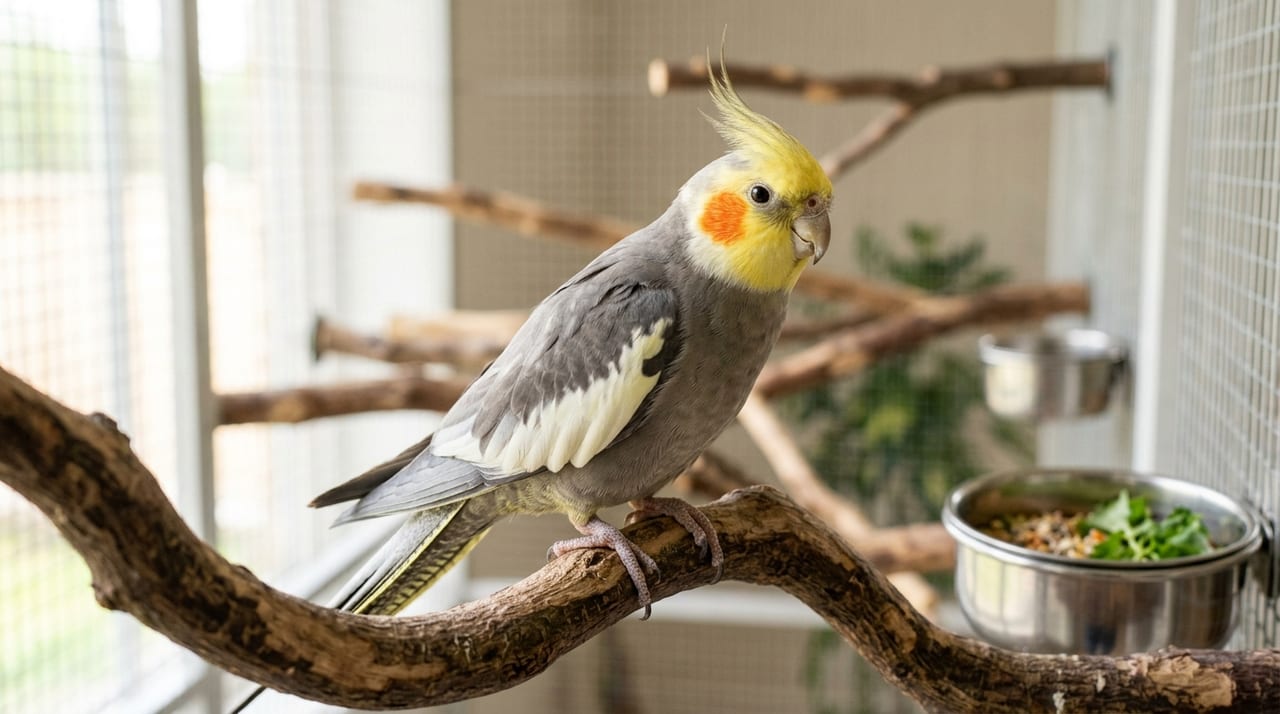
Key Takeaways
Sudden temperature drops in winter can lead to health problems in birds. This guide explains how to choose and position pet heaters, use insulating covers effectively, and balance ventilation with humidity management during winter.
Related Species
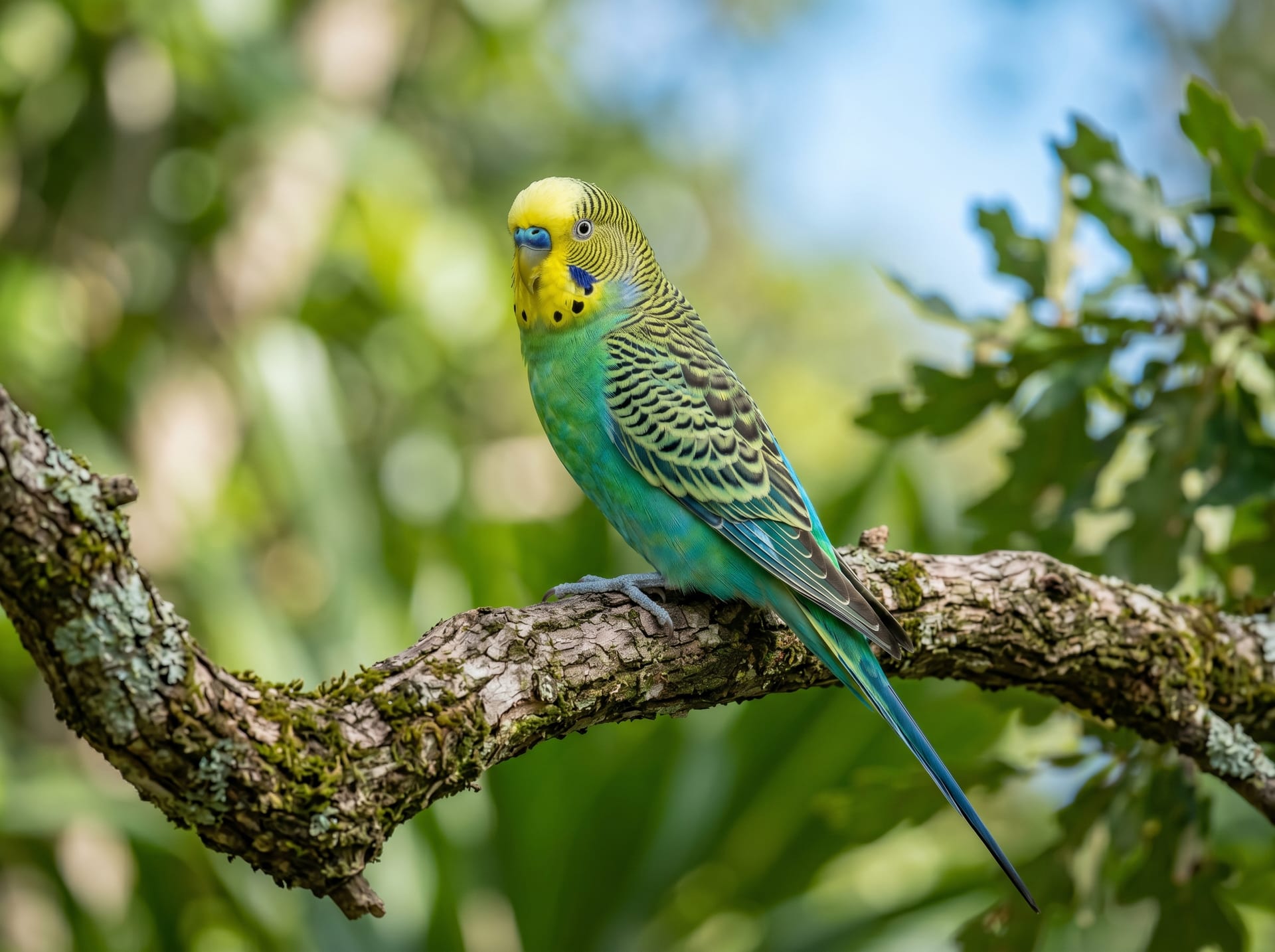
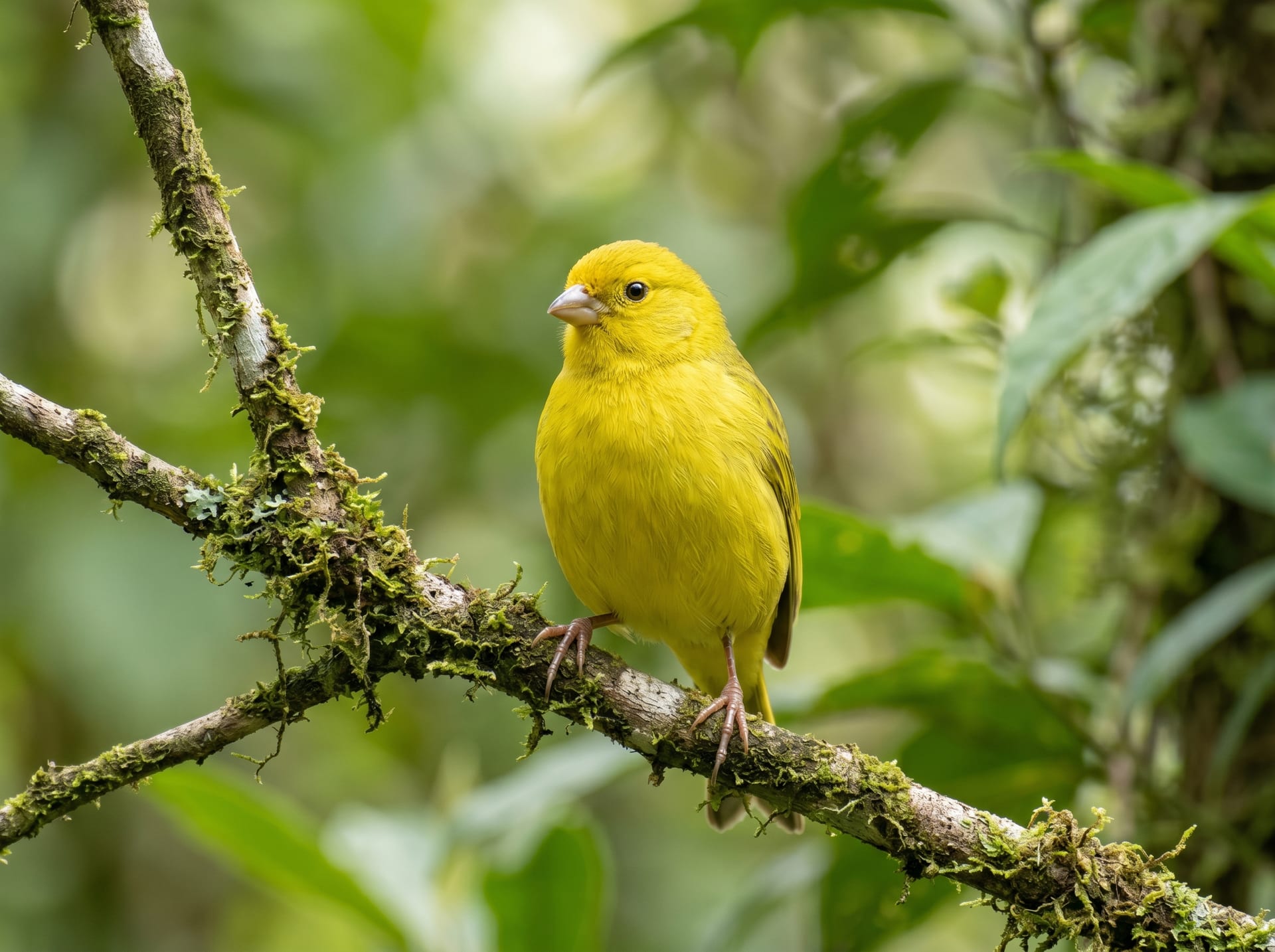
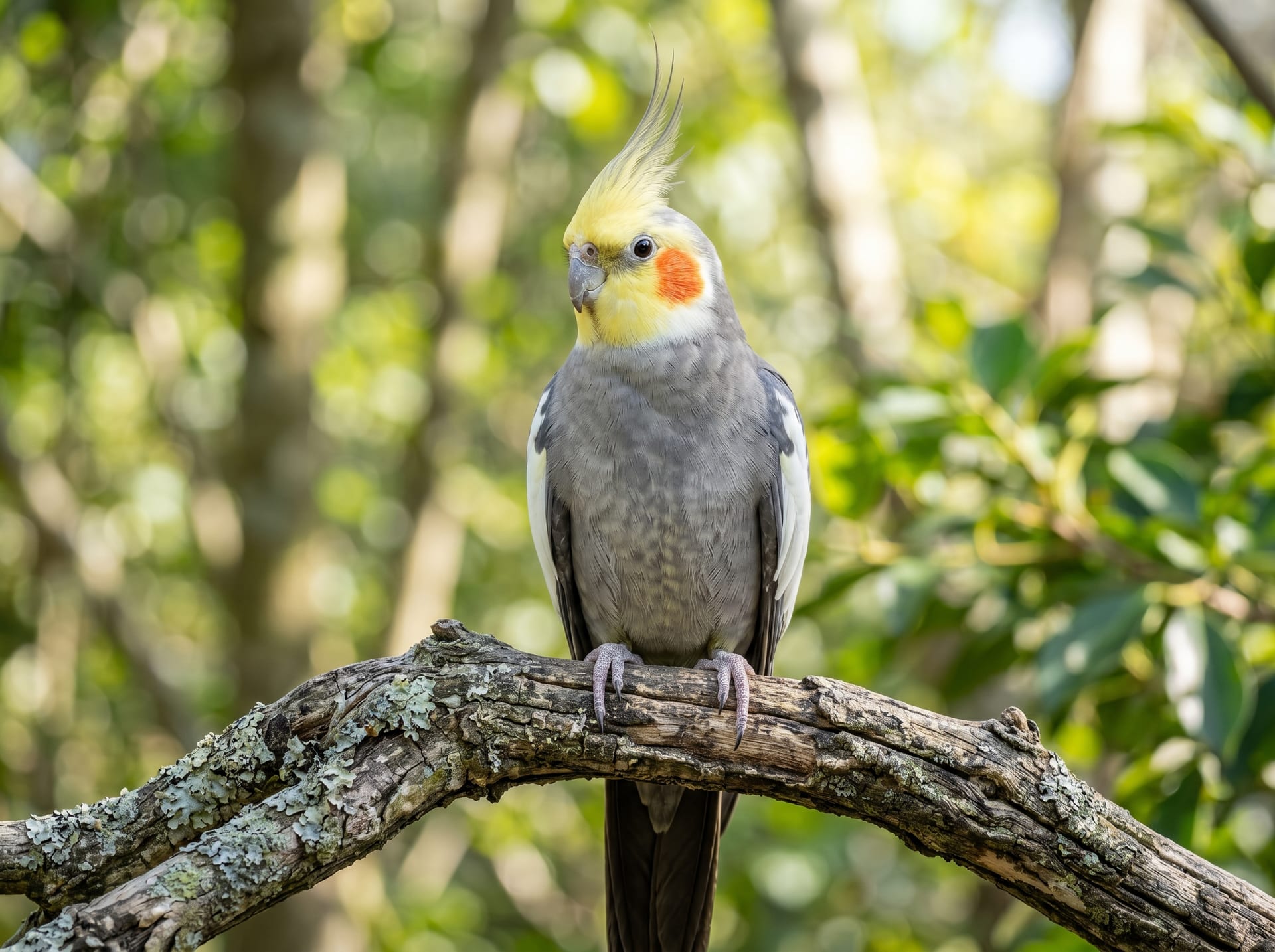
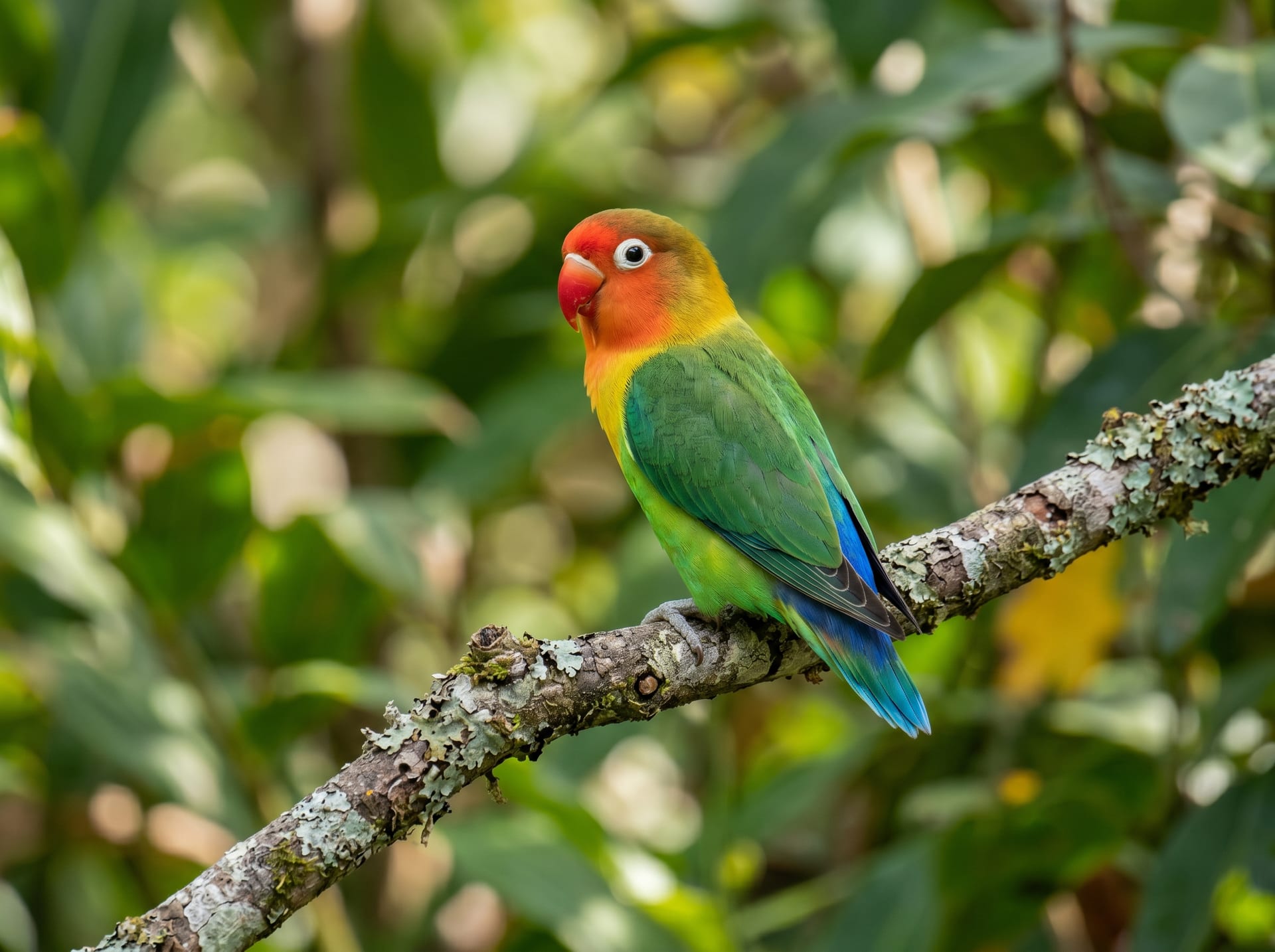
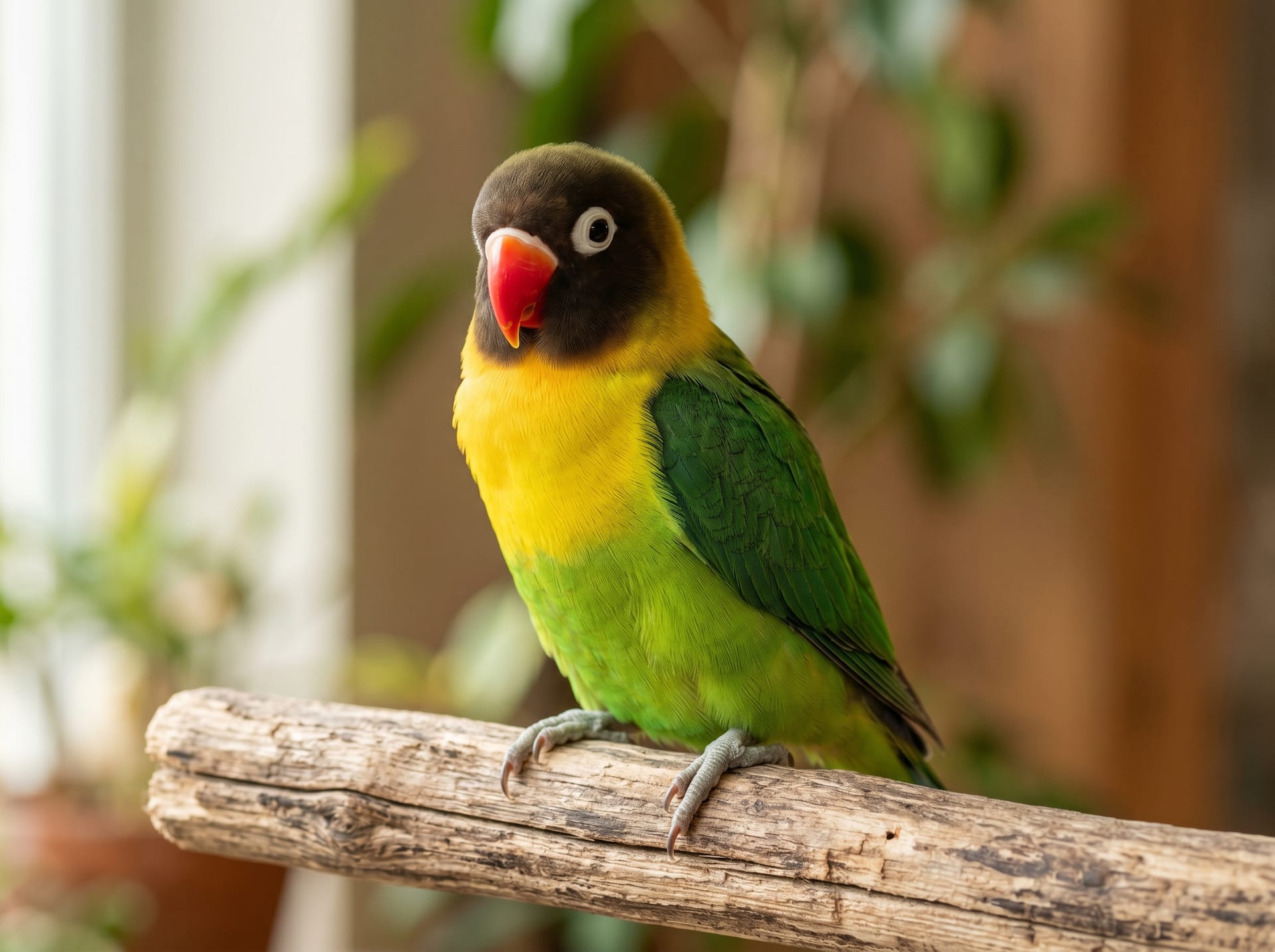
As winter approaches, many pet bird owners worry about their birds' health. Birds generally have higher body temperatures than mammals (averaging 40-42°C) and active metabolism, so they can tolerate some cold. However, sudden temperature fluctuations, prolonged cold environments, and drafts can weaken their immune systems and lead to respiratory diseases and crop inflammation.
Small birds from tropical and subtropical regions, such as budgerigars (parakeets), cockatiels, and Java sparrows, have low cold tolerance, making winter management crucial for their health. This article provides detailed practical strategies for winter bird care, from heater selection to food and ventilation management.
Types of Pet Heaters and How to Choose Correctly
Specialized pet heaters are essential for winter warmth. There are many heater types available, and it's important to choose one that matches your bird's size and cage structure.
Panel Heaters
These heaters are installed on the outside of the cage (on the sides or back). They warm gently through radiant heat, making direct contact unlikely and offering high safety. While they don't warm the entire cage uniformly, they effectively block cold air from coming through cold walls.
Perch Heaters
These are perch-shaped items with built-in heaters that warm birds directly through their feet when they perch. Popular especially with small birds, they provide gentle, comfortable warmth. Since they have limited effect on room temperature alone, combining them with other heaters is recommended.
Heat Lamps (Multi-Panel Heaters)
These are installed inside the cage to warm the entire enclosure. While highly effective at retaining heat, they risk causing thermal burns if birds touch them directly. Always use wire guards or protective covers and position them where birds cannot reach them.
Basic Placement Rules: Install heaters on only one side of the cage and always maintain a cool zone where birds can retreat when warm. Never heat the entire cage uniformly.
Appropriate Temperature and How to Use Insulating Covers
Ideal Temperature Range for Pet Birds
The ideal temperature for most pet birds is 20-25°C (68-77°F). While this varies slightly by species, use the following as a guide.
- Budgerigars and Cockatiels: 20-25°C (maintain at least 18°C minimum)
- Java Sparrows: 20-25°C (somewhat sensitive to cold)
- Lovebirds and Button Parakeets: 22-28°C (prefer warmer environments)
- Canaries: 18-22°C (can tolerate relatively cooler temperatures)
Place a thermometer near the cage to always monitor room temperature. Using a smart temperature and humidity meter allows 24-hour monitoring via smartphone and enables quick response to sudden temperature drops while away (As of 2026, affordable options are increasingly available).
Using Insulating Covers at Night
At night, temperatures drop significantly, so cover the cage with insulating covers or thick blankets to block cold air. However, do not seal the cage completely—this is crucial. If carbon dioxide accumulates, it harms bird health, so always leave air passages open at the top or sides.
Covering the cage also blocks indoor light, providing the added benefit of helping birds get proper sleep.
Balancing Ventilation and Humidity Management
Winter presents a challenge in balancing "heating" and "ventilation"—a common concern for many bird owners.
Daily Ventilation is Essential
Even when heating keeps rooms sealed in winter, ventilation is non-negotiable. Stagnant air promotes pathogenic bacteria and mold growth, negatively affecting bird respiration.
When ventilating, ensure cold air doesn't blow directly on the bird's cage. When opening windows, temporarily move the cage to a warmer room or position it away from the window. Ventilate for about 5-10 minutes per session, 2-3 times daily, for peace of mind.
Aim for 40-60% Humidity
Heating dries out indoor air, damaging bird mucous membranes and feathers. Humidity is especially important for feather health; excessive dryness can increase feather grooming and cause skin problems.
- Install a humidity meter for constant monitoring
- Place a humidifier near the cage (but not where it directly sprays the bird)
- On dry days, lightly misting with a spray bottle is also effective
Maintain humidity around 40-60%. Above 60%, mold becomes more likely, so avoid over-humidifying.
Winter Diet Management and Health Checks
Reviewing Calorie and Nutritional Balance
Winter increases energy consumption for maintaining body temperature. Regularly check whether appetite is declining or weight is dropping.
- Increase high-energy seeds (millet, canary seed, grain) and pellets appropriately
- Supplement calcium with cuttlebone or mineral grit to maintain bone and beak health
- Continue vitamin supplementation with vegetables and fruits (leafy greens, broccoli, apples, etc.)
- Bring food straight from the refrigerator to room temperature before serving
Water Management
Replace water with fresh water daily. In winter, water temperature tends to be low, and birds may drink less. Provide room-temperature water (around 15-20°C) rather than extremely cold water.
Daily Health Check Points
Winter is when health changes appear most readily. Check the following during daily care.
- Whether the bird is fluffing feathers and staying still (signs of illness)
- Droppings condition (not too watery, no extreme color changes)
- Changes in appetite and water intake
- Sudden weight loss (ideally weigh weekly to the gram)
If you notice any abnormalities, consult an avian veterinarian as soon as possible.
Summary | Protect Your Pet Bird's Health Through Winter Management
Key to winter bird care is maintaining balance among three factors: "heating," "ventilation," and "nutrition." Use heaters to maintain proper temperature while managing air circulation and humidity, and support your bird's health from within through nutritious food.
Winter especially shortens daylight hours, which can reduce bird activity. Moving the cage to a brightly lit area during the day and actively engaging with your bird helps maintain mental health. If you're considering breeding, also see Bird Breeding Methods and Important Considerations.
If you're looking to welcome and raise a healthy bird, please use Br. Choku. Br. Choku features many trusted breeders who are particular about breeding environments, and you can consult directly with them before purchase about winter care methods and husbandry practices. We serve as a safe and reliable marketplace for live animal purchases, dedicated to supporting each individual bird owner.