Saying Goodbye to Your Beloved Pet Bird | End-of-Life Care and Grief Support Complete Guide
A guide to end-of-life care for pet birds, how to be present at their passing, and grief support. Preparation for peacefully saying goodbye to aging or ill birds, and methods for emotional wellbeing after loss.
Key Takeaways
A guide to end-of-life care for pet birds, how to be present at their passing, and grief support. Preparation for peacefully saying goodbye to aging or ill birds, and methods for emotional wellbeing after loss.
Related Species
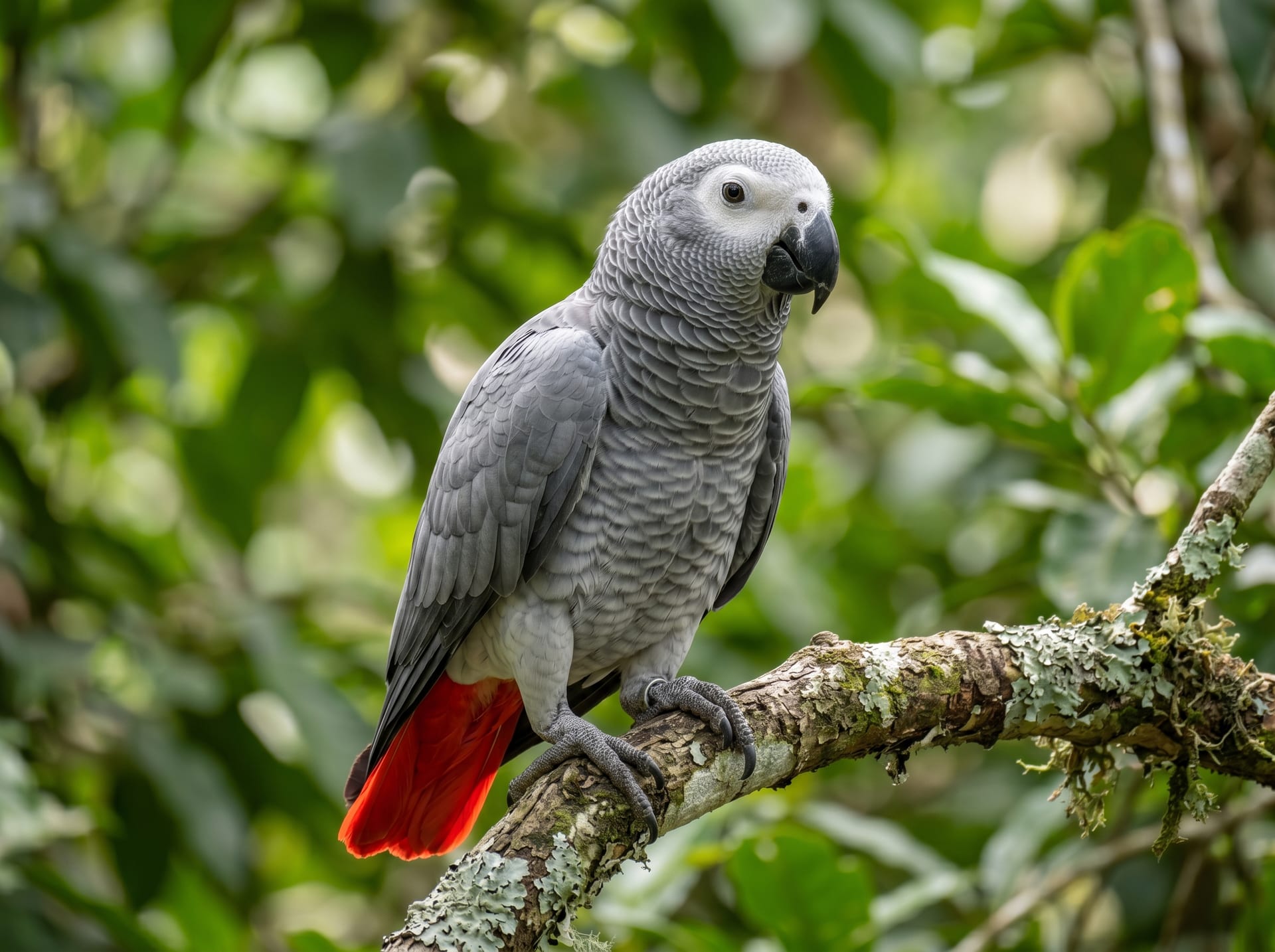
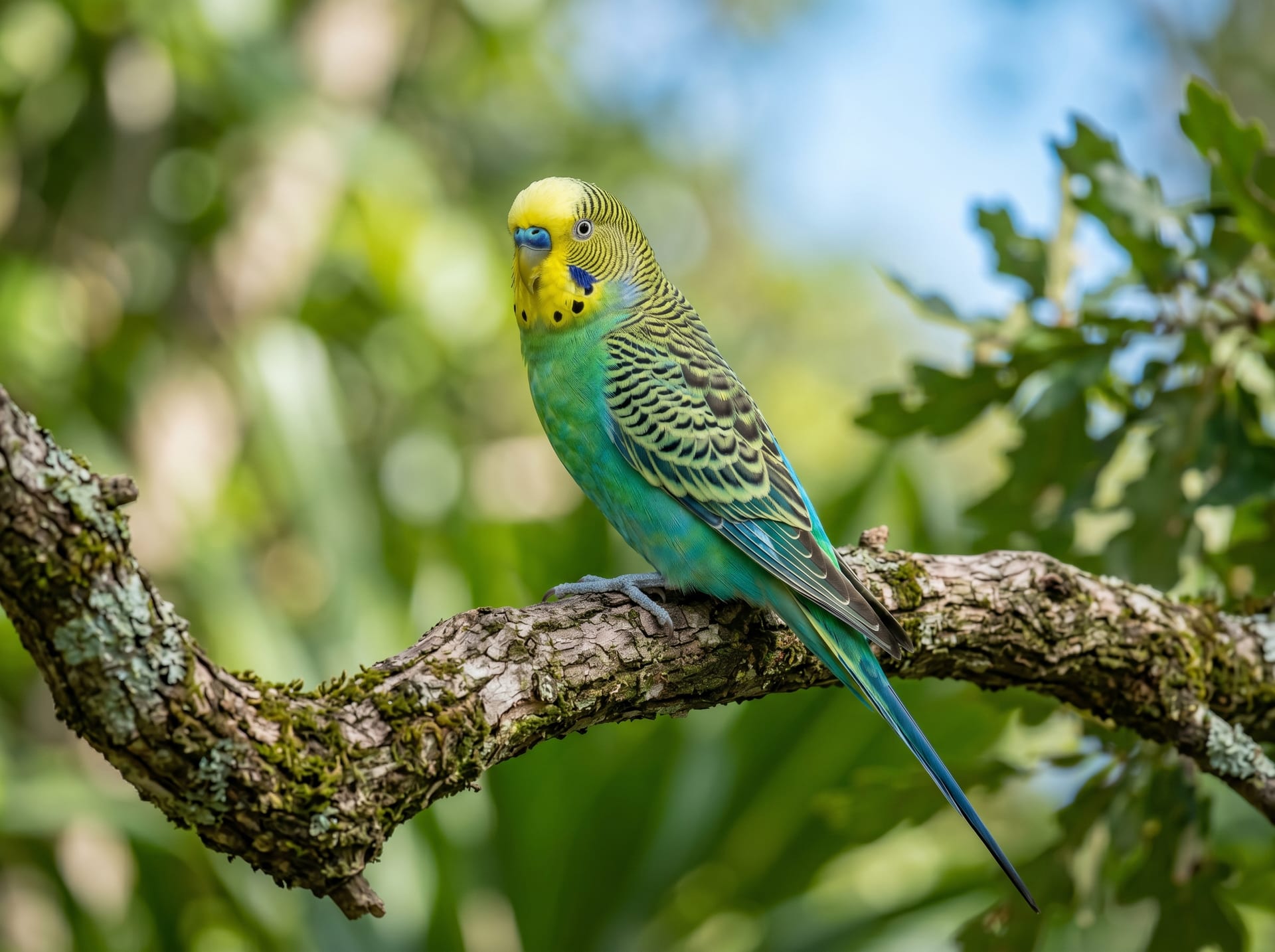
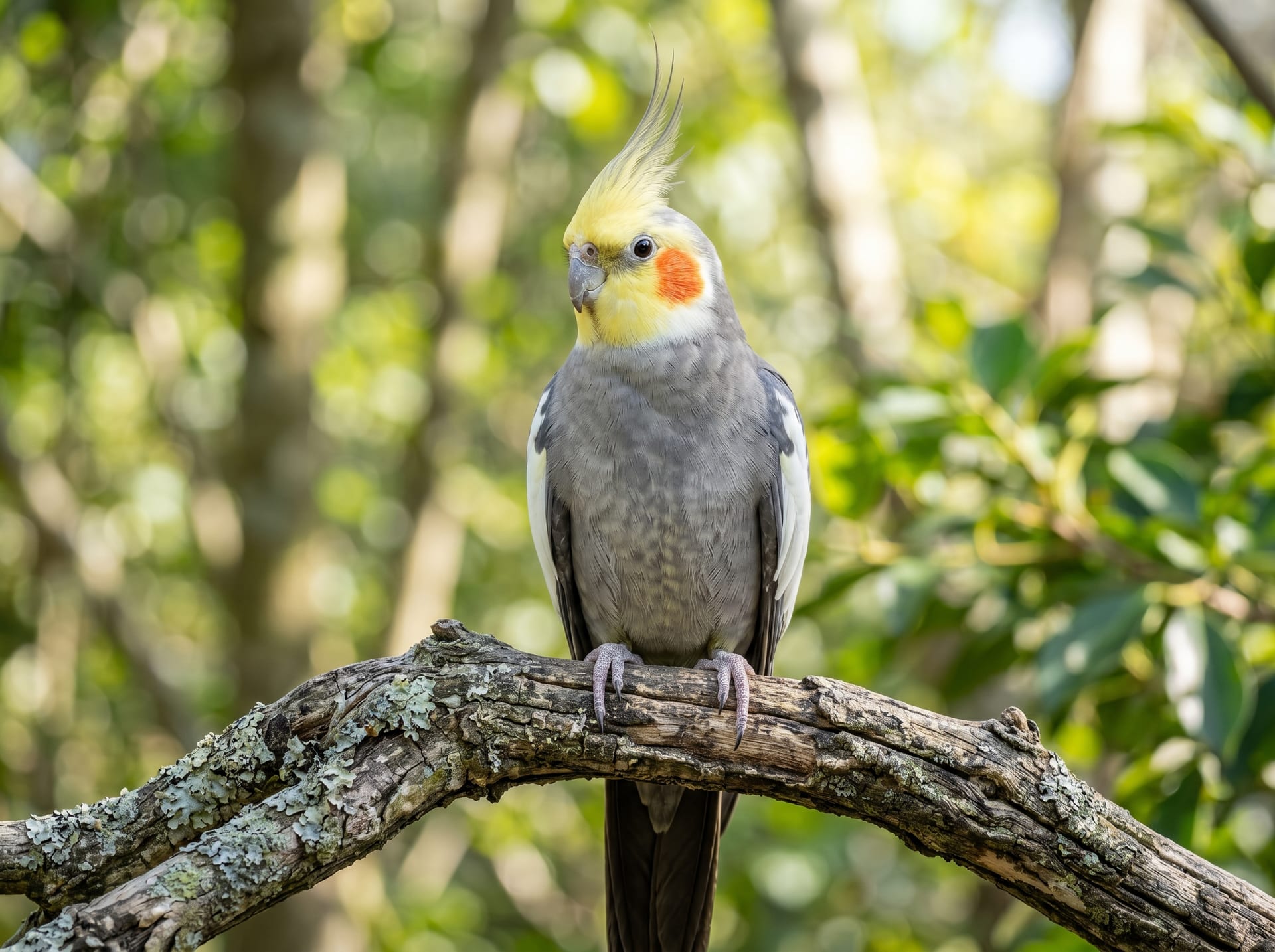
Saying goodbye to your beloved pet bird is an unavoidable reality for any bird owner. The lifespan of birds varies: budgerigars live 7–12 years, cockatiels 15–25 years, and large parrots like macaws can live 40–60 years. To face the separation from a cherished family member you've shared years with, it's important to understand end-of-life care, how to be present at their passing, and grief support.
Don't Miss the Signs of the End-of-Life Period
Aging birds or those with serious illness show signs as they approach the end. By recognizing these signs early, you can prepare to make the remaining time as comfortable as possible.
Sustained weight loss is one of the most important signs. If your bird's weight decreases by 1–2 grams each day based on daily measurements, it may indicate the body can no longer absorb nutrients. Marked loss of appetite is similarly concerning—even when offered favorite foods, the bird shows no interest, or may place food in its mouth only to spit it out.
Changes in breathing should not be overlooked. Labored breathing with tail feathers moving up and down, open-mouth breathing, and heavy breathing indicate declining heart and lung function. Feather ruffling and fluffing become constant, and the bird spends increasing time with eyes closed. When the bird can no longer perch and begins spending time at the cage floor, it indicates a significant loss of strength.
When these signs appear, consult your avian veterinarian about palliative care to minimize suffering.
Creating a Comfortable Care Environment During the End-of-Life Period
The most important thing for an end-of-life bird is to provide an environment with minimal suffering and maximum comfort and security.
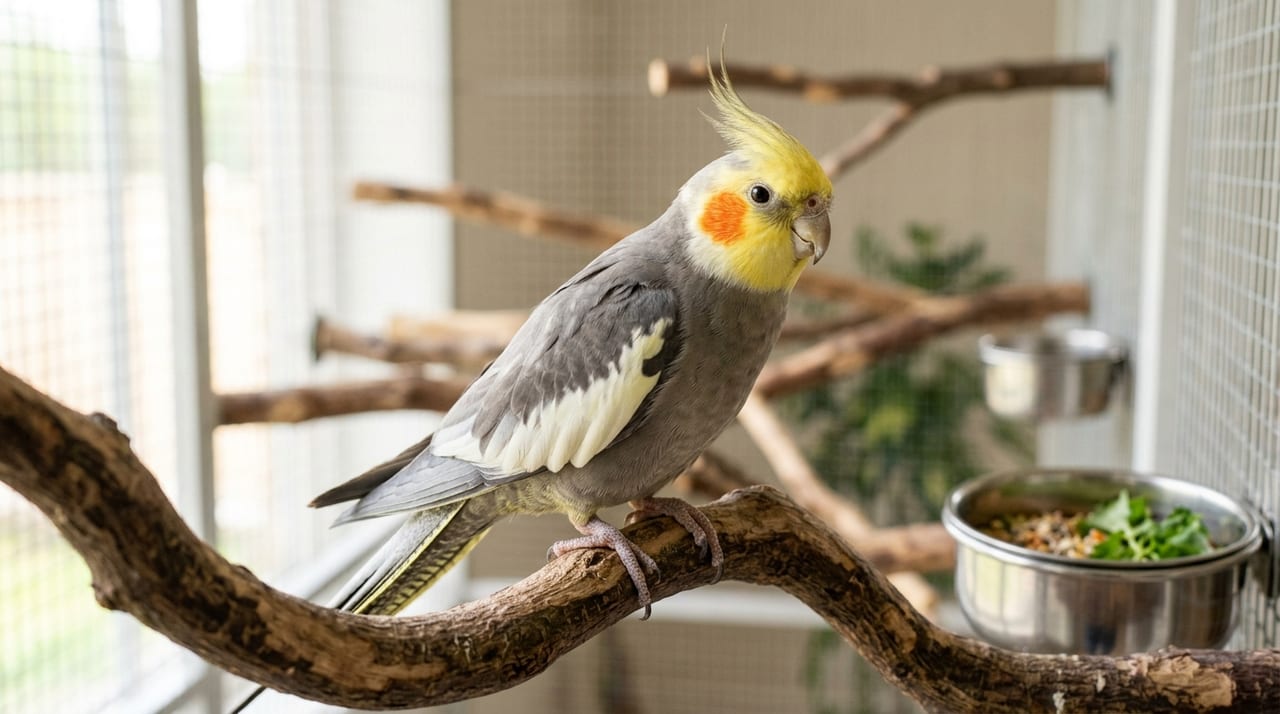
Proper heating is especially important. As strength declines, birds lose the ability to maintain their own body temperature. Rather than heating the entire cage, warm only one side with a panel heater, allowing the bird to adjust its own temperature. The target is generally 28–32°C, but confirm the appropriate range for your individual bird with your avian veterinarian.
Feeding support may also be necessary. If the bird cannot reach the perch, place food and water at the cage floor. Liquid formula or hand-feeding formula can be offered in small amounts by hand to help with nutrition. However, force-feeding causes stress, so observe your bird's condition carefully before doing so.
Maintain a quiet, calm environment. Avoid loud noises, overly bright lights, and high foot traffic. Allow the bird to spend time in its familiar cage and space. When you speak softly and gently offer your hand, the bird gains a sense of security.
Discuss the option of euthanasia with your veterinarian as an expression of care for your bird. When recovery is impossible and suffering continues, choosing humane euthanasia is an honest and compassionate decision as a caregiver. Speak frankly with your avian veterinarian.
The Moment of Saying Goodbye and Immediate Afterward
With natural death, a bird's breathing gradually slows and the bird passes quietly. Cyanosis (bluish discoloration of the skin and mucous membranes), muscle twitching, and complete loss of muscle tone may occur.
Things to confirm immediately after death: If you have multiple birds in the cage, move the other birds to a separate cage. Place the body in a cool location at room temperature and prepare for burial or cremation. It's ideal to begin handling the remains within a few hours.
Options for burial and cremation include using a pet crematorium or animal cremation service, burying in your home garden (check local regulations), or arranging group cremation after a farewell at home. Recently, options for keeping mementos—such as preserved flowers, taxidermy, or cremation urns—have become more common.
Pet Loss Grief Support
Losing a bird brings deep sorrow comparable to the loss of a human relationship. The phrase "it's just a pet" does not apply to someone who has lived many years with their beloved bird. Pet loss is a legitimate form of grief that requires proper care.
Acknowledging your grief process is the first step toward recovery. The stages of grief—denial, anger, bargaining, depression, and acceptance—differ from person to person and don't necessarily progress in order. Crying and feeling sadness are healthy forms of emotional expression.
Preserving memories in tangible form brings healing to many people. Creating a photo album, making a memorial with your bird's name engraved, or framing feathers or footprints are ways to visualize memories and help accept the loss.
Talking with others who share this experience can also help. Pet loss counseling services, online communities, and pet loss support groups on social media allow you to connect with others who have experienced similar grief.
The timing for welcoming a new bird is personal. There is no rule that says "you must not get another bird right away." However, if you welcome a new bird before your grief has healed, you may find yourself comparing the new bird to the one you lost. Consult with yourself about your emotional state and decide in your own time.
The Special Bond with a Bird Welcomed from a Breeder
A bird welcomed directly from a breeder has been hand-raised from chick-hood and develops a strong bond with people. Through years of daily experiences, an irreplaceable relationship is created.
When your beloved bird passes, contacting the breeder is one option to consider. Many conscientious breeders want to know how their birds' lives end. Speaking with a breeder who knows the environment where your bird was born can also provide emotional support to the owner.
The time with a precious bird is finite, but that bond remains eternal. Passing through the end-of-life period peacefully and moving through grief at your own pace is the final gift to your beloved bird.