Why Lifespan-Based Care Matters
Compared to dogs and cats, pet birds undergo rapid physiological, behavioral, and nutritional changes at each life stage. Parakeets and parrots grow quickly—it takes only a few months from chick to independent individual. During this time, their feeding needs, temperature management, and socialization approaches change dramatically. In senior years, metabolism declines and disease risk increases.
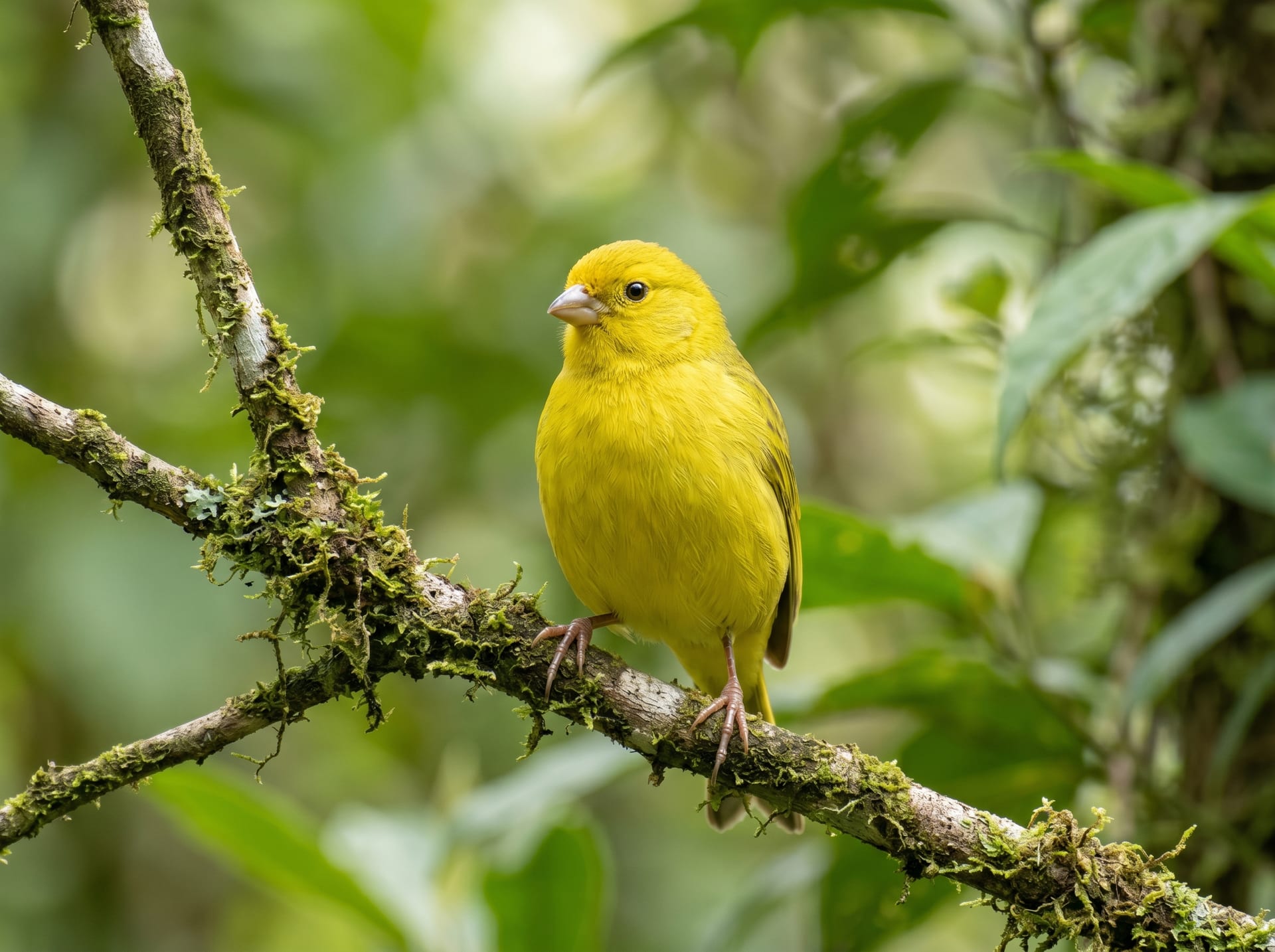
Small finch species like Java sparrows and canaries also need special support during dietary transitions and molting (feather replacement). The old notion that "you just need to feed and water birds" is outdated—stage-aware care is now the foundation of longevity and health.
Chick Stage: Warmth, Hand-Feeding, and Immune Development
The chick stage requires the most intensive care of a bird's lifetime. Young chicks without full plumage cannot regulate their body temperature well and need a heat pad or heat lamp to maintain appropriate warmth. Newly hatched chicks typically need around 30–32°C, but the ideal temperature varies by species, age, and feather development. Always follow breeder or veterinary guidance first.
Hand-feeding is the primary nutrition method for chicks, using formula powder (artificial bird formula) dissolved in warm water and given at the right temperature (typically around 40°C, but always follow package instructions). Formula that is too hot can cause crop burns—a life-threatening injury. If it's too cool, it causes digestive upset. Always use a thermometer for temperature control.
Hand-feeding frequency depends on age in weeks—younger chicks need more frequent feedings (every 2–3 hours), decreasing as they grow. The basic rule is to feed only after the crop is completely empty. Gradually develop your skill in palpating the crop to check fullness.
Because their immune system is underdeveloped, sanitation is especially critical—disinfect tools and clean enclosures daily. Avoid contact with other birds and observe health carefully every day.
Juvenile Stage: Dietary Transition, Socialization, and Behavior Building
The transition from hand-feeding to self-feeding varies by individual. Don't stop hand-feeding abruptly; instead, confirm the bird is eating on its own (pecking pellets and seeds) and gradually reduce feeding frequency. Dietary management at this stage often determines future preferences and eating habits, so offering a variety of foods to encourage pellet acceptance is recommended.
Socialization is most effective during this stage. Hand-training, exposing to voices and household sounds—consistent, gentle handling builds a tame and psychologically stable bird. Avoid scary or startling experiences; they leave strong negative memories at this age.
Juveniles are highly active and need daily out-of-cage flight time for exercise, enrichment, and bonding. Always maintain safety—secure windows, turn off fans, watch for heat sources and crushing hazards during flight time.
Adult Stage: Regular Check-ups, Breeding Management, and Nutrition
Adulthood is the most stable life stage, but that makes it easy to miss health problems. Annual or semi-annual check-ups (weight, fecal exam, palpation) catch illness early.
Breeding behavior and hormone management are key at this stage. Prolonged breeding condition in females increases risk of egg binding, osteoporosis, and abdominal fat. Manage breeding triggers—lighting duration, handling, nesting box placement.
Diet should not rely on seeds alone; a balanced mix of pellets, vegetables, fruits, and grains is essential for long-term health. Obesity shortens lifespan and causes many diseases. Weigh regularly (use a digital scale) and consult a vet if weight changes suddenly.
During molting season, nutrition needs are high and immunity is lower. Boost protein, vitamins, and minerals, and keep the environment calm and stress-free.
Senior Stage: Managing Chronic Disease, Environmental Access, and Comfort Care
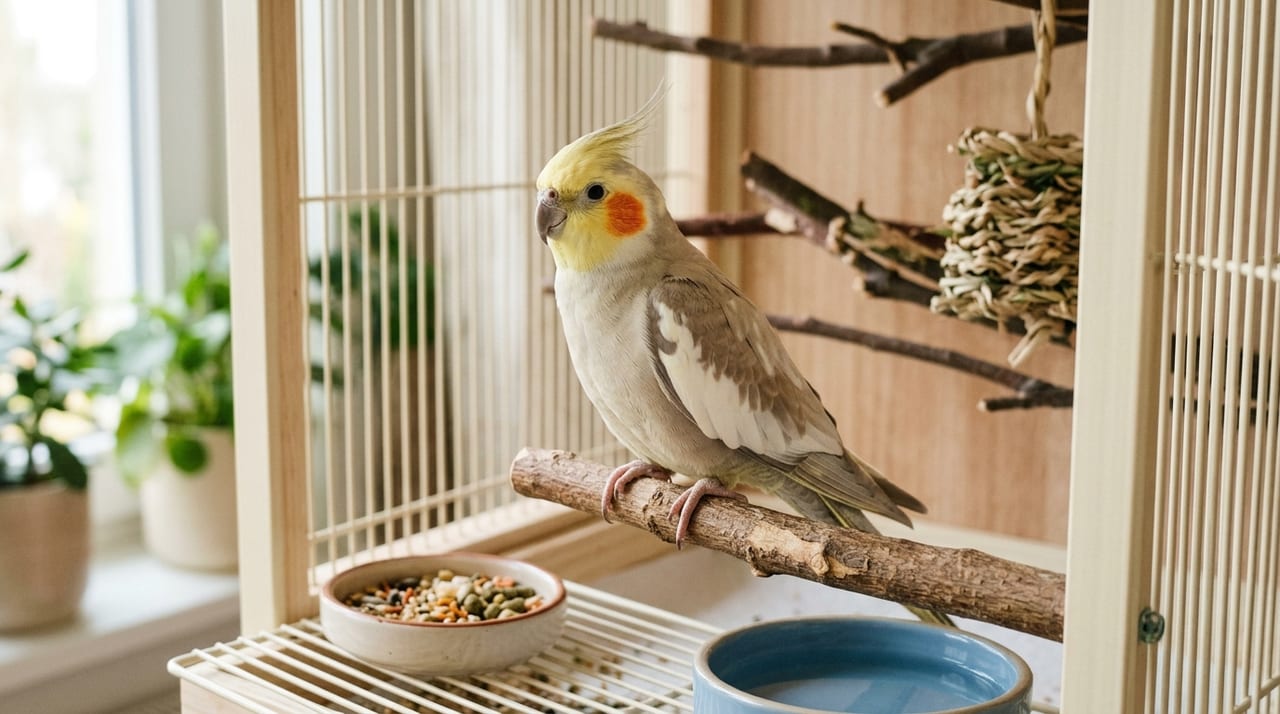
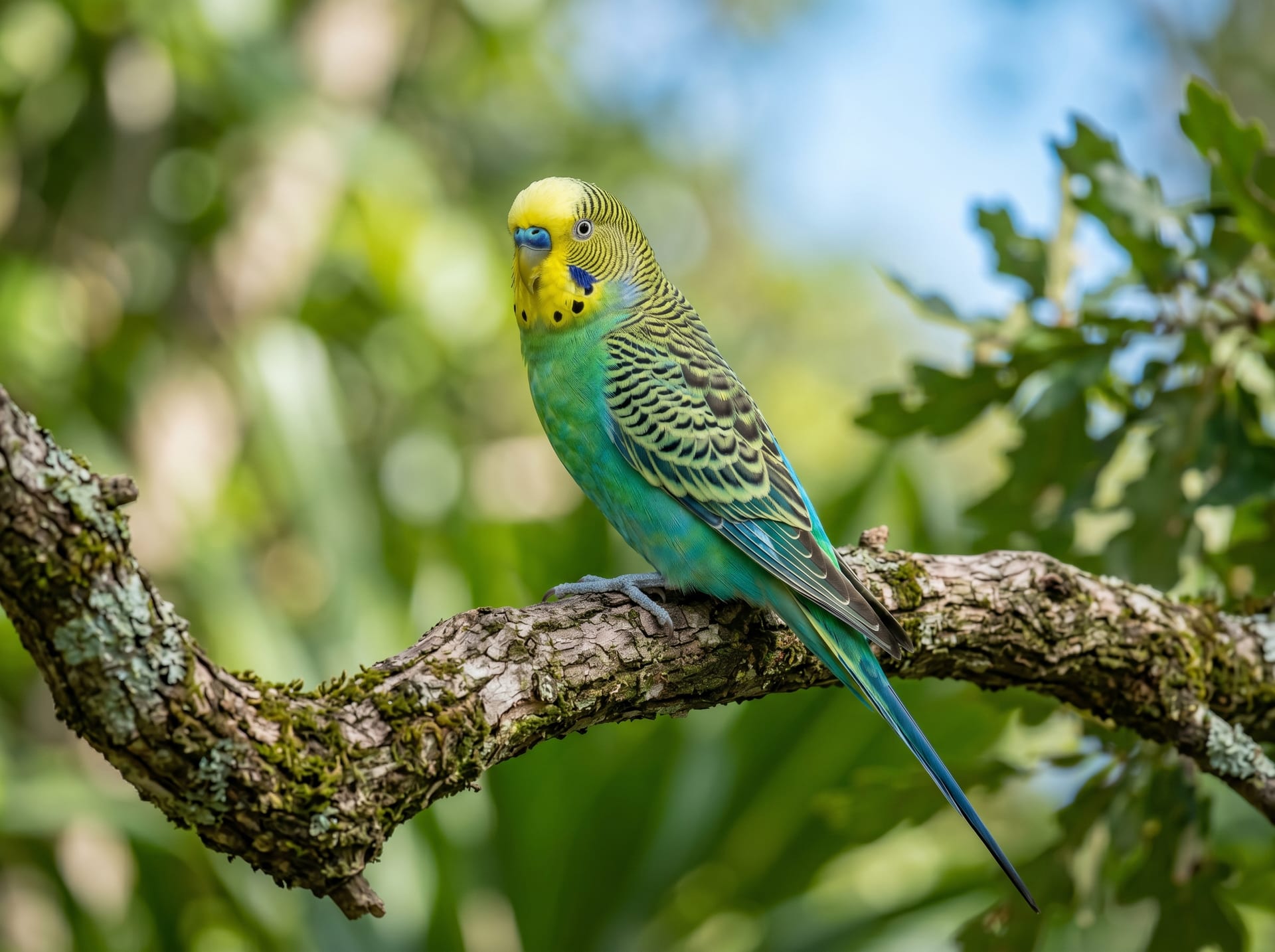
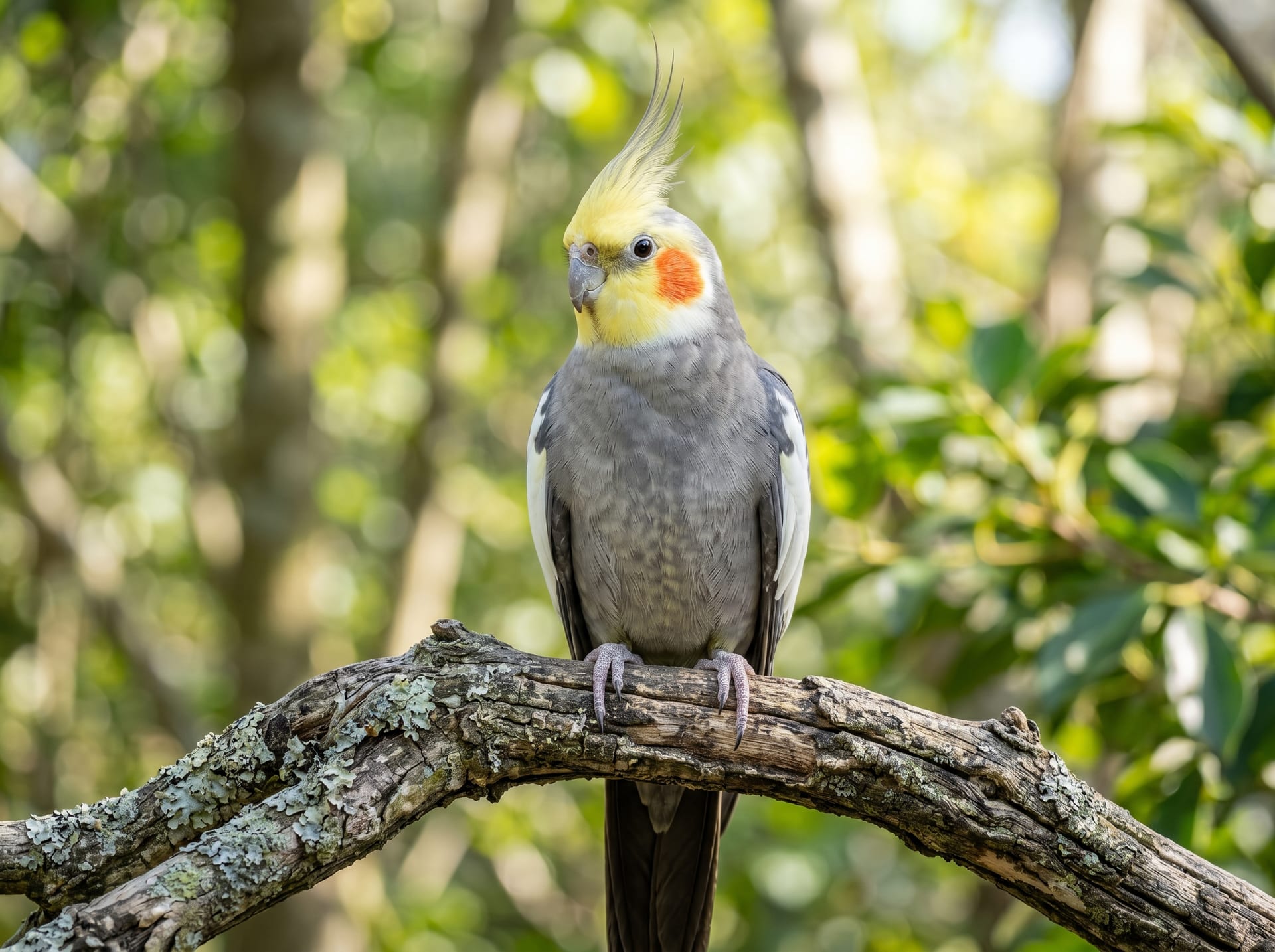
The definition of "senior" varies by species. Parakeets are senior at 6–7 years; lovebirds and cockatiel at 10+; large parrots live much longer. Java sparrows average 7–10 years (individual variation exists).
Aging birds commonly develop arthritis, tumors, organ disease, cataracts, and overgrown claws/beaks. Loss of appetite, reduced activity, dull feathers, and weight loss are common signs—consult a vet early.
Environmental accessibility matters. Place perches low, cushion the floor to prevent injury from falls, and simplify cage layouts to match declining mobility.
Offer easy-to-digest foods and encourage hydration. Senior birds may have declining kidney function, so excess protein can be problematic—always consult your vet.
Comfort care is equally important. Beyond pursuing treatment, prioritize quality of life—maintain ideal temperature, quiet surroundings, and low stress so your senior bird's final years are peaceful.
Finding Your Lifelong Companion on BreederDirect
BreederDirect is an online marketplace where breeders nationwide sell birds they've raised. You can message breeders before purchase to verify husbandry, health, weaning status, and parent bird information.
Providing proper care throughout a bird's life starts with choosing a healthy individual. Selecting a chick raised by a trustworthy breeder is the foundation of a long, healthy partnership. Please check our breeder listings, profiles, and reviews on BreederDirect.