Parrot and Parakeet Beak & Claw Care Guide | Preventing Overgrowth, Proper Trimming & Choosing a Groomer
Without proper management, a parrot or parakeet's beak and claws can become overgrown, making feeding and perching difficult. This guide provides practical advice on at-home care, when to seek professional grooming, and how to choose safe trimming tools.
Key Takeaways
Without proper management, a parrot or parakeet's beak and claws can become overgrown, making feeding and perching difficult. This guide provides practical advice on at-home care, when to seek professional grooming, and how to choose safe trimming tools.
Related Species
Why Beak and Claw Overgrowth Occurs in Parrots and Parakeets
In the wild, parrots and parakeets naturally wear down their beaks and claws through daily activities such as stripping bark, digging, and foraging for fruit, keeping them at an appropriate length. In captivity, however, factors such as soft perch materials, diets consisting primarily of seeds (which require less beak use), and insufficient exercise can cause the beak and claws to grow faster than their natural wear rate.
As beak overgrowth progresses, it not only makes feeding and drinking difficult but can also lead to beak deformation and malocclusion (misalignment). Overgrown claws pose various risks, including entanglement in perches, scratches to the owner, damage to the bird's own feathers, and falls.
Additionally, some cases of overgrowth can be a sign of illness. Liver disease, for example, can cause abnormal beak growth or deformation, so regular checks are an important part of health management to catch any changes early.
Assessing Normal Beak and Claw Condition
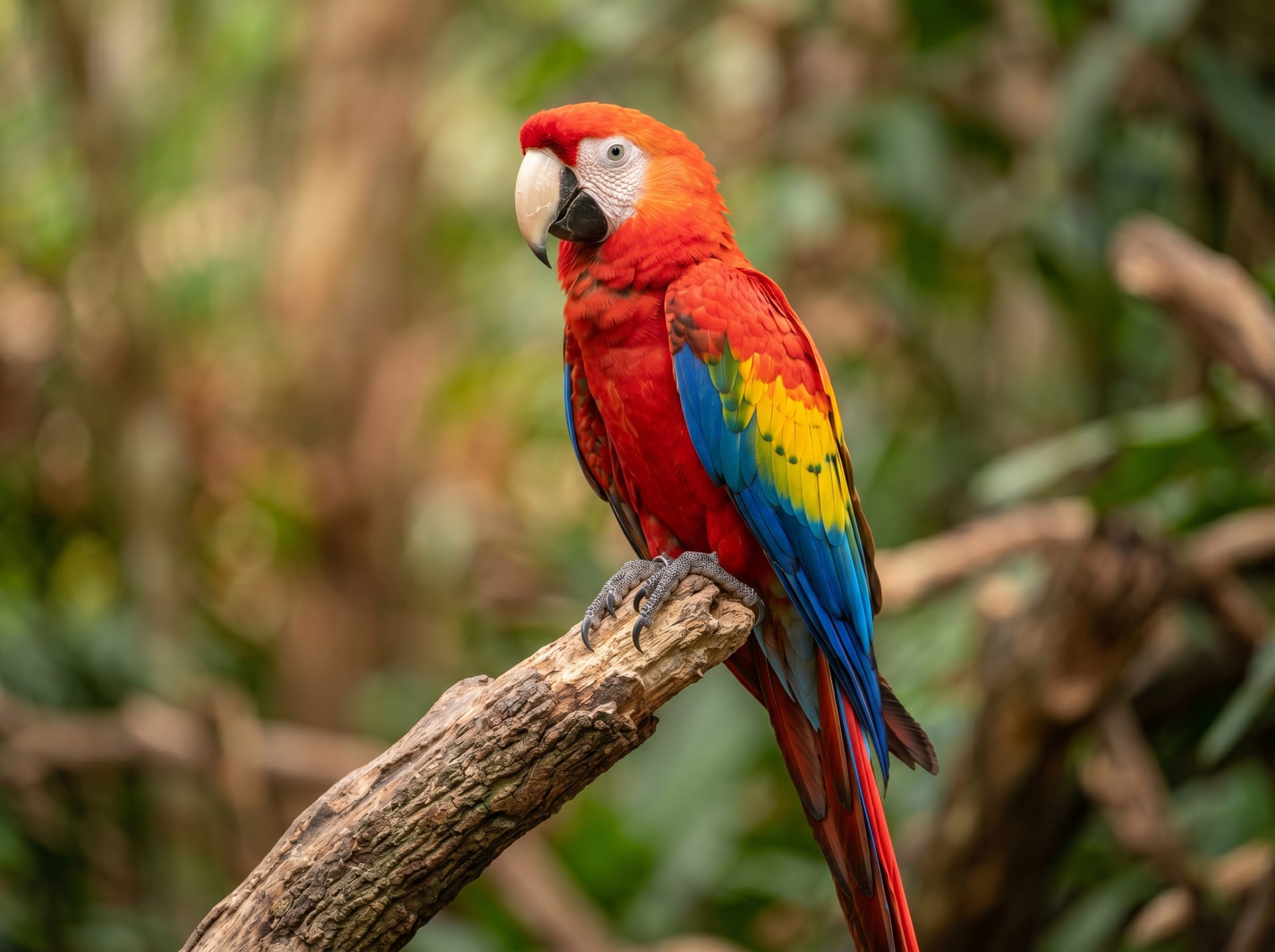
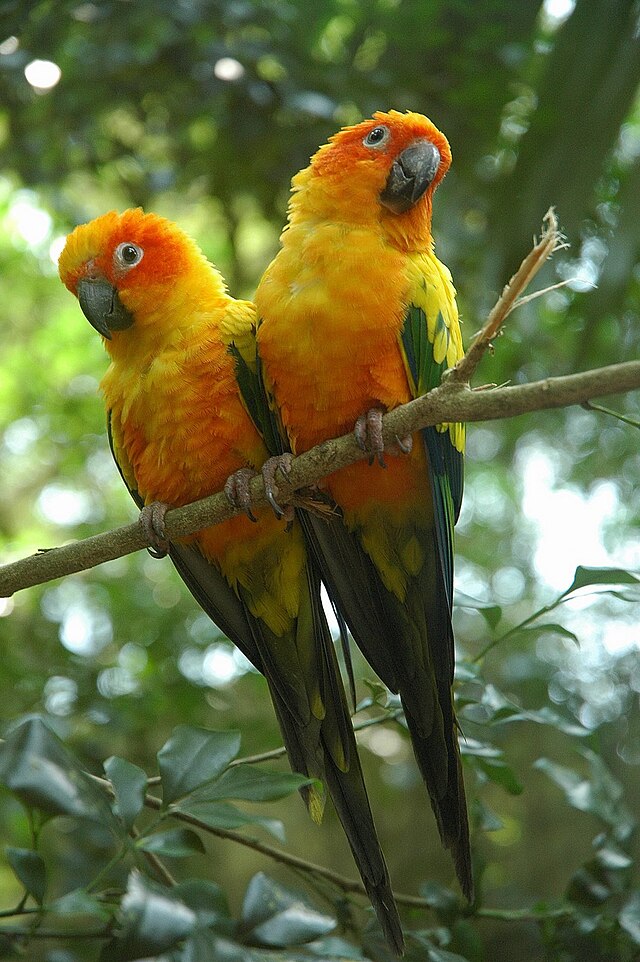
Normal beak condition varies significantly by species, so there is no one-size-fits-all definition. However, common indicators include "the upper and lower beaks aligning properly without hindrance to feeding" and "the beak surface being free from excessive layered shedding, cracks, or discoloration." Large species like Golden Conures and Macaws have powerful beaks, but if they protrude significantly, professional consultation is warranted.
Normal claw condition is characterized by the claws wrapping properly around the perch with no hindrance to walking or flight. If the claws touch the ground and lift the toes when the bird is placed on a flat surface, this indicates overgrowth.
Even in young, healthy birds, overgrowth can be prevented or slowed by providing an appropriate environment, including natural wood perches, sand-coated perches, and adequate flying space.
Claw Trimming: Methods and Precautions
Claw trimming is a routine care task that is relatively less challenging than beak trimming, but it still requires proper technique and preparation.
Materials needed include pet nail clippers (nipper-style for small birds or plier-style for bird-specific use), a styptic agent (such as cornstarch or commercial quick-stop products), and a towel. Always have the styptic agent on hand before starting, in case of bleeding.
The bird's claw "quick" (the blood vessel) extends from the base of the claw; cutting into it causes bleeding. In birds with white or translucent claws, the blood vessel may be visible, but in birds with dark claws, it often is not, so trim gradually and carefully. If you cut too much and bleeding occurs, apply the styptic agent to the cut surface and apply pressure to stop the bleeding. If bleeding does not stop, contact your veterinarian.
Bird restraint is typically done by wrapping the body in a towel with the head exposed. However, if the bird thrashes violently, do not attempt it alone—ask a family member to assist or have it done at an animal hospital. Repeatedly frightening the bird can lead to distrust of humans, so it is important not to force it if the bird resists.
Beak Care: Trimming Methods and What Not to Do
Beak trimming is more challenging than claw trimming, and professional care from an avian veterinarian or experienced groomer is recommended. The beak contains blood vessels and nerves; incorrect angle or amount of trimming can cause bleeding, pain, and beak fractures.
For daily preventive care, use specialized cushioned perches (pedicure perches) or natural wood and concrete perches with textured surfaces, which allow the beak to be naturally worn. These are equally effective for claws. However, since abrasive perches can damage the bird's foot pads with prolonged use, it is common practice to limit them to one perch in the cage.
Minor at-home beak smoothing can be done by some owners—using a fine-grit nail file to gently remove noticeable burrs or sharp edges—but this carries the risk of bleeding, cracking, and stress to the bird, so caution is advised. Limit this to light smoothing of slightly catching surfaces without changing overall shape; leave significant reshaping to professionals.
Never attempt to cut the beak significantly with scissors or clippers, as this risks cracking, bleeding, and worst case, beak fracture.
Choosing a Groomer or Veterinarian
Key points for finding professionals who can handle beak and claw trimming:
First, consulting an animal hospital that specializes in exotic animals and avian medicine is the safest option. Have the first claw trimming and any beak shaping done at the clinic while you observe and learn the procedure; this way, you can develop skills for future at-home care.
Some pet grooming services offer bird care. In such cases, confirm their experience with bird restraint and claw trimming beforehand; if their answer is unclear, it is safer to use a veterinarian.
If there is no nearby avian veterinarian, search online for "avian animal hospital [prefecture/region name]" and call to confirm availability. Some clinics can refer you to appropriate providers even if they do not offer the service themselves.
Find Healthy Birds from Trusted Breeders on BreederDirect
BreederDirect is an online marketplace where breeders across the country sell birds they have bred and raised directly. Proper beak and claw care begins with selecting a healthy bird. Since you can confirm the health status of the parent birds, breeding history, and the breeder's care philosophy through messaging before purchase, we encourage you to use BreederDirect for a confident experience welcoming your new bird.