Parakeet and Parrot Training Guide | Hand-taming, Speech, and Tricks
Step-by-step methods for training parakeets and parrots. Learn how to tame them to your hand, teach them to speak, train simple tricks, and build trust.
Key Takeaways
Step-by-step methods for training parakeets and parrots. Learn how to tame them to your hand, teach them to speak, train simple tricks, and build trust.
Related Species
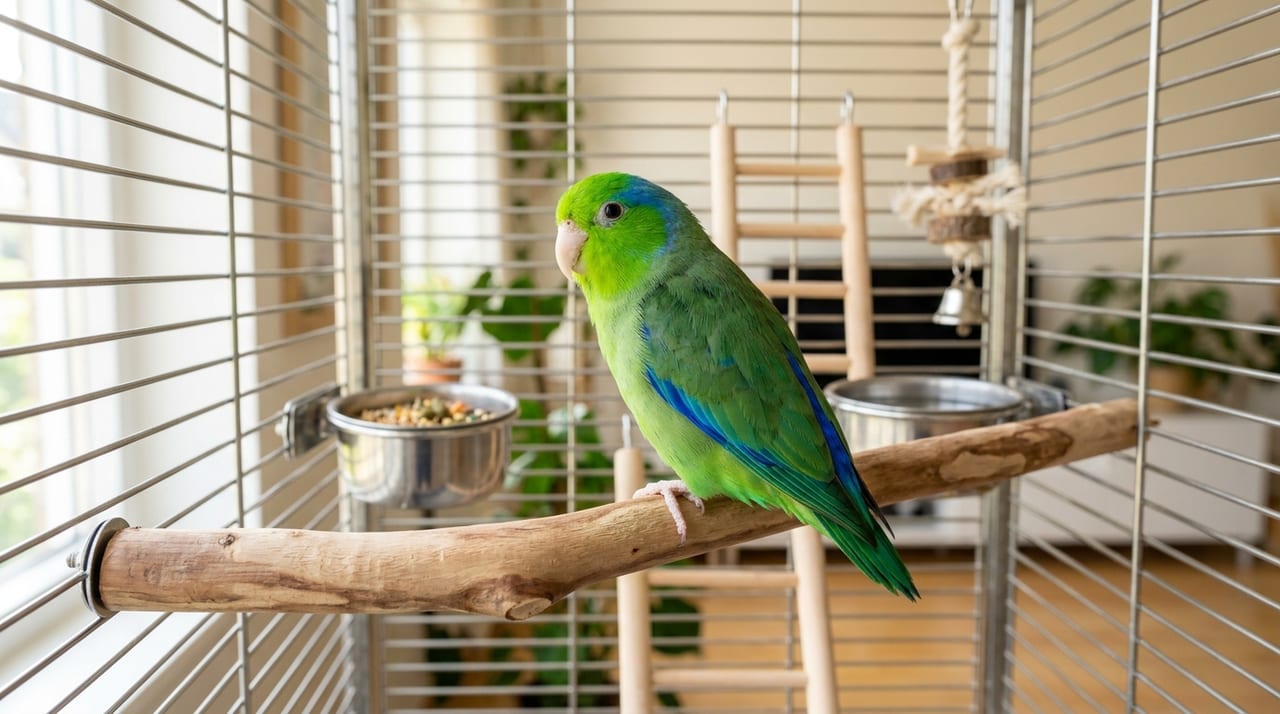
Parakeets and parrots are among the most intelligent birds. With proper training, you can enjoy communication with them—hand-taming, speech, tricks—that rivals that of dogs and cats. However, birds are inherently prey animals. Building a careful trust relationship with humans is the foundation for all training. In this article, we explain step-by-step from the acclimation period right after bringing your bird home through hand-taming, speech, and tricks.
Building Trust | The First 1-2 Weeks Are Critical
The most critical period for bird training is the first 1-2 weeks after bringing your bird home. If you try to handle them hastily during this time, it can backfire and make subsequent training difficult. First, prioritize making them feel that "this place is safe" and "this human is not scary."
Acclimation Steps
- Observe Quietly for 2-3 Days After Bringing Them Home: Spend time quietly near the cage and wait for your bird to adjust to the new environment. Avoid loud noises and approaching pets.
- Make Gentle Voice Interaction a Habit: Call their name daily in a calm voice. Even if they don't respond, that's fine. The goal is to associate "voice = safety."
- Offer Treats from Your Hand: Hold their favorite food (seeds or treats) on your fingertips and offer it through the cage. Persist patiently until your bird approaches on their own.
- Absolutely Avoid Sudden Movements: Quick hand movements and loud voices cause intense fear. If your bird becomes frightened, they will form a lasting memory that "humans = danger."
When your bird settles calmly in the cage and no longer flees when you approach, it's time to move to the next step.
Hand-taming Training | Safe Step-by-Step Method
"Step-up" is the basic training to teach your bird to perch on your finger or arm. By going step-by-step without rushing, you create a safe relationship for both bird and human.
Step 1: Getting Your Bird Comfortable with Your Hand Inside the Cage
Open the cage door and slowly insert your hand. At first, your bird may fly around at the sight of your hand, but stay still and speak reassuringly. Repeat this daily in small increments until your bird understands your hand is not scary.
Step 2: Teaching Them to Perch on Your Finger
Once your bird no longer fears your hand, gently press your index finger just above their chest and say "Step up" as you guide them onto your finger. Immediately give them a treat and praise generously. Repeating this "perch → reward" cycle builds the habit.
Step 3: Taking Them Out of the Cage
Once your bird can perch steadily on your finger, begin practicing taking them out of the cage. Keep the first sessions to just 1-2 minutes and gradually extend the time. When your bird can calmly stay on your finger even outside the cage, hand-taming is complete.
Teaching Speech | Understanding Species and Individual Differences
There is individual variation in speech learning ability, and even the same species may excel or struggle. Rather than aiming for "how much this bird talks," focus on "building a habit of enjoying conversation with them."
Effective Speech Training
- Start with Short Words: Simple 2-3 syllable words like "Good morning," "I'm home," or their name are easiest to learn.
- Repeat at the Same Time Daily: Incorporate it into routines like morning greetings or evening check-ins—this helps them remember.
- Speak in a Higher Pitch, Slowly: Birds naturally imitate higher-pitched sounds. Use a slightly higher tone rather than a low voice.
- React Immediately When They Vocalize: Praise them right away when they make a similar sound—this boosts their motivation to vocalize.
Species Skilled at Speech
| Species | Characteristics |
|---|---|
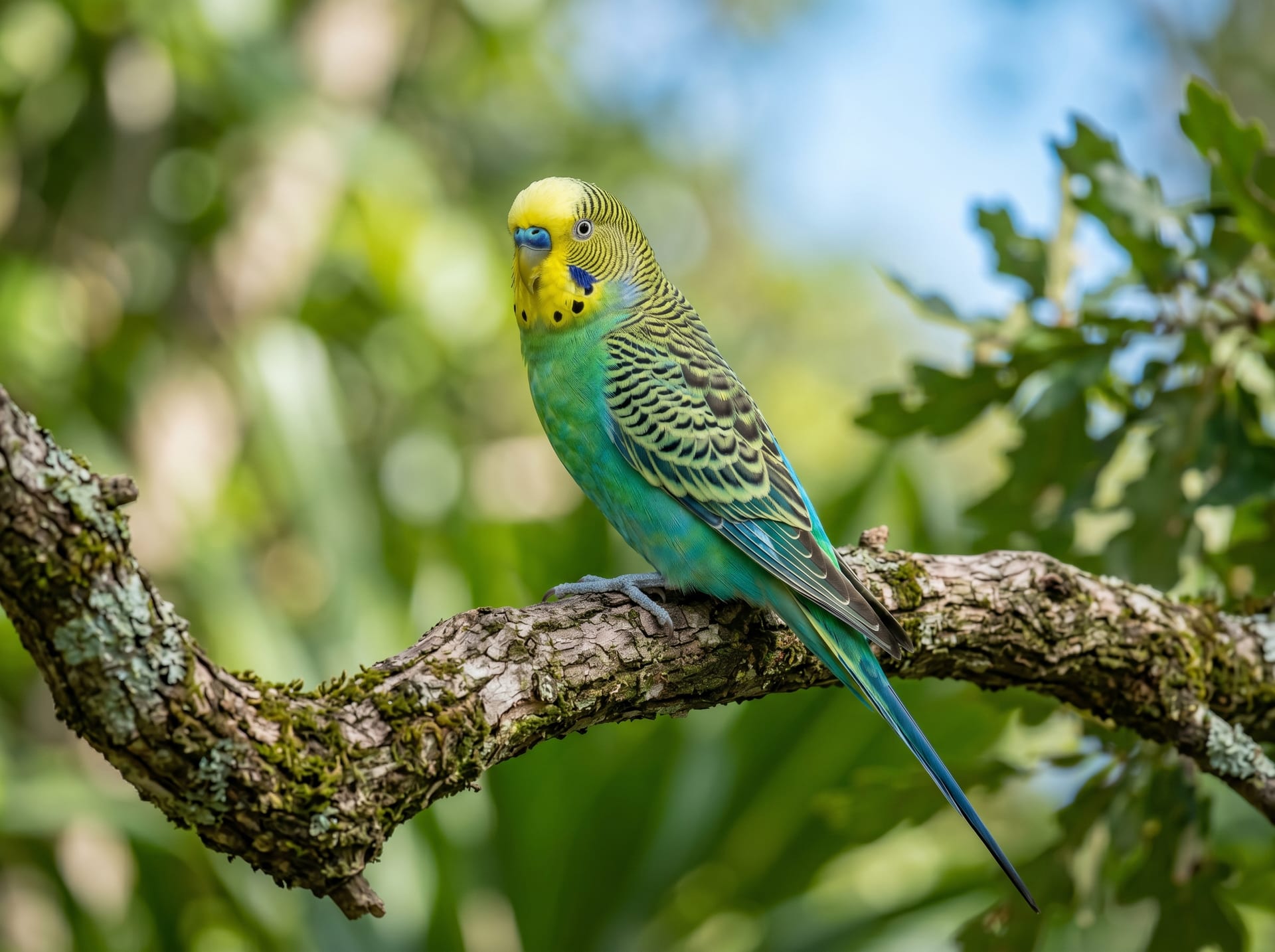
| Budgerigar | Extensive vocabulary and quick learning; some individuals memorize dozens of words |
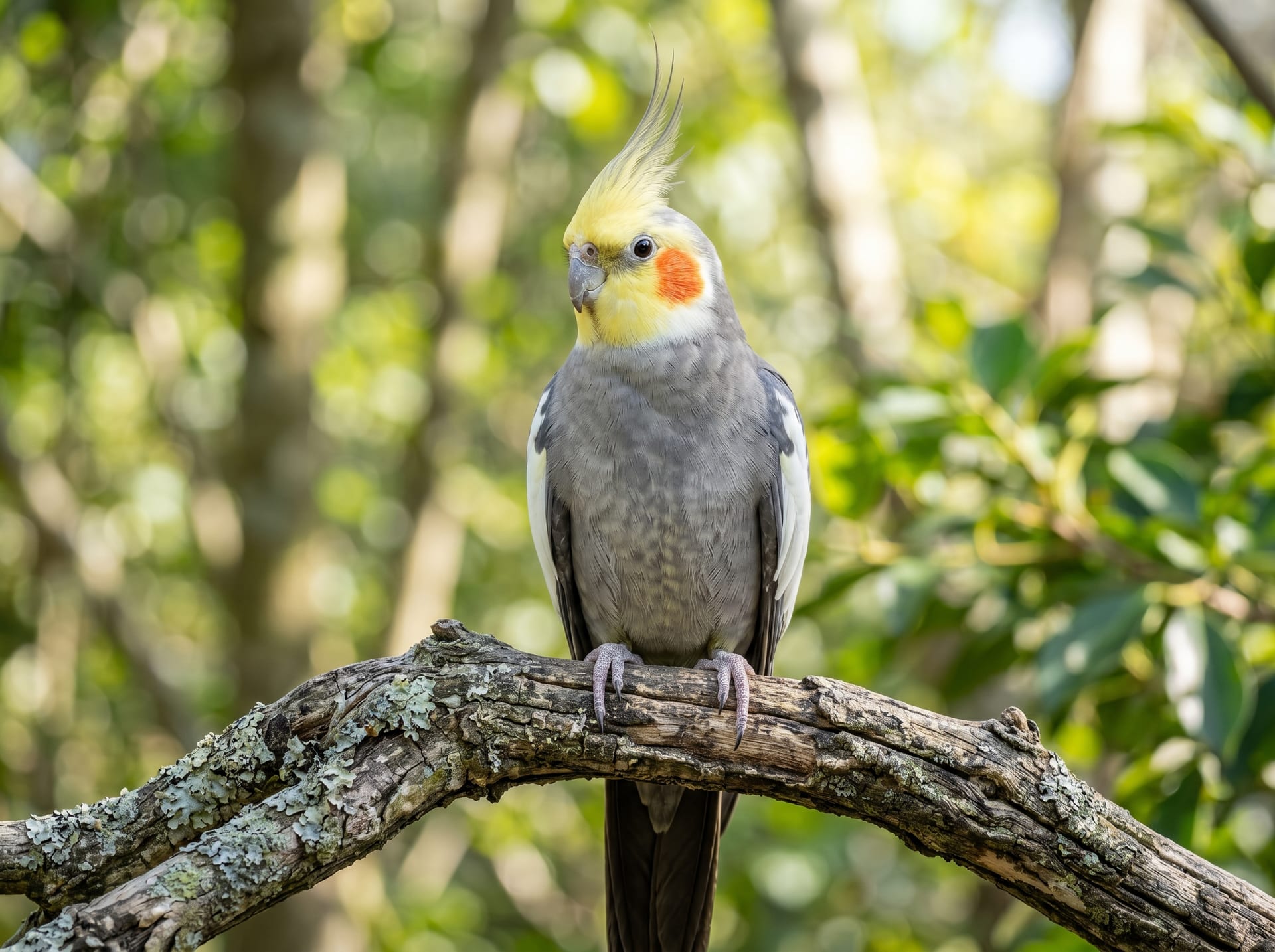
| Cockatiel | Skilled at whistles and melodies; they often enjoy musical vocalizations more than words |
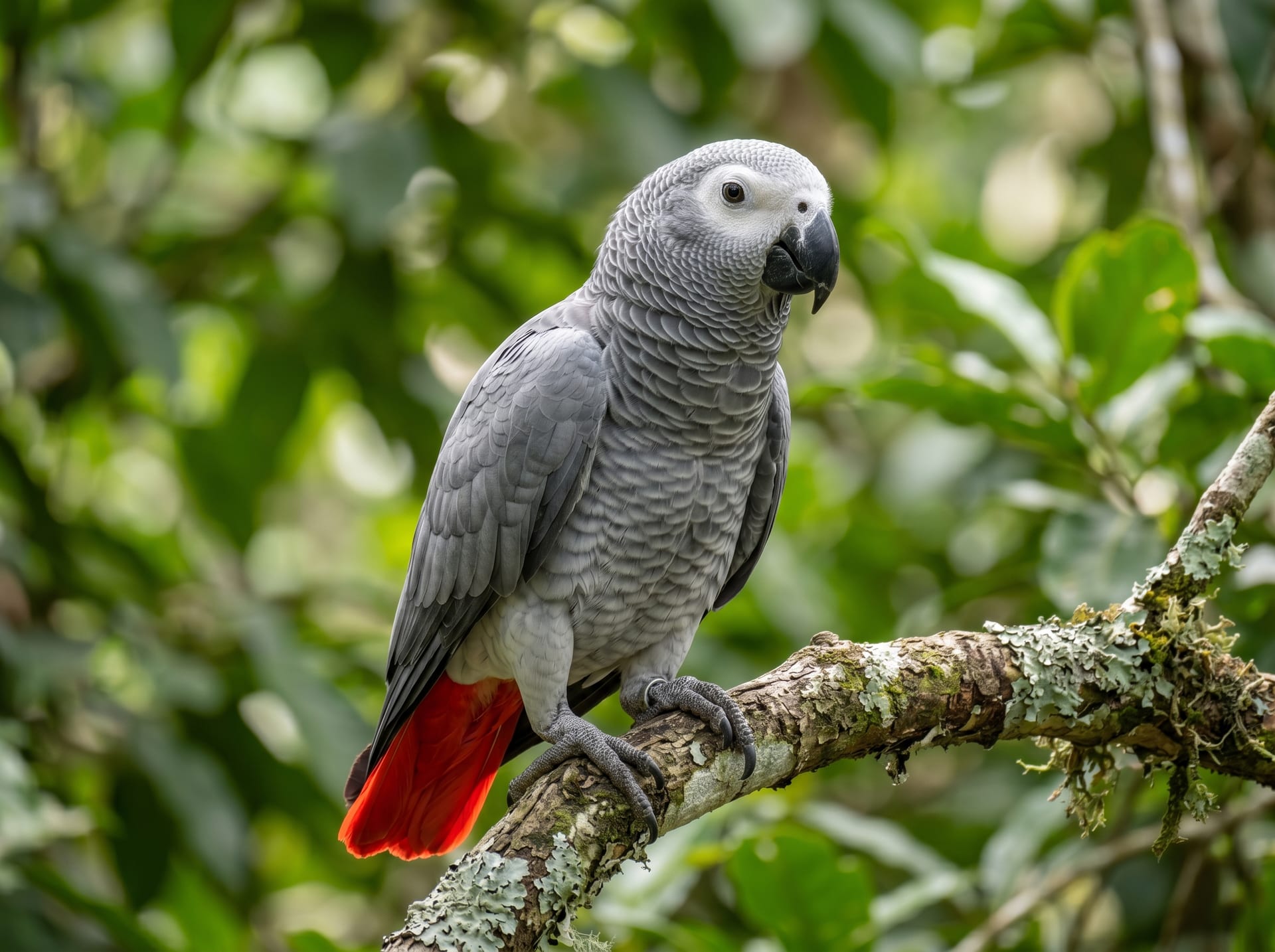
| African Grey Parrot | The highest language ability among birds; some individuals can have contextually appropriate conversations |
| Moluccan Cockatoo | Speaks loudly and frequently; clear pronunciation and easy to understand |
Simple Trick Teaching | Learning Enjoyably Through Positive Reinforcement
Trick training stimulates your bird's intelligence and contributes to mental enrichment. The basic approach is to use positive reinforcement with "treats = rewards."
Turn (Spin)
Hold a treat in your hand and slowly move it from above their head toward their back. When your bird rotates to follow the treat, immediately say "Turn!" and give them the treat. Praise even 90-degree rotations at first and gradually work toward a full spin.
Step Down
Guide your bird from your finger onto a perch or platform and practice the "step down" command. This reverse of step-up helps your bird distinguish between commands and improves their comprehension.
Wave (Hand Wave/Goodbye)
This is a variation of shake training. Offer your finger near their feet and pull back slightly before they perch—your bird will lift their foot. Repeat saying "Goodbye" and giving a treat at that moment. Soon they'll wave their foot on command.
Training Success Tips and Cautions
No matter how intelligent your bird is, improper methods can delay learning or cause distrust of humans. Following these points is the foundation for building a long-term relationship.
- Keep Sessions to 10-15 Minutes: Their attention span is short. Daily short sessions are far more effective than long sessions once a week.
- Stop Immediately If They Show Resistance: Puffed feathers, open beak, or trying to escape are signs they want to stop. Forcing them to continue increases fear.
- Never Punish: Yelling or tapping the cage is counterproductive. Only use positive reinforcement by praising what they do correctly.
- Rest When They're Ill: If you notice signs of illness—puffed feathers while stationary, loss of appetite—stop training and consult a veterinarian if needed.
- Start with One Handler: Especially during the acclimation period, prioritize building trust with one person. Involving the entire family at once can confuse your bird.
Conclusion | Meet Your Ideal Parakeet or Parrot on BreederDirect
Training parakeets and parrots doesn't happen overnight. Daily small steps bear fruit weeks or months later as hand-taming, speech, and tricks. The bond with your bird that grows through this process is the greatest joy of keeping them.
On BreederDirect, you can directly purchase hand-tamed parakeets and parrots that breeders have carefully raised from chicks. Unlike pet shops, you can directly ask breeders about raising methods, personality, and strengths, allowing you to choose a bird suited to your lifestyle. The peace of mind of being able to consult breeders about post-purchase training is unique to buying directly from breeders.
Whether you're welcoming parakeets or parrots for the first time, please explore the bird category on BreederDirect to find your ideal companion.