How to Fix Parakeet and Parrot Biting Habits | Cause-Based Solutions and Training
Explores the causes of biting in parakeets and parrots (fear, hormonal changes, learned behavior), detailed step-by-step training procedures, species-specific advice, and strategies for managing breeding season aggression.
Key Takeaways
Explores the causes of biting in parakeets and parrots (fear, hormonal changes, learned behavior), detailed step-by-step training procedures, species-specific advice, and strategies for managing breeding season aggression.
Related Species
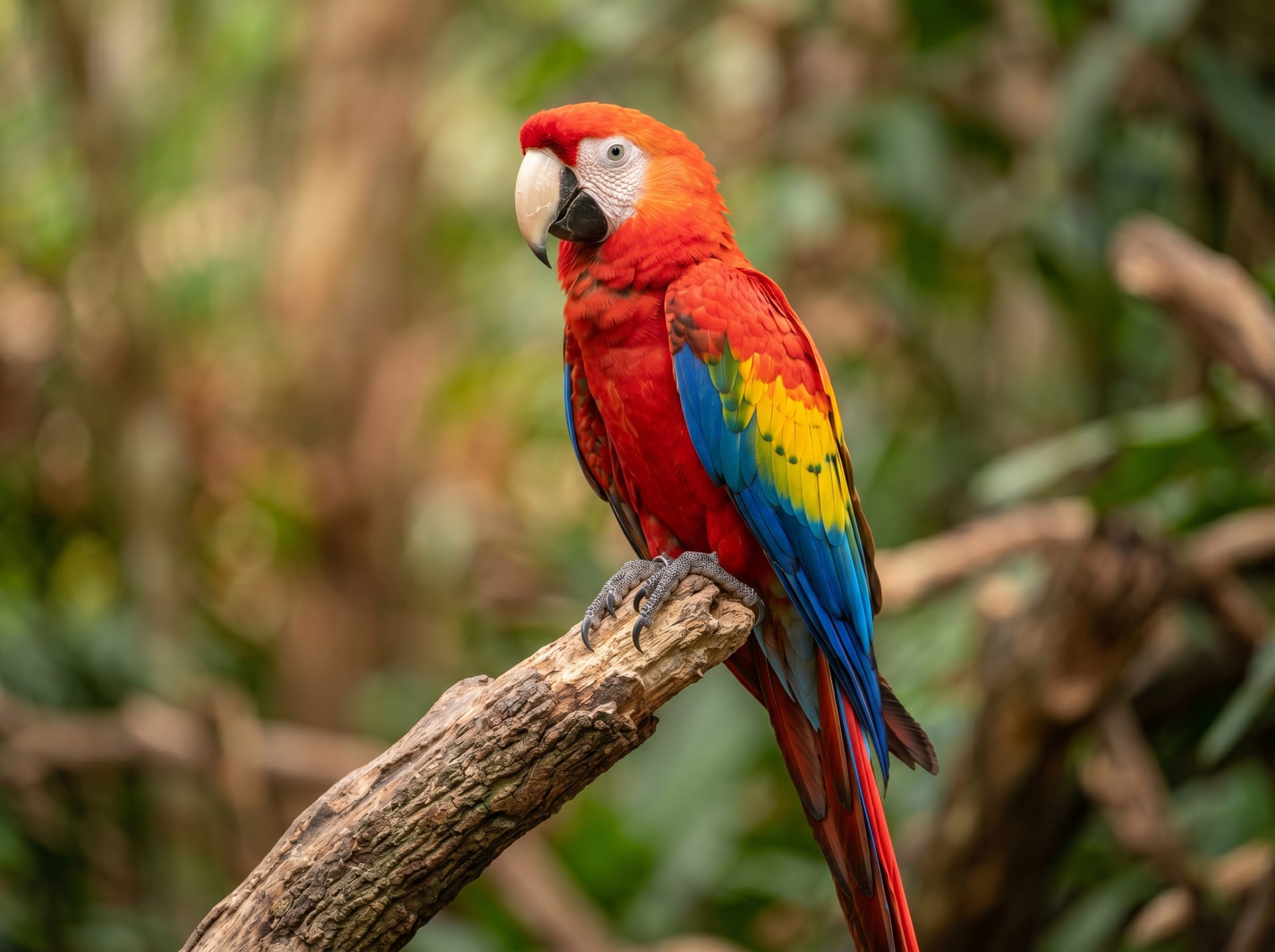
Understanding Why Parakeets and Parrots Bite
It's not uncommon for parakeets and parrots to bite their owners. However, there is always a "reason" behind biting behavior—birds don't bite on a whim. The first step in addressing biting habits is to accurately understand "why they're biting."
Fear and Defensive Reactions
This is the most common cause. Sudden hand movements toward an unfamiliar person, loud noises, and restraint are perceived as threats by birds, who bite as a self-defense mechanism. This is frequently seen in birds immediately after rescue or those with past trauma.
Excessive Hormonal Drive and Hormonal Changes
Females in particular show increased aggression when entering breeding season. Birds in a hormonal overstimulation state may suddenly begin biting, and most cases of "biting that started out of nowhere" fall into this category. Managing light exposure and removing breeding-triggering stimuli are crucial.
Communication and Boundary Setting
Birds may bite as a signal that they've reached their limit—such as "stop" or "let me go." Ignoring the warning signs birds display (puffing up, spreading tail feathers, squinting eyes, clicking the beak) eventually leads to biting.
Past Learning (Reinforced Behavior)
When biting results in consequences like "being returned to the cage," "the hand pulling away," or "getting a fun reaction," the bird learns that biting is an effective problem-solving tool. This develops into a persistent biting habit.
What NOT to Do
The following responses are counterproductive or harmful to the bird:
- Hitting or yelling: Birds overreact to pain and loud noises, only increasing fear and worsening the biting habit
- Returning the bird to the cage as punishment: This reinforces the learned behavior of "biting → stop being touched"
- Not pulling your hand away and enduring the bite: Forced contact deepens trauma
- Excessive vocal reactions: Parrots view dramatic reactions as entertaining and will repeat the behavior
Training Steps to Improve Biting Habits
Step 1: Learn to Read Warning Signs
Carefully observe the bird's body language. Withdraw your hand immediately if any of these signs appear.
| Warning Sign | Meaning |
|---|---|
| Puffed-up feathers | Agitation or discomfort |
| Beak clicking | Warning: "stay back" |
| Pupils rapidly constricting (pinning) | Excitement, preparing to attack |
| Tail feathers spread and fluttering | Defensive posture |
| Feathers held close to body, lowered posture | Fear or freezing |
Once you can read these warning signs, you can change the situation before the bird bites.
Step 2: Target Training
Training the bird to touch a stick (target stick) with its beak.
- Prepare a chopstick or thin stick
- Hold the tip of the stick about 5cm in front of the bird's beak
- When the bird touches the stick with its beak, immediately say "good!" and give a favorite treat (one sunflower seed, one pellet, etc.)
- Repeat this 5–10 times per day
Target training is the first bridge in shifting the bird's perception from "hand = threat" to "stick → reward." Once comfortable with the stick, gradually transition to fingers.
Step 3: Gradual Desensitization (Hand Habituation)
| Phase | Activity |
|---|---|
| Phase 1 | Show hand through cage bars and reward |
| Phase 2 | Open cage and show hand for a few seconds |
| Phase 3 | Place hand inside cage without touching |
| Phase 4 | Offer the back of your hand and wait for the bird to step up voluntarily |
| Phase 5 | Praise when the bird steps up (do not force) |
Progress to the next phase only when the bird is comfortable. There's no need to rush. If the bird regresses, calmly return to the previous step.
Step 4: Handling Biting Moments (Extinction Method)
Immediately after being bitten:
- Quietly withdraw your hand (no yelling or dramatic reactions)
- Turn away and ignore the bird (2–3 minutes)
- Stop the training session
By consistently showing that "biting = no attention or reaction," you gradually reduce the frequency of biting behavior.
Species-Specific Advice for Biting
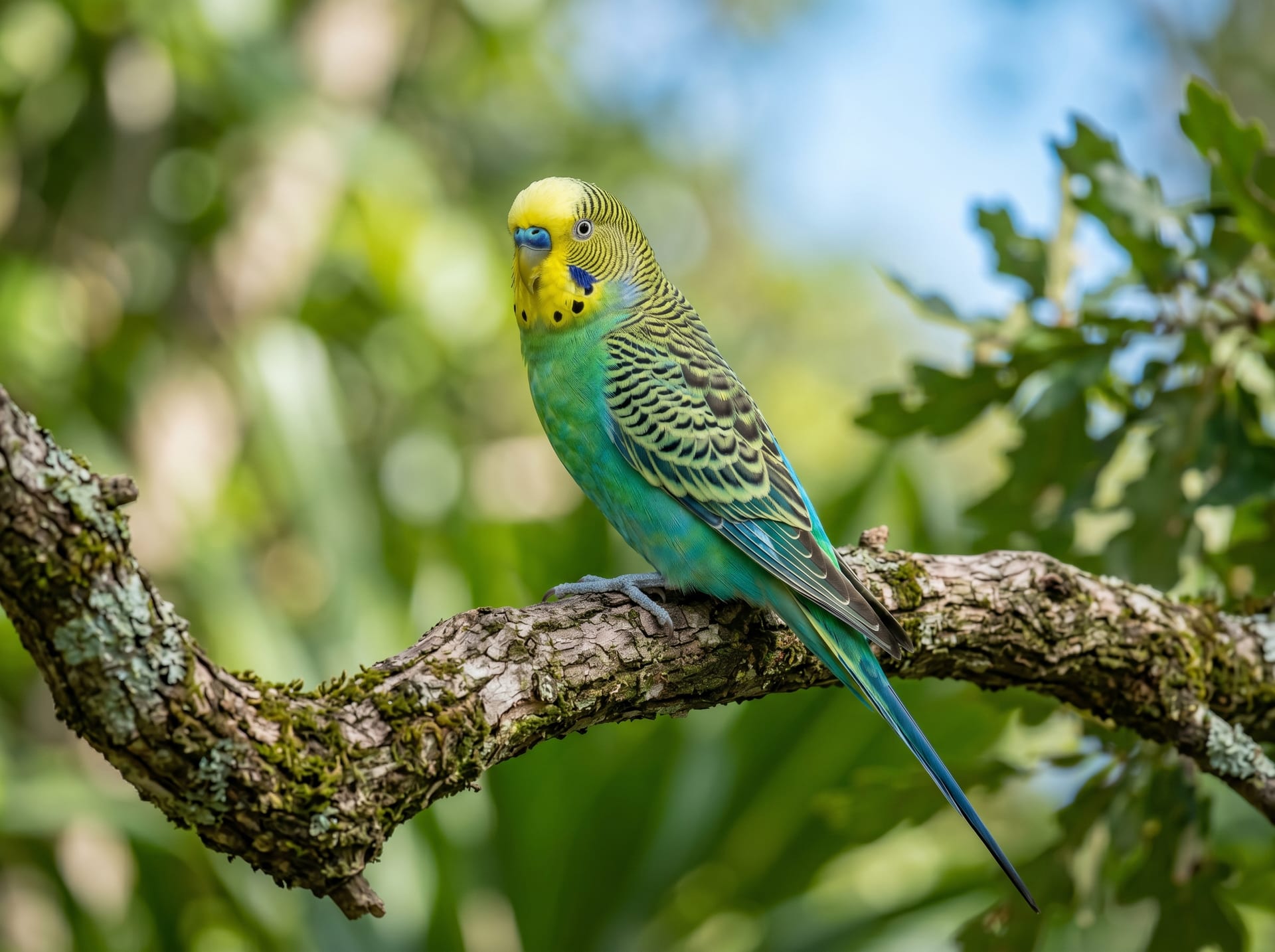
Budgerigar Biting
Budgerigars bite relatively gently, but repeated bites can become painful. Don't touch abruptly; start with "rewarding stepping onto your hand." Habituation by gently wrapping the bird's body with a towel is also effective.
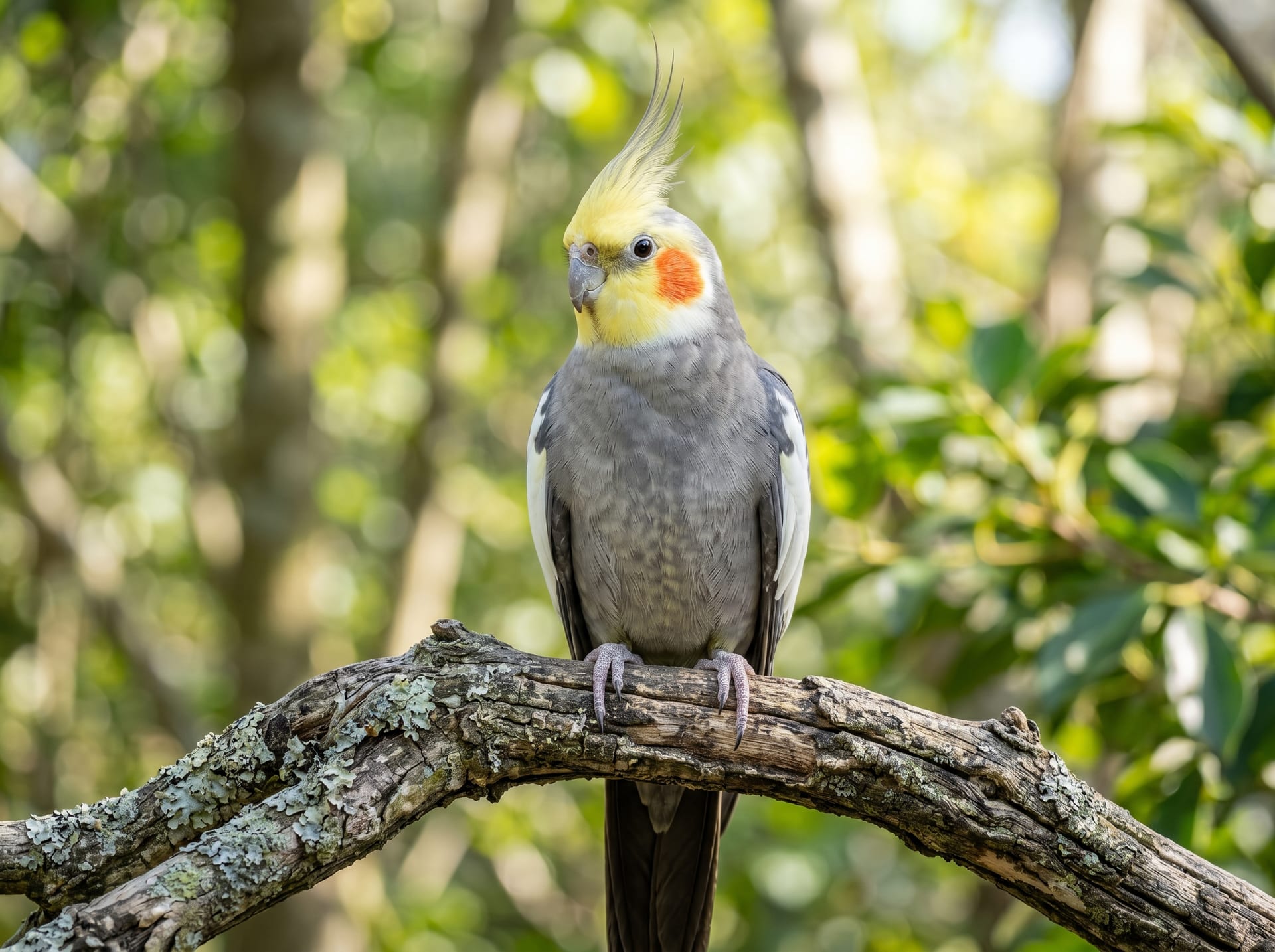
Cockatiel Biting
Cockatiels have a timid temperament and bite when startled. Speak before approaching, use slow movements, and avoid approaching from behind.
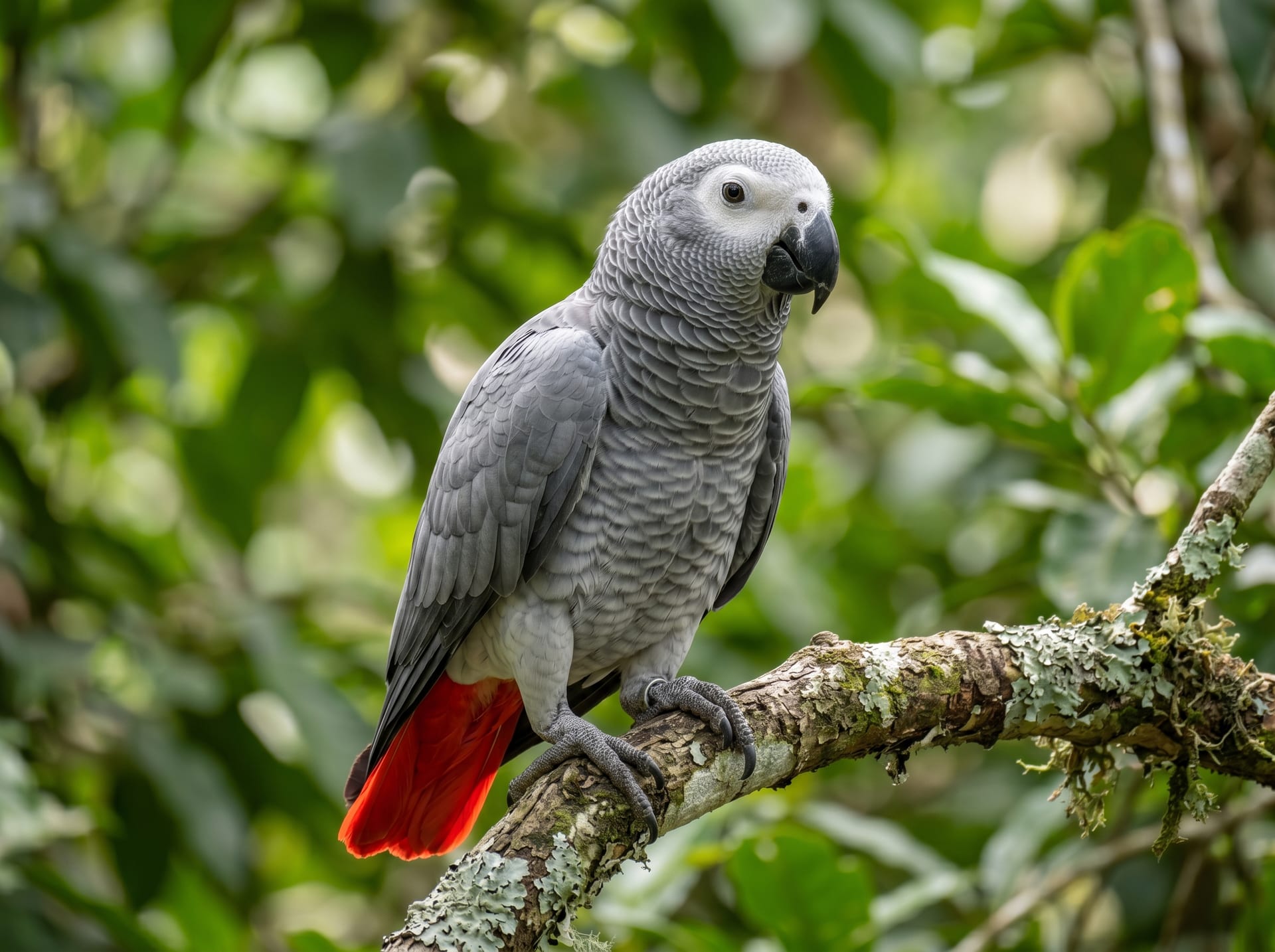
Large Species (Macaws, African Grey Parrots, etc.)
Large parrots bite with extreme force and can cause serious injury. Consulting a professional avian behaviorist is strongly recommended. Simultaneously, providing adequate playtime and environmental enrichment to reduce frustration is crucial.
Managing Biting During Breeding Season
During breeding season (primarily spring and autumn), aggression temporarily increases.
- Limit light exposure to 10–12 hours per day (manage with blackout curtains or cage covers)
- Remove potential nesting sites (drawers, gaps in bookshelves, etc.)
- Reduce excessive handling and petting, especially on the back and lower body (which stimulates breeding behavior)
- Limit high-protein foods
Once hormonal drive subsides, biting typically improves naturally.
When Improvement is Difficult: Consulting a Professional
The following situations exceed the scope of general self-help:
- No improvement after 6+ months of training
- Biting started suddenly and physical causes (infection, pain) are suspected
- The biting habit causes injury to people
Consider consulting an avian veterinarian or certified avian behaviorist (holding professional credentials such as IAABC certification).
Summary
Biting habits in birds can always be improved with patience and the right approach. The key points are: "avoid punishment," "understand the bird's communication," and "build trust gradually." Continue training at the bird's pace without rushing. For young birds acquired from breeders, proper socialization is the best prevention for biting habits.