Bird Pet Insurance Guide | Coverage Details and Selection for Parakeets and Macaws
Detailed explanation of pet insurance for pet birds such as parakeets and macaws, including how insurance works, covered species, coverage details, insurance premium guidelines, enrollment timing, and important considerations. A guide to choosing insurance to prepare for high medical expenses.
Key Takeaways
Detailed explanation of pet insurance for pet birds such as parakeets and macaws, including how insurance works, covered species, coverage details, insurance premium guidelines, enrollment timing, and important considerations. A guide to choosing insurance to prepare for high medical expenses.
Related Species
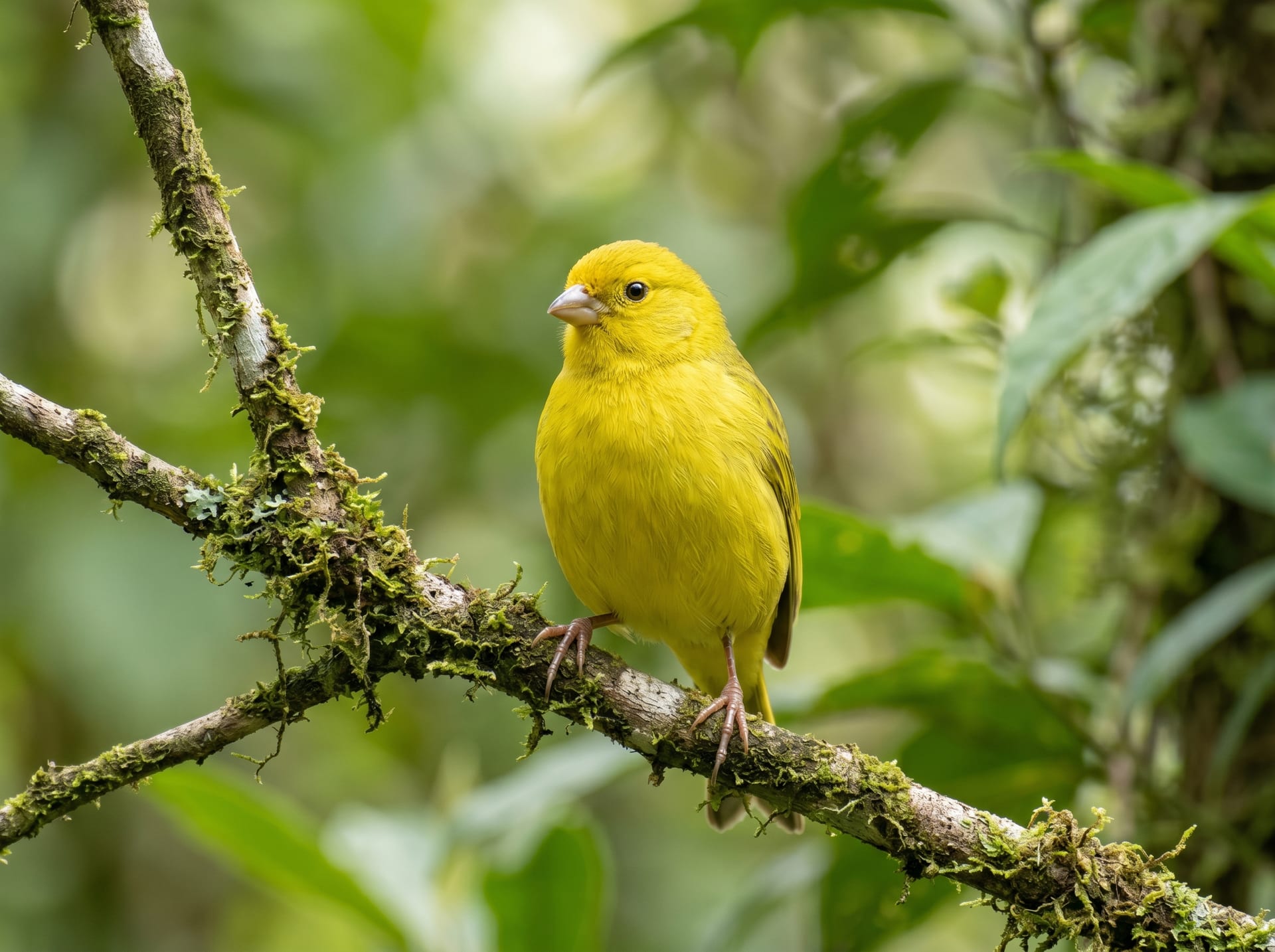
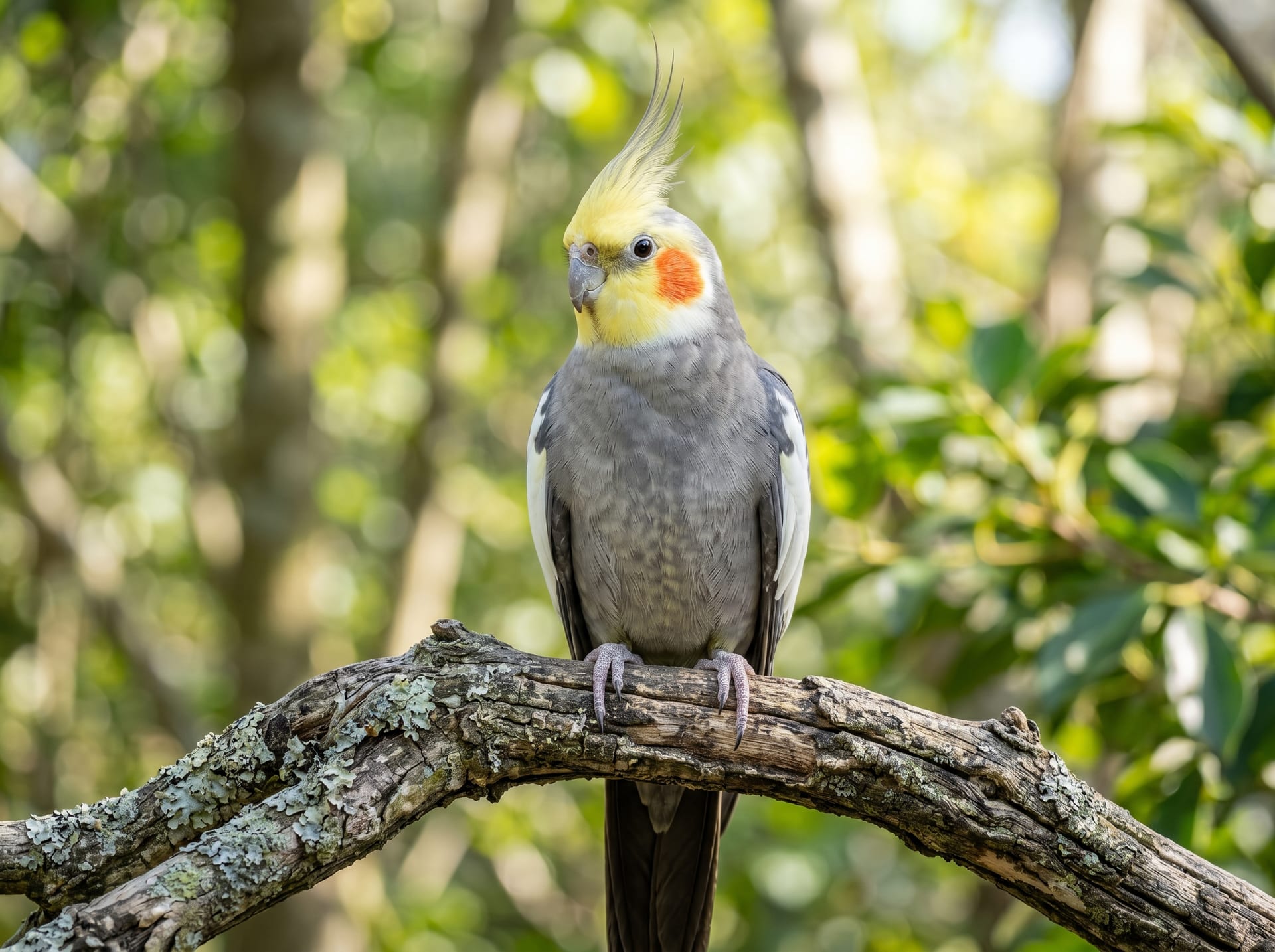
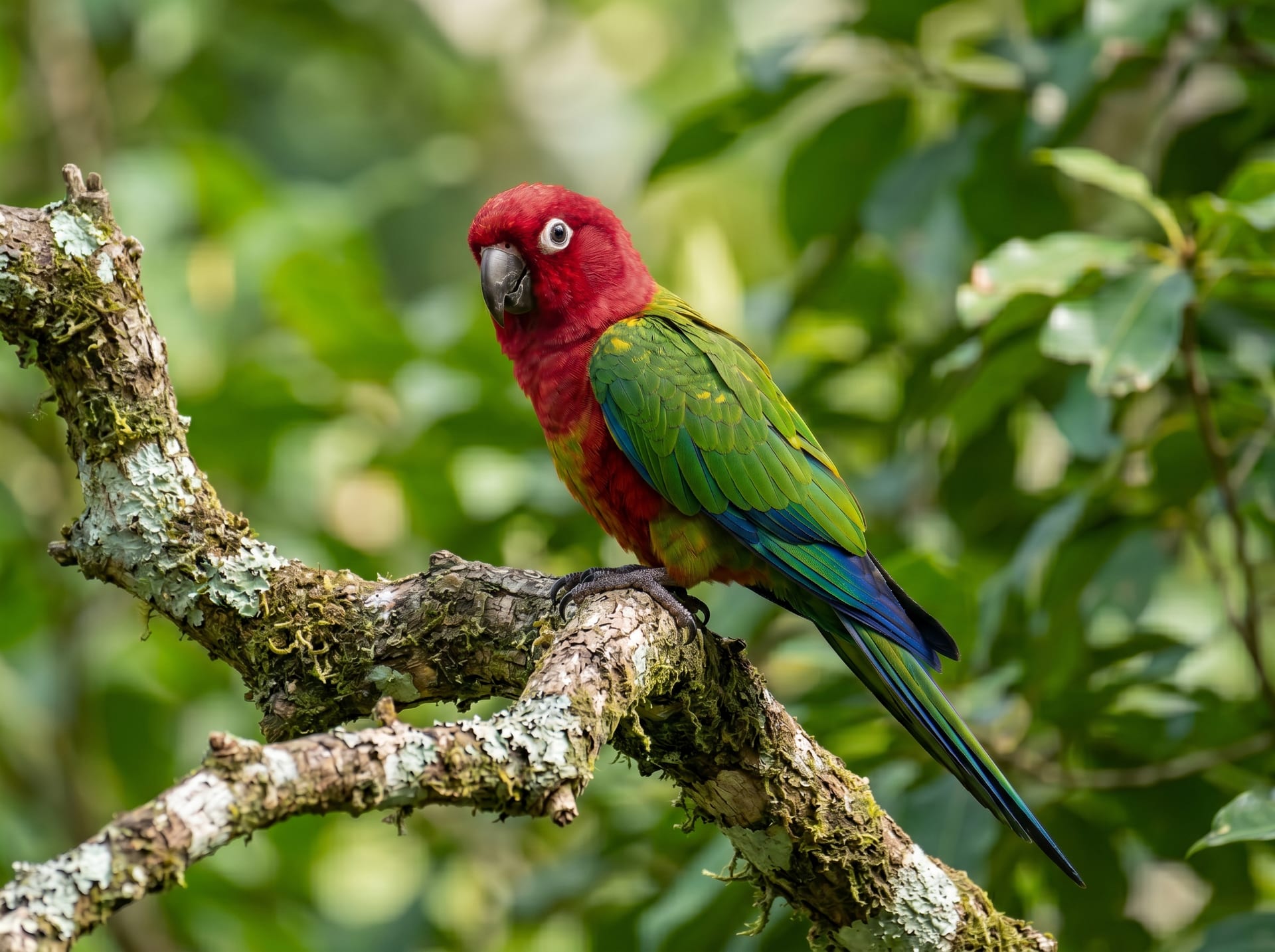
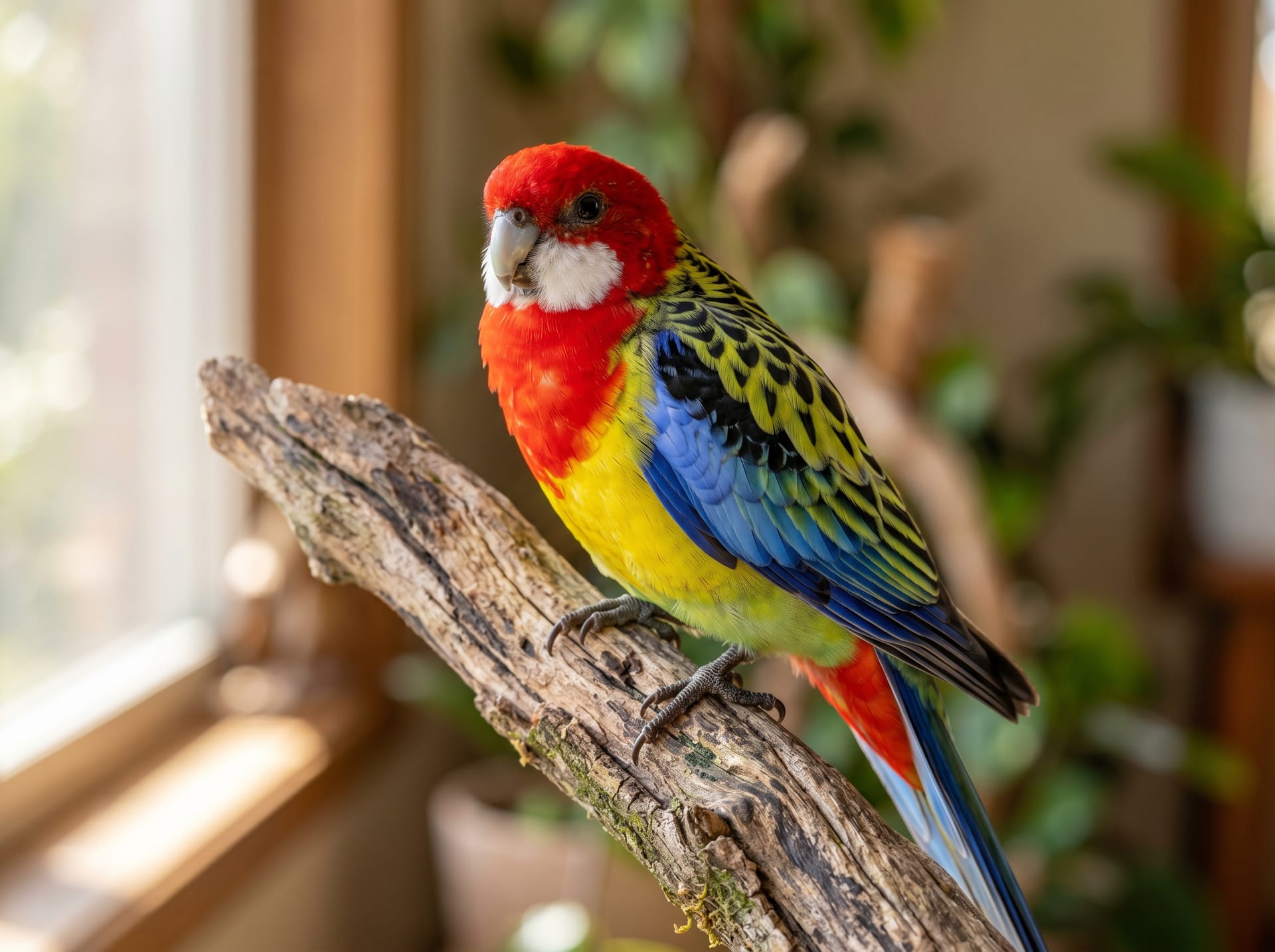
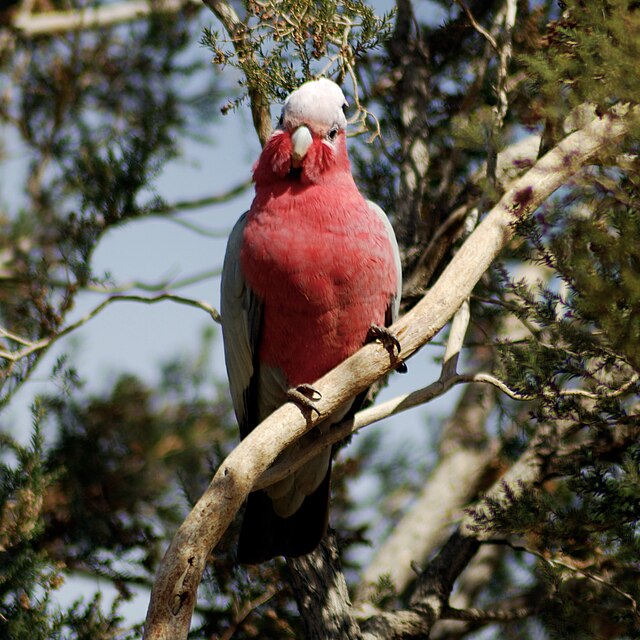
When bird owners first bring home a new pet, many wonder whether they should purchase pet insurance. Compared to dogs and cats, bird pet insurance adoption has been slower, but in recent years insurance products specifically for parakeets and macaws have been increasing. This article provides a detailed explanation of how bird pet insurance works, which bird species are covered, how to choose coverage, and the best timing for enrollment.
Why Bird Pet Insurance is Necessary
Bird medical costs can surprisingly be quite high. Animal hospitals that can treat exotic animals are less common than those for dogs and cats, and due to their specialized nature, veterinary fees are also higher. A single veterinary visit combining X-rays, blood tests, and hospitalization can easily reach tens of thousands of yen.
Large parrots (such as African Greys, Macaws, and Amazon Parrots) in particular have lifespans of several decades and tend to develop chronic diseases in their senior years. Medium to small parakeets, too, commonly suffer from conditions requiring prolonged treatment, such as beak tumors, air sacculitis, mycoplasma infections, and feather plucking (a stress-related condition).
With pet insurance in place, the barrier to visiting an animal hospital is lowered, making early detection and treatment more likely. This is the greatest benefit in protecting a bird's lifespan and quality of life (QOL).
Covered Bird Species
The main bird species covered by pet insurance products are listed below. However, covered species vary by insurance company, so verification before enrollment is essential.
Small Birds (relatively lower insurance premiums)
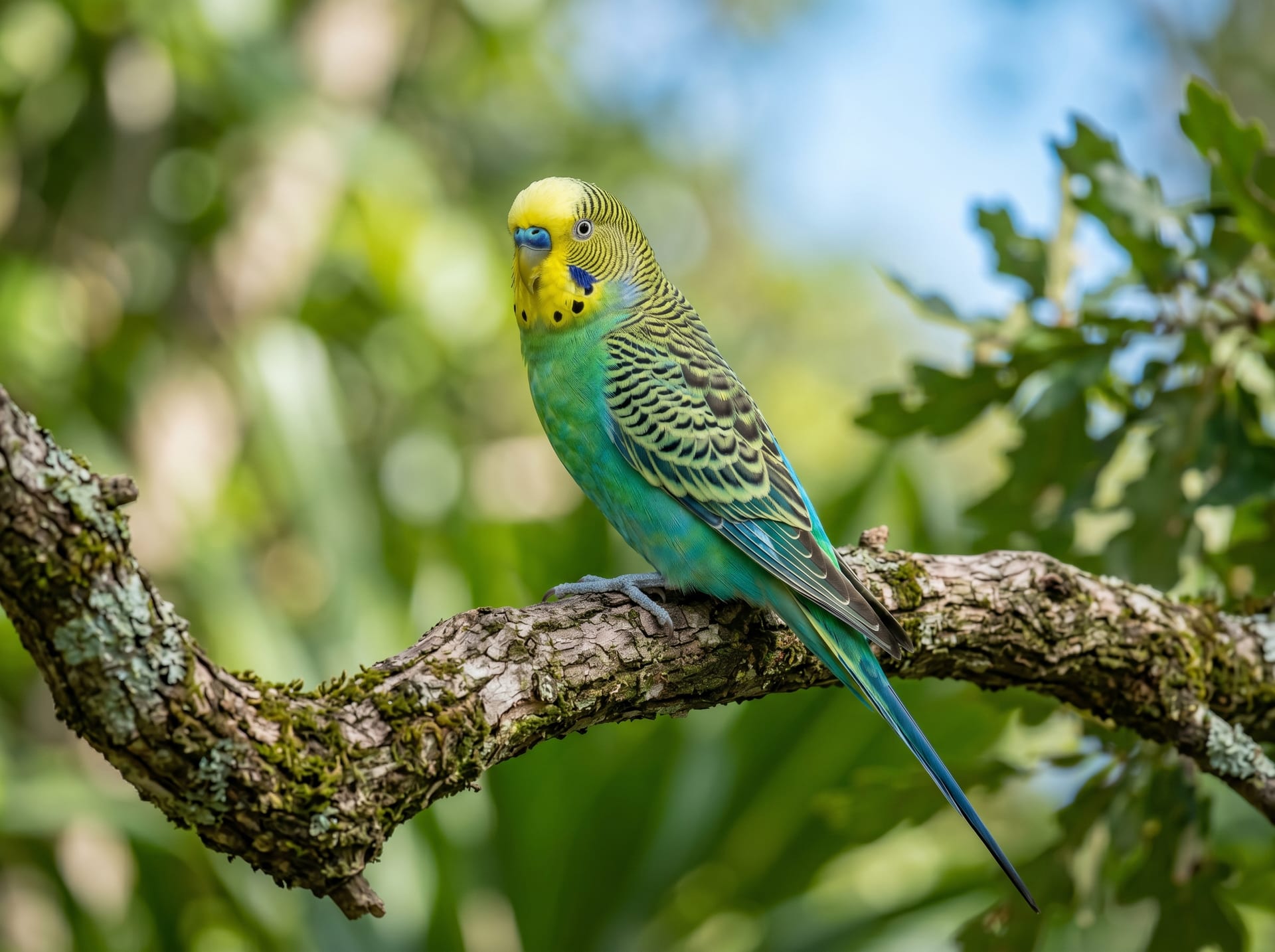
- Budgerigar
- Java Sparrow
- Canary
- Lovebirds (Peach-faced Lovebird, Fischer's Lovebird)
Medium Birds
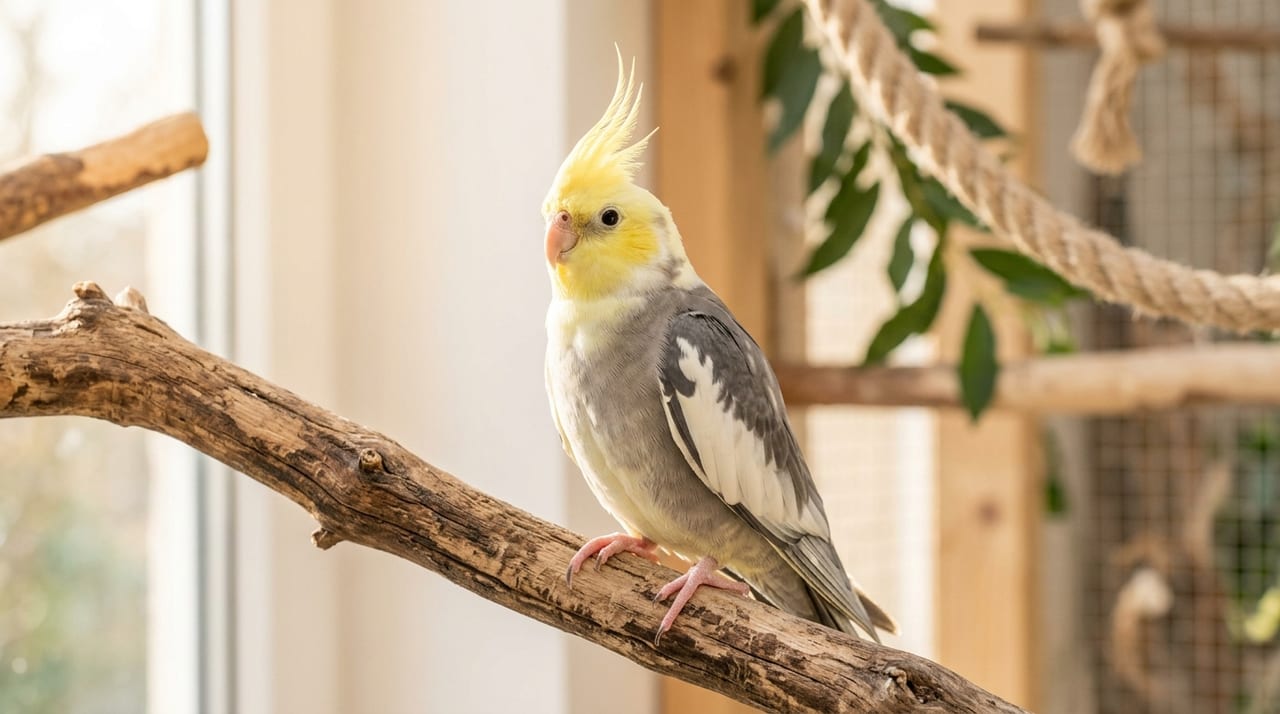
- Cockatiel
- Green-cheeked Conure
- Sun Conure
- Jenday Conure
Large Birds (higher premiums but larger coverage amounts)
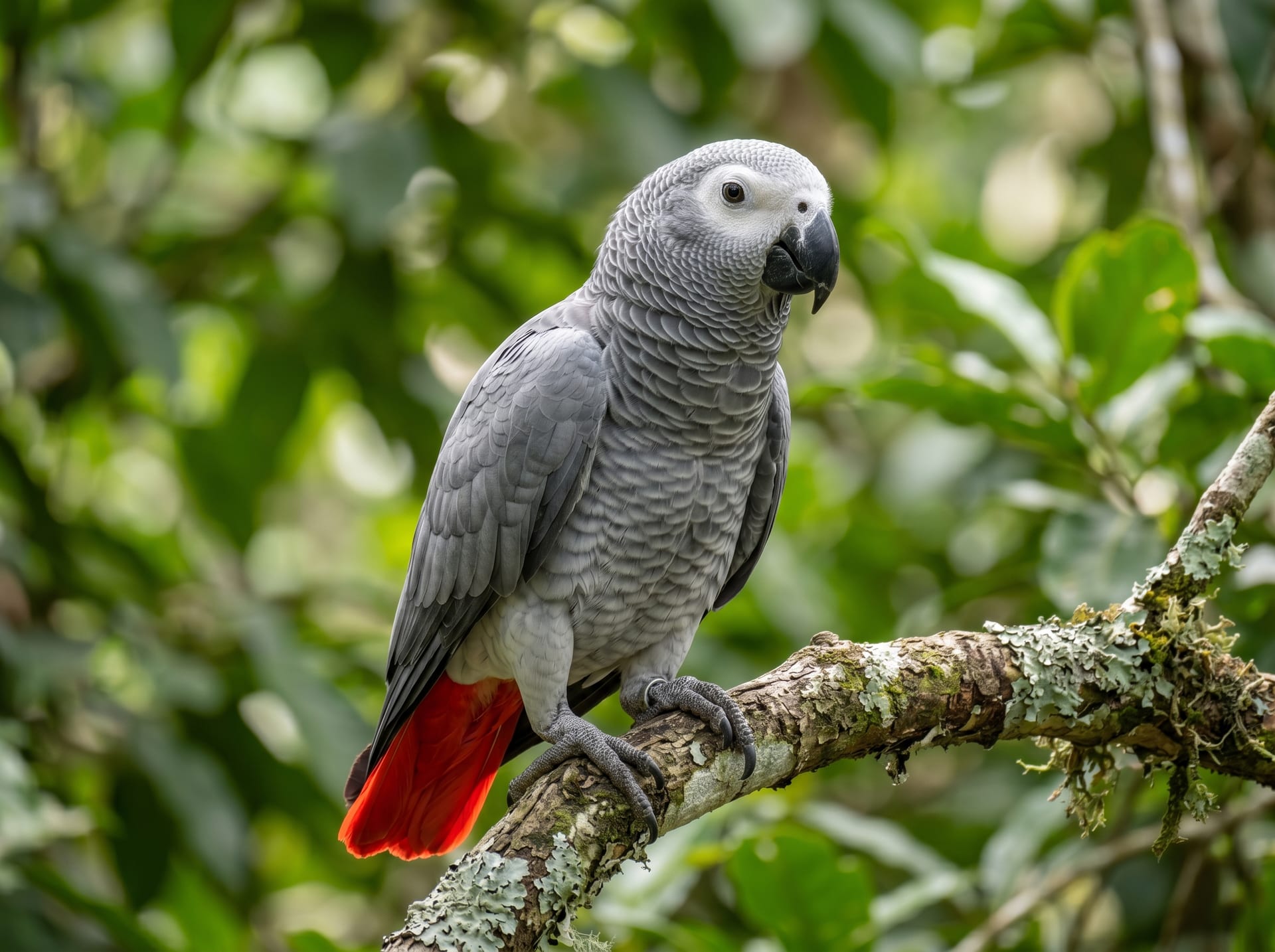
- African Grey Parrot
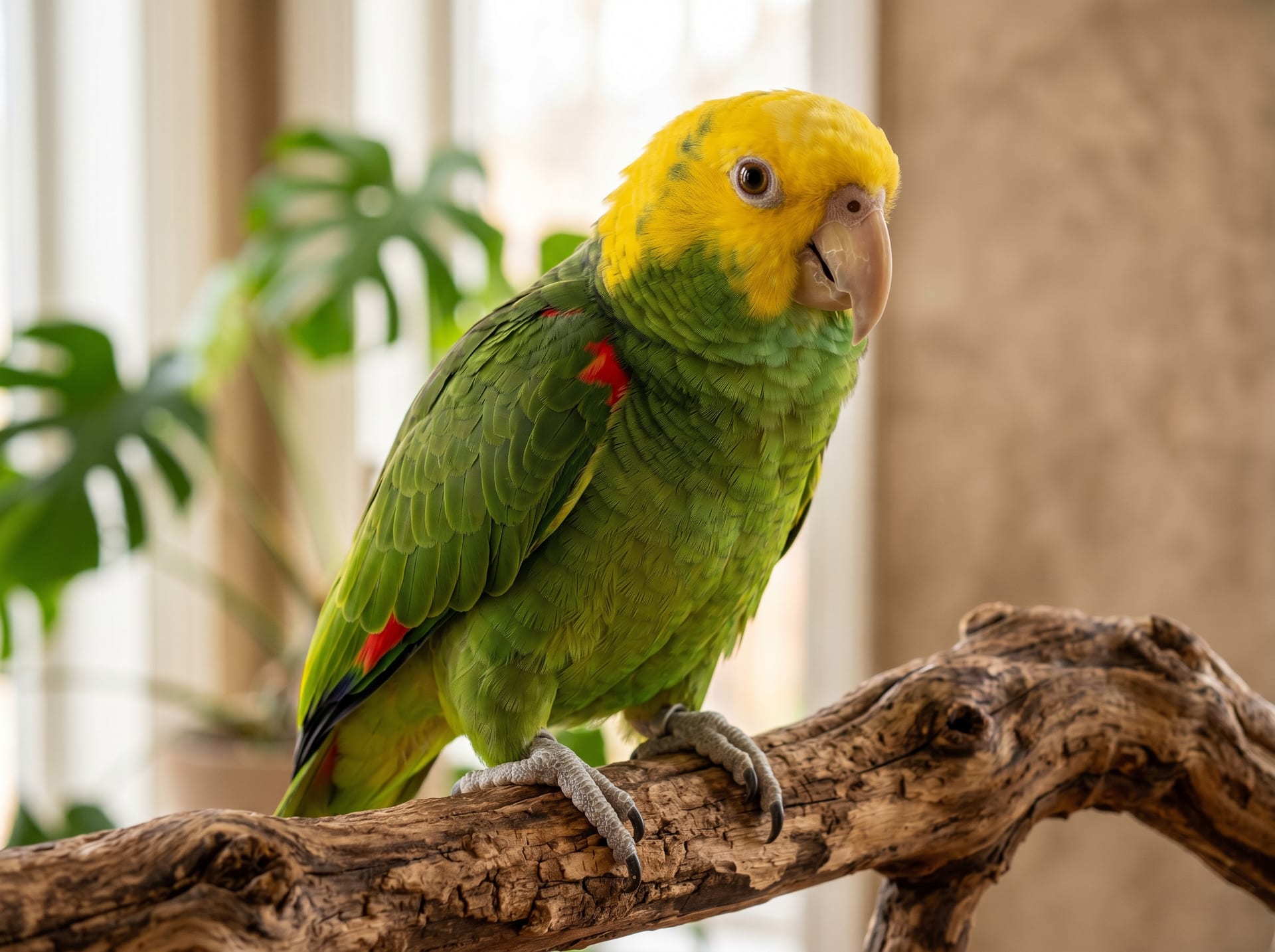
- Amazon Parrots
- Macaws
- Galah
Most insurance policies cover birds purchased from pet shops or registered breeders. Wild birds and rescued wild birds are typically excluded from coverage.
Main Types of Coverage
Outpatient, Hospitalization, and Surgery Coverage
Standard pet insurance typically covers three areas: outpatient care, hospitalization, and surgery. Bird insurance follows the same model, with coverage limits per visit and annual maximums worth confirming.
| Coverage Item | Example Details |
|---|---|
| Outpatient Care | Daily limit of ¥3,000–¥5,000, up to 20–70 days per year |
| Hospitalization | Daily limit of ¥5,000–¥10,000 |
| Surgery | Per-procedure limit of ¥50,000–¥150,000 |
Special Coverage and Add-ons
Some insurance companies offer additional optional coverage alongside basic protection:
- Beak Treatment Rider: Covers overgrowth, deformity, and tumors
- Disease-Specific Plan: Continued coverage for chronic conditions (air sacculitis, PBFD)
- Death Benefit: Memorial payment if the pet passes away
Exclusions to Note
The following are typically not covered by insurance:
- Pre-existing conditions present before enrollment (congenital diseases, diseases with prior history)
- Vaccinations, health checkups, and vaccines
- Cosmetic grooming (nail and beak trimming)
- Accidents or injuries where owner responsibility is clear
Insurance Premium Guidelines
Monthly premiums for bird pet insurance vary by species, age, and plan, with approximate guidelines as follows:
| Bird Species | Premium Range (Monthly) |
|---|---|
| Budgerigars, Java Sparrows | ¥500–¥1,500 |
| Cockatiels, Green-cheeked Conures | ¥800–¥2,000 |
| African Greys, Amazon Parrots | ¥1,500–¥4,000 |
| Macaws | ¥2,000–¥6,000+ |
Premiums increase with age, and birds 7 years or older may face enrollment denial or significant premium increases. Enrolling while young is ideal.
Enrollment Timing and Important Considerations
Right After Bringing Your Bird Home is Optimal
Pet insurance must be purchased "before illness or injury occurs." Enrolling immediately after bringing home a healthy bird minimizes restrictions on pre-existing conditions.
Especially for species with high medical costs expected, such as African Greys and large Macaws, insurance should be considered at the time of adoption.
Check the Waiting Period
Most insurance policies have a "waiting period" during which coverage does not begin immediately after enrollment. For illnesses, the waiting period is typically 30–60 days after enrollment (injuries from accidents may be covered immediately).
Comparison Points
Although the number of bird-compatible pet insurance options in Japan remains limited, the following factors are worth considering:
- Species Coverage Range: Is your bird's species covered?
- Annual Coverage Maximum: Can it handle prolonged hospitalization or surgery if needed?
- Renewal Conditions: Do premiums spike significantly at renewal?
- Hospital Choice Freedom: Can you use your preferred veterinary clinic?
Preparing Without Pet Insurance
If you choose not to purchase insurance, you can set aside a fixed monthly amount (suggested: ¥1,000–¥3,000 per month) as a "pet medical expense fund" in a dedicated account. However, if multiple emergencies occur, savings may not keep pace, making insurance the safer option—especially for large birds where high medical costs are expected.
Summary
Although bird pet insurance options remain limited, it is worth considering as a hedge against the risk of high medical expenses. Especially for those with long-lived large parrots and macaws, preparing for medical costs over the long term is essential.
Enroll at the time of adoption or while your bird is young, and develop a habit of reviewing your coverage once a year. Enrolling in insurance early becomes the first step toward spending a long, worry-free time with your feathered companion.