Complete Guide to Feather Care for Parrots and Macaws | Molting, Bathing, and Nutrition Management
This guide explains in detail how to manage molting season, bathing frequency and methods, and the nutrients and diet needed to maintain healthy feathers in parrots and macaws. We also introduce signs of feather abnormalities and how to address them.
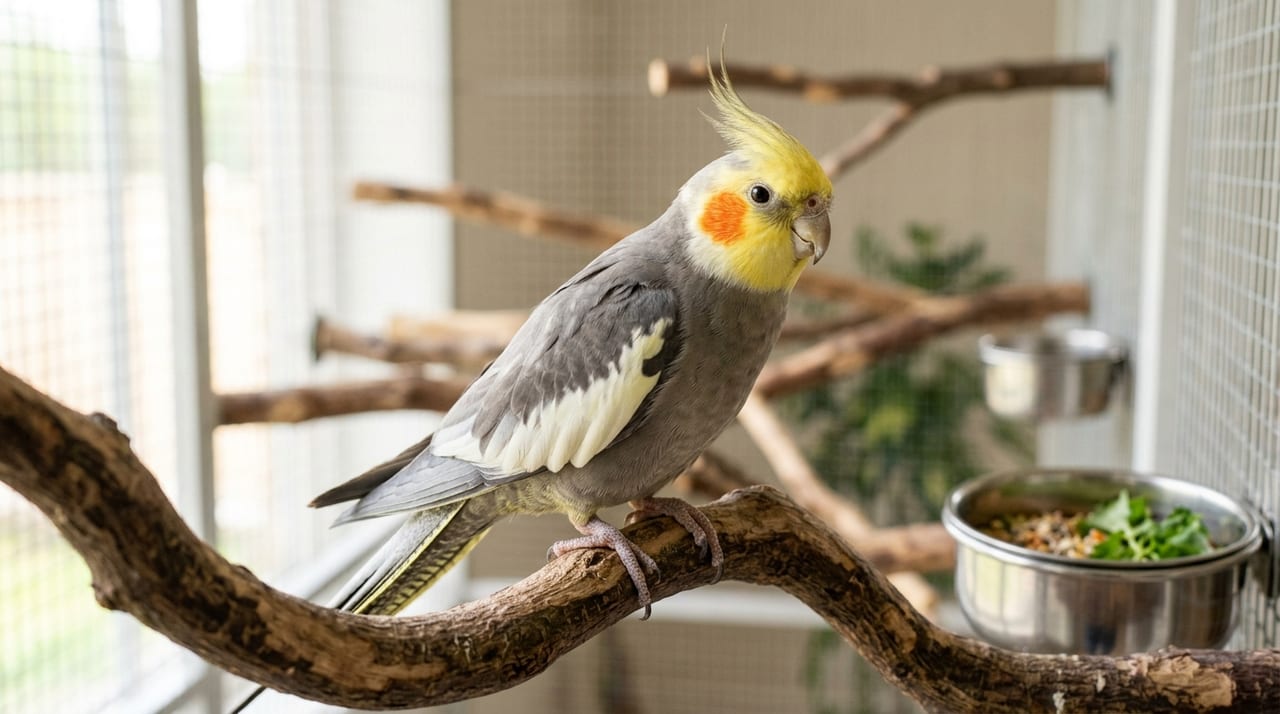
Key Takeaways
This guide explains in detail how to manage molting season, bathing frequency and methods, and the nutrients and diet needed to maintain healthy feathers in parrots and macaws. We also introduce signs of feather abnormalities and how to address them.
Related Species
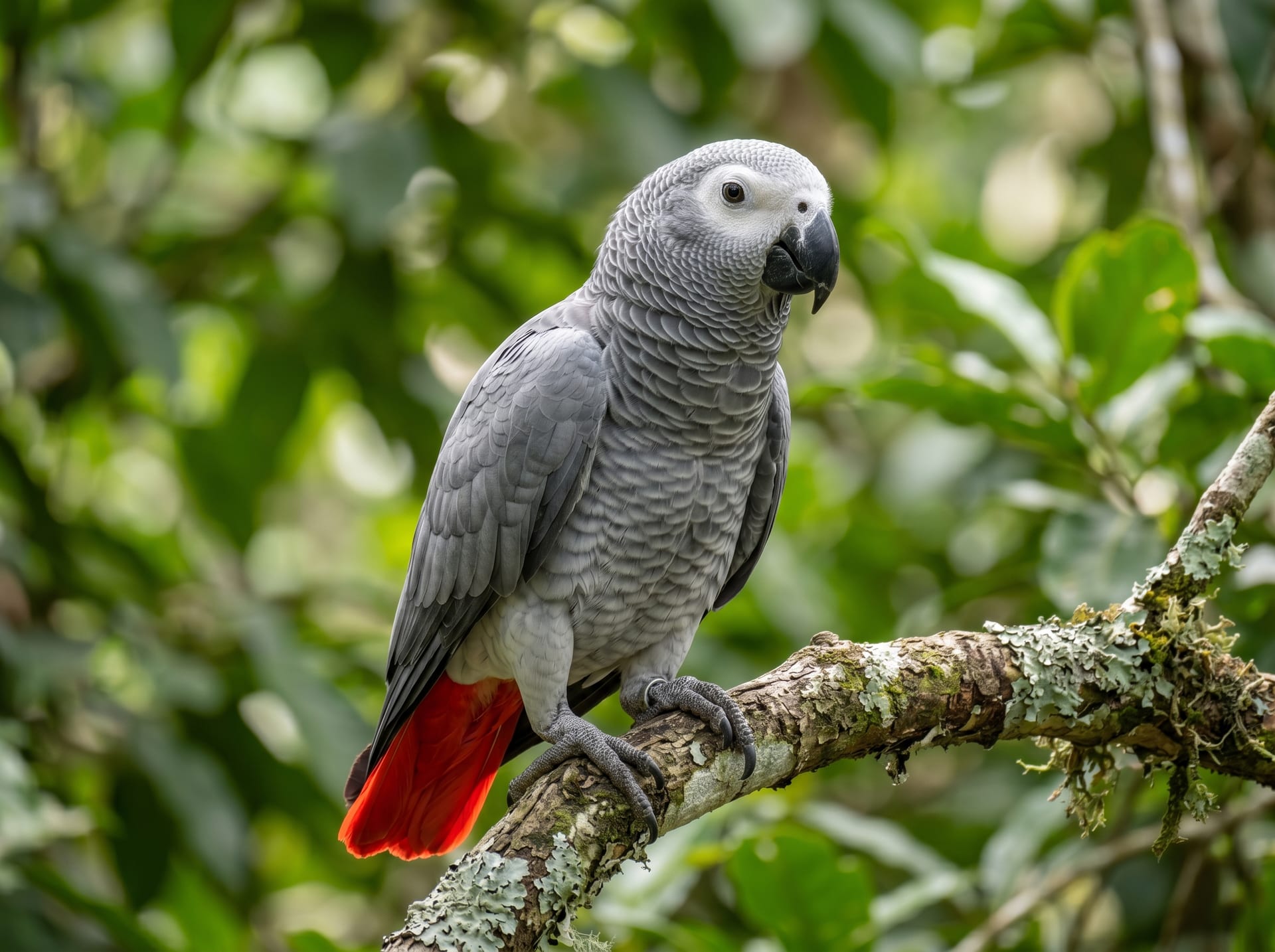
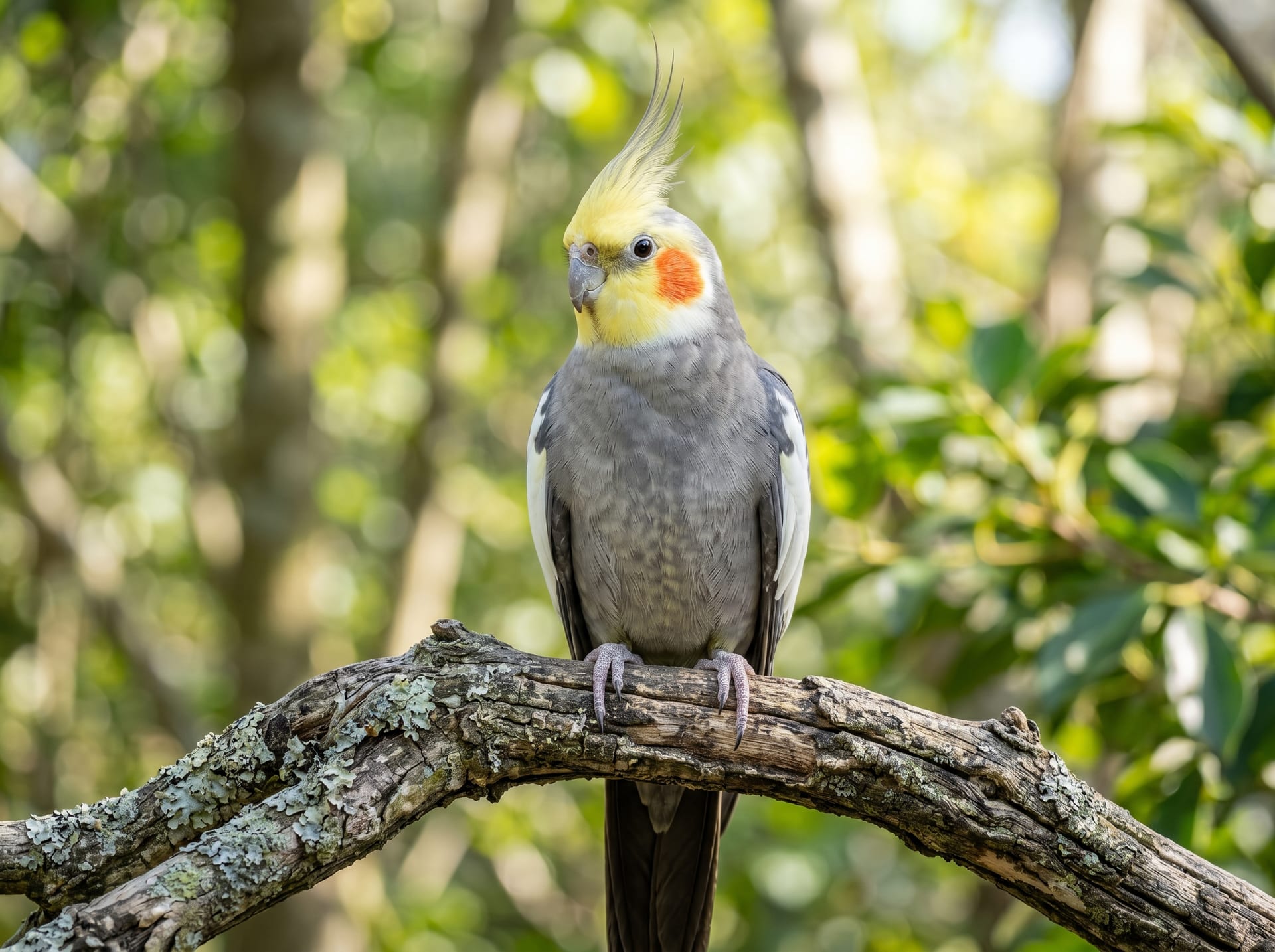
For parrots and macaws, feathers are vital organs involved in thermoregulation, flight, courtship, and communication. Clean and healthy feathers are a "barometer" that reflects the bird's overall health. This article compiles practical perspectives on molting management, bathing, and nutrition management to keep feathers healthy.
What is Molting (Moulting)?
Molting is a physiological process in which old feathers fall out and are replaced by new ones. In healthy birds, this occurs approximately 1–2 times per year and progresses slowly over weeks to months.
Characteristics of Molting Season
- Increased feather shedding accumulates at the bottom of the cage
- New feathers (pin feathers) emerge through the skin
- The bird may become moody and reluctant to be touched
- Appetite may increase slightly (because feather regeneration requires energy)
Pin feathers are thin tubular structures at the tip with blood vessels running through them. Forcing contact during this period can cause bleeding and pain. Pin feathers on the crown and back of the head are unreachable by the bird itself, so a trusted owner gently easing them with their fingers is appreciated.
Precautions During Molting Season
Molting consumes significant energy, so pay attention to the following:
- Avoid stressful environmental changes (relocation, introducing new birds)
- Provide adequate nutrition (see below)
- Keep room temperature stable and avoid temperature fluctuations (20–28°C is recommended)
- Record daily weight changes and do not miss signs of appetite loss or sudden weight loss (metabolism increases during molting, making weight management even more important than usual. Specific measurement methods are explained in detail in Parakeet and Java Sparrow Weight Management | Daily Measurement to Detect Health Changes)
Consult a veterinarian if you notice excessive molting, molting that does not end over a long period, or feathers that do not regrow.
Importance and Methods of Bathing
Bathing not only keeps feathers clean but also has significant benefits for skin hydration, feather conditioning, and mental refreshment.
Bathing Methods
Preferences vary by bird. Try several methods and find what your bird prefers.
Shallow container bathing Fill a tray or shallow dish with 2–3 cm of water and place it inside or outside the cage. Most parakeets will enter on their own. Tap water (at room temperature) is fine. Avoid hot or cold water.
Misting spray This method involves spraying a fine mist over the bird with a spray bottle. Birds may initially be frightened, so introduce it gradually from a distance. This is effective for species that dislike bathing in containers, such as cockatiels.
Shower (with the owner) For larger species such as parrots and macaws, it is common for the owner to bring the bird along during their own shower and rinse it with lukewarm water.
Bathing Frequency
2–3 times per week is a general guideline, but daily bathing is acceptable, especially in summer or during molting. It is important to dry thoroughly after bathing. Allow the bird to air-dry in a warm place without drafts. A hair dryer can be used on low and at a distance, but direct hot air is strictly prohibited.
Nutrients Needed for Feather Health
The main component of feathers is protein (keratin). During molting, supplementation with protein, vitamins, and minerals is especially important.
Protein
Good sources of quality protein include the following:
- Legumes (cooked edamame, lentils)
- Boiled eggs (yolk and white): a standard supplementary food during molting
- Low-fat cheese and unsweetened yogurt (in small amounts)
Vitamins
| Vitamin | Role | Main Food Sources |
|---|---|---|
| Vitamin A | Skin and feather health | Pumpkin, carrot, papaya |
| B vitamins | Metabolic support | Grains, legumes |
| Vitamin D₃ | Calcium absorption | Sunlight, specialized supplements |
| Vitamin E | Antioxidant and immune support | Dark leafy vegetables, sprouted grains |
Minerals
Calcium, magnesium, and zinc are essential for feather formation. Oyster shell powder and cuttlebone placed in the cage allow the bird to consume them as needed.
Foods to Avoid
- Avocado (toxic)
- Chocolate and caffeine
- Leeks and onions
- High-sodium processed foods
Signs of Feather Abnormalities and How to Address Them
Plucking Feathers (Feather Plucking)
Feather plucking is a serious behavioral problem seen in parrots and macaws, with causes including stress, boredom, skin disease, and malnutrition.
If you notice feather plucking, address it in the following order:
- Review the cage size and placement
- Increase opportunities for play and stimulation (toys, foraging activities)
- Identify sources of stress such as other birds or environmental changes
- Consult a veterinarian about possible skin disease or hormonal imbalance
Feather Color Changes
If white feathers become yellowish or a green bird turns brownish, nutritional deficiency (particularly vitamin A deficiency) or feather mite parasitism should be suspected.
Dull, Unkempt Feathers
This is a sign of nutritional deficiency, unsanitary conditions, or chronic stress. Start with dietary and environmental improvements, and seek a veterinary examination if the condition does not improve.
Summary
The basics of bird feather care are three points: "safely managing molting season," "maintaining cleanliness with regular bathing," and "supplementing nutrition with a balanced diet."
In addition to daily observation, making a habit of recording measurements such as weight makes it easier to detect abnormalities in feathers and health early. Glossy, beautiful feathers are a sign of a happy bird.