Complete Guide to Nest Box Types, Selection, and Breeding Setup | For Parakeets, Java Sparrows, and Cockatiels
A detailed guide to the types of nest boxes needed for breeding parakeets, Java sparrows, cockatiels and similar birds, how to choose them, installation methods, and breeding setup procedures. We also cover management tips before and after egg-laying and how to prepare the environment for chick rearing.
Key Takeaways
A detailed guide to the types of nest boxes needed for breeding parakeets, Java sparrows, cockatiels and similar birds, how to choose them, installation methods, and breeding setup procedures. We also cover management tips before and after egg-laying and how to prepare the environment for chick rearing.
Related Species
Why Nest Boxes Are Essential for Breeding
To successfully breed pet birds, providing a "nest" where the bird can feel secure to lay and incubate eggs is essential. In the wild, many species use tree cavities and rock crevices as nests, and in captivity, nest boxes that mimic these natural structures are the most common breeding aid.
By installing a nest box, the female recognizes it as an egg-laying site, which promotes egg-laying and incubation behavior. After chicks hatch, it also serves as a place for brooding and chick-rearing, which greatly affects breeding success rates.
As a principle, nest boxes should only be installed during breeding season. If they are installed year-round during normal care, they will trigger constant heat cycles, increasing physical stress on the female.
Main Types of Nest Boxes
Horizontal Nest Box (Container Type)
This is a horizontally-oriented nest box most commonly used for budgies. The entrance is on one side, and the interior has a nesting concave (depression).
Advantages: Easy to manage. Wide floor prevents eggs from rolling. Low visibility through the entrance helps the bird feel calm.
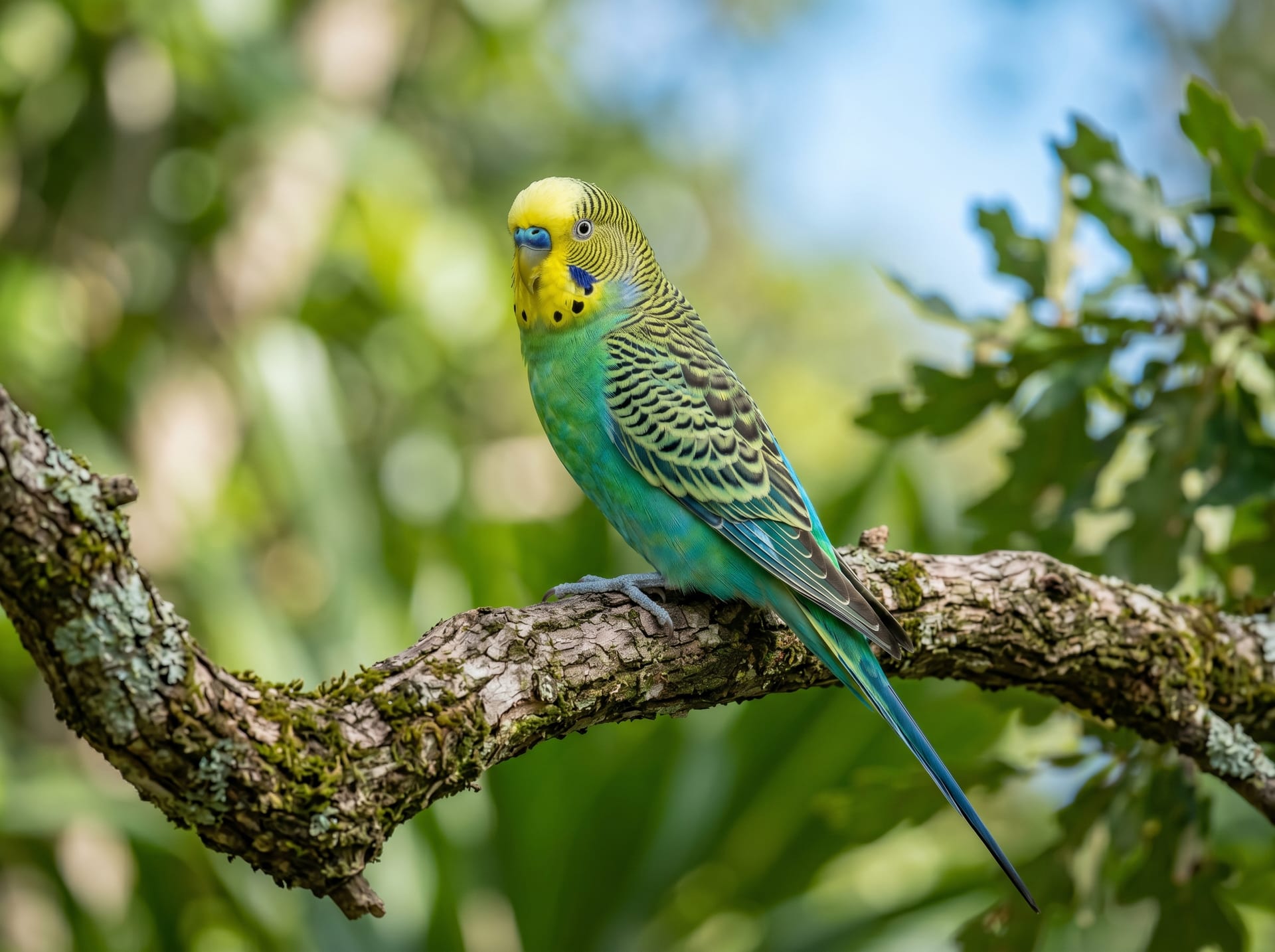
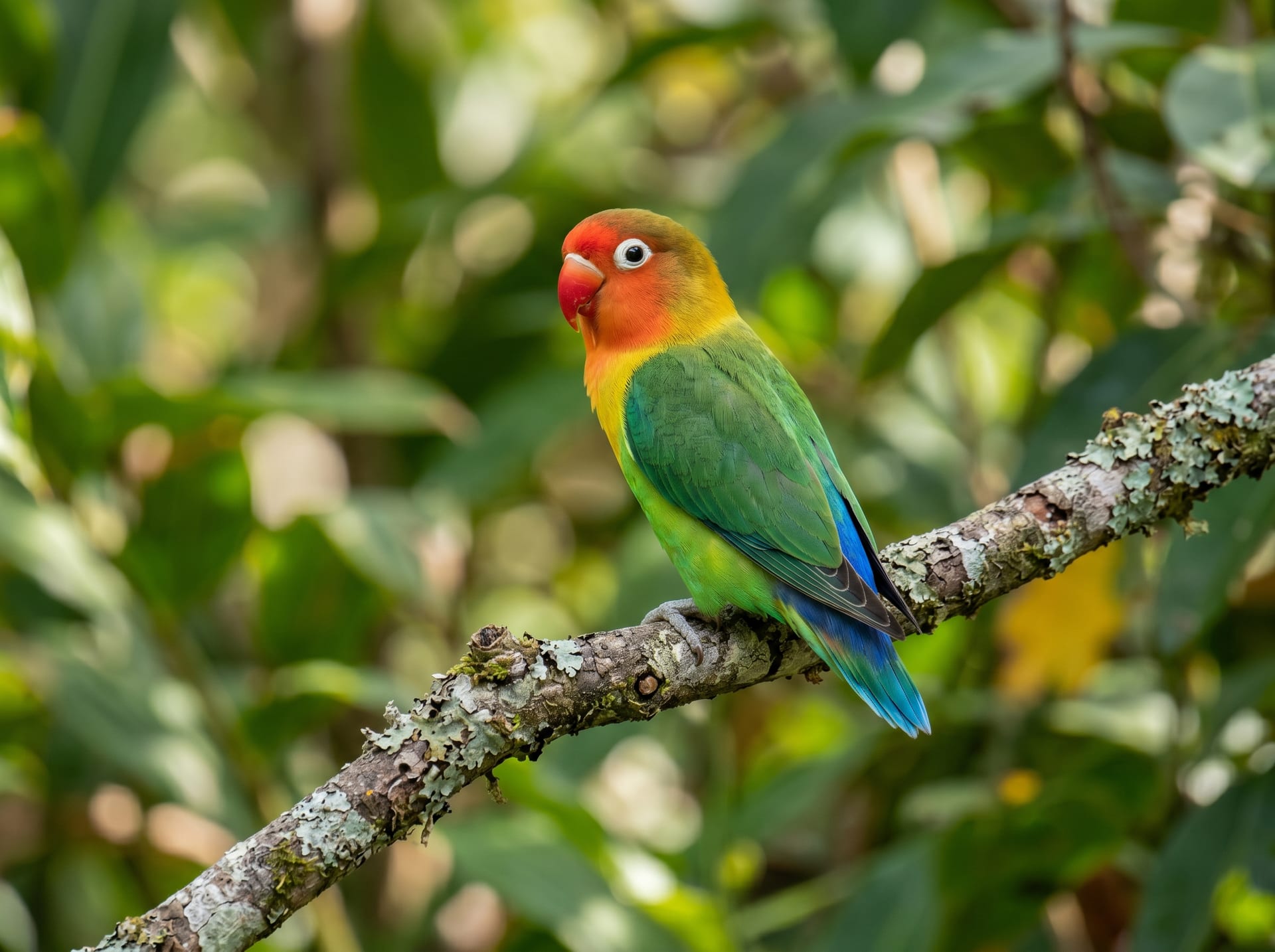
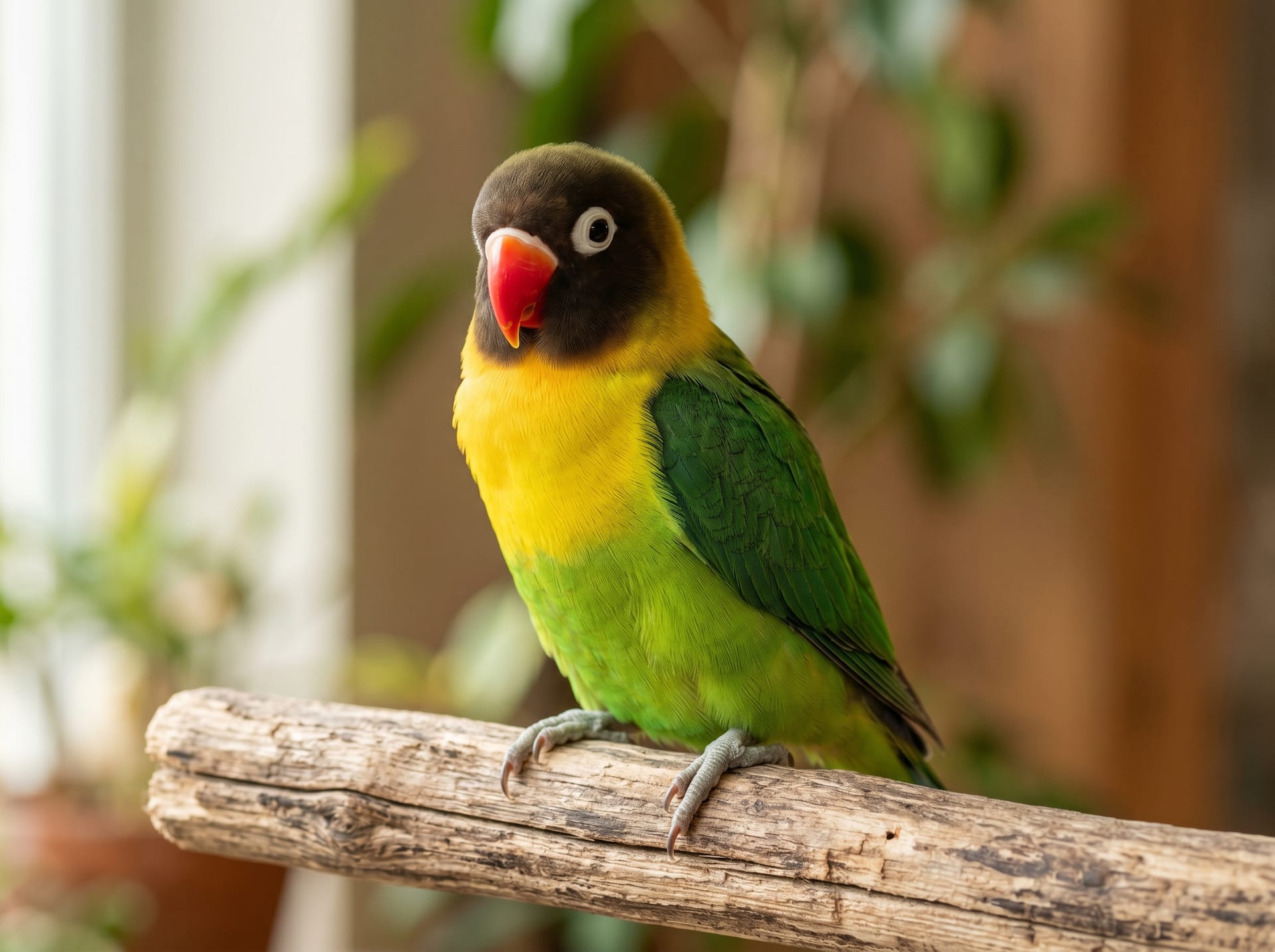
Suitable for: Budgies, peach-faced lovebirds, masked lovebirds
Vertical Nest Box (Tower Type)
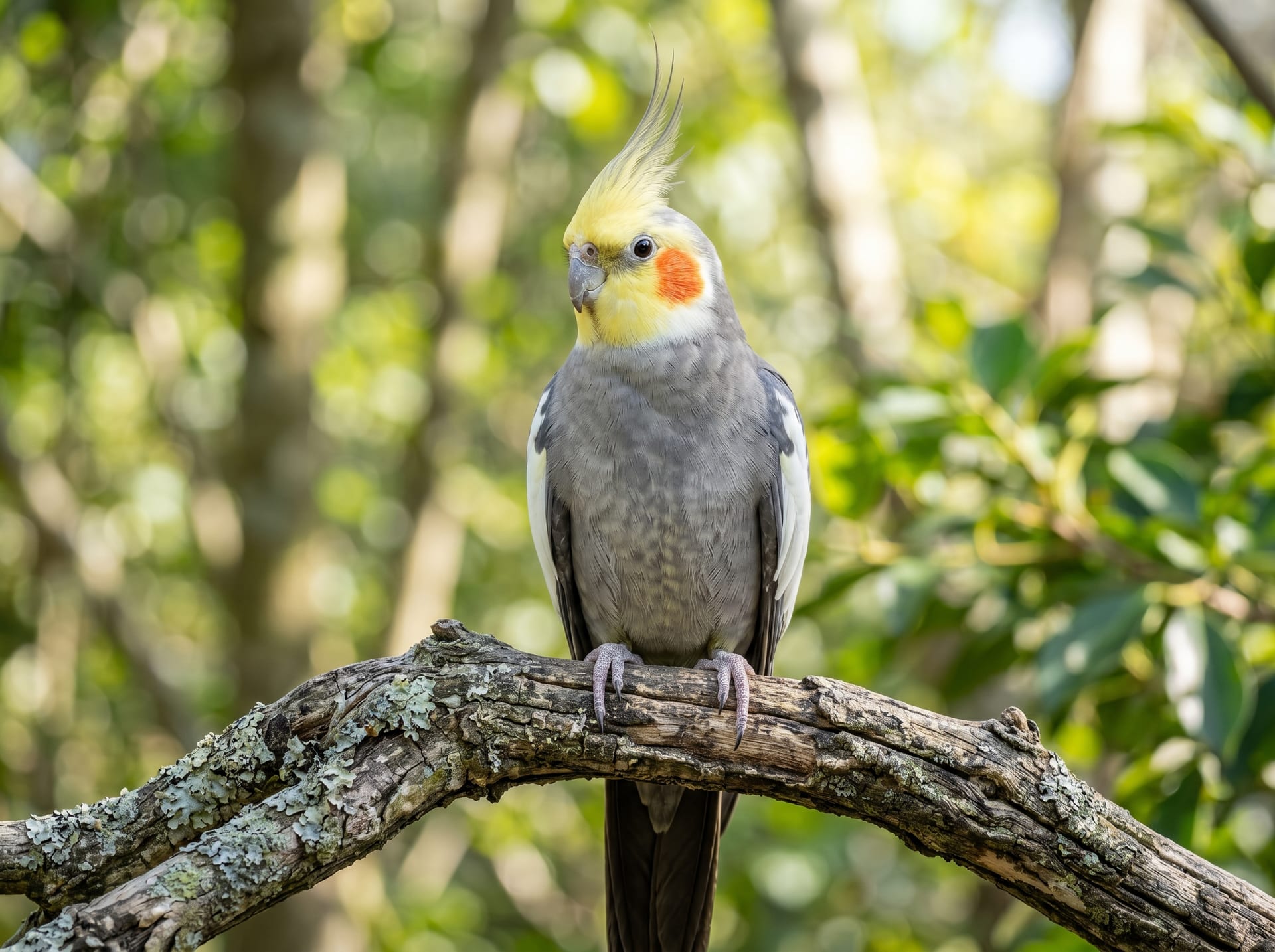
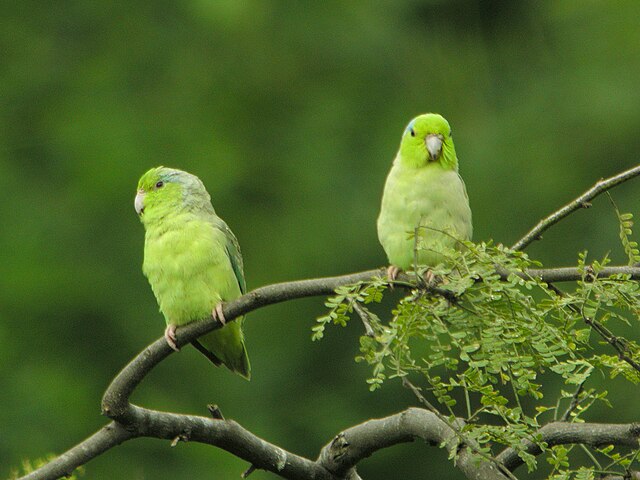
This is a vertically-oriented box with the entrance at the top. It has a structure similar to natural tree cavities and is suitable for many species including Java sparrows, parrotlets, and cockatiels.
Advantages: Chicks are less likely to fall from the nest entrance. Easy to attach a perch at the entrance.
Suitable for: Java sparrows, cockatiels, parrotlets, conure species
Y-shaped and L-shaped Nest Boxes (Corner Type)
Space-saving boxes installed in cage corners. Easy to attach to small cages.
Advantages: Takes up minimal space. Corners provide a secure area for birds.
Suitable for: Budgies, Bengalese finches
Nest Type (Semi-open Type)
Nest boxes with an open top or thin lid, used for sparrow and finch species.
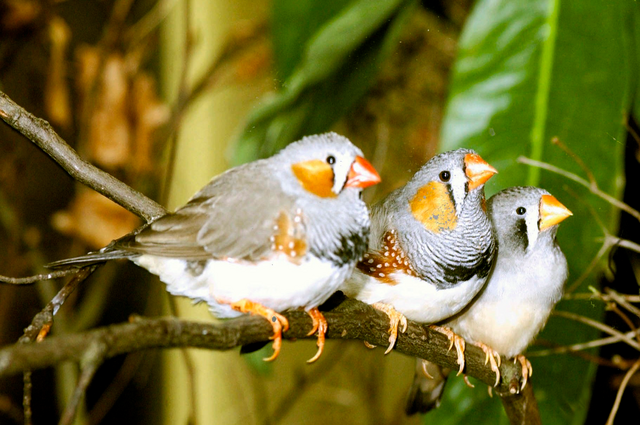
Suitable for: Bengalese finches, Bengal finches, Java sparrows
Nest Box Materials and Hygiene Management
Common materials are untreated wood (paulownia, cedar, pine). Avoid chemically treated wood and plywood as they may release harmful gases.
Plastic boxes are lightweight and easy to clean, but have poor insulation, risking overheating in summer and insufficient warmth in winter. Wood is superior in most situations.
Basic Hygiene Management
- Always remove the nesting material and thoroughly wash the box after breeding season
- Air dry in sunlight and store until the next breeding season
- Avoid excessive cleaning while chicks are present (parent birds may abandon the nest)
- Avoid placing in humid areas to prevent mold
Selecting and Preparing Nesting Material
The female will arrange nesting material according to her preference. Rather than forcing material into the box, provide the material and let the female arrange it herself.
- Dried hay (timothy grass, ryegrass): Safest and most versatile option
- Cotton (unraveled): Soft with good insulation, but watch for risk of tangling in feet
- Coconut fiber mat: Excellent moisture absorption and ideal as a base material
- Wood shavings (untreated): Pet shavings from maple and walnut wood. Avoid cedar and pine varieties
Installation Position and Setup Procedure
Basic Installation Position
- Top of cage: Higher placement provides security. However, leave about 10cm of clearance from the ceiling as ventilation becomes poor near the top
- Sunlight: Install in a location away from direct sunlight
- Secluded location: Avoid areas with frequent movement of other pets or people
Setup Procedure
- Install the nest box 1-2 weeks before breeding season (typically spring and autumn)
- For the first few days, install it in an easy-to-observe position to confirm the pair recognizes it
- Scatter a small amount of nesting material in the cage and observe if the female carries it
- When the female starts entering and exiting the nest box, it's a sign that breeding preparations are underway
- After egg-laying begins, refrain from adding extra nesting material and maintain a quiet environment
Management Tips After Egg-laying
Once egg-laying is confirmed, follow these guidelines:
Minimize handling: Excessive interference is the primary cause of parental abandonment. One or two daily checks are sufficient.
Temperature control: Newly hatched chicks cannot regulate their own body temperature. Maintain room temperature at 25-28°C and avoid direct air conditioning airflow or sudden temperature changes.
Supplemented feeding: Provide breeding pairs with meals enriched with extra calcium and protein. Hard-boiled egg whites, oyster shells, and cuttlebone powder are effective.
Hatch confirmation: Eggs hatch 12-18 days after laying (varies by species). Consider removing infertile eggs after 21 days from laying.
Summary
Selecting the right nest box requires considering your pet's species, cage size, and your breeding experience. Start with a standard horizontal or vertical wooden nest box and adjust based on the bird's response. The key to breeding success lies in three pillars: "appropriate nest box × quiet environment × nutritional support".