Source: Wikimedia Commons
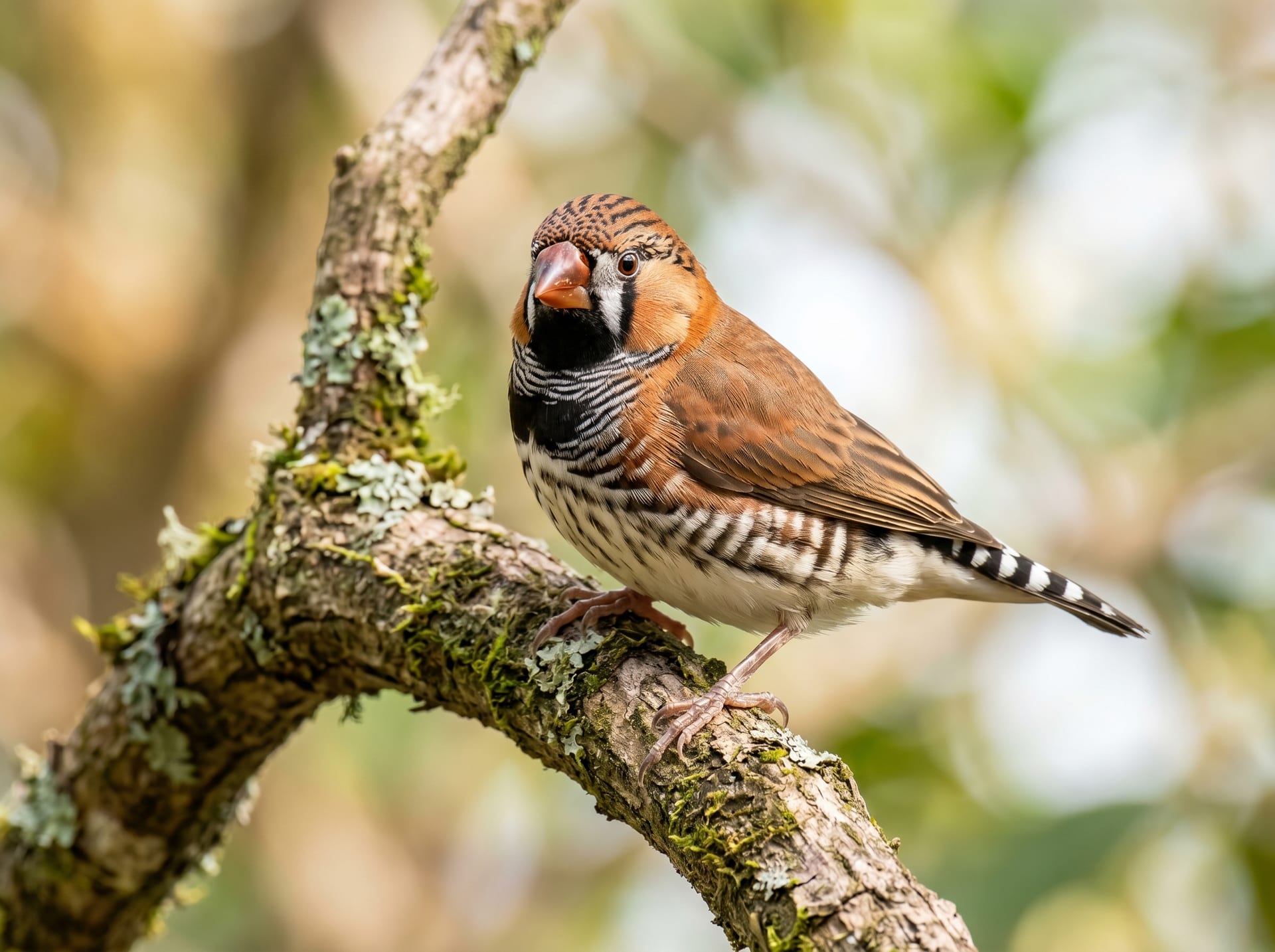
Zebra Finch
BeginnerTaeniopygia guttata
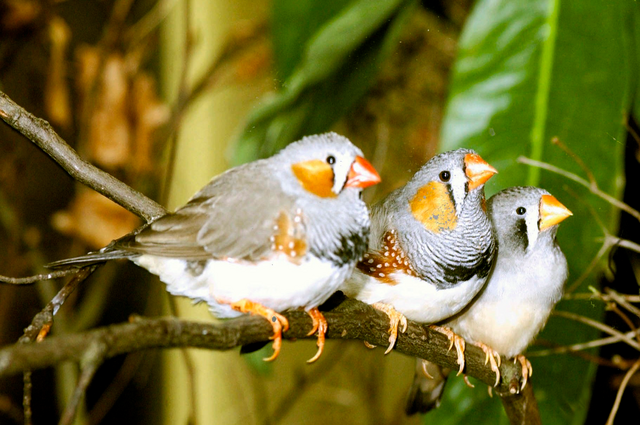
One of the easiest finches to keep. Males have distinctive orange cheek patches. Hardy, easy to breed, quiet voice.
Difficulty
Beginner
Temperature
15〜30℃
Lifespan
5-8 years
Size
10-12cm
Humidity
40〜60%
Diet
Finch seed mix, greens
About
The zebra finches are two species of estrildid finch in the genus Taeniopygia found in Australia and Indonesia. They are seed-eaters that travel in large flocks.
Source: Wikipedia (CC BY-SA 4.0)
Lifespan of the Zebra Finch
The Zebra Finch lives 5-8 years.
Size of the Zebra Finch
The Zebra Finch grows to 10-12cm.
Temperature & humidity for the Zebra Finch
The ideal temperature for the Zebra Finch is 15〜30℃.
Basic Info
Origin
Australia and Indonesia
Lifespan
5-8 years
Size
10-12cm
Temperature
15〜30℃
Humidity
40〜60%
Diet
Morphs (Varieties)
Representative color morphs of the Zebra finch. Sex-linked inheritance is noted as recessive in this schema.
RecessiveVisual only with two copies; one copy = het (carrier).
WhiteFawnPiedChestnut-flanked WhiteBlack-face
A curated selection of notable morphs. Inheritance modes are a breeding-planning guide; actual appearance varies with combos.
References & Sources
Edited & verified by: BreederDirect editorial team
The taxonomic, regulatory, and husbandry data on this page are compiled and verified against the authoritative primary sources below.
Primary sources
Taxonomy & Authority
Accepted name: Taeniopygia guttata (Vieillot, 1817)
Synonyms: Fringilla guttata, Poephila guttata
Authority databases: GBIF
Nomenclature follows global taxonomic authority databases.
Regulations & Conservation Status
IUCN LC · Least Concern
Taeniopygia guttata (Zebra finch). IUCN Least Concern (LC).
Sources: BirdLife DataZone
Regulations may change. Always verify the latest information with the relevant authorities.
Zebra Finch Listings
Loading latest listingsFind listings for this species