Finch Aviary (Outdoor Bird House) Installation Guide | Enjoying Aviary Keeping in Flocks
Explanation of how to set up an outdoor aviary for finches. Introduction to bird house design, planting, safety measures, and compatible species combinations.
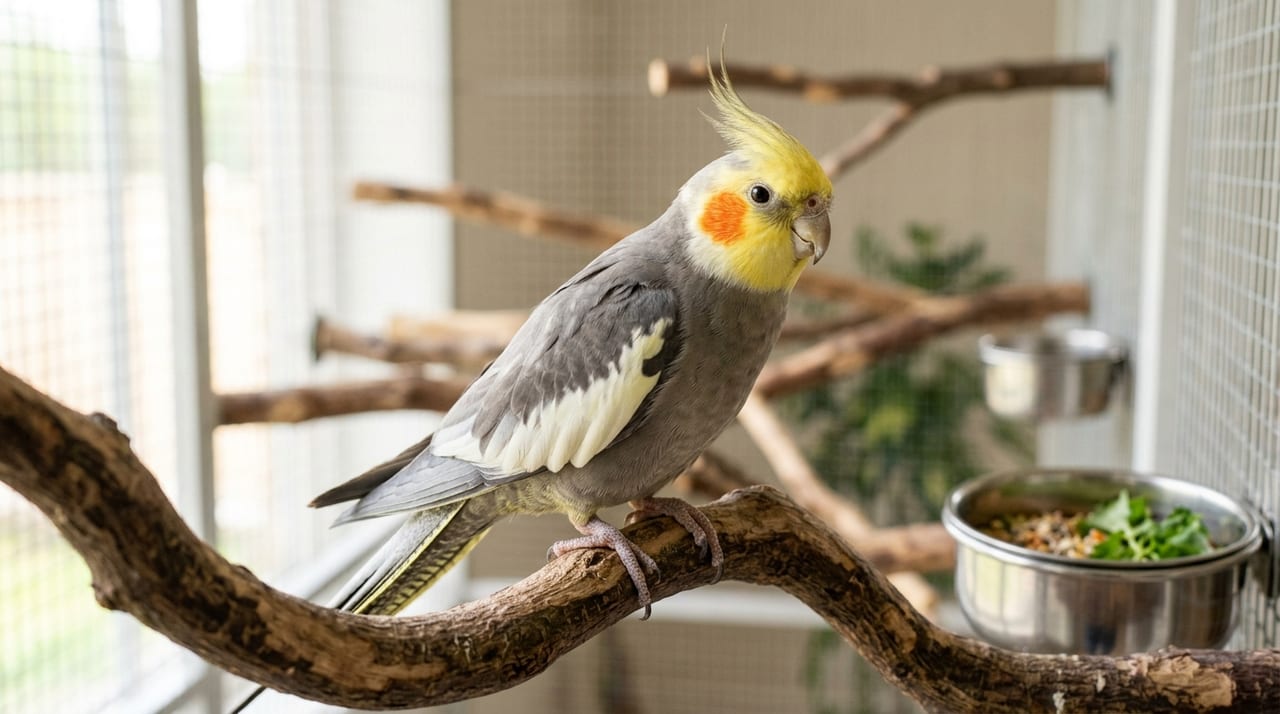
Key Takeaways
Explanation of how to set up an outdoor aviary for finches. Introduction to bird house design, planting, safety measures, and compatible species combinations.
Related Species
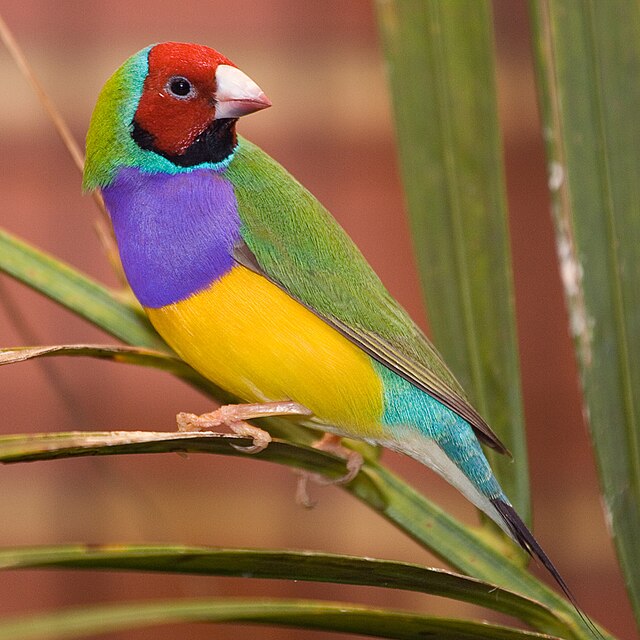
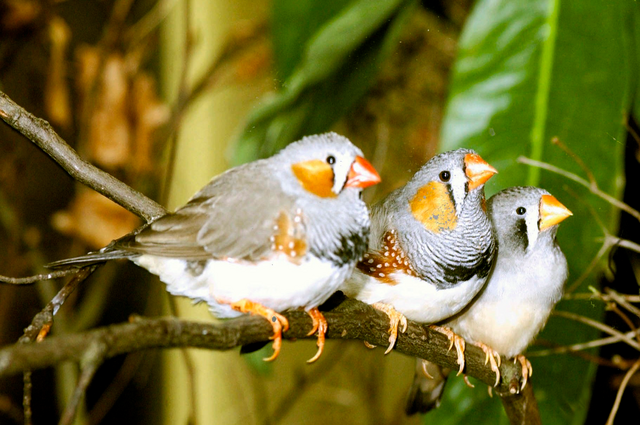
The charm of finches lies in their lively presence as they fly around in flocks. While cage keeping is enjoyable in itself, installing an outdoor bird house (aviary) creates an ideal environment where multiple birds can fly freely in natural light and where you can observe their natural behaviors such as foraging and nesting. This article provides clear guidance for beginners on everything from aviary design to species selection and seasonal management methods.
Aviary Design and Basic Structure
When building an aviary, the first decision is the size and materials for the frame. Although finches are small birds, ample space is essential for them to fly in flocks. As a minimum guideline, aim for 2m width × 1m depth × 2m height, and the larger the space, the better the stress reduction and more natural behaviors you'll observe.
Choosing the Frame and Mesh
Frames are typically made of wood or aluminum. Wood is cost-effective but requires protective weatherproof coating to prevent rot. Aluminum offers superior durability and requires less long-term maintenance.
Choose mesh with openings of 1cm or smaller so finches cannot pass through. Gaps that allow sparrows or wild birds to enter can cause infections and territorial conflicts. Stainless steel mesh is rust-resistant and more hygienic.
Roof and Floor Design
The roof doesn't need to cover the entire aviary, but covering approximately one-third of the total area provides shelter from rain and wind. Placing feed boxes and water stations under the roofed section maintains hygiene even in rainy weather.
Leaving the floor as bare soil makes it easier for plants to take root, but you can prevent rodents and moles by burying mesh 10-15cm underground or pouring concrete as pest control.
Thorough Predator and Pest Control
The greatest risk of outdoor placement is predators such as cats, crows, snakes, and rodents. Finches are very timid birds, and even the mere presence of predators outside can cause severe stress, potentially leading to cessation of egg-laying and abandonment of chicks.
- Double mesh: Install mesh on both the outside and inside so hands and claws cannot reach the interior
- Airlock entrance: Use a double door (vestibule) to prevent escapes and predator entry during access
- Nighttime security: Install shades or visual barriers on the outside at night to block predators' approach
- Repellents: Placing natural deterrents around the aviary that cats and snakes dislike can also be effective
The principle of predator control is "be extra careful." Even one breach can traumatize the birds, so carefully verify everything before installation.
Creating a Natural Environment with Planting
One of the joys of aviary keeping is the ability to plant vegetation and create a space close to a natural ecosystem. Since finches have a habit of building nests in dense vegetation, appropriate planting can also promote breeding.
Recommended Plants
- Shrubs: Willow, bamboo, etc. — branches serve as nesting material, and birds can nest safely in dense vegetation
- Grasses: Millet, barnyard grass, sorghum, etc. — seed heads become natural food
- Seasonal flowers: Small insects attracted to flowers provide protein during breeding season
Plants to Avoid
Care must be taken to avoid toxic plants. Hydrangea, lily of the valley, oleander, and some olive varieties can cause poisoning in finches. Always verify the safety of plants before introducing them.
Compatible Species and Mixed Housing Guidelines
When housing multiple species together, determining compatibility is crucial. The basic rule is to choose peaceful species, but with sufficient space, diverse combinations are possible.
| Species | Temperament | Compatibility |
|---|---|---|
| Bengalese Finch | Most docile and social | Can coexist with nearly all species |
| Gouldian Finch | Active but gentle | Excellent compatibility with Bengalese Finches |
| Scarlet Finch | Beautiful but cold-sensitive | Requires warm climate and temperature control |
| Java Sparrow | Somewhat assertive | Possible with sufficient space |
During breeding season, territorial instincts increase, so install more nesting boxes than pairs and distribute them to prevent any single pair from monopolizing them. When adding new individuals, always allow a trimming and quarantine period (1-2 weeks) before integration. If you want to add a distinctive species like the African Fire Finch, refer to "African Fire Finch Care Guide" for more information.
Seasonal Maintenance and Health Management
In outdoor keeping, how you respond to seasonal changes directly affects bird health.
Winter Cold Protection
Low temperatures are detrimental to all finches. Particularly for Scarlet Finches and similar species, temperatures below 5℃ can be dangerous. Combine the following measures for winter protection:
- Cover the sides and roof of the aviary with vinyl sheets to improve insulation
- Install a panel heater in the roofed area (be careful about overheating; thermostat is essential. Detailed guidance on heater selection is available in "Bird Heater Selection and Temperature Management Guide")
- Move cold-sensitive species to an indoor cage from November through March
Summer Heat and Hygiene
Japanese summers are hot and humid, which simultaneously increases the risk of heatstroke and infection.
- Provide a way to guide birds to shaded areas during peak sunlight hours (10am-3pm)
- Replace water stations 1-2 times daily, and regularly wash and disinfect containers
- Keep the ground well-drained to prevent parasites like coccidiosis from thriving in damp conditions
BreederDirect's Safety and Assurance System
Once your aviary is set up, the fun challenge becomes deciding which species to add and how many. BreederDirect features healthy finches bred and directly sold by breeders nationwide, ensuring clear sourcing and peace of mind.
- Consult directly with breeders: Easily ask questions about species compatibility and housing environments
- Health transparency: Verify breeding conditions and care directly from the breeder
- Diverse species selection: Wide range of aviary-suitable species including Bengalese Finches, Gouldian Finches, and Scarlet Finches
While aviary keeping requires initial investment, watching finches freely fly in flocks provides a different kind of joy than cage keeping. Start by exploring species on BreederDirect while beginning your ideal outdoor aviary setup.