Bird Heater Selection & Temperature Management Guide|How to Use Panel Heaters, Heat Lamps & Thermostats
A guide to selecting and properly using heat lamps for pet birds (parakeets, macaws, Java sparrows, etc.). Compare the features of panel heaters, heat lamps, and far-infrared heaters, with practical guidance on thermostat settings and seasonal temperature management.
Key Takeaways
A guide to selecting and properly using heat lamps for pet birds (parakeets, macaws, Java sparrows, etc.). Compare the features of panel heaters, heat lamps, and far-infrared heaters, with practical guidance on thermostat settings and seasonal temperature management.
Why Temperature Management Is Critical
✍️
BreederDirect Editorial
The BreederDirect editorial team specializes in care information for animals, covering veterinary care and breeding to deliver beginner-friendly guides.
Find Birds on BreederDirect
Buy directly from verified breeders
Browse Related Listings
Find Birds listings related to this article on BreederDirect. Buy directly from verified breeders.
Related Tools
Related Articles
Browse by Category
🪸Coral
🐠Marine Fish
🐟Tropical Fish
🐡Goldfish
🐟Medaka
🦎Reptiles
Share
Pet birds such as parakeets, macaws, and Java sparrows are largely from tropical to subtropical regions, where they inhabit stable temperature environments year-round in the wild. In Japan's winter (especially at night and early morning), temperatures can drop dangerously for many species, and attempting to overwinter without proper heating measures increases the risk of hypothermia, immune suppression, and infection.
Temperature management is particularly essential for the following individuals:
Juvenile birds and chicks being hand-fed (thermoregulation is underdeveloped)
Birds during and after illness (weakened and more sensitive to cold)
Senior birds (decreased metabolism makes maintaining body temperature difficult)
Small species in general (high surface-area-to-volume ratio causes rapid heat loss)
Types and Characteristics of Major Heating Systems
Characteristics: A type mounted on the outside of the cage that warms through radiant heat. Common brands in Japan include Sanko Shoukai's "Panel Warmer" and TOKUYO products.
Advantages:
No direct heating of the cage interior minimizes burn and electrical shock risks
Design limits direct contact between bird and heater
No bulb replacement needed, keeping maintenance costs low
Quiet operation
Disadvantages:
Temperature rise is gradual (lacks immediate effect)
Difficult to warm the entire cage evenly (tends to create localized heating)
Best for: Routine supplemental heating and preventing nighttime temperature drops
Heat Lamps (Heat Bulbs / Infrared Bulbs)
Characteristics: A lamp-type heater mounted inside the cage. Uses incandescent or infrared bulbs to provide localized heating through light and heat.
Advantages:
Fast heating speed allows rapid temperature increases
Creates hot spots (warm areas) within the cage
Readily available and inexpensive
Disadvantages:
Light-producing models may disrupt day-night cycles (infrared-only lamps produce minimal light)
Bulbs have limited lifespan and require periodic replacement
Direct contact with hot areas poses burn risk (guards are essential)
Best for: Primary heating in cold climates and intensive warming for sick birds
Far-Infrared Heaters (Ceramic Heaters)
Characteristics: Heats using only non-emissive far-infrared rays. Reptile heaters can also be used for bird care.
Advantages:
Produces no light, minimizing disruption to day-night cycles
Radiant heat penetrates deeply into bones (provides enhanced warmth sensation)
Long lifespan
Disadvantages:
More expensive than standard heat lamps
Extremely hot to touch (guards are essential)
Best for: Nighttime or 24-hour heating requirements
Thermostat Necessity and Setup
Using heating systems in combination with a thermostat prevents heat stroke and excessive drying from overheating. Heat lamps in particular can run continuously at full power if used alone, leading to cage temperatures exceeding 40°C.
Recommended Temperature Settings by Species
Species
Ideal Temperature
Notes
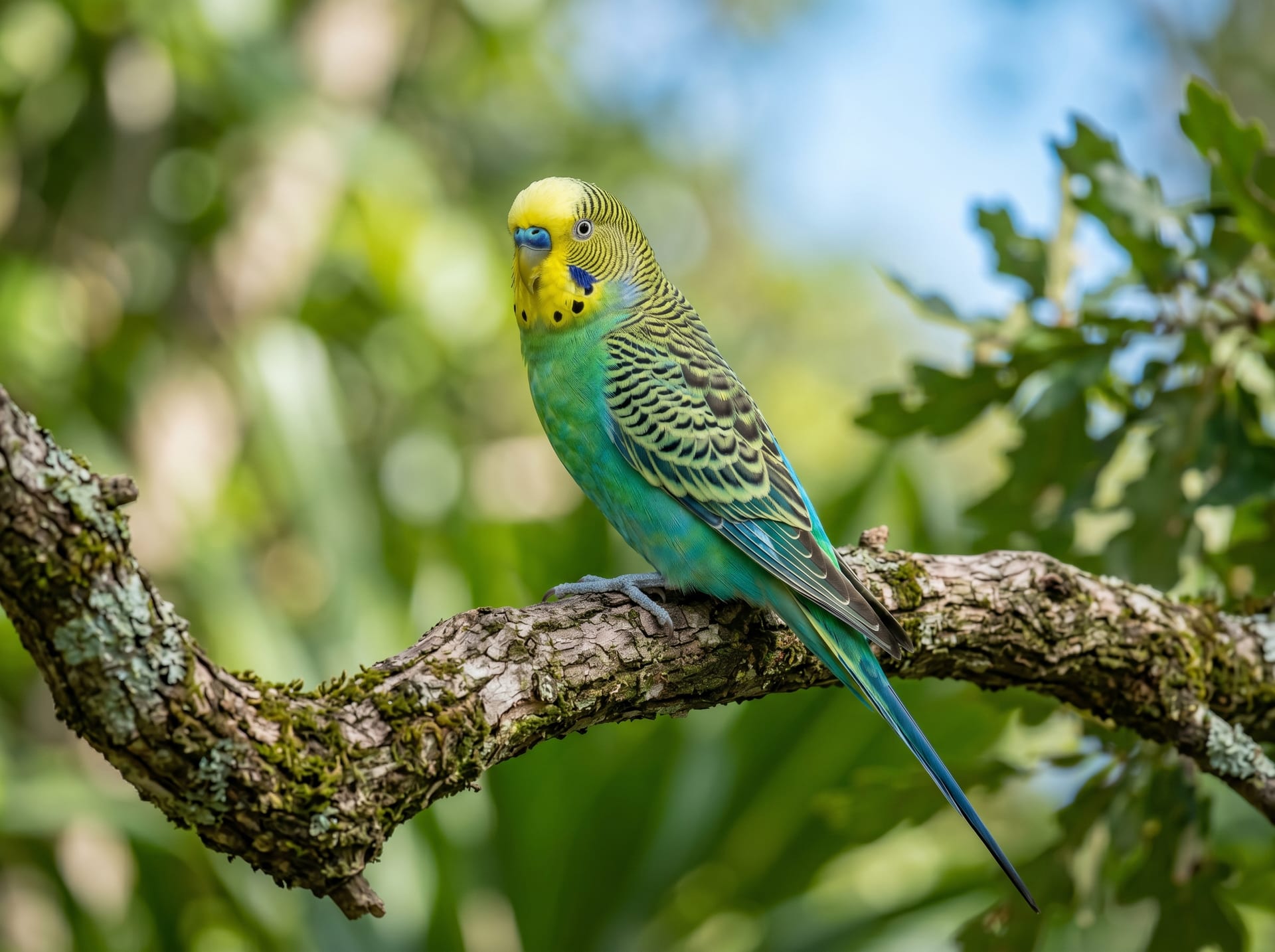
Budgerigar
20–25°C
Heating required below 18°C
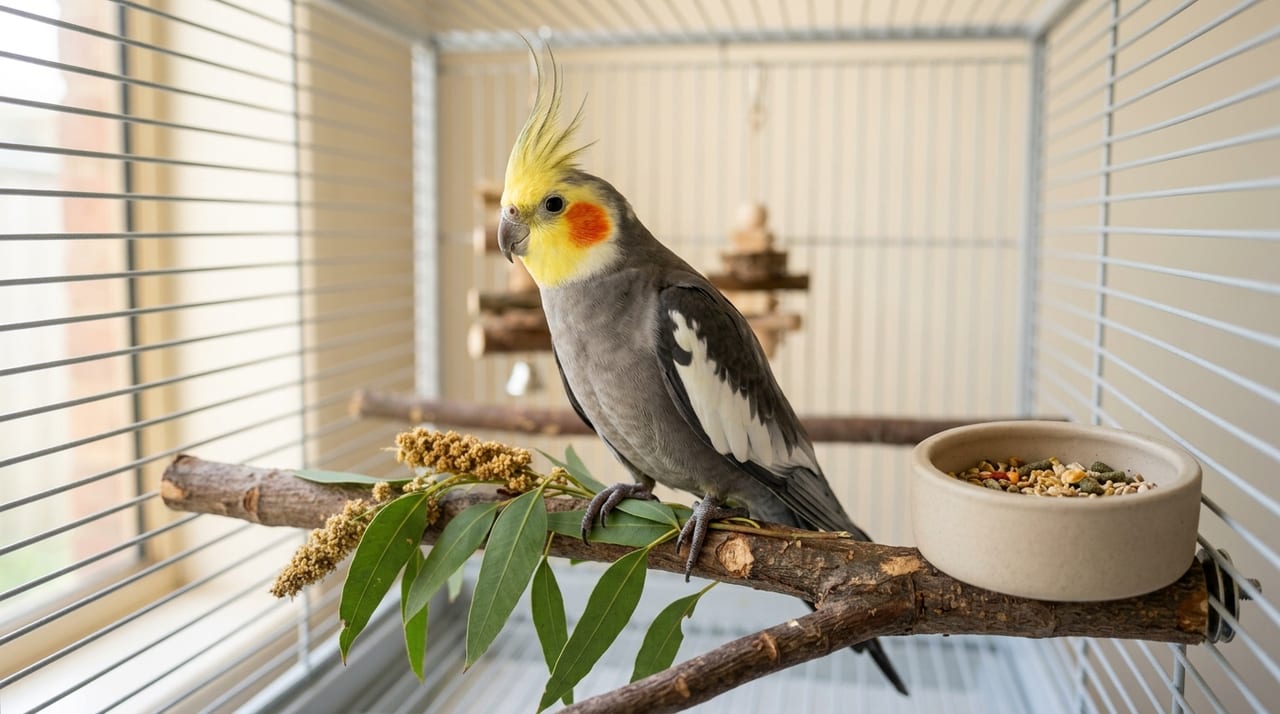
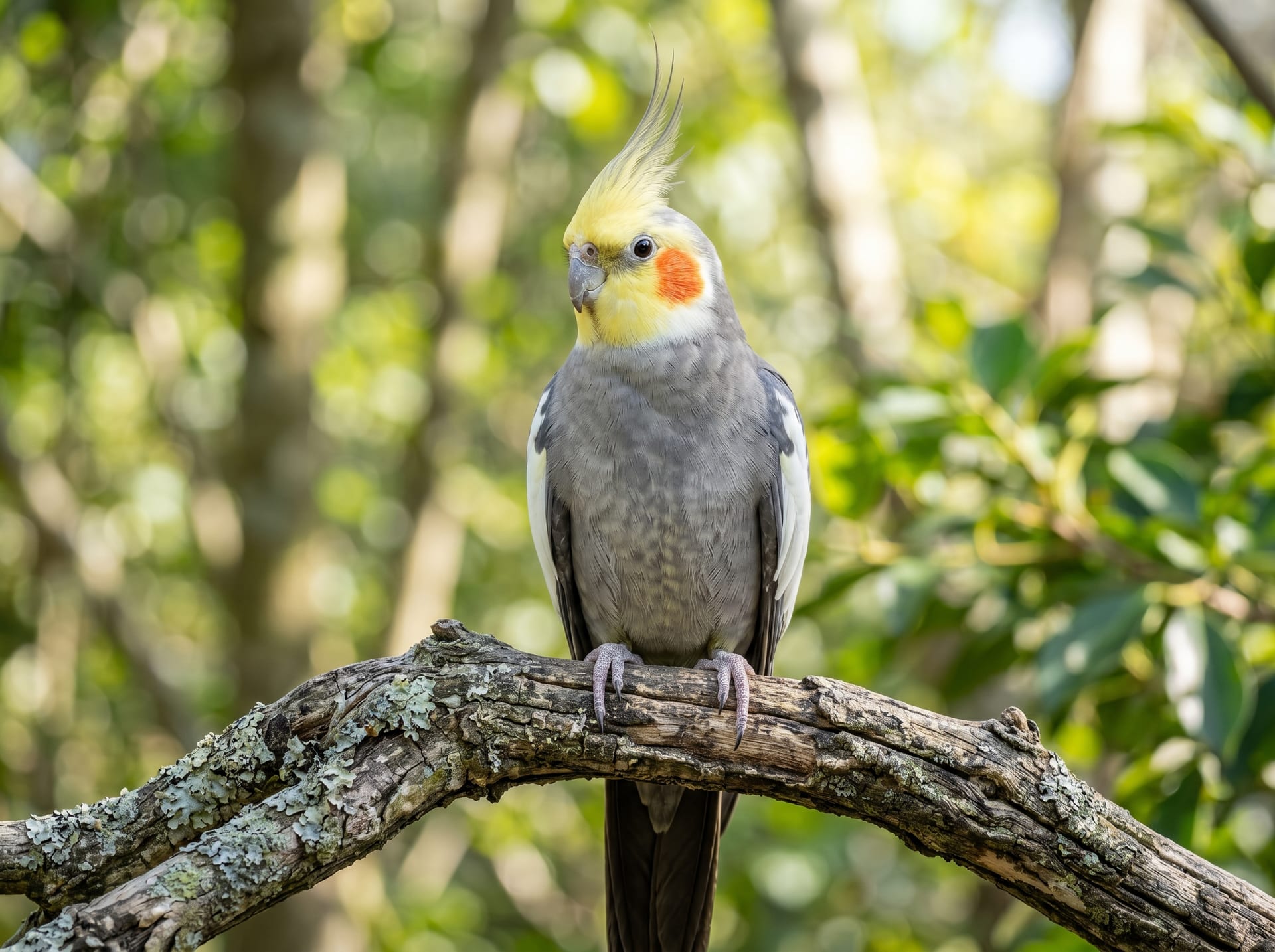
Cockatiel
20–25°C
Healthy birds can tolerate 18°C
Java Sparrow
22–27°C
Sensitive to cold; avoid below 20°C
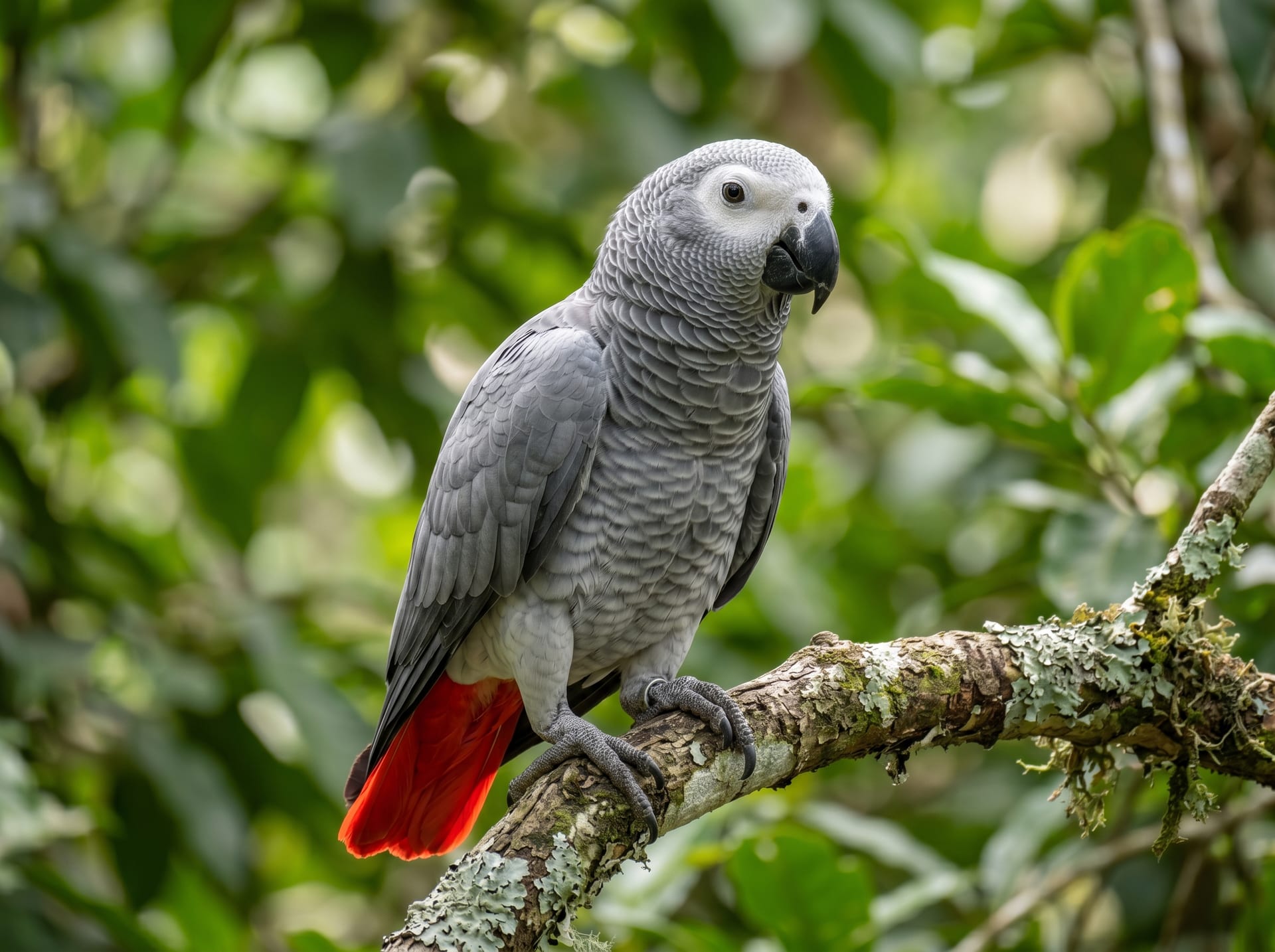
Parrot / Macaw
18–26°C
Large species have slightly higher cold tolerance
Chicks / Sick birds
28–33°C
Fine-tune based on individual needs
How to Use a Thermostat
Place the sensor (probe) inside the cage, in the bird's active area (near perches)
Set the target temperature (refer to the guidelines above)
Connect the heater to the thermostat outlet
For the first week, verify cage temperature with an actual thermometer and fine-tune settings
Seasonal Heating Plans
Spring & Autumn (Temperatures 10–20°C)
Though daytime is warm, pre-dawn temperatures drop significantly during these seasons. Combining a timer to provide supplemental heating from late night until 7 AM is effective. Sharp temperature fluctuations can trigger illness, so minimize temperature changes around the cage.
Winter (Temperatures 0–10°C)
Even indoors, unheated bedrooms can see nighttime temperatures drop to 5–10°C. Permanent installation of a panel heater plus thermostat is essential. Also prepare a backup for power outages (such as placing disposable hand warmers outside the cage).
Summer (Temperatures Over 30°C)
In summer, preventing overheating is more important than heating. Even with the heater off, direct sunlight can raise cage temperatures above 40°C. Basic management involves shading curtains and air conditioning (around 28°C).
Using Heating Cases (For Sick Birds & Chicks)
Commercial "small animal heating cases" (such as Vivaria's thermoplates) are designed to warm the entire case evenly, making them ideal for managing hand-fed chicks and sick birds. Plastic cases with external heater attachments are easy to use and clean.
Common Mistakes and Solutions
Mistake 1: The entire cage is heated uniformly
Birds have an instinct to move to "cool areas" for thermoregulation. Create a temperature gradient in the cage (warm and cool zones) to allow birds to choose where they want to be.
Mistake 2: No heating at night
Most illness and mortality occur from sudden pre-dawn temperature drops. Simply using a timer to provide heating from 10 PM to 8 AM significantly reduces risk.
Mistake 3: Using heat lamps without a thermostat
Cage temperatures can exceed 35–40°C, causing fatal heat stroke. Always use a thermostat with heat lamps.
Summary
Temperature management is fundamental to pet bird health; failures in temperature control from fall through winter are among the year's leading causes of illness and death. While panel heaters and thermostats require initial investment, they easily pay for themselves compared to veterinary costs and shortened lifespans from stress. Learn the proper temperature range for your species and make seasonal heating management a habit.