Complete Guide to Traveling with Birds | How to Find Pet-Friendly Accommodations and Care During Travel
From preparation for traveling and outings with your beloved bird, to how to find pet-friendly accommodations and safety management during travel, we provide a thorough explanation.
Key Takeaways
From preparation for traveling and outings with your beloved bird, to how to find pet-friendly accommodations and safety management during travel, we provide a thorough explanation.
Related Species
Many bird owners want to travel with their beloved birds. Compared to dogs and cats, there is still limited information about "traveling with birds," but with proper preparation, safe and enjoyable travel is possible. This article provides a detailed explanation from bird travel planning to finding accommodations, care during travel, and precautions at your destination.
Birds Suited for Travel and Birds Not Suited for Travel
Not all birds are suitable for travel. Whether they are resilient to movement and environmental changes varies greatly from individual to individual.
Birds relatively suited for travel include the following.
- Birds accustomed to outings (visits to the veterinarian) on a regular basis
- Hand-tame birds that have built a strong trust relationship with their owners
- Birds with curious personalities that adapt easily to new environments
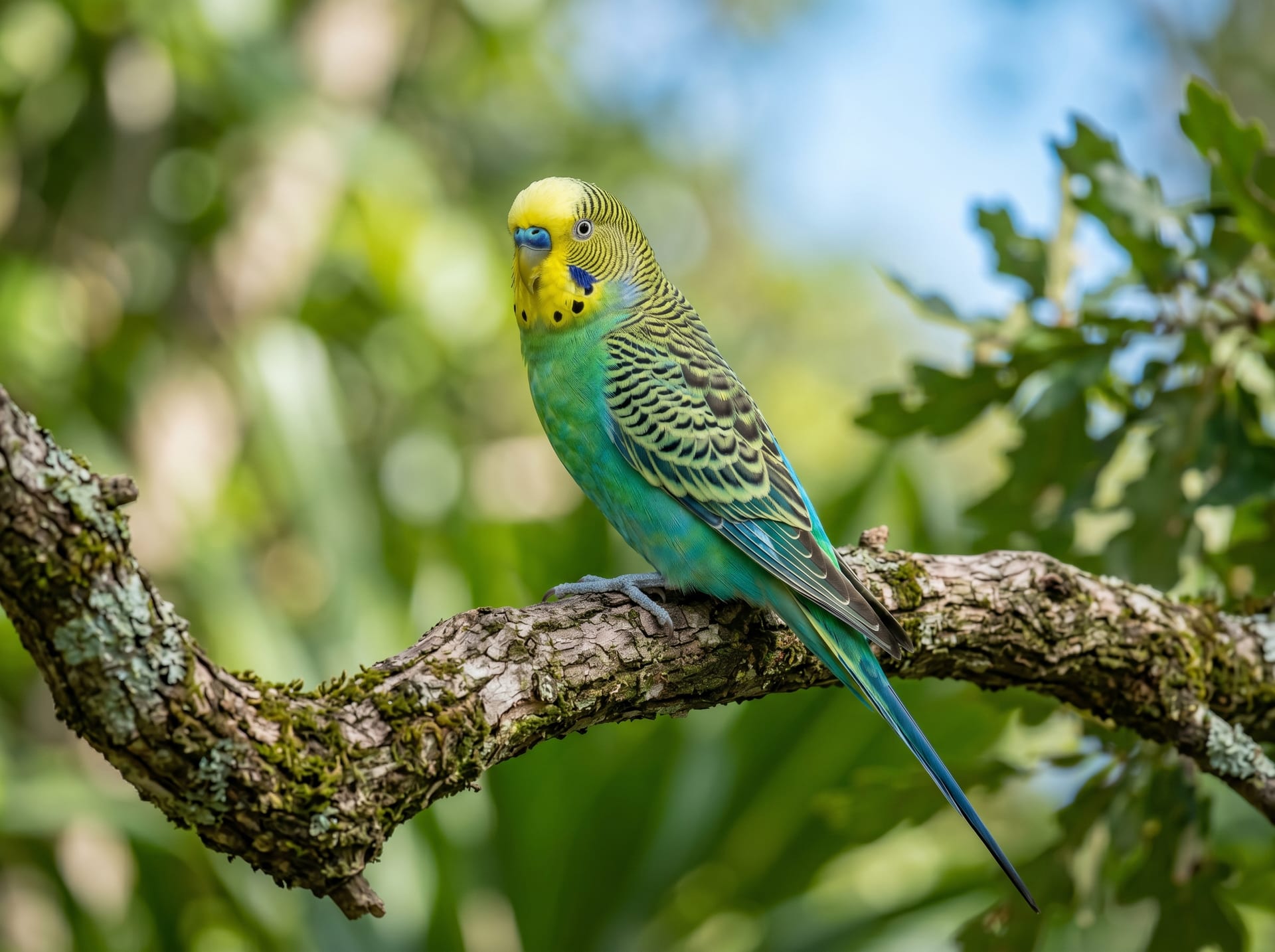
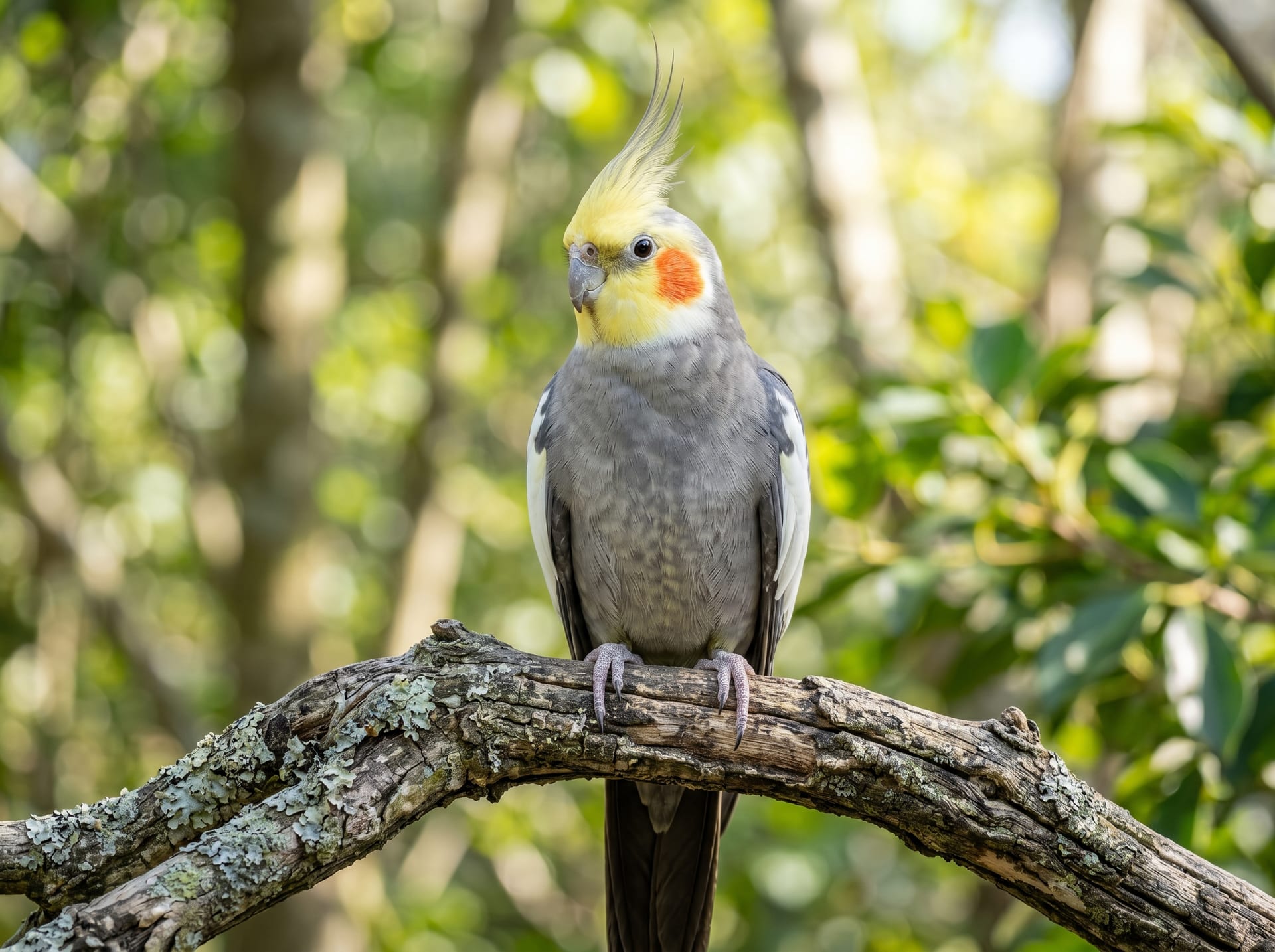
Species such as budgies, cockatiels, and Java sparrows, which are relatively easy to keep, can enjoy travel once they become accustomed to it.
There are also birds not suited for travel. The following birds experience travel stress that affects their bodies.
- Timid individuals prone to panic from environmental changes
- Elderly, ill, or recovering birds
- Birds in molt season (with reduced physical strength)
- Birds that are laying eggs or raising chicks
For these birds, choose to leave them at home or request a pet sitter.
How to Find Pet-Friendly Accommodations
While pet-friendly accommodations are increasing in Japan, most cater to dogs and cats, and advance confirmation of bird accommodation is essential.
When using the filter function of booking reservation sites, search for "pet-friendly" and contact the accommodations directly. Confirm questions such as "Can birds also be brought?", "Can a cage be brought into the room?", and "Are there any concerns about noise from bird calls?"
Specialized search services can also be used. By filtering for "bird pet-friendly" on sites like Jalan, Rakuten Travel, and Ikyu, or by searching SNS and review sites with terms like "parakeet travel" or "bird pet-friendly accommodations," you can find firsthand experiences from owners who have actually used these services.
When contacting accommodations, confirm the following:
- Whether cages can be brought and size restrictions
- Whether birds can be brought to shared areas with other guests (lobby, dining areas)
- Response in case of noise complaints from bird calls
- Whether there is a veterinary clinic nearby that treats birds (in case of emergency)
By talking directly on the phone beforehand, you can also confirm the accommodation staff's understanding of birds.
Safety Management During Travel
Travel by car is the most common method. Keep the following points in mind.
- Maintain a comfortable temperature in the car (20-28°C) with air conditioning
- In summer in particular, pay special attention to the temperature inside a parked car; when parking, always move the bird outside the car
- Secure the cage to prevent it from tipping over from vibrations, and place it in a location where direct sunlight does not reach it
- Check on the bird regularly during travel and take a break every 2-3 hours
Travel by train or bus varies depending on the route. In the case of JR, small animals can be brought in as hand luggage when in a case (guideline: combined dimensions of three sides not exceeding 90 cm and weight not exceeding 10 kg). However, consideration must be given so that bird calls do not disturb other passengers. Covering the cage with a blanket during travel to darken it and calm the bird is effective.
Travel by airplane is basically difficult. On domestic flights, most airlines do not allow small animals in the cabin, and checking them in the cargo hold is not recommended due to the large physical strain. For long-distance travel, prioritize leaving your bird with a trusted person.
Creating an Environment at Your Destination
It is important to create an environment where your bird can feel secure at your destination. Bringing your regularly used cage and supplies helps ease your bird's anxiety by providing familiar scents and objects. If possible, bringing familiar perches and favorite toys will further reduce stress.
Set aside time to let your bird rest quietly immediately after arrival. When you arrive in a new room, cover the cage and place it in a dark, quiet location for 1-2 hours to help your bird acclimate to the environment before allowing activity. Avoid touching or talking to your bird suddenly; prioritize calming it down first.
Managing noise from bird calls at your accommodation is also important. Early morning or late-night calls can disturb other guests. Cover the cage with a cover at bedtime to keep it dark and be careful not to disturb it. If the bird does not stop calling, reapplying the cage cover without speaking is effective.
Pre-Travel Preparation Checklist
Before departing for your trip, be sure to have your bird checked for health by an avian veterinarian. In case your bird's condition worsens during travel or at your destination, it is also essential to research veterinary clinics near your destination that can treat birds in advance.
Prepare an emergency kit. Gather the following items together.
- Your regular veterinarian's appointment card and contact information
- Regularly used medications (if prescribed)
- Warming items (disposable hand warmers, warming pads)
- Backup food and water
- Paper towels and disinfectant wipes
Even for short trips, emergency preparedness is essential.
Traveling with your beloved bird becomes a safe and special experience when you prepare properly. Enjoy your trip with a realistic plan while observing your bird's health and signs of stress.