Bird Cage Selection and Setup Guide | Size, Layout, and Placement
A comprehensive guide to choosing a bird cage. Includes recommended sizes by species, layout tips for perches, food dishes, and toys, precautions for placement location, and cleaning tips.
Key Takeaways
A comprehensive guide to choosing a bird cage. Includes recommended sizes by species, layout tips for perches, food dishes, and toys, precautions for placement location, and cleaning tips.
Related Species
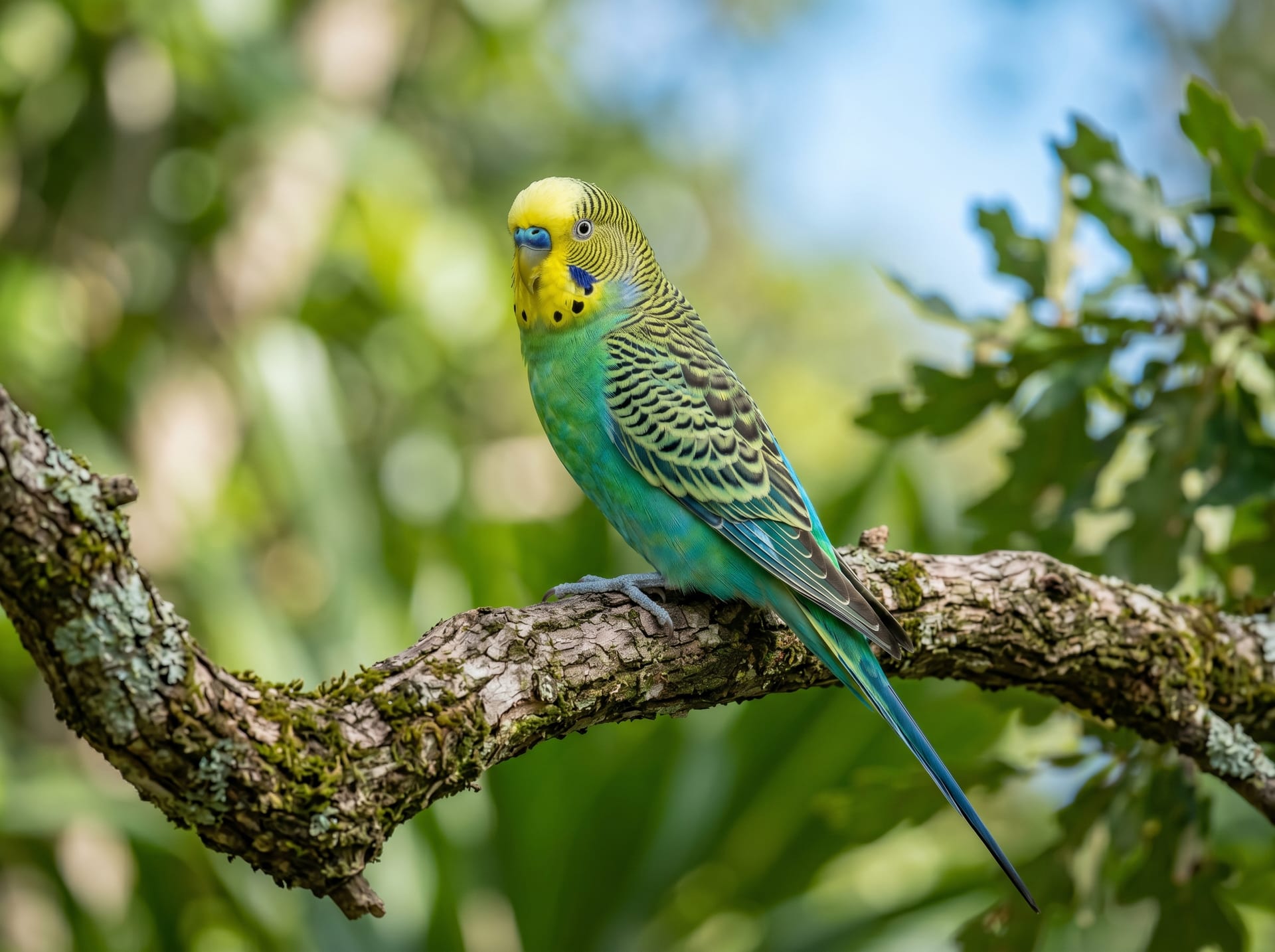
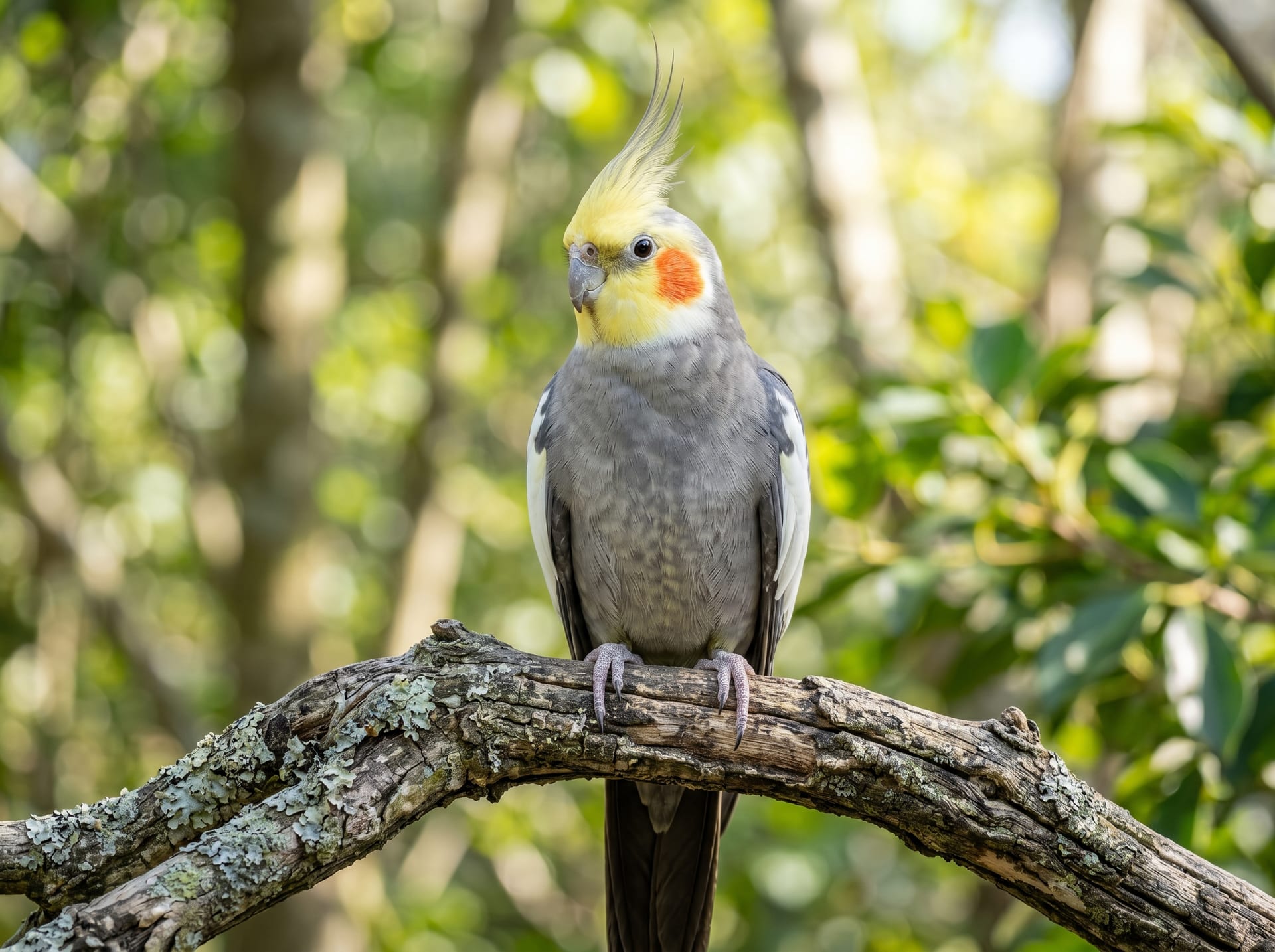
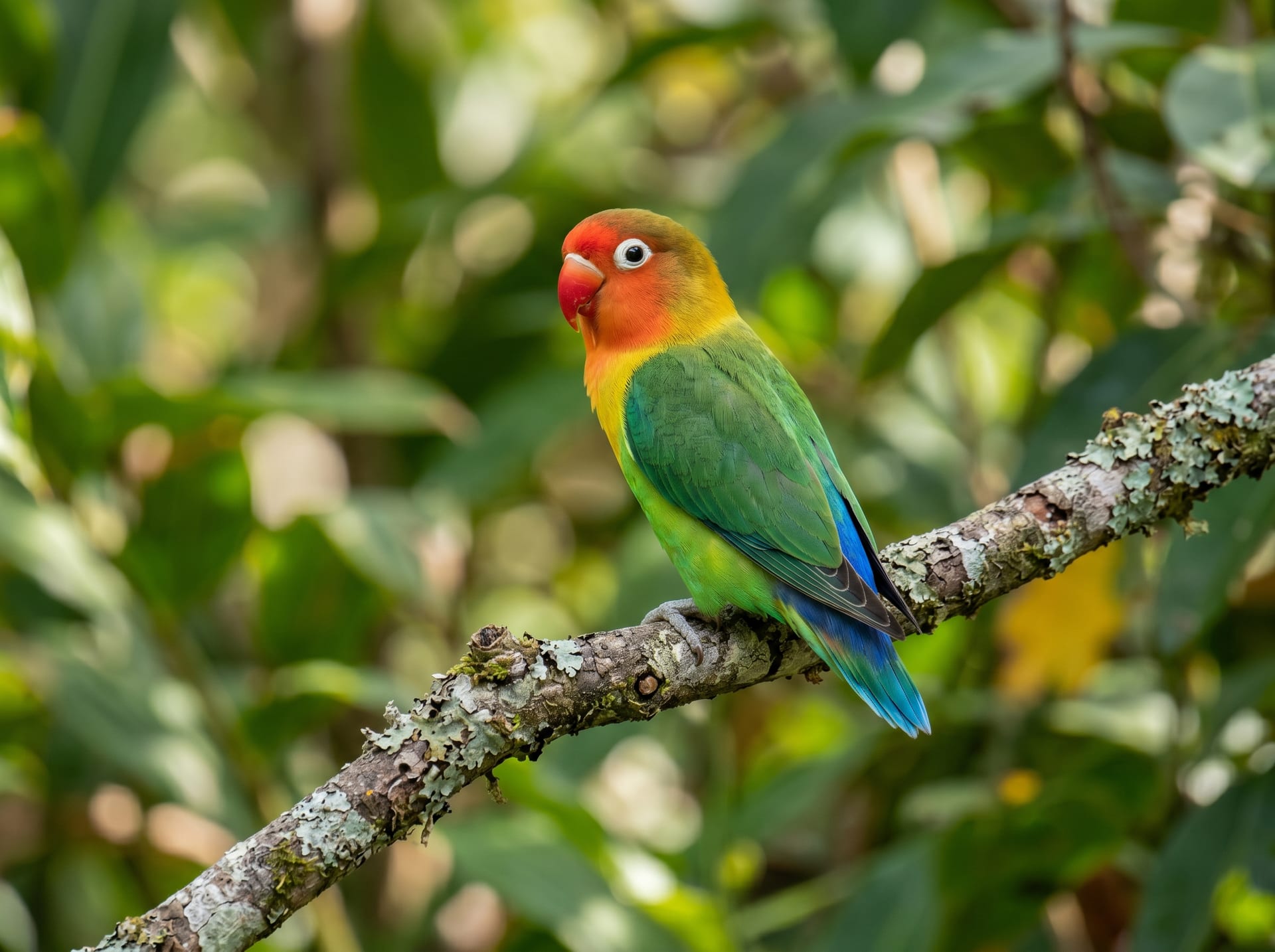
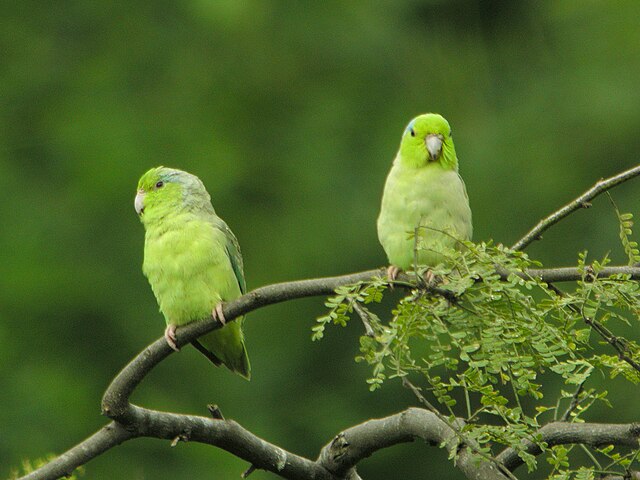
A cage is a "home" for birds and an important place where they spend most of their day. Selecting an appropriately sized cage, carefully planning the internal layout, and paying attention to placement location greatly contribute to the bird's health and stress reduction. Conversely, a cage that is too small or inappropriately placed can lead to lack of exercise, stress, and behavioral problems. This article comprehensively covers cage sizes by bird species, tips for internal layout, how to choose a placement location, and daily cleaning practices. Note that on BreederDirect's bird category, breeders offer a diverse range of bird species including parakeets, Java sparrows, and parrots.
Recommended Cage Sizes by Species
The golden rule of cage selection is "you can't go wrong with too large." The following are minimum size guidelines, but choose as large a cage as possible.
| Bird Species | Minimum Size (W × D × H) | Recommended Size |
|---|---|---|
| Budgerigar | 35×35×40cm | 40×40×50cm or larger |
| Cockatiel | 45×45×55cm | 50×50×60cm or larger |
| Java Sparrow | 35×25×35cm | 40×35×45cm or larger |
| Peach-faced Lovebird | 35×35×40cm | 40×40×50cm or larger |
| Parrotlet | 35×30×40cm | 40×35×50cm or larger |
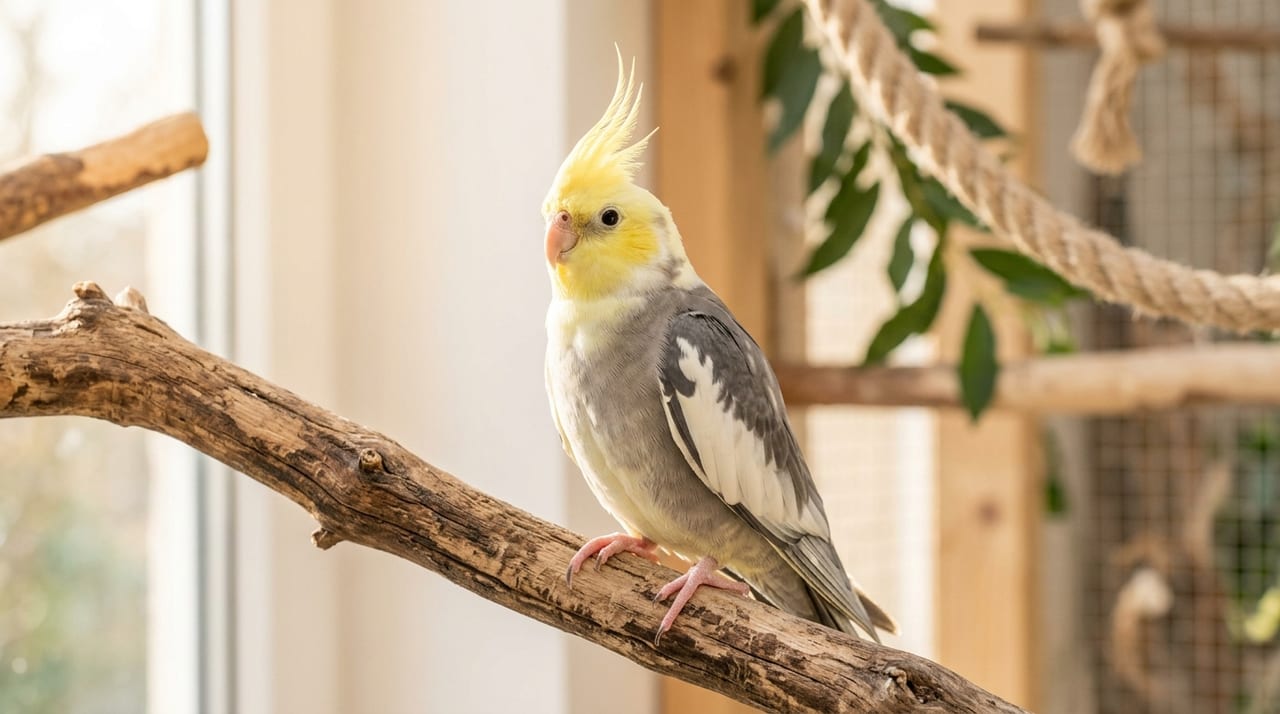
Small parakeets like budgerigars prefer to move horizontally, so a cage with plenty of width is ideal. Cockatiels need height so their long tail feathers don't bend, and space so their crest doesn't hit the ceiling. Java sparrows enjoy bathing, so consider space for a bird bath.
Cage Material: Stainless steel is the safest and most durable option. While the initial cost is high, it resists rust and offers excellent long-term value. Plated cages are affordable but prone to rust over time, and painted cages should be avoided since birds may chew them and ingest the paint.
Perch and Food Dish Placement Techniques
Cage layout should be arranged with consideration for the bird's movement patterns and hygiene.
Perch Tips: Install 2-3 natural wood perches of varying thicknesses. Perches of uniform thickness put pressure on the same spot on the bird's feet, risking bumblefoot (plantar pododermatitis). Place one at a high position and one at a low position to encourage vertical movement. Do not place a perch directly above food or water dishes. Droppings will contaminate them.
Food and Water Dishes: Side-mounted dishes save space and are more hygienic. Place food and water dishes away from each other to prevent seed hulls from getting into the water. Attach cuttlebone and mineral blocks near perches so the bird can access them anytime.
Toy Placement and Precautions
Toys are important for stress relief and mental stimulation, but too many make the cage cramped. Install 2-3 toys and rotate them about every two weeks to prevent boredom.
Place a swing near the center top of the cage with space to swing. Mirrors are favored by budgerigars, but remove them if the bird repeatedly regurgitates into the mirror (courtship behavior). This can encourage breeding behavior.
Choosing a Placement Location: Placements to Avoid
Conditions for a Good Placement Location
- A room with moderate human traffic, like a living room. Birds are social and dislike isolation
- Place it near a wall with one or two sides against the wall. Open on all sides makes birds anxious
- Place it at eye level or slightly higher. Low positions near the floor stress the bird
- A location with adequate morning natural light. Birds naturally wake with sunrise
Locations to Absolutely Avoid
- Kitchen: Toxic fumes from Teflon overheating are fatal. Cooking smoke also harms respiration
- Direct sunlight at windows: Risk of heatstroke in summer. Use indirect light through sheer curtains
- Direct air conditioning airflow: Sudden temperature changes cause illness
- Next to TV or speakers: Loud sounds and vibrations stress the bird
- Entrance or hallway: Temperature fluctuates widely, and guests may cause panic
Cleaning Frequency and Tips
A clean cage environment is fundamental to protecting a bird's health.
Daily Cleaning: Replace the floor tray liner, remove seed hulls from the food dish and refill with fresh food. Wash the water dish daily and replace with fresh water. Wipe droppings off perches regularly.
Weekly Cleaning: Wipe or wash the cage bars, remove perches and disinfect with hot water. Wash and inspect toys, replacing any that are damaged.
Monthly Cleaning: Disassemble and thoroughly wash the entire cage, then sun-dry for UV disinfection. Replace any worn perches or toys with new ones. Regular maintenance habits significantly reduce infection risk.
Consult with BreederDirect for Your Ideal Cage Setup
Breeders are knowledgeable about bird care and know the ideal cage sizes and layouts for each species. Ask "What cage do you recommend?" and you'll get accurate advice based on real experience.
On BreederDirect, you can see photos of breeders' care environments, which provides reference for cage setups. You can consult with breeders before and after purchase, so even first-time cage selection is worry-free. Once you find a favorite breeder, be sure to check the breeder directory.