Caique Care Guide | Housing, Hand-taming & Breeding for South American Social Parakeets
Learn how to care for Caiques (Brotogeris). This guide covers housing, temperature control, pellet feeding, hand-taming training, breeding tips, and vocalization management in detail.
Key Takeaways
Learn how to care for Caiques (Brotogeris). This guide covers housing, temperature control, pellet feeding, hand-taming training, breeding tips, and vocalization management in detail.
Related Species
What are Caiques?
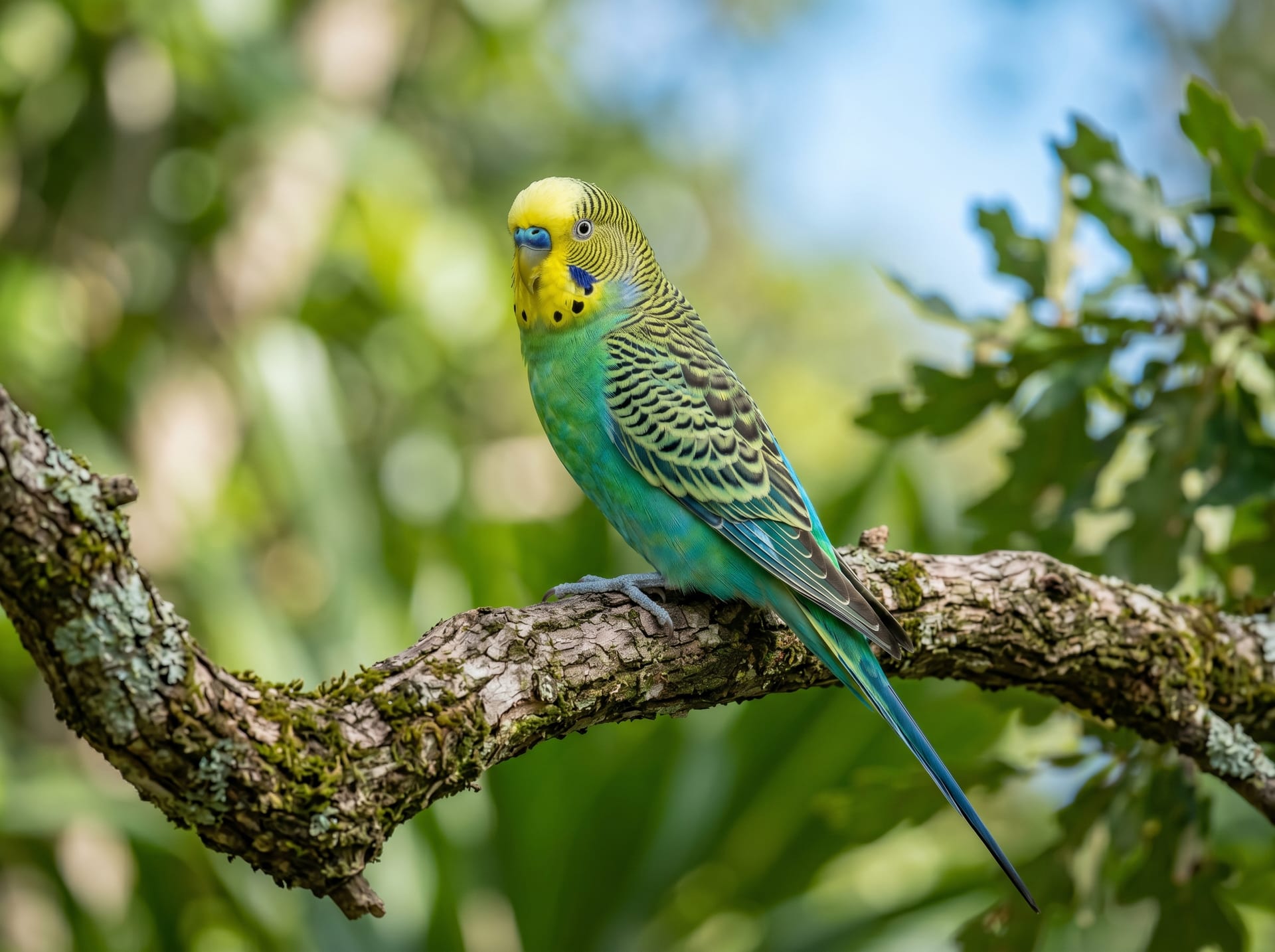
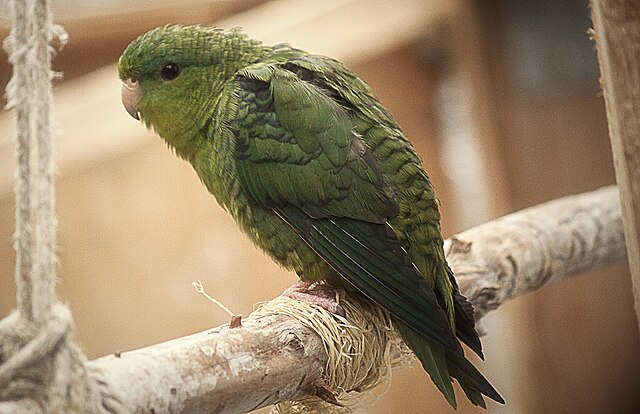
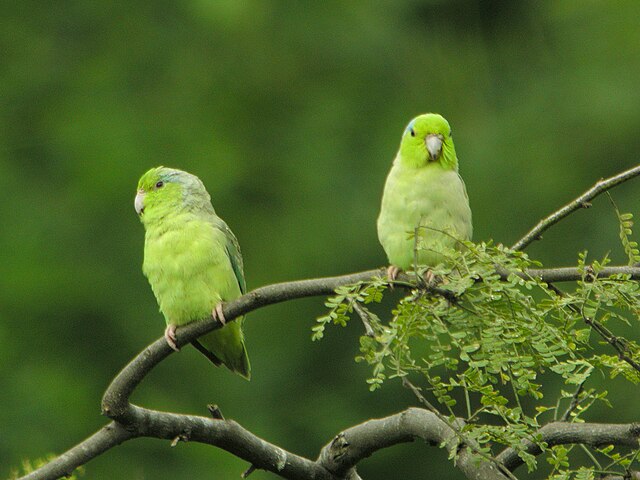
The Caique (Brotogeris chiriri, English name: Yellow-chevroned Parakeet) is a small to medium-sized parakeet native to South America, found in Brazil, Bolivia, and northern Argentina. With a length of approximately 18–20 cm and weighing 56–75 grams, this compact parakeet fits in the palm of your hand yet possesses an active, social personality with a tendency to vocalize frequently.
The body color is predominantly a vibrant green, with distinctive yellow feathers visible on the inner wings (the origin of the name "Yellow-chevroned"). Males and females look nearly identical, making DNA testing necessary for sex determination.
Differences from related species:
- Caique (White-bellied Caique):Chest and lower back are white, but similar body size
- Caique (Yellow-chevroned):Overall green with distinctive yellow inner wings
- Hawk-headed Parrot:High color diversity with honey-feeding habits
Within the Brotogeris genus, multiple species exist, but B. chiriri is the most commonly available in Japan.
Personality and Characteristics
Caiques are popular among enthusiasts due to their bright and active nature.
- Social & Affectionate:Accustomed individuals readily perch on shoulders and become hand-trained. They tend to be affectionate with all family members
- Loud vocalization:They have a natural flock-calling behavior and their vocalizations can be somewhat noisy. Extra care is needed for apartment living
- Playful:They enjoy playing with toys and climbing
- Speaking ability:While not as skilled as budgies, they can learn several words
- Flock-oriented:Since they naturally live in groups, single birds often form deeper bonds with their owners
Housing and Equipment
Cage
Given their high activity levels, a cage with sufficient flight space is essential.
- Minimum size:50×50×60 cm or larger (ideally 60×60×80 cm or larger)
- Bar spacing:12–15 mm (medium-sized parakeet dimensions to prevent escape)
- Material:Stainless steel recommended (plated materials carry risk of zinc toxicity)
Install 3–4 perches (1.5–2 cm diameter), swings, rings, and chew toys inside the cage.
Temperature & Humidity
| Recommended Environment | Value |
|---|---|
| Year-round temperature | 22–30°C |
| Minimum winter temperature | 18°C or higher |
| Humidity | 50–65% |
As tropical and subtropical South American natives, they are sensitive to low temperatures. Sudden temperature drops in winter, especially, can cause illness.
Out-of-cage Time & Exercise
Provide 1–2 hours of out-of-cage time daily. Caiques are active birds that enjoy flying in open spaces.
Precautions during out-of-cage time:
- Check windows and doors for accidental escape
- Prevent collision with mirrors and glass
- Remove toxic plants and foods (avocado, onion varieties, chocolate, etc.)
- Manage contact with other pets (cats, dogs)
Feeding and Nutrition
Staple Diet
- Pellets (avian nutritional pellets):Excellent nutritional balance, ideal as main food (50–60% of total intake)
- Seed mix (canary seed, millet, panic grass, etc.):High palatability but monitor for excess fat. Use as supplementary food
Vegetables, Fruits & Supplements
| Food | Purpose & Frequency |
|---|---|
| Leafy greens (bok choy, Chinese cabbage, mizuna) | Vitamin supplementation—daily to every other day |
| Root vegetables (carrot, sweet potato) | 2–3 times per week |
| Fruits (apple, blueberries in small amounts) | 2–3 times per week |
| Sprouted seeds | 1–2 times per week |
| Hard-boiled eggs, egg food | Protein supplementation—approximately once per week |
Foods to avoid:Avocado (toxic), onion varieties, chocolate, caffeine-containing foods, alcohol, high-salt foods
Mineral Supplementation
Provide a cuttlebone (squid bone) or calcium block in the cage at all times.
Socialization & Hand-training
Hand-rearing from Chicks is Ideal
For full hand-training, raising chicks from the hand-feeding stage (4–5 weeks old) is most effective.
- Create a safe environment:Avoid sudden movements and loud noises; interact in a calm setting
- Don't frighten them of your hand:Slowly place your hand in the cage and let them become accustomed to your presence
- Build trust with treats:Offer favorite foods (millet sprays, bok choy) directly from your hand
- Gradual hand-training:Present your finger as a perch and gently encourage the bird to step up
Taming Adult Birds
Even starting with adult birds, patient consistent effort can achieve near-complete hand-training. Take your time and gradually build rapport over weeks to months without rushing.
Vocalization Management
Caiques have relatively loud calls and may vocalize continuously at certain times of day.
- Soundproofing may be necessary in apartment settings
- They vocalize most during morning and evening (flock-calling times)
- For highly vocal individuals, ignoring them while calling and praising when they quiet down is effective
You cannot eliminate vocalizations entirely (it's an instinctive parakeet behavior), but avoiding reinforcement of excessive calling is important.
Breeding
Breeding Caiques in captivity is possible, though breeding pairs may show stronger territorial behavior during breeding season.
- Sexual maturity:12–18 months old
- Nest box:Approximately 30×20×30 cm vertical box. Entrance hole 6–7 cm
- Clutch size:4–7 eggs
- Incubation period:22–25 days
- Fledging:40–45 days after hatching
If breeding is not intended, avoid installing a nest box to suppress egg-laying and breeding behavior. Chronic egg-laying depletes females, so when breeding is undesired, withholding breeding conditions is advisable.
Health Management and Disease
Common Illnesses
| Illness | Symptoms | Treatment |
|---|---|---|
| Crop inflammation (English term: Crop infection) | Loss of appetite, vomiting, crop distention | Consult avian veterinarian (antibiotic treatment) |
| Air sac mite infection | Voice change, breathing difficulty | Professional veterinary deworming treatment |
| Scaly leg & beak disease (mange) | Beak deformation, foot thickening | Mite control medication (prescribed by avian vet) |
| Feather plucking | Bird plucks own feathers | Remove stress sources, improve environment |
Health Checkpoints
- Daily morning behavioral observation (posture, appetite, fecal condition)
- Weekly weight measurement (weight loss indicates illness)
- Annual health examination by an avian veterinarian
Lifespan
With proper care, lifespan is typically 15–25 years. Plan long-term care as if you're committing to a lifelong companion, accounting for life changes.
Purchasing Considerations
Caiques are rarely stocked at large pet shops, so purchasing from specialist breeders or avian specialty stores is most reliable. When purchasing, verify:
- Individual health:Clear eyes, neat feathering, active movement
- Hand-feeding stage chicks:For hand-training, domestic captive-bred (CB) individuals are ideal
- Documentation:For imported birds, verify proper import permits
Summary
The Caique is a charming small to medium-sized parakeet known for its social, affectionate nature and expressive, active personality. While vocalization management requires attention, properly socialized individuals become lifelong family companions. Focus on providing a spacious cage, adequate out-of-cage time, nutritionally balanced pellet feeding, and coordinate with an avian veterinarian to maintain optimal health.