Canary and Finch Care Guide | How to Enjoy Beautiful Birdsong
Explanation of canary and finch care for beginners. We introduce details from cage selection and temperature management to how to provide food, tips for bringing out beautiful birdsong, and the basics of breeding.
Key Takeaways
Explanation of canary and finch care for beginners. We introduce details from cage selection and temperature management to how to provide food, tips for bringing out beautiful birdsong, and the basics of breeding.
Related Species
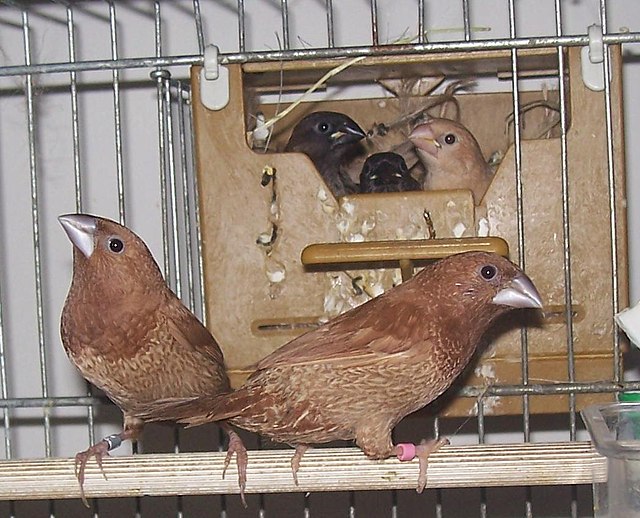
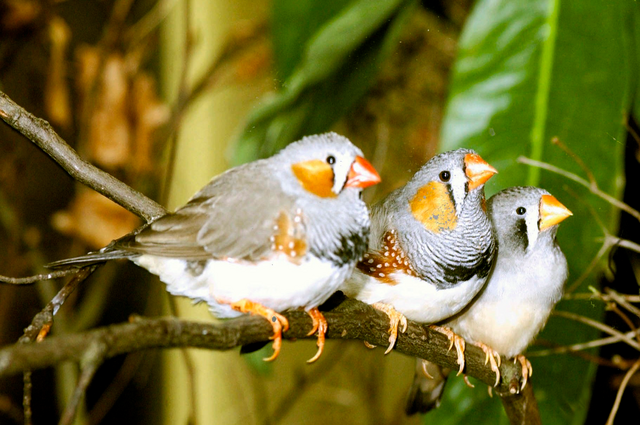
Types and Characteristics of Canaries and Finches
Canaries and finches are small birds that have been beloved around the world for many years because of their beautiful birdsong and adorable appearance. Unlike parrots and macaws, they do not readily become hand-trained, but they are consequently easy to care for as viewing birds, and a style of keeping them to enjoy their calls and feather colors has been established through a long history. Even now in 2026, they remain popular as birds that are easy to keep even in apartments.
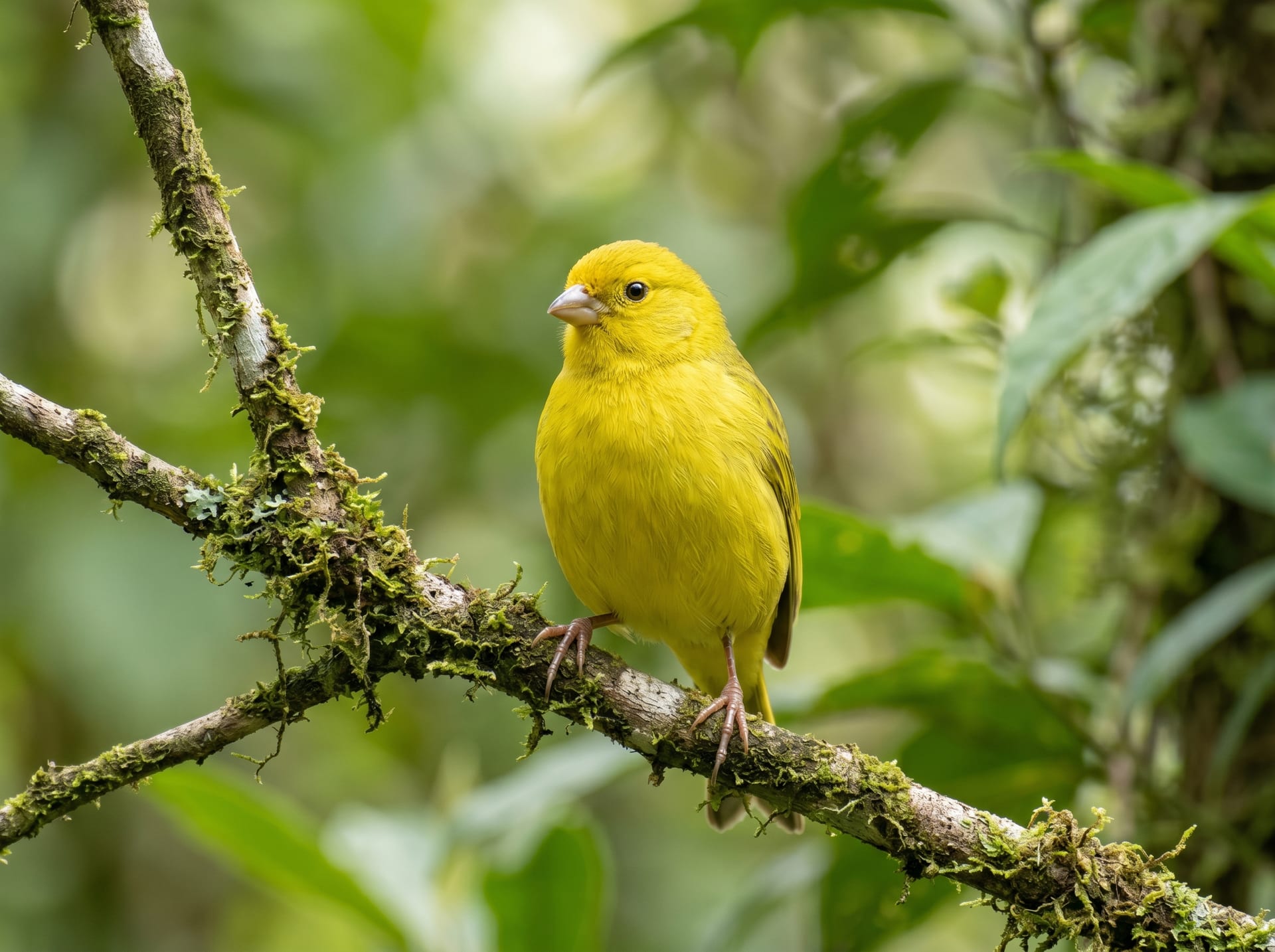
Canaries are small birds belonging to the finch family, with a body length of approximately 12-13cm. They have a history of breed development spanning hundreds of years and are divided into three main types depending on their purpose.
- Song Canary : A breed developed to be enjoyed for its birdsong. Roller Canaries and Water Slagers are typical examples. Roller Canaries in particular are characterized by a beautiful low, flowing song, and exhibitions are actively held.
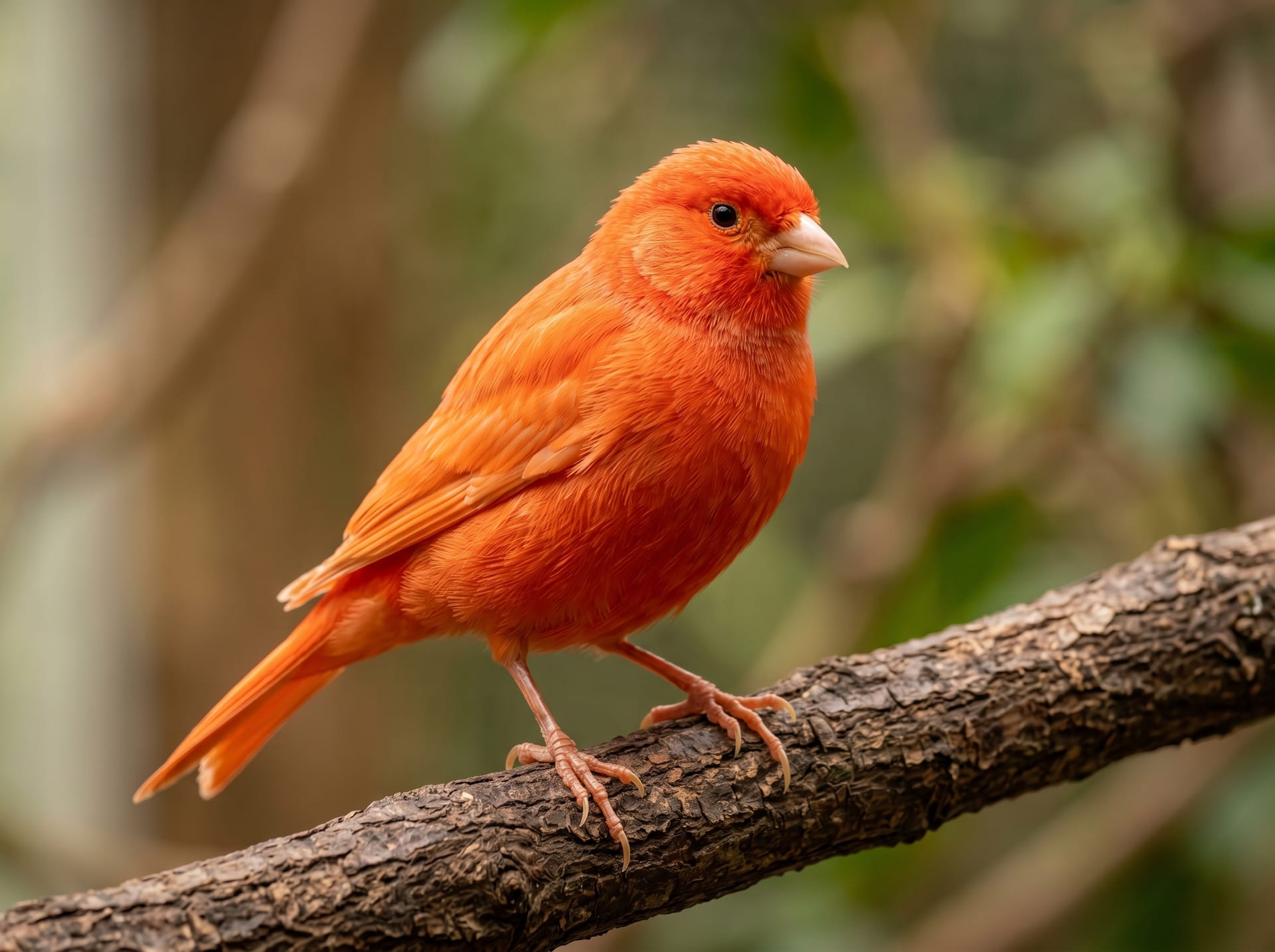
- Color Canary : A breed that pursues beautiful feather coloring. Species like Red Factor Canaries are attractive for their vivid body colors.
- Type Canary : A breed developed to be enjoyed for body shape and feather formation. Examples include Gloucester Canaries.
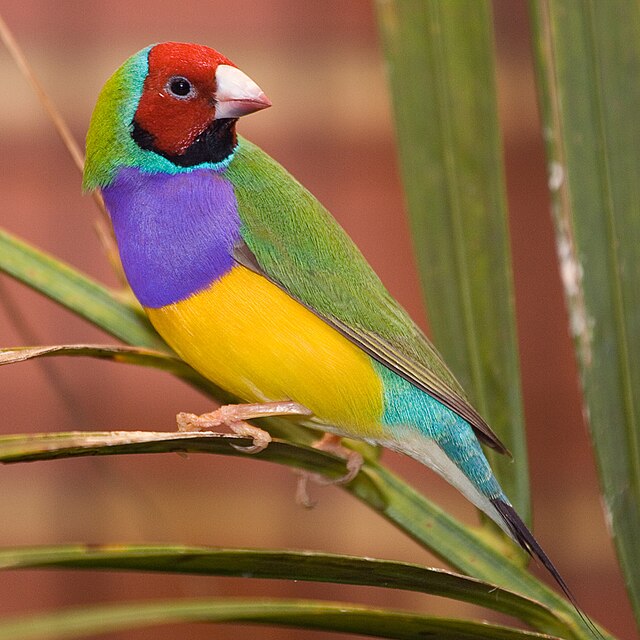
Finches are a general term for small birds in the finch family and Estrildidae family, and many types are kept in captivity.
- Zebra Finch : A hardy species with strong breeding capacity, most recommended for beginners. Males have a distinctive chirp called "chee-chee." Those who wish to try breeding as a pair in the future may also find the Zebra Finch Breeding and Chick-Rearing Guide helpful.
- Bengalese Finch : Known for a mild temperament and gentle voice. It is also known for being used as a foster parent for Zebra Finches.
- Java Sparrow : Has a variety of colors including white, sakura (pink), and cinnamon, and is a species that is easy to tame.
- Crimson Finch : An advanced breed with beautiful vivid body colors. Requires some care in keeping, but its beauty is exceptional.
All of these species have a lifespan of approximately 5-10 years, and with proper keeping conditions, you can enjoy them for a long time.
Cage Selection and Installation Environment
Since canaries and finches exercise by flying around, selecting a cage with a wide horizontal dimension is the basic principle. A horizontally wide cage is more ideal than a vertically tall one.
Cage Size Guidelines
- 1-2 birds: Width of 45cm or more
- 3-5 birds: Width of 60cm or more
- For breeding pairs: Width of 60cm or more + nesting box space
Set up 2-3 perches of different thicknesses. Rather than commercial products with uniform thickness, natural wood perches have variable thickness, which distributes the burden on the feet and helps prevent bumblefoot.
Key Points for Installation Location
- Set up in a bright location out of direct sunlight
- Choose a location where air conditioner drafts do not hit directly
- Install in a location away from the kitchen (cooking smoke and thermal decomposition gases from non-stick frying pans are extremely dangerous to birds)
- At night, cover with cloth or a cover to darken it and ensure 10-12 hours of sleep
Regarding temperature management, while both canaries and finches are species that can tolerate relatively low temperatures, it is ideal to maintain 15℃ or higher during winter. Sudden temperature changes can cause health problems, so special care is needed at seasonal transitions.
Food and Nutrition Management
The diet for canaries and finches, in addition to their staple diet of mixed seed, is basically to provide supplementary foods in a balanced way for maintaining good health.
Main Food (Seeds)
- For Canaries : A mix of canary seed, rape seed, millet, and sorghum is standard
- For Finches : A mix of millet, Japanese millet, and sorghum is the basic diet
Choosing commercial species-specific seed mixes makes it easier to achieve proper nutritional balance for each bird.
Supplementary Food and Nutritional Supplements
| Ingredient | Purpose |
|---|---|
| Komatsuna, bok choy, pea shoots | Vitamin and mineral supplementation (daily) |
| Cuttlebone powder (oyster shell) | Calcium supplementation (always available) |
| Mineral block | Mineral supplementation |
| Egg food (finely crumbled hard-boiled egg) | Protein supplementation during molt and breeding seasons |
Change the water to fresh daily. Also, by providing a shallow container for water bathing inside the cage, it helps with both feather care and stress relief for your bird. Many canaries particularly enjoy bathing, so provide this actively to maintain the beauty of their plumage.
Pellet-type complete nutrition foods are also an option, but birds accustomed to seed diets may take time to switch to pellets. It is best to start by gradually mixing in small amounts without rushing.
Tips for Bringing Out Beautiful Birdsong
Canary song is basically produced by males and is most active during the breeding season from spring to summer. Canary song is so deep that it is evaluated in exhibitions, and owners can develop richer song by creating the right environment.
Creating an Environment to Develop Song
Young male canaries have the nature of learning by listening to the voices of excellent singers. It is known that the quality of their chirping improves when a good singer is kept nearby or when the song of a high-quality individual is recorded and played to them. For those who wish to approach this more systematically, please check the specific methods in the Canary Song Training Guide.
- Maintain a quiet and calm environment (excessive stimulation causes them to stop singing)
- Reduce stress (avoid sudden cage movement or loud noises)
- Ensure adequate sleep
- Provide a balanced diet
During the molting season (autumn to early winter), most birds stop singing because of fatigue, but once molting is complete, they will start singing again. During this period, pay special attention to providing nutrition.
Among finches, male Zebra Finches have a distinctive rhythmic chirp. Bengalese Finches do not call loudly and are characterized by a calm and gentle voice, making them easy to keep even in apartments.
Health Management and Signs of Illness
Since small birds have a habit of hiding illness, daily observation is key to health management. If you notice any of the following signs, visit an avian veterinarian as soon as possible.
Warning Signs of Illness to Watch For
- Puffing up feathers and sitting still (sign that the body is cold or there is illness)
- Sudden loss of appetite
- Changes in droppings color, shape, or amount
- Labored breathing or breathing with mouth open
- Eye discharge or nasal discharge
- Swelling of the toes on the feet (possibly bumblefoot)
Healthy birds have bright eyes, move around actively, and have neat feather arrangement. By developing the habit of observing your bird's entire body during daily feeding and water changes, you will be able to notice even small changes.
Also, regular cage cleaning is directly connected to disease prevention. Ideally, change the cage bottom bedding daily and wash the entire cage with water about once a week.
Find Your Ideal Bird with BreederDirect
Canaries and finches vary greatly in song, body color, and personality from individual to individual. Even within the same breed, individual differences arise depending on the environment in which they were raised and the breeder's care approach. That is why obtaining directly from a trusted breeder is very important for building a long and good relationship.
With BreederDirect, you can purchase birds directly from breeders who specialize in breeding canaries and finches.
- You can confirm the song before purchasing (especially for canaries, the song lineage is important)
- You can obtain information about lineage and parent birds
- You can consult about care methods, food content, and more even after taking the bird
- You may encounter rare breeds that you wouldn't find at pet shops
For those keeping small birds for the first time, the ability to ask a breeder directly about things you don't understand provides great peace of mind. Through BreederDirect, try to find the perfect bird for you.