Zebra Finch Breeding and Chick Rearing Guide | Practical Steps for Pairing, Egg-Laying, Hatching, and Hand-Feeding
A practical guide for successful Zebra Finch breeding. This guide covers pair selection, nest box setup, incubation management, parent-rearing of chicks, hand-feeding (hand-rearing), common failure causes, and solutions in detail.
Key Takeaways
A practical guide for successful Zebra Finch breeding. This guide covers pair selection, nest box setup, incubation management, parent-rearing of chicks, hand-feeding (hand-rearing), common failure causes, and solutions in detail.
The Zebra Finch (scientific name: Taeniopygia guttata) is a small finch native to Australia and is a popular species kept worldwide. With strong breeding capacity, they can breed relatively easily when provided with appropriate conditions, making them popular as an introductory species for finch breeding. This article explains practical procedures from Zebra Finch breeding through chick rearing.
✍️
BreederDirect Editorial
The BreederDirect editorial team specializes in care information for animals, covering veterinary care and breeding to deliver beginner-friendly guides.
Find Birds on BreederDirect
Buy directly from verified breeders
Browse Related Listings
Find Birds listings related to this article on BreederDirect. Buy directly from verified breeders.
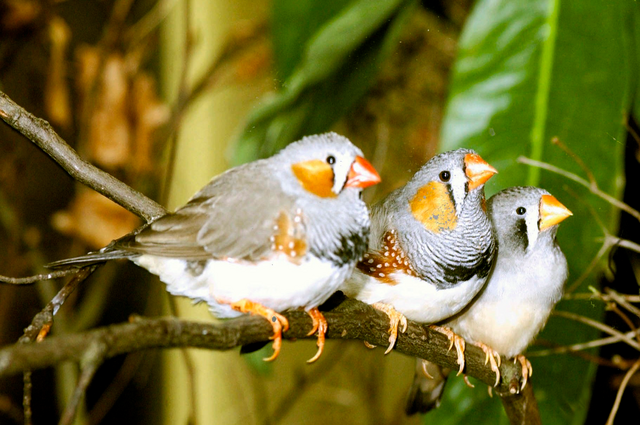
Zebra Finches have clear sexual dimorphism (males and females look distinctly different), making sex determination easy by appearance.
Males: Bright orange cheek patches, white spots on the flanks (pearl markings), black barring pattern on the chest
Females: No cheek patches, no flank spots, overall body color is duller gray and beige
Individuals with color mutations such as Lutino or Silver may be difficult to distinguish by appearance. When identification is difficult, consider using DNA sex determination testing.
Choosing a Pair
When breeding, it is essential to select a pair with no blood relation. Repeated inbreeding can lead to reduced hatching rates and weakened chicks. The ideal pair conditions are as follows:
Healthy individuals: Eyes are bright, feathers have a glossy appearance
Appropriate age: Sexual maturity is 4–6 months or older
Body weight: Males 11–13g, females 12–14g is appropriate
Compatibility confirmation: Observe whether they approach each other, preen each other when placed in the cage
Once a pair is decided, keep them together until courtship behavior is confirmed, and monitor for signs of strong stress or chasing behavior.
Promoting Courtship and Setting Up the Breeding Environment
Conditions for Promoting Courtship
Zebra Finches begin courtship behavior (courtship singing and mating) under the following conditions:
Daylight hours: Ensure 12–14 hours of light per day (matching the spring-summer breeding season)
Temperature: 20–26°C
Nutritional supplementation: Calcium supplementation for egg-laying and chick-rearing (cuttlebone powder, egg food)
Nest box installation: Acts as a trigger to stimulate breeding motivation
Setting Up the Nest Box
Zebra Finches prefer a fully-enclosed box-type nest box. Wood is the standard material, and a type with a removable door or lid for internal inspection is easiest to manage.
Nesting material: Place coconut fiber, dried grass, or wool in the cage, and the parent birds will carry it to build their nest
Installation location: Upper part of the cage (placing it high increases their sense of security)
Egg-Laying and Incubation Management
Egg-Laying
Egg-laying begins several days to two weeks after installing the nest box. Females lay approximately 4–7 eggs at a rate of one per day.
After laying the first egg, the female may not sit on the eggs for several more days. Incubation typically begins in earnest after all eggs are laid. The incubation period is approximately 14 days, with males and females taking turns to warm the nest.
Confirming Hatching
Hatching begins about 14 days after egg-laying. You can confirm hatching by hearing chicks vocalize outside the nest box (a thin "cheeping" sound). Checking too frequently by opening the box can cause parent birds to abandon the chicks, so keep conditions as quiet as possible during the first week.
Dealing with Infertile Eggs
If eggs do not hatch after two weeks, they are likely infertile. Remove eggs that are 21 days or older without waiting for the parent birds; allow the parents to rest.
Parent-Rearing of Chicks
0–3 Weeks After Hatching
Zebra Finch chicks are nearly helpless with closed eyes immediately after hatching (altricial). Parent birds feed them regurgitated food mouth-to-mouth. Parent birds during chick-rearing require the following additional nutrition:
Egg food (hard-boiled egg or specialized formula): High protein to support chick growth
Leafy greens (bok choy, Chinese broccoli, etc.): Vitamin supplementation
Cuttlebone powder: Calcium supplementation (to aid parent recovery after egg-laying)
During chick-rearing, supply food and water frequently and maintain a clean environment. Clean the nest box once around day 10 after hatching, completing the task quickly.
3–5 Weeks (Fledging)
Eyes open around 2 weeks of age, feathers begin to grow, and by 3–4 weeks, chicks start poking their heads out of the nest. By week 5, they fledge and fly around the cage.
For 2–3 weeks after fledging, chicks continue learning to eat independently from their parents, so keep them together. Separate them once the parents stop feeding them (chase them away).
Hand-Feeding (Hand-Rearing)
If parent birds abandon chick-rearing or you want to raise a tame individual, hand-feeding is necessary. Zebra Finch hand-feeding uses a specialized formula for small finches.
Basic Procedure
Prepare formula: Mix small finch powder formula available at specialty shops with warm water at 40–42°C
Feeding tools: Use a 1–2ml syringe (without needle) or dropper
Feeding frequency:
0–1 week old: Every 1–2 hours
2–3 weeks old: Every 2–3 hours
4 weeks and older: Gradually transition to independent feeding
Hand-Feeding Precautions
Check formula temperature: Overfeeding when too cold causes digestive upset; overfeeding when too hot risks crop burn
Check the crop: Before feeding, feel the crop to confirm it is empty (feeding a full crop poses a choking risk)
Maintain warmth: Chicks cannot regulate body temperature during hand-feeding; keep at 33–35°C (using an incubator or heat pad)
Zebra Finches are relatively easy to breed small finches, but success depends on providing proper nutrition, temperature, and nest box conditions. Parent-rearing is the standard approach, but also maintain knowledge of hand-feeding in case parent birds abandon their chicks. BreederDirect features many listings of Zebra Finch breeding pairs and young birds; obtaining birds from a trusted breeder ensures a more confident start.