Complete Guide to Finch Breeding | Breeding Tips for Java Sparrows, Bicheno's Finches, and Zebra Finches
Explains breeding methods for finches (Java Sparrows, Bicheno's Finches, Zebra Finches, etc.). A detailed guide covering nest box types, egg laying management, hatching, chick rearing, and environmental setup for breeding season.
Key Takeaways
Explains breeding methods for finches (Java Sparrows, Bicheno's Finches, Zebra Finches, etc.). A detailed guide covering nest box types, egg laying management, hatching, chick rearing, and environmental setup for breeding season.
Related Species
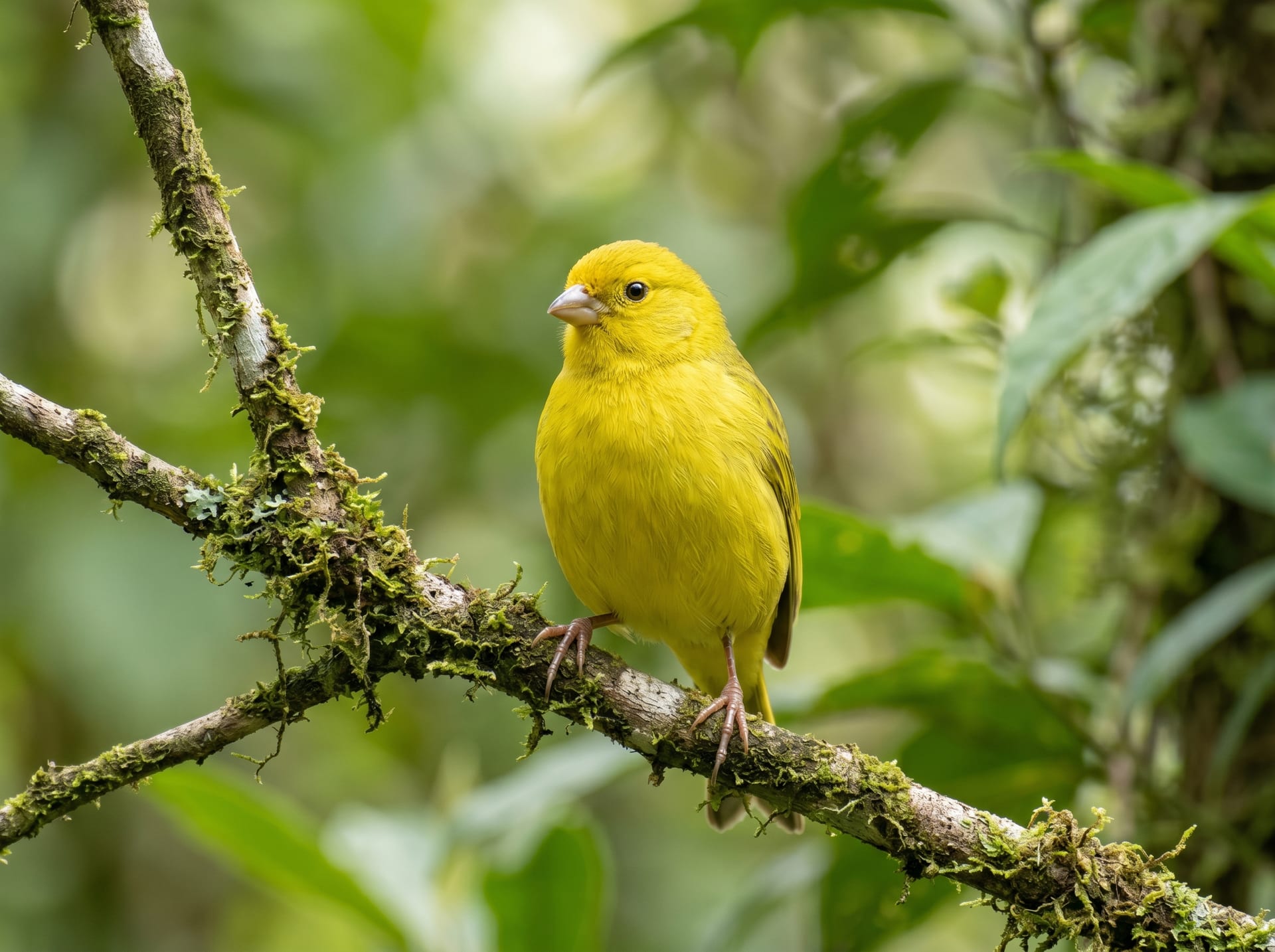
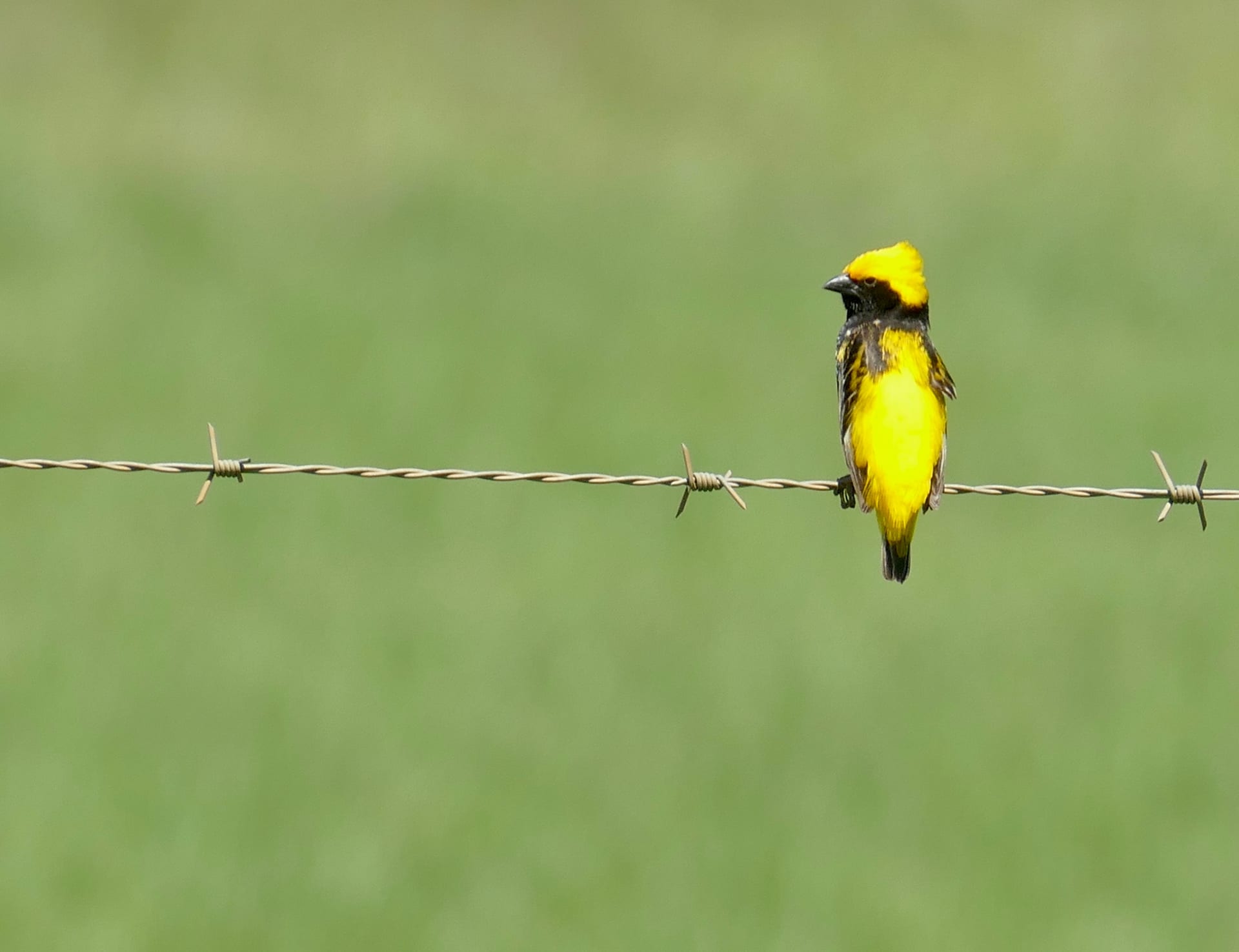
Finches are small, granivorous birds, with typical species including Java Sparrows, Bicheno's Finches, Zebra Finches, and Canaries. With proper environmental conditions, these finches breed readily in cages and offer the pleasure of observing chick growth. However, breeding periods, nest box preferences, and chick-rearing methods vary by species, so it is important to understand the characteristics of your species before attempting to breed them.
Java Sparrow Breeding
The Java Sparrow (Padda oryzivora) is a finch long favored in Japan and has extensive breeding records in captive conditions. The breeding season is autumn to spring (around October to May), with breeding behavior typically beginning when day length decreases. Sex determination shows individual variation, but generally males are larger than females and tend to have red, plump beaks. Mature males perform courtship displays using vocalizations (song dancing), which often allows for easy identification.
Java Sparrows prefer horizontal box-type nest boxes or pot-type nest boxes. Install the nest box at the top of the cage with the entrance facing the darkest direction possible. Provide nesting materials such as dry grass, straw, and soft plant fibers, allowing the birds to build the nest themselves. It is characteristic of Java Sparrows that both males and females participate in nest building. One clutch typically contains 4-6 eggs with an incubation period of approximately 14-16 days. After hatching, the parents feed the chicks, and fledging occurs at approximately 25-30 days.
Bicheno's Finch Breeding
The Bicheno's Finch (Taeniopygia bichenovii) is a small Australian finch that is relatively easy to breed. While they tend to breed year-round, they are particularly active in spring and summer. Males and females are distinguished by beak color and pattern. Males typically have a bright orange-red beak and more distinct facial markings (white spot patterns on the head).
They prefer nest boxes similar to those for Java Sparrows—horizontal box types or commercially available small bamboo basket-type nest boxes. Since Bicheno's Finches have a habit of carefully lining the interior with feathers and soft materials, it is good to provide cotton or soft feathers as nesting material. One clutch contains 4-6 eggs with an incubation period of approximately 13-14 days. Chick rearing after hatching is done by both sexes, and they fledge at approximately 20-25 days, which is slightly earlier than Java Sparrows.
Zebra Finch Breeding
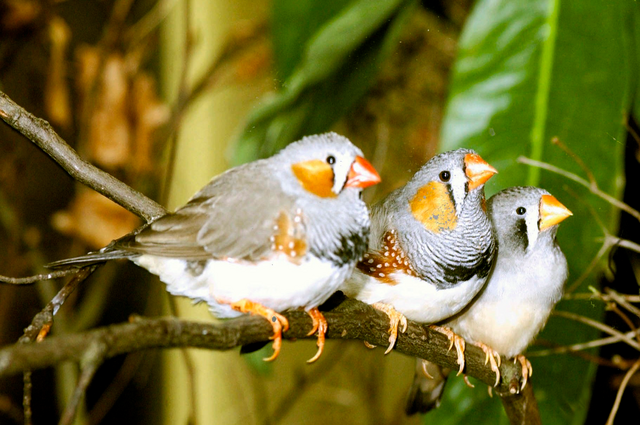
The Zebra Finch (Taeniopygia guttata) is one of the most popular finches from Australia and has such prolific breeding capacity that it is widely used as an experimental animal. They breed year-round, and in good conditions can breed 3-4 times per year or more, but excessive breeding can lead to energy depletion in females, so management is necessary.
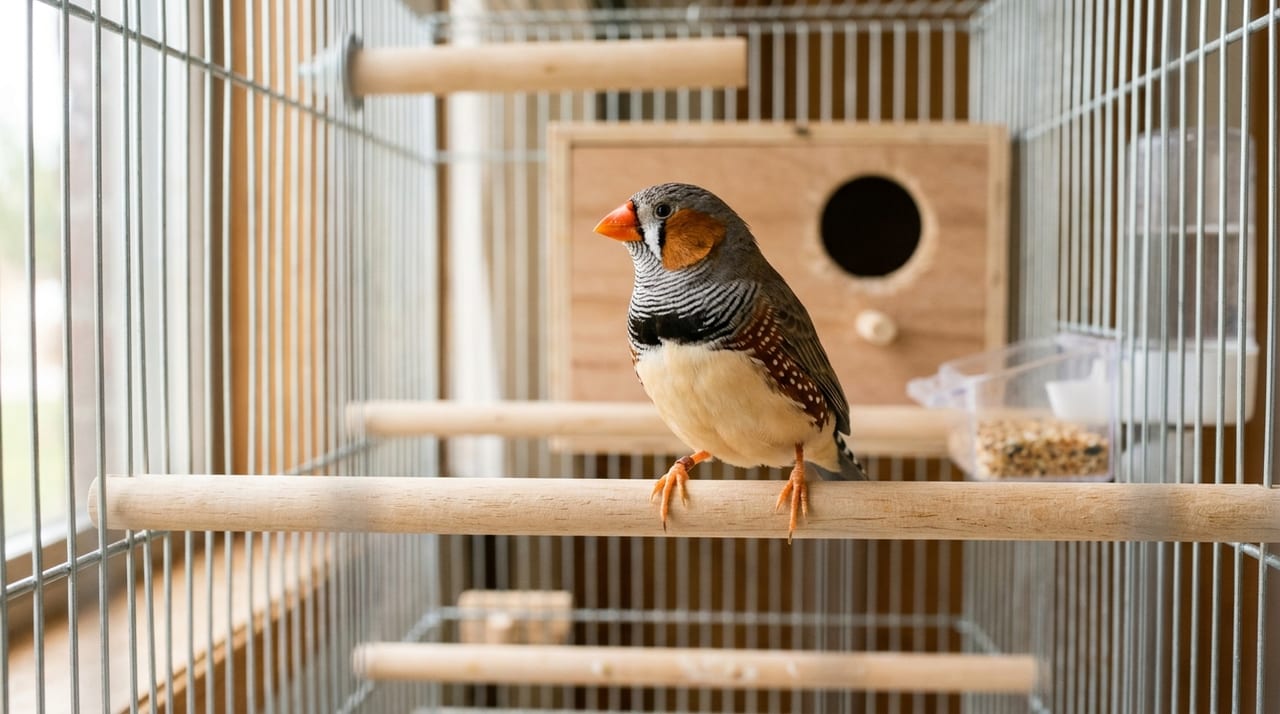
Males are characterized by brown cheek stripe patterns (horizontal bars), chest spot markings, and orange beaks. Females have overall dull coloration with faint markings. Zebra Finches use various types of nest boxes, preferring horizontal boxes, pot types, and commercially available bamboo nest boxes. Nesting materials used include dried grass, hay, paper twine, and soft fibers. One clutch contains 4-6 eggs, incubation is 14-15 days, and fledging occurs at approximately 18-22 days after hatching.
Common Points for Breeding Environment
The following points are commonly important for finch breeding.
- Light management: Maintaining bright conditions for 14-16 hours per day can induce breeding behavior. However, it is also possible to intentionally shorten day length to suppress excessive breeding.
- Temperature management: The ideal breeding temperature is approximately 20-25°C, and it is important to avoid sudden temperature changes.
- Nutrition management: Providing calcium (oyster shell powder, cuttlebone) and high-protein foods (boiled eggs, egg food, insects) in addition to the standard diet for breeding parents directly contributes to healthy chick development.
- Pair selection: When breeding for the first time, choose healthy and vigorous individuals. Inbreeding (siblings, parent-offspring, etc.) should be avoided from the perspective of genetic diversity.
Chick Management and Precautions After Breeding
Hatched chicks are initially naked with eyes closed, taking several days for down feathers to grow in. During this period, the parents constantly warm and feed them. It is important for the caretaker to avoid excessive peeking and maintain a quiet environment. Particularly with first-time breeding parents, chick rearing may be abandoned, so it is reassuring to prepare for emergency supplemental feeding (formula feeding via spoon or syringe).
Fledged chicks should be kept with their parents for several weeks to learn foraging behavior before separation. Premature separation can cause weakness from inability to forage. After the season ends, allow a rest period for the parents (managing to breeding 2-3 times per year at most), promoting physical recovery for the next season. This is an important aspect of long-term finch keeping.
Common Breeding Problems and Solutions
It is reassuring to understand common breeding problems and their solutions. Representative problems are as follows.
| Problem | Possible Causes | Solution |
|---|---|---|
| No eggs laid | Insufficient day length, poor male-female compatibility, stress (noise, interference from other birds), nutritional deficiency, pre-sexual maturity | Try extending day length and providing high-protein food |
| Many infertile eggs | Poor pair compatibility, reduced breeding capacity in males | Consider pairing with a different male |
| Chick rearing abandonment | More likely to occur with first-time breeding birds | Attempt hand-feeding (artificial rearing) |
| Eggs do not hatch (infertile eggs, dead embryos) | Water temperature fluctuations before and after egg laying, stress during incubation, poor pair compatibility, individual health problems | Minimize environmental changes before and after egg laying, limit contact to minimum necessary during incubation |
For "chick rearing abandonment"—when parents stop entering the nest or no longer respond to chick vocalizations—the caretaker must attempt hand-feeding (artificial rearing). Adjust hand-feeding formula (commercially available for small birds) to the appropriate temperature (38-40°C) and feed to chicks using a syringe or dropper. Frequency is approximately 5-8 times per day depending on chick age. Hand-rearing requires considerable effort and knowledge, so it is advisable to gather information beforehand.
With experience, finch breeding proceeds very smoothly, but initially many learn through repeated failures. Keeping records and analyzing causes is a shortcut to improving breeding success rates.