Canary Song Training Guide | How to Draw Out Beautiful Singing
Explains how to cultivate beautiful canary songs. Introduces the learning period for songs, how to choose a teacher bird, and environmental conditions.
Key Takeaways
Explains how to cultivate beautiful canary songs. Introduces the learning period for songs, how to choose a teacher bird, and environmental conditions.
Related Species
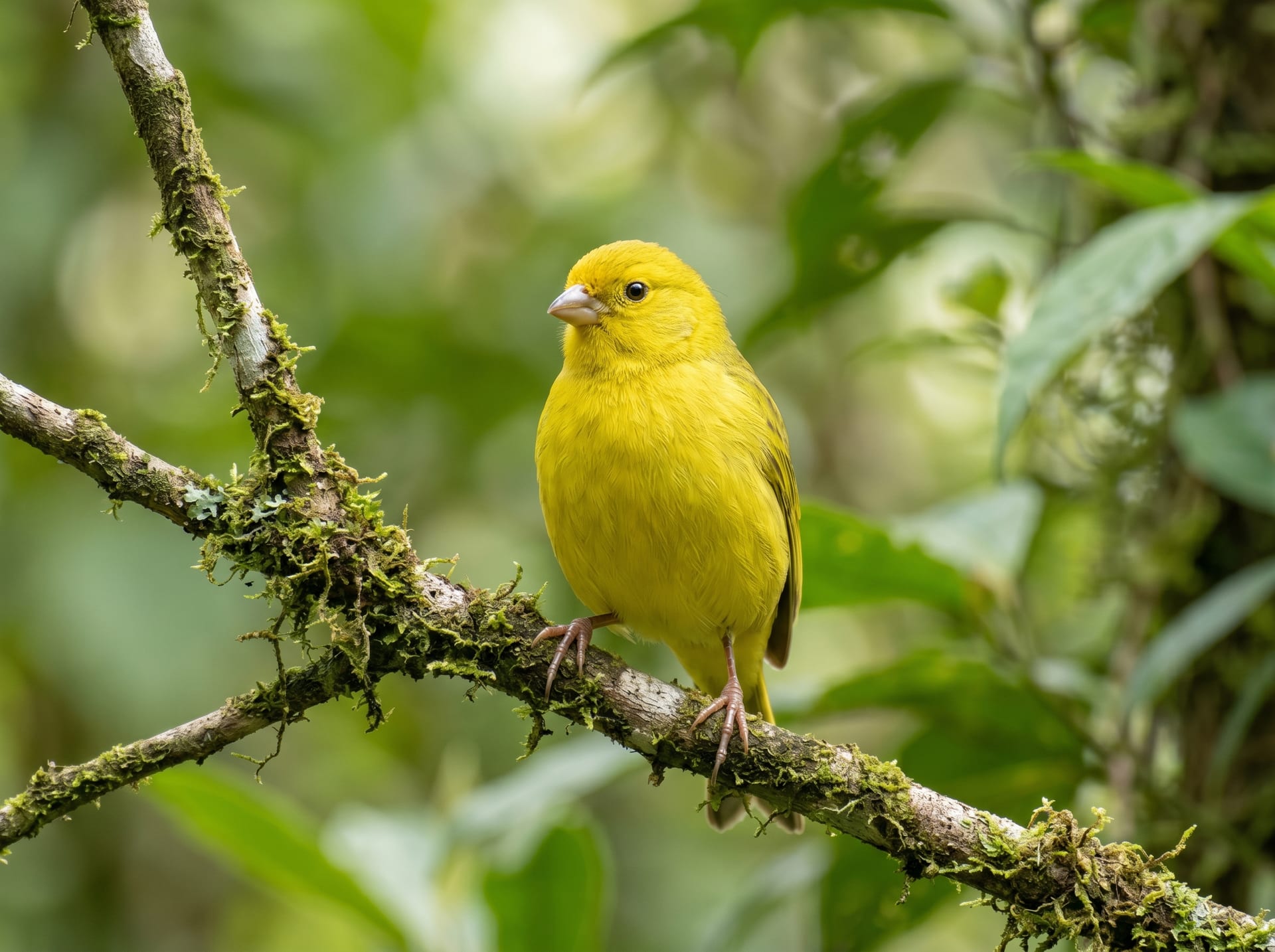
Among ornamental birds beloved around the world, canaries are particularly prized for their "singing voice." Their clear tone and rich expressiveness can be greatly developed through proper environment and training. This article explains everything from how canaries' song works to practical training methods and the breeding environment needed to draw out their singing voice, incorporating knowledge as of 2026 and written in an easy-to-understand way for first-time canary owners.
What Does a Canary's Song Sound Like? — Volume, Time of Day, and Season
Canaries produce two types of vocalizations: singing and calls.
Singing: Long songs made up of multiple phrases that males produce to assert territory and court mates. These can continue unbroken for tens of seconds, combining metallic high notes with soft, rounded tones.
Calls: Short single sounds like "chirp" or "peep" that both males and females produce. These serve a different purpose than singing—they're used for locating companions and signaling alarm.
Is It Loud? — A Volume Level That Works Even in Apartment Buildings
A canary's voice measures around 60–70 dB, roughly the same as human conversation. Unlike the piercing calls of parrots, macaws, and conures, canary song has a high, clear quality that is less jarring to the ear. This is why they have long been chosen as small birds that can be kept even in apartments—they do not typically vocalize continuously late into the night. However, if you place the cage near a window, it will respond to outdoor sounds and vocalize more readily; if sound leakage concerns you, positioning it closer to a wall will help keep the bird calmer.
Peak Singing Times and Seasons
Time Period / Time of Day
Singing Behavior
✍️
BreederDirect Editorial
The BreederDirect editorial team specializes in care information for animals, covering veterinary care and breeding to deliver beginner-friendly guides.
Find Birds on BreederDirect
Buy directly from verified breeders
Browse Related Listings
Find Birds listings related to this article on BreederDirect. Buy directly from verified breeders.
Sings most frequently. Most individuals begin singing at sunrise.
Spring to early summer
Annual peak of singing voice richness (triggered by longer daylight hours)
Autumn (molting period)
Stops singing almost entirely. A normal response as the bird directs its energy to feather replacement.
Winter
Shorter daylight results in reduced singing. Song may return if you supplement day length with lighting.
If your canary suddenly stops singing, first check whether it is in its molting period. If it is molting, song typically returns naturally within one to two months. If the bird stops singing without molting, suspect one of three causes: insufficient daylight, environmental changes (moving, relocating the cage, or a new animal companion), or illness. If fluffing (puffing feathers and remaining still) accompanies the silence, it is a sign of disease—consult an avian veterinarian.
Females Do Not Sing
Basically, only males sing. Females produce calls and short vocalizations, but do not deliver well-formed, phrased singing. If you want a canary for its song, confirm that you are purchasing a male before the transaction.
Song Character Varies by Breed
"Song canaries" bred specifically for their singing have different strains, and even among canaries the sound can differ significantly.
Roller Canary (Harz Roller): Sings with its beak nearly closed. Characterized by low, rounded, continuous rolling tones that flow without interruption.
Waterslager (Maranon): Soft song that includes liquid, flowing sounds reminiscent of water.
Spanish Timbrado: Bright, metallic, crisp song with a somewhat higher volume.
American Singer: A hybrid of Roller and Border strains, known for balanced, accessible song.
Your preference for a particular song character is largely determined at the stage of breed selection. Before bringing your canary home, the most reliable approach is to ask the breeder to show you recordings or videos of the parents' singing.
Canary Singing is Determined by Both Genetics and Learning
Canary singing, like that of many other birds, is formed by both inherited genetic traits and acquired learning. There is a foundation of vocal ability inherited from the parents, and this is built upon by the environment during the fledgling stage and the sounds the young bird hears, ultimately resulting in each individual's unique song.
Particularly noteworthy is the characteristic called "learning plasticity." During the fledgling stage, the auditory cortex of the brain is flexible, making it easy for the bird to imitate and absorb surrounding sounds. What the bird hears during this period has a major influence on the quality of its song thereafter. Conversely, this means that by skillfully leveraging this period, you may be able to draw out singing beyond the bird's original potential.
Note that basically only males sing. Females produce only minimal vocalizations during breeding behavior, so if beautiful singing is your goal, selecting a male is essential. If you are uncertain about sexing, it is reassuring to confirm directly with the breeder before purchase.
Song Learning Has a "Critical Period"
Canary song develops through distinct phases according to growth stage. To understand the right timing for training, it is important to grasp this developmental process.
Subsong Stage (2–3 Months Old)
Young birds at this stage begin practicing imperfect, whisper-like singing. The volume is low and phrases are not yet organized, but this is an important time when the bird is building up its vocal apparatus while taking in auditory information. Because the bird is sensitive to surrounding sounds, this is an ideal window for exposing it to high-quality audio sources.
Plastic Song Stage (4–8 Months Old)
This is the most critical stage, when the song pattern is formed. As the name "plastic song" suggests (from "plasticity"), the song structure is flexible at this stage, and the bird learns extensively from external sound sources and teacher birds. How much exposure to quality singing the bird receives during this period directly determines the quality of its song in adulthood.
Full Song Stage (8 Months and Older)
The song pattern becomes essentially fixed, and the bird can consistently deliver its fully formed song. Once a song is established, it is difficult to change significantly, so it is more important to provide thorough intervention during the plastic song stage rather than begin training at this point.
The Traditional Method of Using a Teacher Bird (Tutor)
Among canary breeders and enthusiasts, a time-honored method has been the "teacher bird approach"—placing a young bird near a male with an excellent song.
From around two months of age, place the young bird's cage near (in the same room or adjacent room to) a male with well-developed singing.
Even if the birds cannot see each other directly, the effect is sufficient as long as the song reaches the young bird.
Even a single teacher bird has tremendous influence. If multiple birds' voices are present, the young bird may become confused about which song to imitate, so it is most effective to select one particularly excellent individual.
The higher the quality of the teacher bird, the more refined the young bird's song becomes. A canary's singing from a good-quality breeder carries that same level of conviction.
Refining Song Through Audio Source Training
If you cannot provide a teacher bird, using CDs or digital audio sources is an effective approach. Commercially available "canary song training audio" also exists, with ideal song patterns for each breed recorded.
Key Points for Audio Source Training
Aim for 30 minutes to one hour of playback per day. Longer durations can result in overstimulation and prove counterproductive.
Set the volume to roughly the level of natural bird song (around 60–70 dB). Excessive volume causes stress.
Avoid irregular noise as much as possible, such as television, radio, or loud music. This disrupts the song pattern and causes loss of phrase cohesion.
Playback is best timed to morning through midday. Evening onward is when the bird is preparing for rest, making it unsuitable for song learning.
Setting Up the Breeding Environment to Enhance Singing
No matter how good the audio source, if the breeding environment is not proper, the bird cannot express its full song. Creating an environment where the canary wants to sing is the prerequisite for training.
A Quiet, Calm Space
In noisy places, canaries enter an alert state and suppress their voice rather than sing. Avoid areas with high foot traffic and noise, such as near televisions or front doors. When keeping canaries in apartments, consider placement with sound leakage to neighboring units in mind—this also helps prevent conflicts with neighbors.
Ensuring a Natural Light Cycle
Canary singing is closely related to daylight hours. Song becomes richest from spring to summer because days grow longer. Place the cage near a window where natural light reaches or manage the light cycle with a pet light to establish proper singing rhythm even indoors.
Nutritionally Balanced Diet
Proper nutrition is essential for maintaining the vocal muscles used in singing. Use canary-specific seed mix as the foundation and combine it with leafy greens, egg-based food, and cuttlebone (for calcium supplementation). During molting season (early autumn), the bird expends considerable energy, so conscious nutritional management is important. It is reassuring to understand in advance how much the annual costs of feed and cage supplies will be.
Minimizing Stress
Unfamiliar visitors, proximity to potential predators (dogs and cats), and frequent cage moves all cause stress. A stable environment where the canary can relax is the greatest foundation for developing its song.
BreederDirect's Safe and Secure System
To truly enjoy canary singing, the most reliable shortcut is to acquire one from a breeder who focuses on song quality. BreederDirect is a live-animal direct-sales platform that connects you directly with breeders across the country.
Many breeders allow you to view videos of parent birds' singing, so you can understand the lineage's song character before purchase.
You can ask questions and consult with breeders directly via chat, so you can get advice on training methods and breeding tips before purchase.
With direct sales and no middleman, health transparency is high and the animal's background is clear.
An environment is in place for ongoing communication with the breeder even after purchase, so even first-time owners can start with confidence.
How to identify a trustworthy breeder is explained in detail in the bird buying guide, so it is reassuring to check this before bringing your canary home. The bird annual care cost guide, which includes feed and cage supplies, is also helpful.
Beautiful singing emerges from the combination of an individual with excellent traits and careful environment and training. Find a trustworthy breeder on BreederDirect and begin life with your own uniquely beautiful-voiced canary.