Annual Bird Care Cost Guide | From Budgerigars to Cockatiels
An explanation of annual bird care costs by species. A summary of expenses for cages, food, toys, veterinary fees, and heating equipment, as well as essential expenses for maintaining health.
Key Takeaways
An explanation of annual bird care costs by species. A summary of expenses for cages, food, toys, veterinary fees, and heating equipment, as well as essential expenses for maintaining health.
Related Species
When thinking about getting a bird, the first concern is likely the question: "How much will it actually cost?" While food costs are lower than for dogs and cats, there are often overlooked expenses such as electricity for heating equipment and regular veterinary fees. In this article, we will explain in detail the initial costs and running costs for representative species including budgerigars and cockatiels. We hope this will be helpful as a reference for those considering bringing a bird into their home. We also recommend reviewing the bird welcome pre-preparation checklist for general preparation before welcoming your bird.
Initial Costs | Varies Greatly by Species
When starting to keep birds, the initial costs consist of two categories: "the bird itself" and "care equipment." Since the price of the bird varies greatly depending on the species, let's first compare two representative species. For detailed information on how to choose a cage, please refer to bird cage selection and setup guide.
Initial Costs for Budgerigars
Item
Cost estimate
Bird
¥2,000–5,000
Cage
¥3,000–10,000
Perches and swings
¥500–2,000
Food and water dishes
¥500–1,000
Heat lamp and thermostat
✍️
BreederDirect Editorial
The BreederDirect editorial team specializes in care information for animals, covering veterinary care and breeding to deliver beginner-friendly guides.
Find Birds on BreederDirect
Buy directly from verified breeders
Browse Related Listings
Find Birds listings related to this article on BreederDirect. Buy directly from verified breeders.
Budgerigars are easy to obtain and reasonably priced, but heating equipment cannot be skipped. In particular, a thermostat should always be prepared as an initial investment.
Initial Costs for Cockatiels
Item
Cost estimate
Bird
¥15,000–40,000
Large cage
¥8,000–20,000
Heating equipment set
¥3,000–8,000
Other supplies
¥2,000–5,000
Estimated total
Approx. ¥28,000–73,000
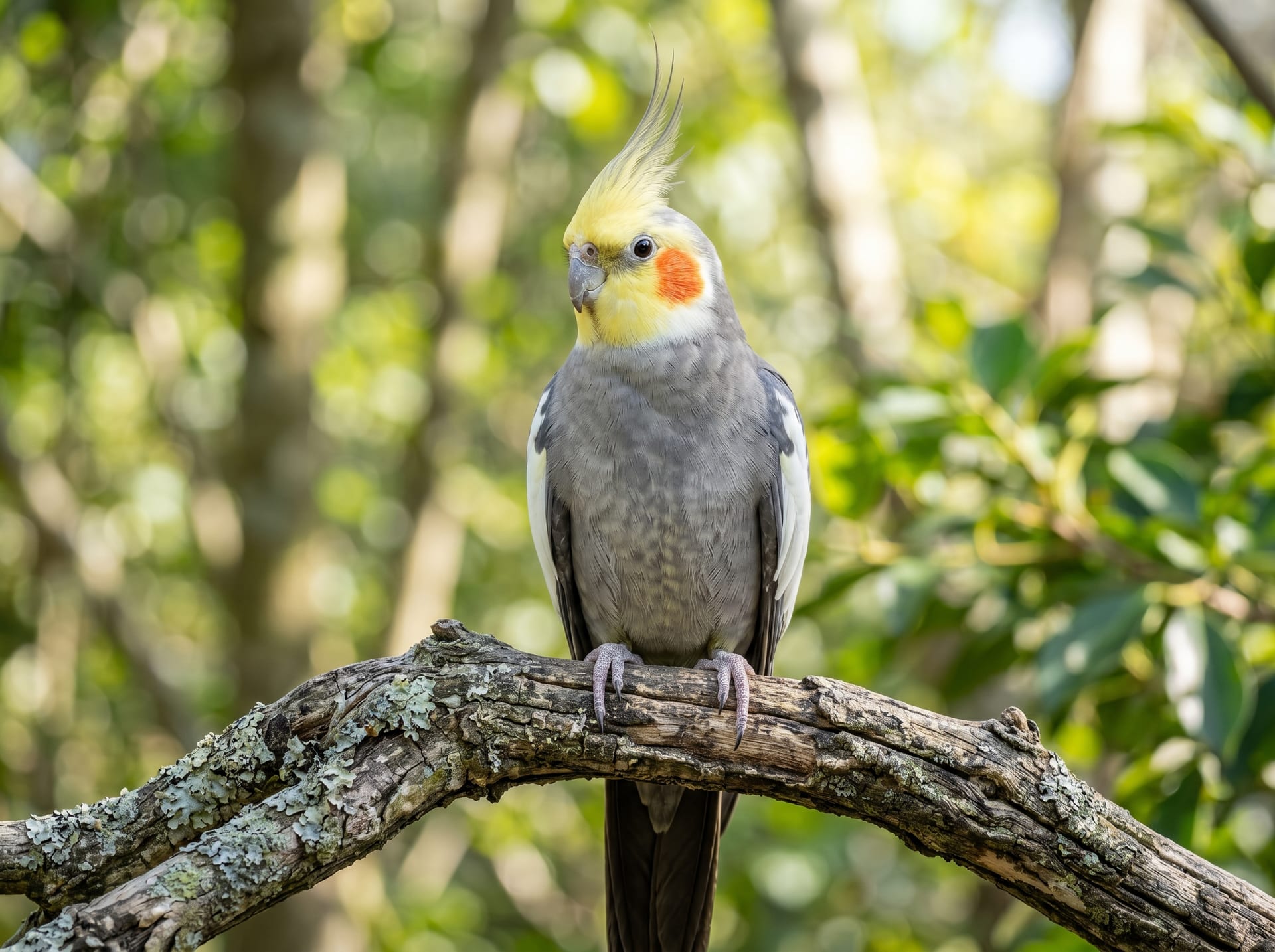
Because cockatiels are larger, a large cage is necessary. Bird prices are also wide-ranging, and depending on color and bloodline, they can exceed ¥50,000. The personality differences and ease of care between the two species are detailed in budgerigar vs. cockatiel comprehensive comparison.
Price and Market Price by Species | How Much Does a Bird Itself Cost?
Separate from "care costs," the price of the bird itself (bird price) is also a concern. Since prices vary from a few thousand yen to tens of thousands of yen depending on species, color, and age, we have compiled a list of market prices for representative species.
Species
Bird price range
Notes
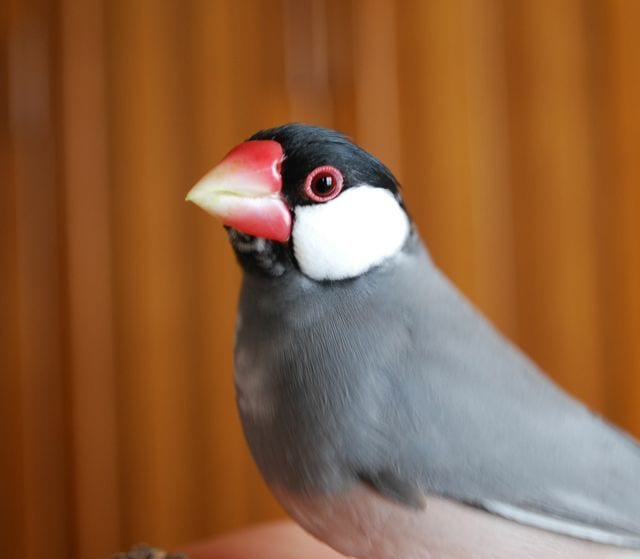
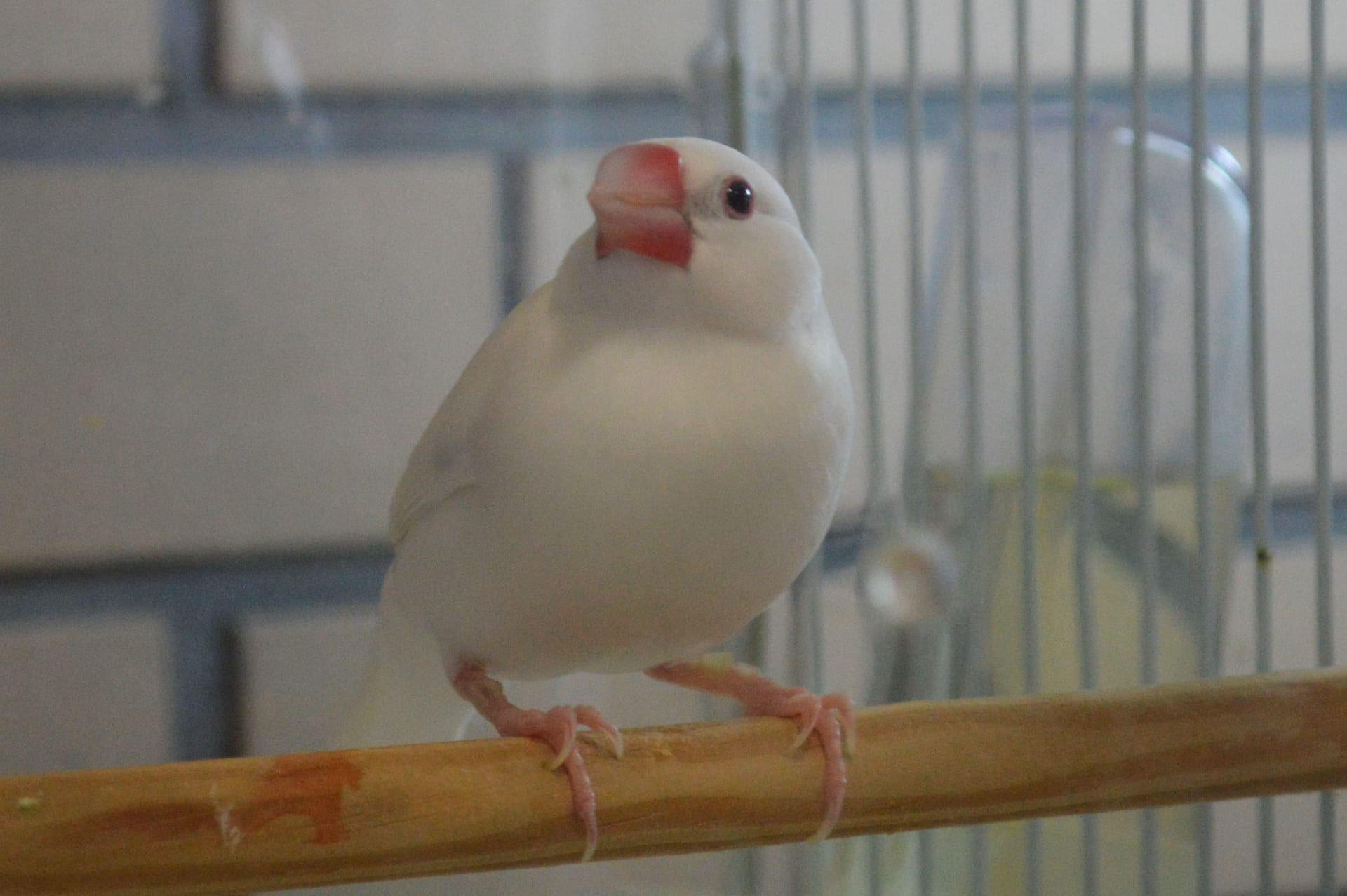
Java Sparrow
¥3,000–8,000
Cherry Java sparrows are most affordable. White and cinnamon varieties are slightly higher.
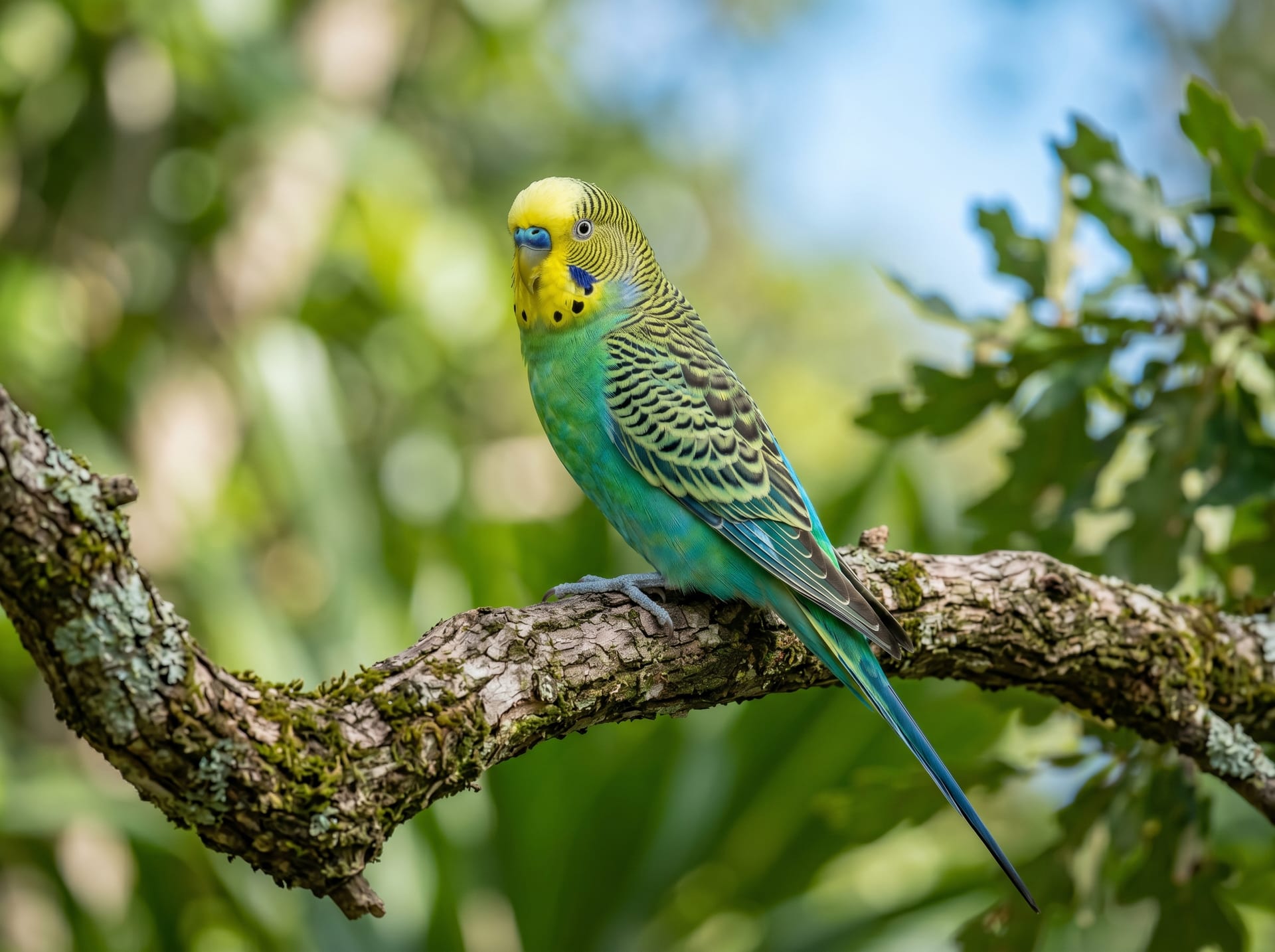
Budgerigar
¥2,000–5,000
Normal colors. Rare colors and harlequin varieties are ¥8,000–15,000.
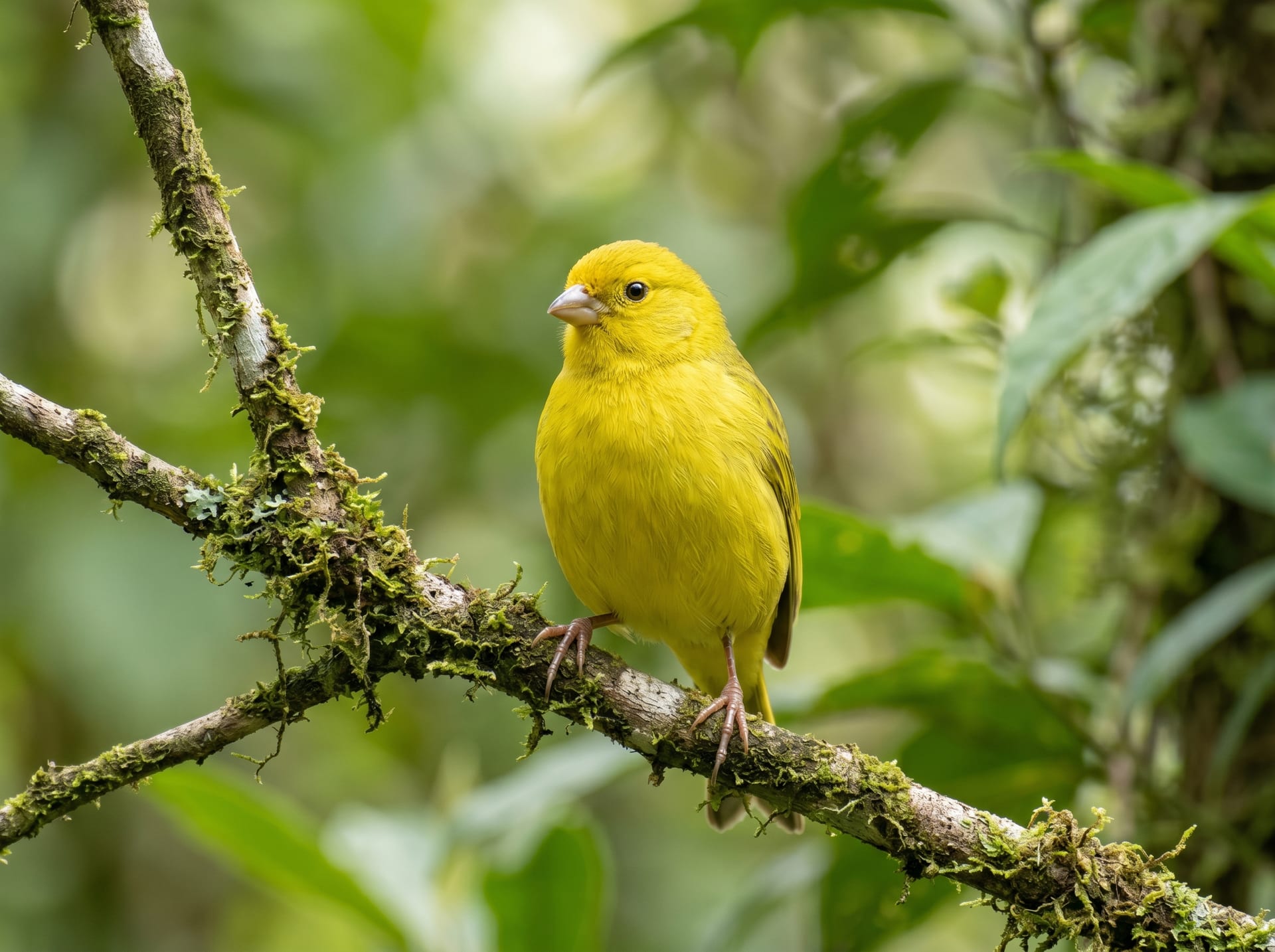
Canary
¥5,000–15,000
Bloodlines with particular emphasis on song quality can exceed ¥30,000.
Peach-faced Lovebird
¥8,000–20,000
Rare colors are ¥25,000 or higher.
Cockatiel
¥15,000–40,000
Popular colors such as lutino and whiteface are ¥40,000–70,000.
Parrotlet
¥50,000–100,000
Prices vary depending on morphs such as pineapple and cinnamon.
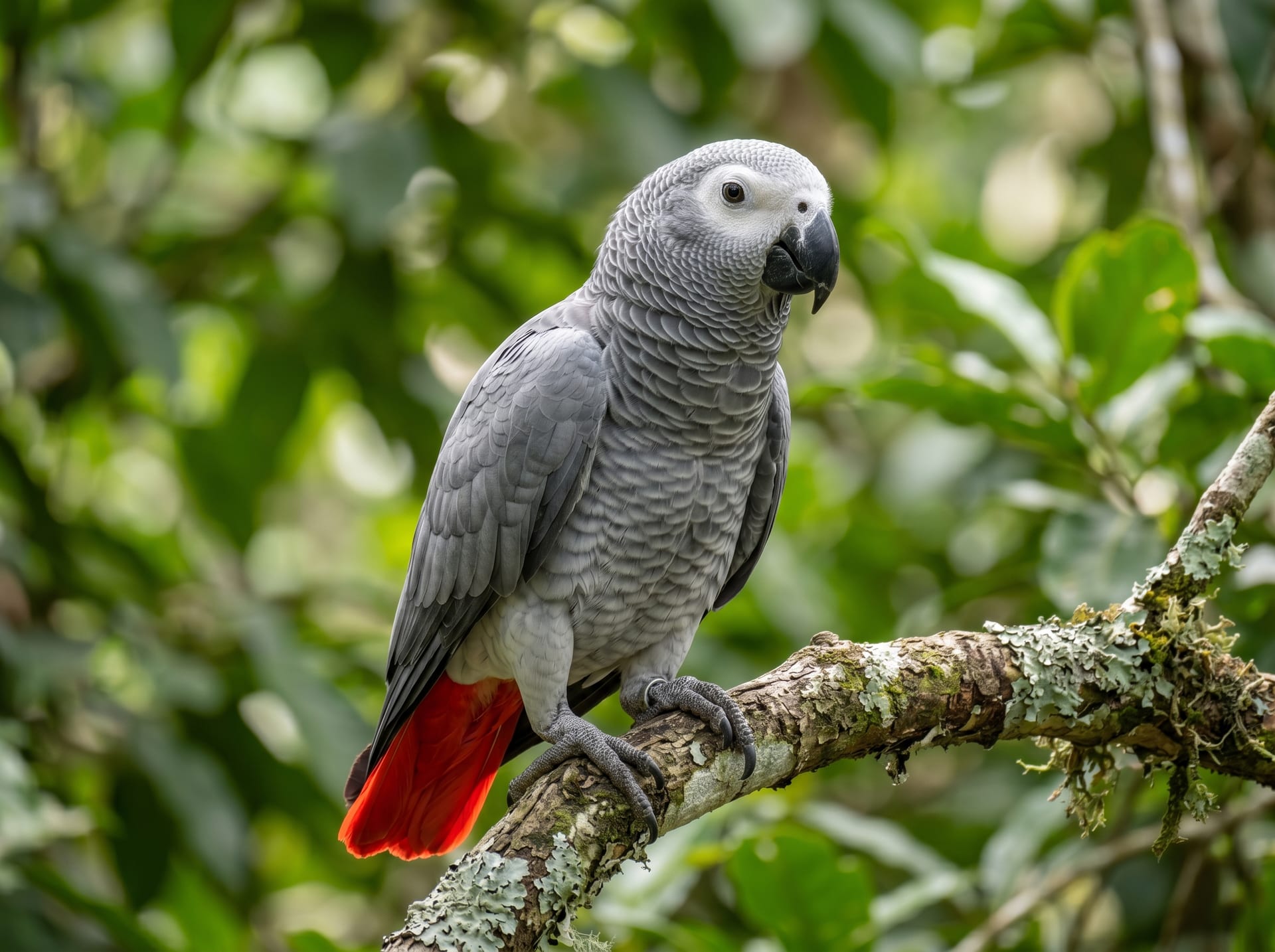
African Grey Parrot
¥300,000–600,000
Listed as an internationally protected endangered species. Verification of registration documents is essential.
Four Factors That Affect Price
Color and morph: Even within the same species, coloration can create price differences of several times. The price difference between normal and whiteface cockatiels is a typical example.
Hand-tamed or parent-raised: "Hand-tamed" birds, which were hand-fed during the hand-feeding stage, are more expensive than "parent-raised" birds. If you prioritize a bird that becomes tame easily, it's worthwhile to choose hand-tamed birds.
Age: Chicks nearing the end of the hand-feeding stage are most expensive, with prices tending to decrease as they mature into adults.
Bloodline: Individuals bred specifically for desired traits—such as song quality in canaries or body size in cockatiels—command prices higher than the market average.
Important Notes When Considering African Grey Parrots
African Grey Parrots are listed in Appendix I of the Convention on International Trade in Endangered Species (CITES), and are also subject to Japan's Act on Conservation of Endangered Species of Wild Fauna and Flora. Individuals without registration documents (registration identification numbers) cannot be legally bought or sold. Do not make decisions based solely on price; always verify the registration documents themselves.
Differences Between Pet Shops and Direct Breeder Sales
Even for the same species, prices tend to be lower when purchasing directly from a breeder rather than through a pet shop with intermediaries. However, more significant than the price difference is knowing the parent bird information and rearing environment. Above all, having someone to consult after bringing your bird home is invaluable to first-time bird owners in ways that are difficult to quantify in monetary terms.
Essential to ongoing care are monthly running costs such as consumables, food, and electricity. Although each amount may seem small, they accumulate into significant expenses, so it's important to understand them in advance.
Expense
Budgerigar
Cockatiel
Seed and pellets
¥300–800
¥500–1,500
Supplementary food (vegetables and fruit)
¥200–500
¥300–600
Toys and consumables
¥200–500
¥300–800
Electricity (heating)
¥300–1,500
¥300–1,500
Bedding and cleaning supplies
¥100–300
¥100–300
Monthly total
¥1,100–3,600
¥1,500–4,700
Heating electricity costs vary significantly by season. In winter, it's not uncommon for the heat lamp to run 24 hours a day, resulting in monthly costs around ¥1,500. Using a thermostat to run the heat only when needed helps reduce unnecessary consumption. If you're unsure about choosing feed, refer to the seed and pellet comparison guide.
Annual Regular Costs and Medical Expenses | Preparation Brings Peace of Mind
In addition to monthly costs, don't forget periodic expenses that occur several times a year. In particular, veterinary visits should be firmly accounted for in your budget.
Item
Estimated cost
Health checkup (1–2 times annually)
¥3,000–8,000
Heat lamp replacement
¥1,000–2,000
Cage cleaning and disinfection supplies
¥500–1,000
Toy replacement
¥2,000–5,000
Birds have a tendency to hide illness, making regular health checkups (1–2 times annually) important for early detection. Treatment costs when illness occurs can run ¥5,000–30,000 per visit. Consider getting pet insurance, or build a habit of setting aside ¥1,000–2,000 monthly for medical expenses to have peace of mind. How to identify signs of illness is summarized in 10 signs of bird illness.
Annual Maintenance Costs by Species
Summarizing annual maintenance costs (food, utilities, medical expenses, consumables, etc.) excluding initial costs, the following is the breakdown:
Species
Annual maintenance cost (estimate)
Characteristics
Budgerigar
Approx. ¥18,000–50,000
Ideal as an introductory species. Costs are relatively affordable.
Peach-faced Lovebird
Approx. ¥20,000–55,000
Affectionate and tame easily. Vocalizations are quite loud.
Cockatiel
Approx. ¥25,000–65,000
Gentle and easy to keep for beginners; a medium-sized species.
Parrotlet
Approx. ¥25,000–60,000
Active and playful. Toy expenses are significant.
African Grey Parrot (large)
Approx. ¥50,000–120,000
Highly intelligent and long-lived. Lifetime costs can be in the millions of yen.
Large parrots such as African Greys have lifespans of 40–50 years, making long-term financial planning essential. You must be prepared for "lifelong care," keeping in mind the possibility that your bird may outlive you. For information on typical lifespans, refer to the bird lifespan guide.
Tips for Wisely Reducing Care Costs
Reducing costs and protecting your bird's health are not mutually exclusive. With proper knowledge, you can maintain a fulfilling care environment while keeping expenses down.
Transitioning to pellet-based diet: Feeding seeds alone tends to create nutritional imbalances. Making pellets the primary food eliminates the need for vitamin supplements and similar additives, also contributing to disease prevention.
Optimizing electricity costs with a thermostat: A thermostat that automatically turns off when the set temperature is exceeded is essential. It also extends the lifespan of heat lamps, contributing to long-term cost reduction.
Using homemade toys: You can make toys from safe materials such as wooden sticks, cardboard, and paper cups. While being careful about the risk of accidental ingestion, you can significantly reduce costs.
Preventing illness progression through regular checkups: Early detection and early treatment are the most effective ways to minimize treatment costs. Search in advance for a bird-specialist or bird-knowledgeable veterinary clinic.
Saving on feed costs through bulk purchasing: Buying pellets and seeds in bulk reduces the unit price. However, don't forget to store them in airtight containers and manage inventory properly to maintain freshness.
BreederDirect's Safe and Secure System
When getting a bird, "where to purchase from" significantly affects not only cost but also health status and ease of care. BreederDirect is a platform where you can purchase directly from breeders.
Purchasing through BreederDirect offers the following benefits:
Clear health status: Since breeders raise chicks from the earliest stages, you can directly confirm detailed health information such as appetite, droppings, and feather development.
Care advice available: You can ask questions about care methods even after purchase, allowing beginners to start with confidence.
Easier to obtain hand-tamed chicks: You can welcome chicks that breeders have properly hand-trained, reducing the time to taming and building trust with your owner early. For details, see the bird hand-feeding and hand-taming guide.
Purchase at fair prices: Because direct sales bypass intermediaries, transactions occur at prices commensurate with quality.
Life with a bird becomes richer when you have proper knowledge and understand the costs involved. Find a trusted breeder through BreederDirect and welcome a family member you'll love for years to come.