Pre-Adoption Checklist for Pet Birds | Essential Items and Preparation
Essential supplies and home environment checklist before welcoming a pet bird. A complete list of necessary items including cages, perches, food bowls, and heating equipment.
Key Takeaways
Essential supplies and home environment checklist before welcoming a pet bird. A complete list of necessary items including cages, perches, food bowls, and heating equipment.
Related Species
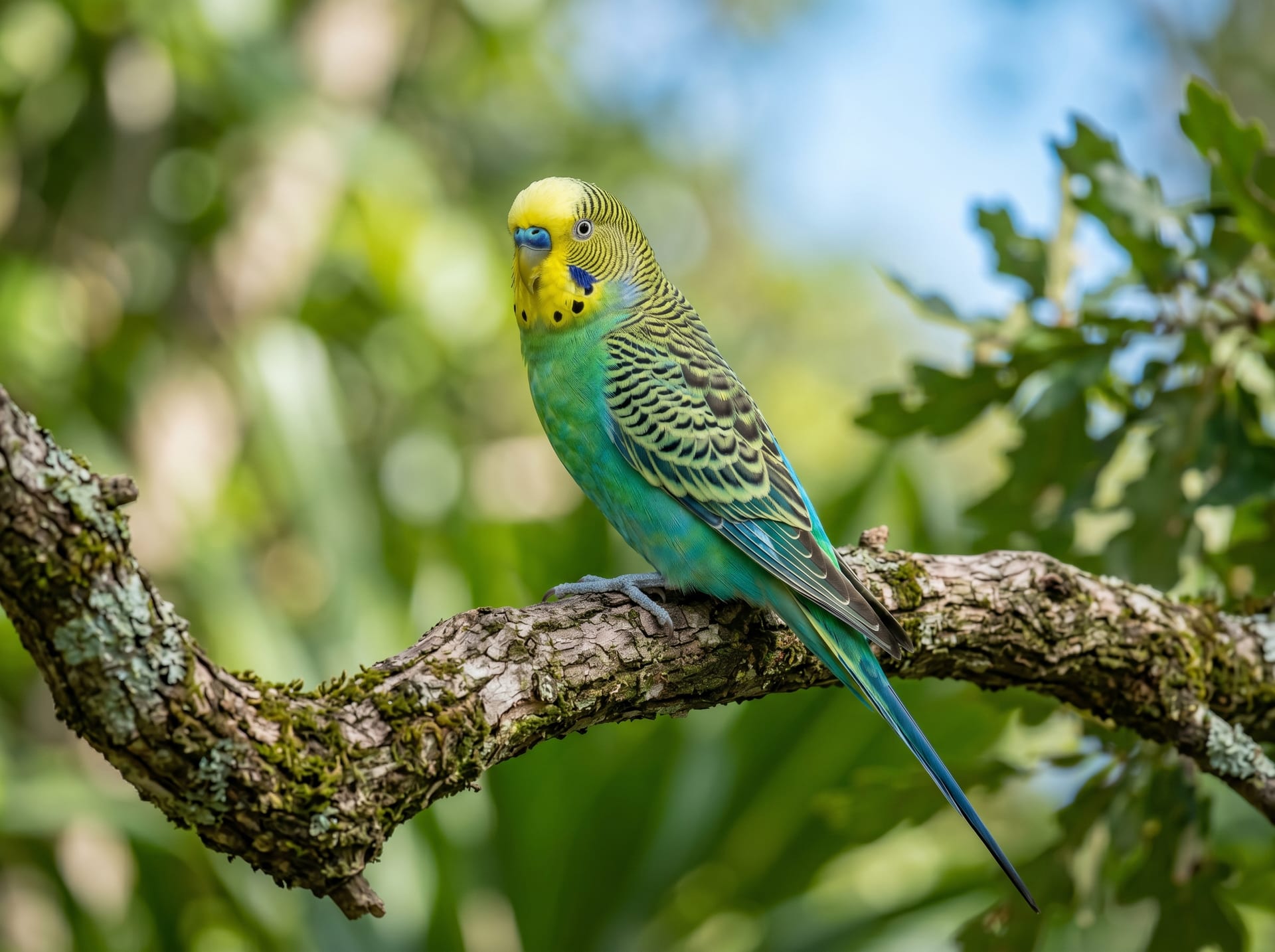
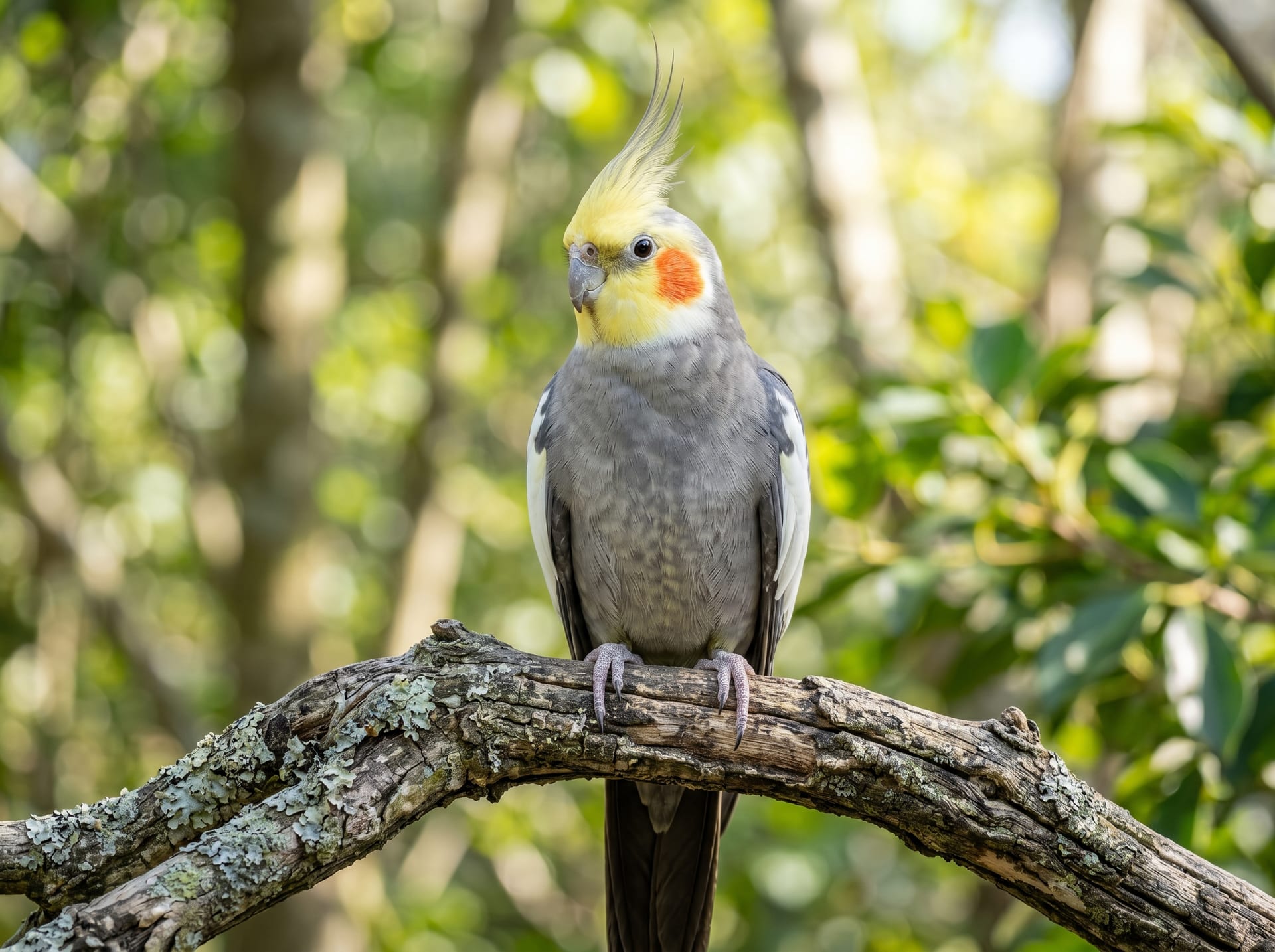
Once you've decided to bring a bird home, make sure to prepare thoroughly before the big day. Thinking "I can buy whatever I need later" can cause stress to the bird from living in an improper environment. In particular, setting up a proper heating environment is critical to the bird's health—preparation beforehand is non-negotiable. This article comprehensively covers everything you need: items to purchase before bringing your bird home, home environment checkpoints, and the necessary steps on adoption day.
Choosing a Cage and Perches
The cage is the center of your bird's daily life. Choose a size appropriate for your bird's species.
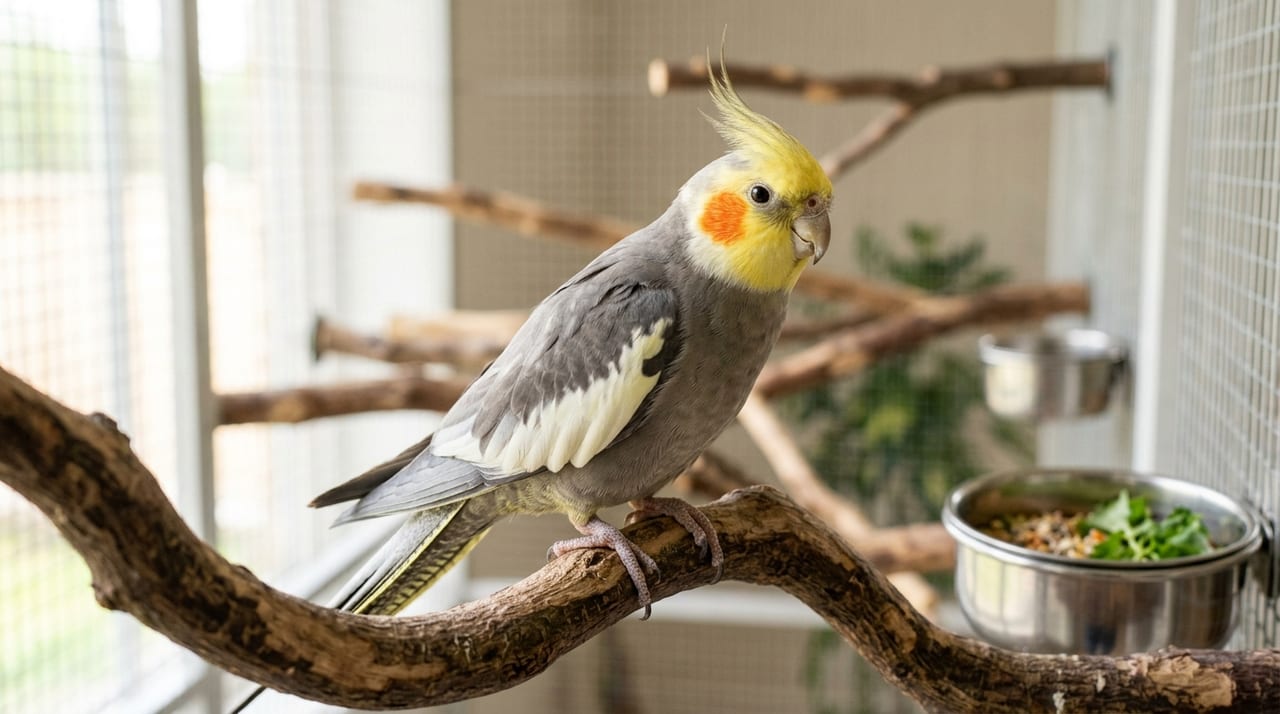
- Cage Body: At minimum, the cage must be large enough for the bird to fully spread its wings without touching the walls. For budgies, a width of at least 35cm is recommended; for cockatiels, at least 45cm. However, choosing a larger cage is ideal if possible.
- Perches: Prepare 2-3 perches of different thicknesses. Using perches of the same thickness creates pressure on the same spots on the feet, which can lead to bumblefoot.
- Natural Wood Perches: These place less stress on the feet than plastic perches and naturally prevent overgrown nails with their textured surfaces. Apple wood and cherry wood are popular choices.
- Cage Cover: Essential for blocking light at night and providing warmth. Choose a thick fabric cover that offers breathability while providing good light-blocking.
- Cage Material: Stainless steel is the safest and most durable. Plated cages carry the risk of the bird chewing and ingesting coating, making them unsuitable for birds with strong chewing habits.
Food Bowls, Water Bowls, and Nutritional Supplements
- Food Bowl: Cage-mounted types are convenient. Separating seed bowls from pellet bowls makes management easier and helps you track food intake.
- Water Bowl: Cup-style bowls are recommended for easy daily changing. Bottle-style bowls make it harder to see water level changes and are more difficult to keep clean, so cup-style is recommended for beginners.
- Small Side Dish: Prepare 1-2 small dishes for vegetables and fruits. Stainless steel is hygienic and easy to clean.
- Cuttlebone (cuttlefish bone): An essential source of calcium. Attach it to the cage bars.
- Oyster Shell Powder: As a source of calcium and minerals, keep it ready in a small dish for peace of mind.
Heating Equipment: The Most Critical Item for Your Bird's Health
The most important aspect of bird health management is proper heating. Temperature control is especially critical for young birds and sick birds—it's literally a matter of life and death.
- Pet Heater: There are two types: panel heaters (placed outside the cage) and heat lamps (placed inside or outside the cage). For beginners, heat lamps that work easily with a thermostat are recommended.
- Thermostat: A temperature controller that automatically turns on/off at a set temperature. Purchasing this together with a heater is essential to prevent overheating or excessive cooling.
- Thermometer/Hygrometer: Install near the cage to continuously monitor temperature and humidity. A digital version that records high and low temperatures is convenient.
- Vinyl Cover or Acrylic Case: Significantly improves heating efficiency in winter. However, avoid sealing too tightly, as this can cause oxygen depletion and condensation—always ensure adequate ventilation.
For more details on winter heating management, see Winter Bird Care and Cold Weather Precautions.
Toys and Enrichment Items
Birds are intelligent and can develop behavioral problems like feather plucking if they lack environmental stimulation and become stressed.
- Swing: A gently swinging swing is a classic favorite among most birds.
- Chew Wood: Allows the bird to relieve stress and maintain healthy beak condition through chewing.
- Bell Toys: Sound-producing toys stimulate curiosity.
- Foraging Toys: Toys that hide food and encourage foraging, satisfying the bird's natural curiosity.
Too many toys can make the cage feel cramped. Aim for 2-3 toys, rotating them every couple of weeks to prevent boredom.
Home Environment Checklist: Must Verify Before Adoption
Check your home environment thoroughly before bringing a bird home.
- Placement: Ideally, choose a room away from direct sunlight and air conditioning drafts, with moderate human traffic. Position the cage against a wall to create a calm space for the bird.
- Teflon-Coated Products: Toxic fumes from overheated non-stick cookware are fatal to birds. Either keep the cage away from the kitchen or replace cookware with cast iron or stainless steel.
- Eliminate Hazardous Products: Essential oils, air fresheners, insecticides, and incense are harmful to birds' respiratory systems. Avoid using them or never use them in rooms where the bird is kept.
- Other Pet Safety: If you have cats or dogs, physical barriers to prevent access to the cage are essential.
- Escape Prevention: Establish and share door and window opening rules with all family members to prevent escape when the bird is out of the cage.
- Toxic Plants: Check for toxic houseplants like avocado, poinsettia, and lilies that are harmful to birds.
- Collision Prevention: Mirrors and glass windows are common causes of collision accidents during out-of-cage flight time. Close curtains or place decals on windows to prevent collisions.
Adoption Day: Steps and Important Notes
- Complete Cage Setup: Install all perches, food, water, and heating equipment in advance, and confirm the temperature is stable.
- Prepare Transport Carrier: A small plastic carrier is safest. In winter, wrap a heat pack in a towel and attach it to the outside of the carrier to maintain warmth.
- Let Them Adjust: For the first 2-3 days while the bird adjusts to its new environment, avoid excessive handling. Gentle conversation is fine, but don't force the bird onto your hand.
- Monitor Food Intake: Environmental changes can reduce appetite. If the bird doesn't eat for more than 24 hours, consult an avian veterinarian immediately.
- Research Veterinarians Beforehand: Not all veterinary clinics treat birds. Before bringing your bird home, research nearby avian or exotic animal specialists.
For signs of bird illness and troubleshooting, also check Bird Disease and Troubleshooting Guide.
Adopt with Confidence Through BreederDirect
For those anxious about preparation, the ability to consult directly with a breeder is tremendously reassuring. Breeders know their birds' personalities and preferences intimately, and can provide specific advice on recommended food, cage size, and care tips.
With BreederDirect, you can confirm the breeder's care environment and track record through photos before purchasing, and continue to consult via message after bringing your bird home. If you're a first-time bird owner feeling anxious, we encourage you to take advantage of BreederDirect's breeder direct sales. If you're unsure which species to choose, see also Popular Pet Bird Species Comparison.