Complete Guide to Bird Enrichment & Cognitive Toys | Keeping Your Birds Engaged
Explore the importance of bird enrichment (environmental enrichment) and practical methods. We introduce the types of cognitive toys and how to choose them, DIY toy ideas, and practical ways to implement foraging (natural feeding behavior) enrichment.
Key Takeaways
Explore the importance of bird enrichment (environmental enrichment) and practical methods. We introduce the types of cognitive toys and how to choose them, DIY toy ideas, and practical ways to implement foraging (natural feeding behavior) enrichment.
Related Species
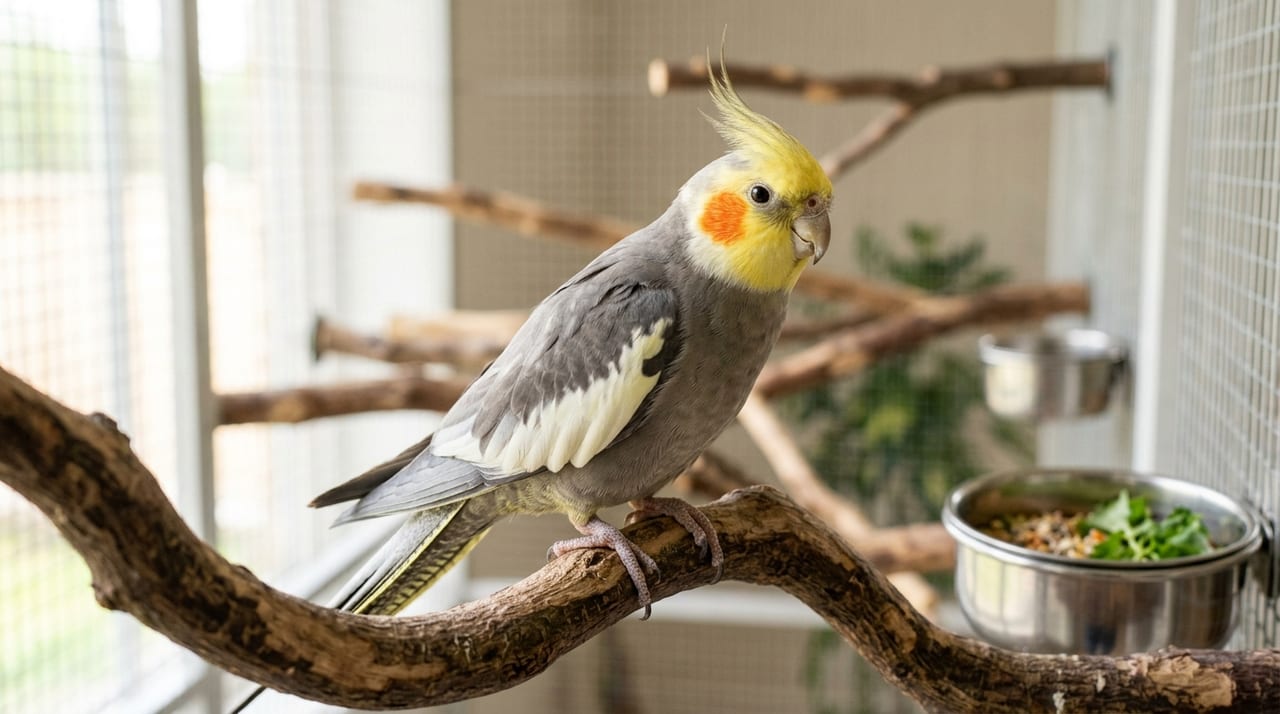
Enrichment (environmental enrichment) is an essential element for pet birds to live a healthy and happy life. Wild birds spend much of their day foraging, socializing, and exploring their environment, but these activities are severely restricted in captivity. Boredom is a serious source of stress for birds and can lead to behavioral problems such as feather plucking, self-biting, excessive vocalization, and aggression.
Types of Enrichment
Bird enrichment can be broadly classified into five categories.
- Foraging Enrichment (Natural Feeding Behavior): Wild birds spend 60–80% of their waking hours foraging for food. In captivity, simply placing pellets in a food dish does not satisfy this instinctive behavior. The most important enrichment is to encourage the full sequence of behaviors—searching for food, extracting it, and removing shells—that birds naturally perform.
- Physical Enrichment: This involves varying the environment inside and outside the cage. It includes rearranging perches, introducing new toys, and providing opportunities to interact with different materials such as wood, leather, paper, and rope.
- Sensory Enrichment: This stimulates sight, hearing, touch, and taste. Examples include views outside windows, music or natural sounds, bathing opportunities, and foods with varied textures.
- Social Enrichment: This includes interaction with the owner, contact with other birds, and interaction with mirrors (though excessive mirror use can trigger behavioral problems, so caution is advised). Birds are highly social animals, and face-to-face interaction for a minimum of several hours per day is recommended.
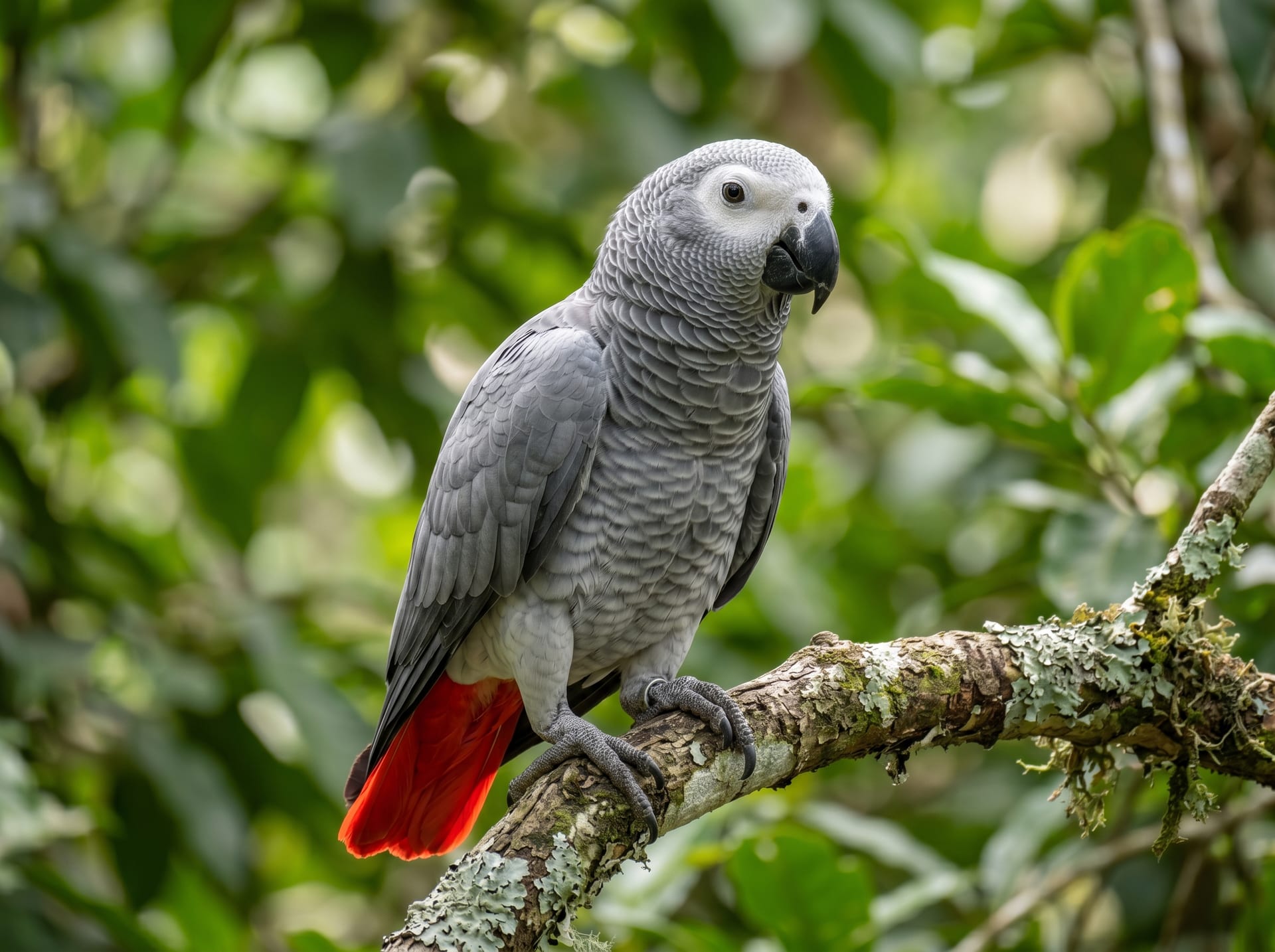
- Cognitive Enrichment: This involves presenting problem-solving challenges. Examples include puzzle feeders, training, and learning new tricks. For highly intelligent species like African Grey Parrots and Macaws, cognitive stimulation is essential.
Types of Cognitive Toys and How to Choose Them
There is a wide variety of commercially available cognitive toys for birds. Choose one that matches your bird's species and size.
- Destructible Toys: Made from materials such as paper, cardboard, balsa wood, and palm fiber, these toys are designed for birds to shred with their beaks. While they are consumables meant to be destroyed, they are an important item for satisfying birds' natural chewing urges. Parrots in particular have a strong drive to destroy objects with their beaks, and failing to meet this need can lead to behavioral problems such as chewing on furniture and cage bars.
- Puzzle Feeders: Toys where treats are hidden inside and must be extracted by pulling, lifting, or opening. These come in graduated difficulty levels, allowing you to select one appropriate to your bird's ability. Start with an easy puzzle and progress to the next level once your bird has mastered it.
- Hanging Toys: Toys with beads, wooden blocks, metal bells, and other items hanging from rope or chains. The swaying motion attracts birds' interest, and they enjoy grasping and playing with them using their beaks and feet.
- Foot Toys: Small balls, whifflballs, wooden rings, and other toys that birds can grasp and manipulate with their feet. These are suitable for medium to large parrots.
- Selection Tips: It is crucial to choose toys that match your bird's size. Toys that are too small pose a risk of ingestion, while those that are too large may frighten your bird. Select non-toxic, dye-free materials and avoid galvanized metal parts, which are harmful to birds. Stainless steel and food-grade plastic are safe choices.
DIY Enrichment Ideas
You can create effective enrichment without spending much money.
- Paper Cup Foraging: Place pellets or seeds inside a paper cup and cover the top with paper as a lid. This is a simple foraging toy where birds must peck through the paper to extract the food inside. To increase difficulty, layer the paper or stack multiple cups.
- Tissue Box Puzzle: Fill an empty tissue box with shredded newspaper and hide treats inside. This encourages birds to forage by scratching through the paper to find the treats.
- Pinecone Treats: Spread unsalted, unsweetened nut butter in the crevices of a pinecone and roll it in seeds. This makes an excellent natural foraging toy. Use pesticide-free pinecones and sterilize them by baking at 200°C (392°F) for 20 minutes before offering to your bird.
- Shredded Paper Foraging: Scatter shredded paper on the cage floor and mix pellets throughout it. This encourages birds to forage by sifting through the paper to find food. Avoid inked paper and use unbleached paper for safety.
- Skewered Vegetables and Fruit: Thread vegetables such as broccoli and carrots, and fruits such as apple, onto a stainless-steel skewer and attach it to the cage. Chewing while eating extends foraging time and promotes interest in fresh foods.
How to Introduce Foraging
Here is how to gradually introduce foraging to birds that are not yet accustomed to it.
- Level 1 Visible: Place food in a clear container (such as the bottom half of a plastic bottle) in front of your bird. Since the food is visible, the bird learns to place its beak into the container and extract the food.
- Level 2 Partially Hidden: Cover the container with thin paper, leaving the food half-visible. This adds one step—your bird must peck or lift the paper to reach the food.
- Level 3 Completely Hidden: Hide the food completely so your bird must perform actions such as pecking through paper, opening a lid, or pulling out a drawer to access the food.
- Level 4 Multiple Steps: Introduce puzzle feeders that require multiple operations. These might require your bird to turn a lid, pull out a drawer, and scratch through paper to finally reach the food—a multi-step foraging challenge.
At first, place a regular food dish alongside the foraging toy to ensure your bird does not go hungry. Once your bird has learned to extract food from the foraging toy, gradually reduce the amount of food in the regular dish.
Toy Rotation
Birds will grow bored if the same toy remains in the cage indefinitely. By rotating 3–5 toys weekly, you can provide constant fresh stimulation. When introducing a new toy, show it to your bird outside the cage first to help them become accustomed to it before placing it inside. This prevents fear reactions. Cautious birds in particular may show strong wariness toward novel objects.
Socially Developed Birds from BreederDirect
To maximize the benefits of enrichment, it is important to adopt a bird that has been properly socialized from a young age. At BreederDirect, you can acquire healthy birds directly from breeders who have raised them with diverse stimulation, and you can also receive advice on the types of toys and play styles your bird prefers.