How Long Do Pet Birds Live? Tips for Longevity by Species
Pet bird lifespans vary greatly by species, from around 8 years for budgies to over 50 years for macaws. This guide covers average lifespans for popular species and the secrets to longevity including diet, exercise, and mental care.
Key Takeaways
Pet bird lifespans vary greatly by species, from around 8 years for budgies to over 50 years for macaws. This guide covers average lifespans for popular species and the secrets to longevity including diet, exercise, and mental care.
Related Species
How Long Do Pet Birds Live?—Lifespans Vary Greatly by Species
Before bringing a pet bird home, it is essential to know in advance how long you will be able to spend together. Compared to dogs and cats, birds are animals with an extremely wide range of lifespans depending on the species. Small species like Java sparrows typically live 7–8 years, and budgies around 10 years, but large macaws can reach 40–60 years and in some cases even outlive their owners.
In other words, bringing a bird into your home is, in some cases, equivalent to gaining a lifelong partner. For this reason, understanding the average lifespan for each species and creating an environment to support longevity is the first step toward responsible bird ownership.
Average Lifespans by Species
Long-Lived Species (20+ Years)
Large parrots and macaws are especially long-lived, sharing years with their owners that can significantly impact their life plans.
Macaw: 40–60 years. Known for high intelligence, sometimes compared to a 5-year-old child. It is necessary to plan for who will care for the bird after the owner passes away.
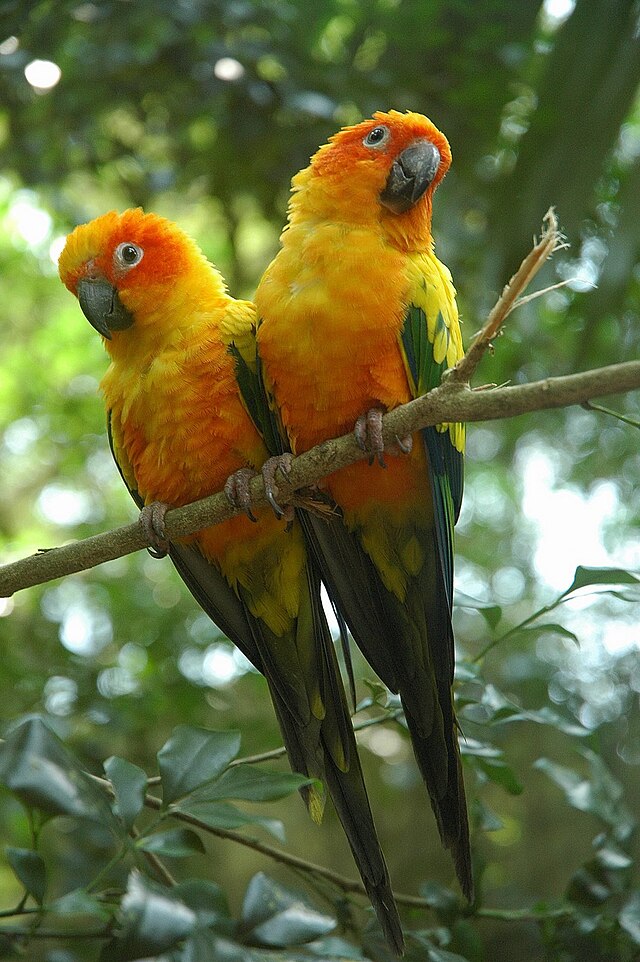
Golden-capped Conure: 20–30 years. Characterized by bright yellow plumage and an active personality.
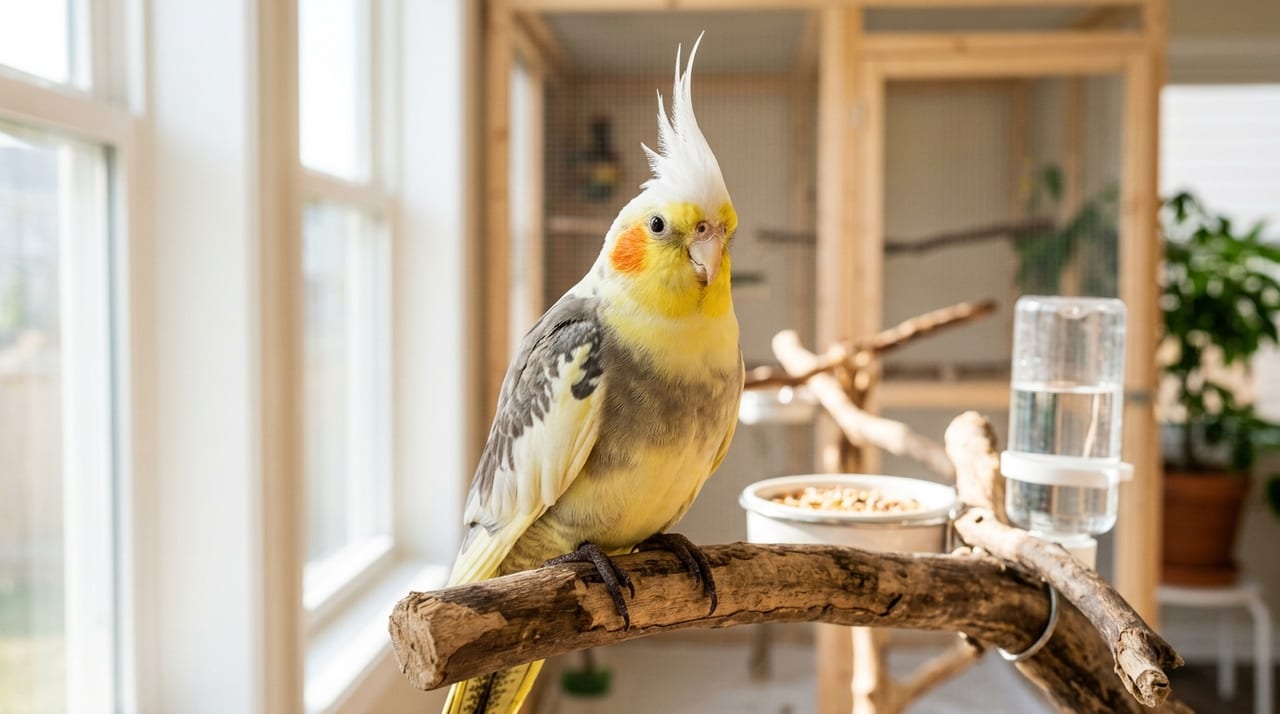
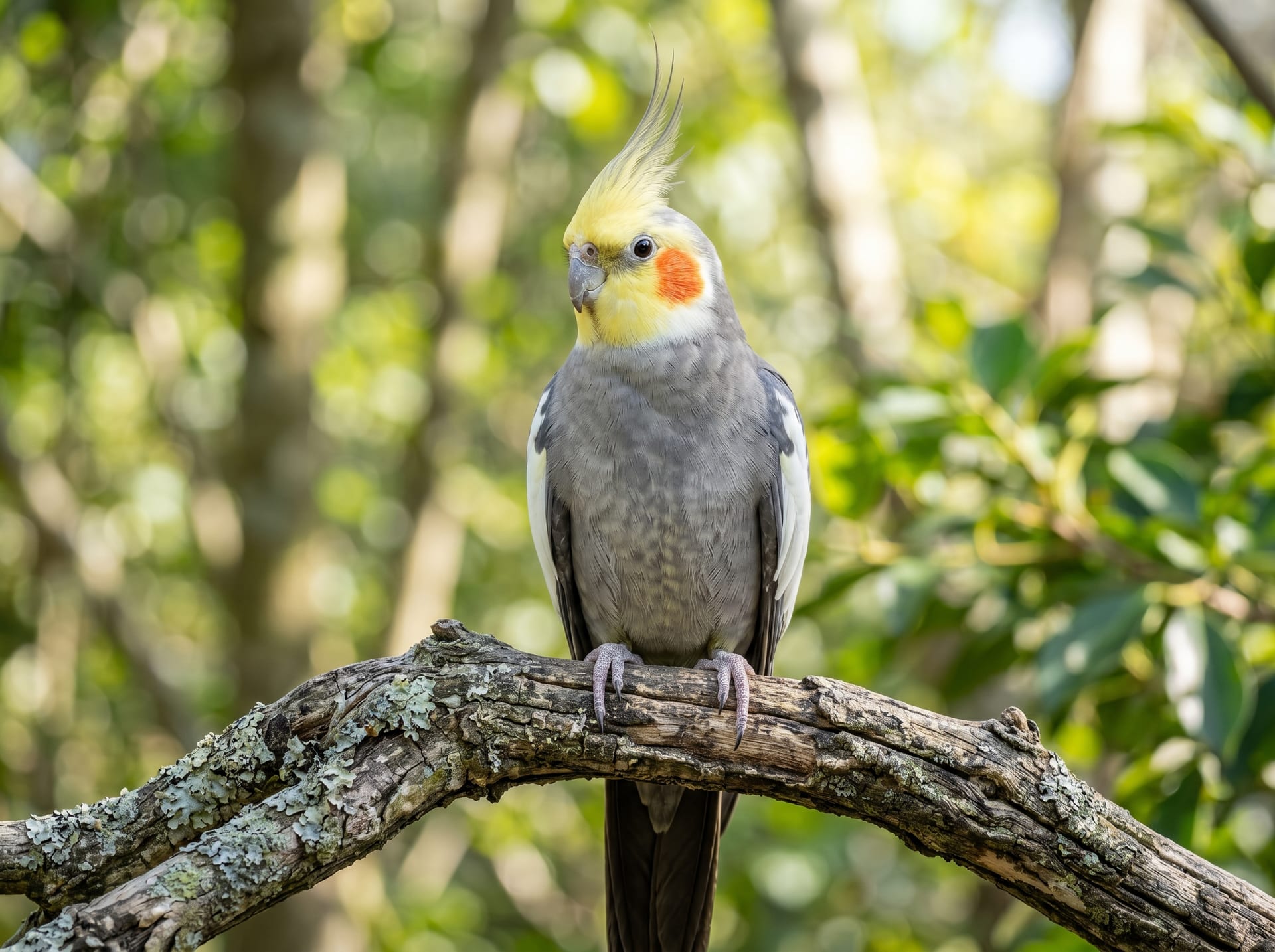
Cockatiel: 15–25 years. Though small, they are relatively long-lived, with records of individuals living over 25 years.
Medium Lifespan (10–15 Years)
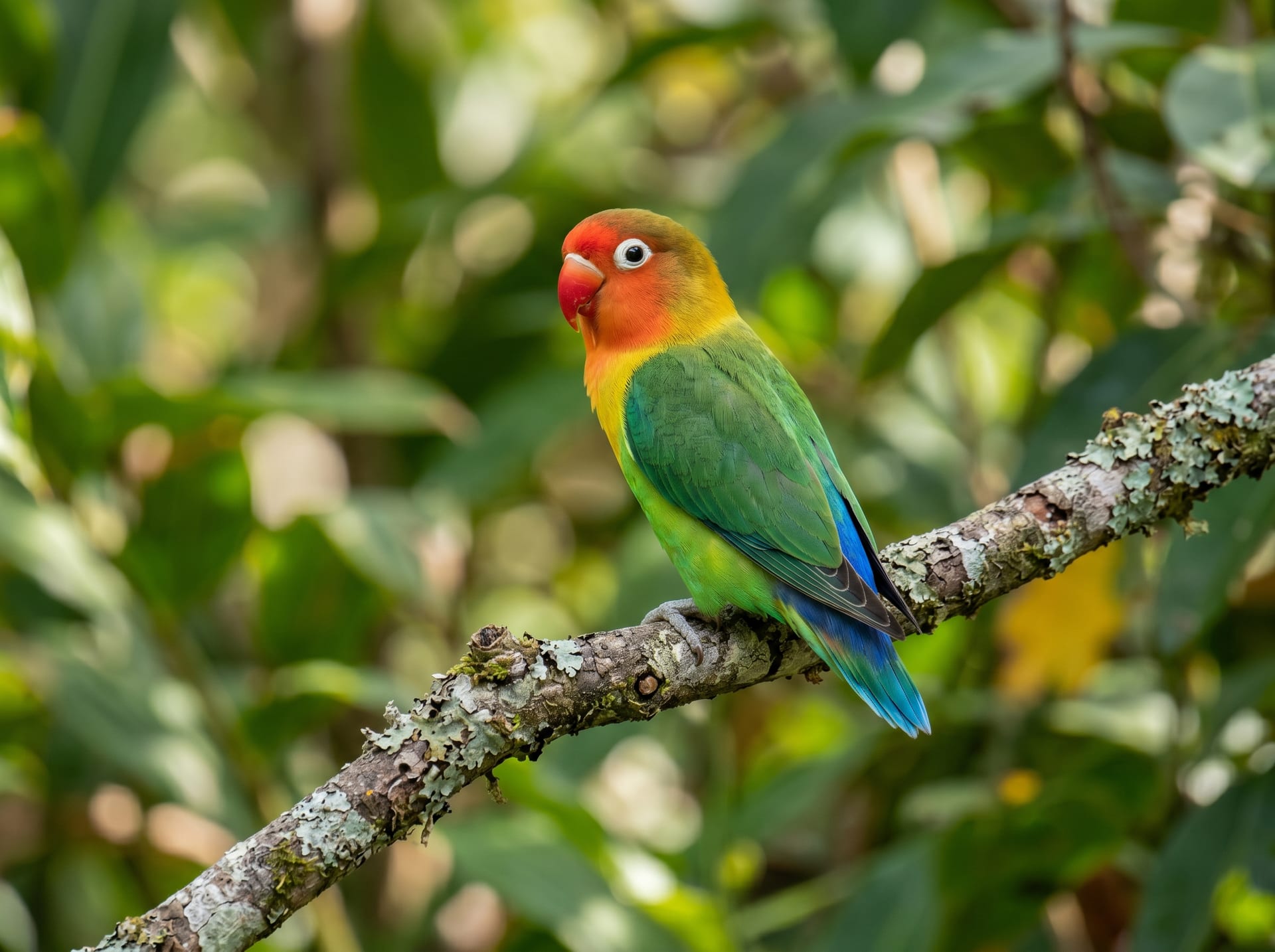
Peach-faced Lovebird: 10–15 years. They form strong pair bonds and can become overly dependent on their owner if kept alone.
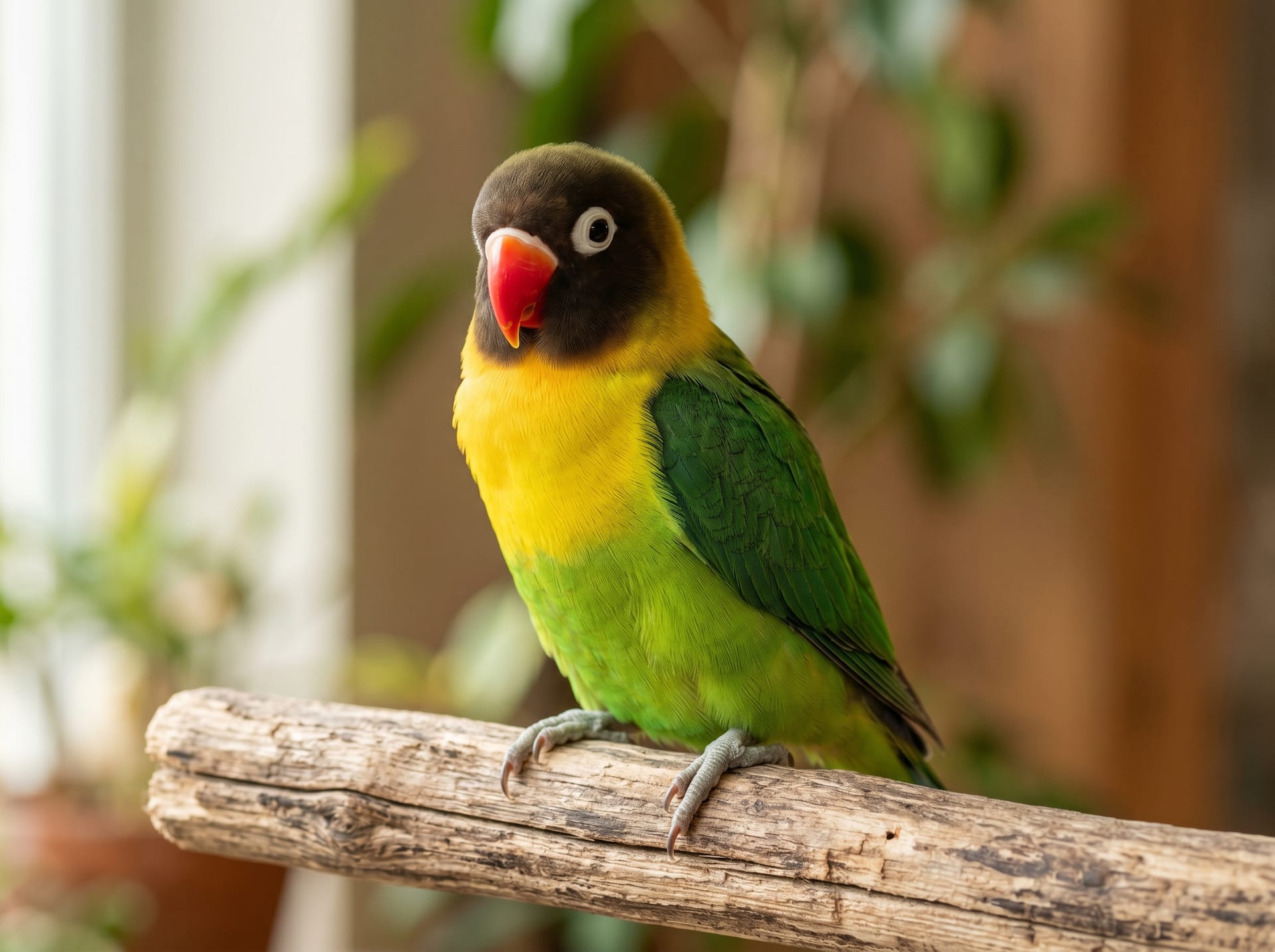
Black-capped Lovebird: 10–15 years. Small and hardy, making them suitable for beginners.
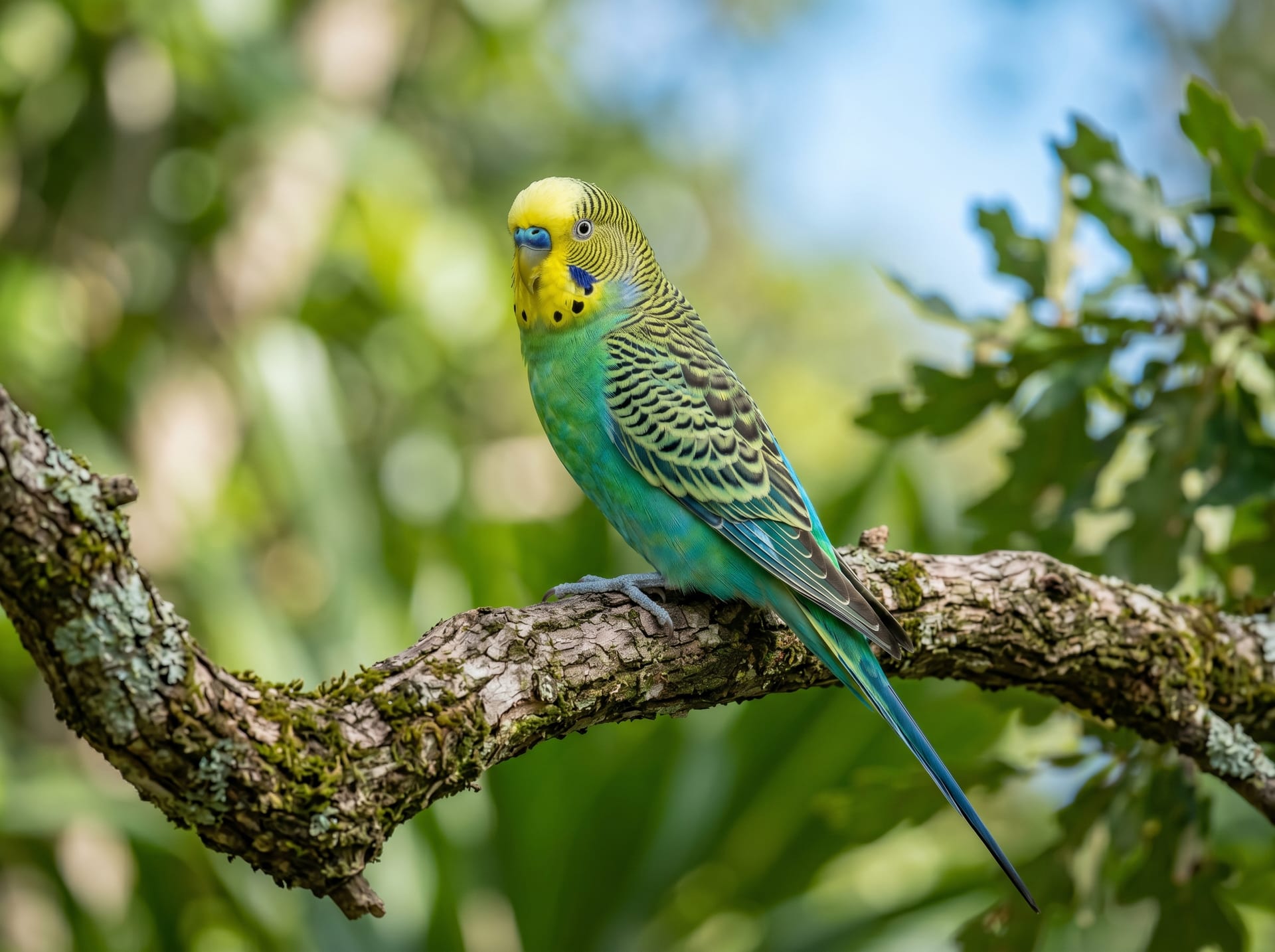
Budgerigar: 7–10 years; with careful care, individuals living over 12 years are not uncommon. The most widely kept parakeet in Japan.
Shorter-Lived Species (5–8 Years)
✍️
BreederDirect Editorial
The BreederDirect editorial team specializes in care information for animals, covering veterinary care and breeding to deliver beginner-friendly guides.
Find Birds on BreederDirect
Buy directly from verified breeders
Browse Related Listings
Find Birds listings related to this article on BreederDirect. Buy directly from verified breeders.
Related Tools
Related Articles
Browse by Category
🪸Coral
🐠Marine Fish
🐟Tropical Fish
🐡Goldfish
🐟Medaka
🦎Reptiles
Share
Java Sparrow: 7–8 years. Hand-tamed Java sparrows are friendly and may live close to 10 years with proper care.
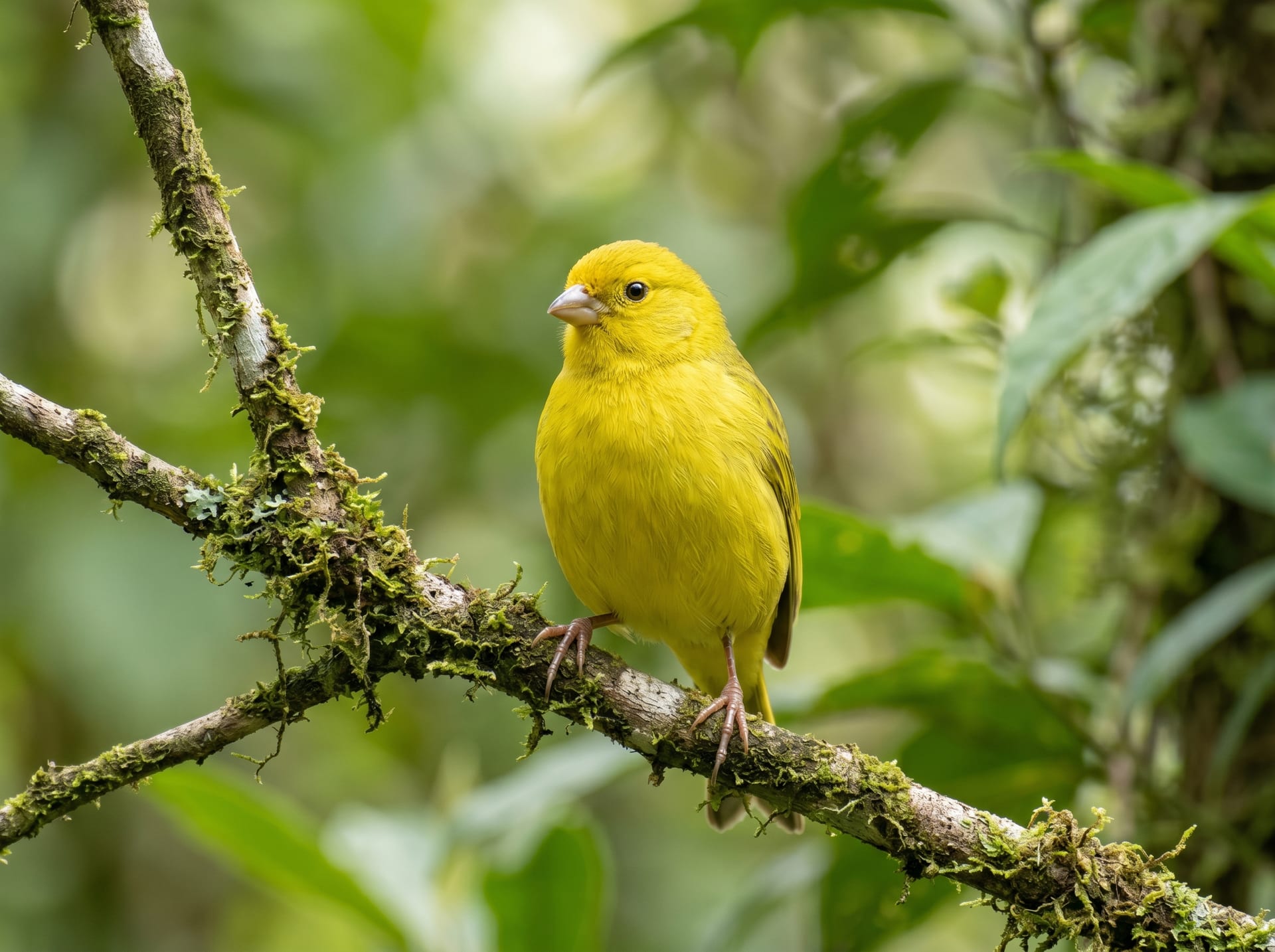
Canary: 5–8 years. Popular as an ornamental bird valued for its singing.
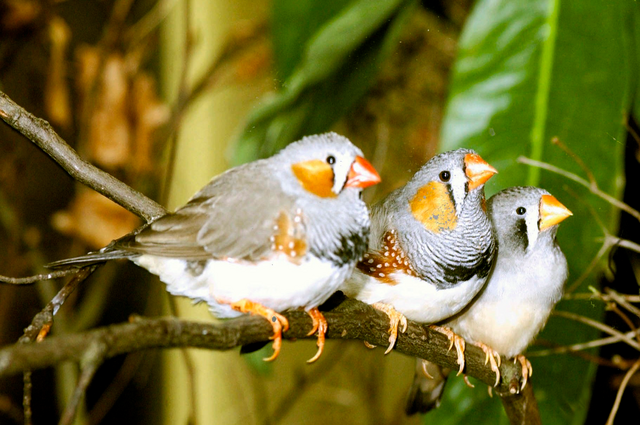
Gouldian Finch: 5–7 years. When kept in pairs, natural behaviors can be observed, making them relatively easy to raise.
When selecting a species, always consider whether you can responsibly care for that bird for its entire natural lifespan. Especially for large species, long-term planning is necessary, including arrangements for end-of-life care and ensuring a caretaker if something happens to you.
Peach-faced Lovebird Lifespan: 10–15 Years—The Most Frequently Asked Question About Medium Parrots
The question most frequently asked online and in consultations is about the peach-faced lovebird's lifespan. The average lifespan of a peach-faced lovebird (lovebird) is 10–15 years, and with good genetics and care, examples of individuals living close to 18–20 years do exist. The black-capped lovebird, another lovebird species, lives a similar length of time. As a general guide, they live longer than budgerigars (7–10 years) but shorter than cockatiels (15–25 years).
The following four factors tend to shorten a peach-faced lovebird's lifespan.
Obesity: A seed-based diet easily leads to fatty liver disease. Prevent it by using pellets as the primary diet and allowing daily flight time.
Excessive Breeding: Particularly in females, chronic breeding can lead to egg binding and oviduct disease. Limit daylight to 10–12 hours and avoid providing nesting materials like paper or cloth.
Single-Bird Stress: Since they have strong pair bonding, birds in homes with frequent absences are prone to feather plucking and excessive vocalization. Establish a fixed daily interaction time.
Cold: The ideal temperature is 20–28°C. During winter nights, use heating equipment to keep the temperature from dropping below 18°C.
Once your bird passes age 5, have health checkups once a year; after age 10, twice a year (including weight checks, fecal exams, and blood tests). This allows early detection of liver and ovary diseases.
Diet Management to Support Longevity
Diet is one of the most critical factors determining a bird's health and lifespan. Traditional seed-based diets are palatable but high in fat and nutritionally imbalanced. In modern bird care, feeding pellets as the primary diet is recommended.
Basic Diet Composition
Pellets (60–70%): As a complete nutritional food, they provide balanced vitamins and minerals.
Fresh Vegetables (20–30%): Offer small amounts daily of spinach, pea shoots, bok choy, carrots, and similar items. These provide vitamin A and dietary fiber.
Seeds and Treats (10% or less): Keep limited to use as occasional rewards or supplements.
Foods to Avoid
Certain foods harmless to humans and other animals can be fatal to birds.
Avocado: Contains persin, which causes heart damage.
Chocolate and Caffeine: Toxic to the nervous system; even small amounts are dangerous.
Onions and Leeks: Cause hemolytic anemia.
Fruit Seeds (apples, cherries, etc.): May contain cyanogenic compounds.
High-Sodium Foods and Alcohol: Cause serious damage to the kidneys and liver.
Maintaining Health Through Exercise, Sleep, and Mental Care
Daily Out-of-Cage Time and Exercise
Birds cannot get adequate exercise confined to a cage alone. It is important to provide 30 minutes to 1 hour of out-of-cage time daily and allow them to fly freely in the room. Flying not only maintains muscle tone but also significantly contributes to stress relief.
When allowing your bird out, always ensure safety.
Close all windows and doors (to prevent escape outdoors)
Draw curtains to prevent collisions with mirrors and large glass surfaces
Keep the bird away from operating fans and exhaust vents
Do not allow the bird near boiling water or pots on the stove
Ensuring Adequate Sleep
Birds require 10–12 hours of sleep daily. Exposure to bright environments or noise at night can disrupt hormonal balance, leading to excessive breeding and weakened immunity. Cover the cage at night with a light-blocking cover and provide a quiet sleep environment.
Mental Care and Intellectual Stimulation
Birds are naturally highly social animals that live in flocks. Particularly in intelligent species like macaws and cockatiels, loneliness and boredom can cause stress, manifesting as feather plucking (self-plucking), excessive vocalization, or aggression.
Make daily communication (talking and interaction) a habit.
Rotate toys regularly to provide intellectual stimulation.
Use foraging toys to simulate natural feeding behaviors.
Often-Overlooked Environmental Hazards—Toxic Gases and Temperature Control
Birds can die from minute amounts of harmful substances that humans would not notice. Because their respiratory systems are extremely sensitive, special attention to the indoor environment is essential.
Sources of Toxic Gases
Teflon (Polytetrafluoroethylene) Cookware: Toxic gases are released from dry heating or high-temperature cooking and are fatal to birds even in small amounts. Numerous deaths from "Teflon toxicity" have been reported.
Aroma Oils, Incense, and Air Fresheners: Volatile compounds may cause airway inflammation.
Pesticides and Mothballs: Particularly pyrethroid-type products are highly toxic to birds.
Tobacco Smoke: Secondhand smoke increases the risk of respiratory disease and cancer.
Always place the cage in a well-ventilated location. During cooking or when using chemicals, move the bird to another room or ensure thorough ventilation. Also, do not neglect heating and cooling adjustments during seasonal changes. Most small birds thrive in environments around 20–28°C. We recommend consulting Bird Care Costs and Monthly Expenses to create a long-term care plan.
BreederDirect's Safety and Security System
BreederDirect is a platform where you can directly acquire birds from specialized breeders. Because it bypasses pet shops and offers direct sales, it provides the following benefits:
Detailed Information About Each Individual: You can ask breeders directly about birth date, health status, diet, temperament, and other details.
Hand-Tamed and Well-Socialized Birds: You can adopt individuals who have been properly acclimated to humans from an early age.
Easy to Consult After Purchase: Ongoing communication with the breeder is possible, allowing you to ask questions about care immediately.
Choose Trustworthy Breeders: You can select established sellers based on reviews and track record.
To raise long-lived birds in good health, it is crucial to understand the bird's origin and rearing environment. Through BreederDirect, welcome a healthy bird from a trustworthy breeder and begin a long and enriching life with your feathered companion.