Budgerigar Lifespan and Tips for Longevity: Diet, Exercise, and Stress Management
The average lifespan of budgerigars is 7-12 years. This guide explains five key points—pellet-based diet, daily flight time, adequate sleep, preventing excessive breeding, and regular health checkups—to help your feathered friend live a long and healthy life.

Key Takeaways
The average lifespan of budgerigars is 7-12 years. This guide explains five key points—pellet-based diet, daily flight time, adequate sleep, preventing excessive breeding, and regular health checkups—to help your feathered friend live a long and healthy life.
Related Species
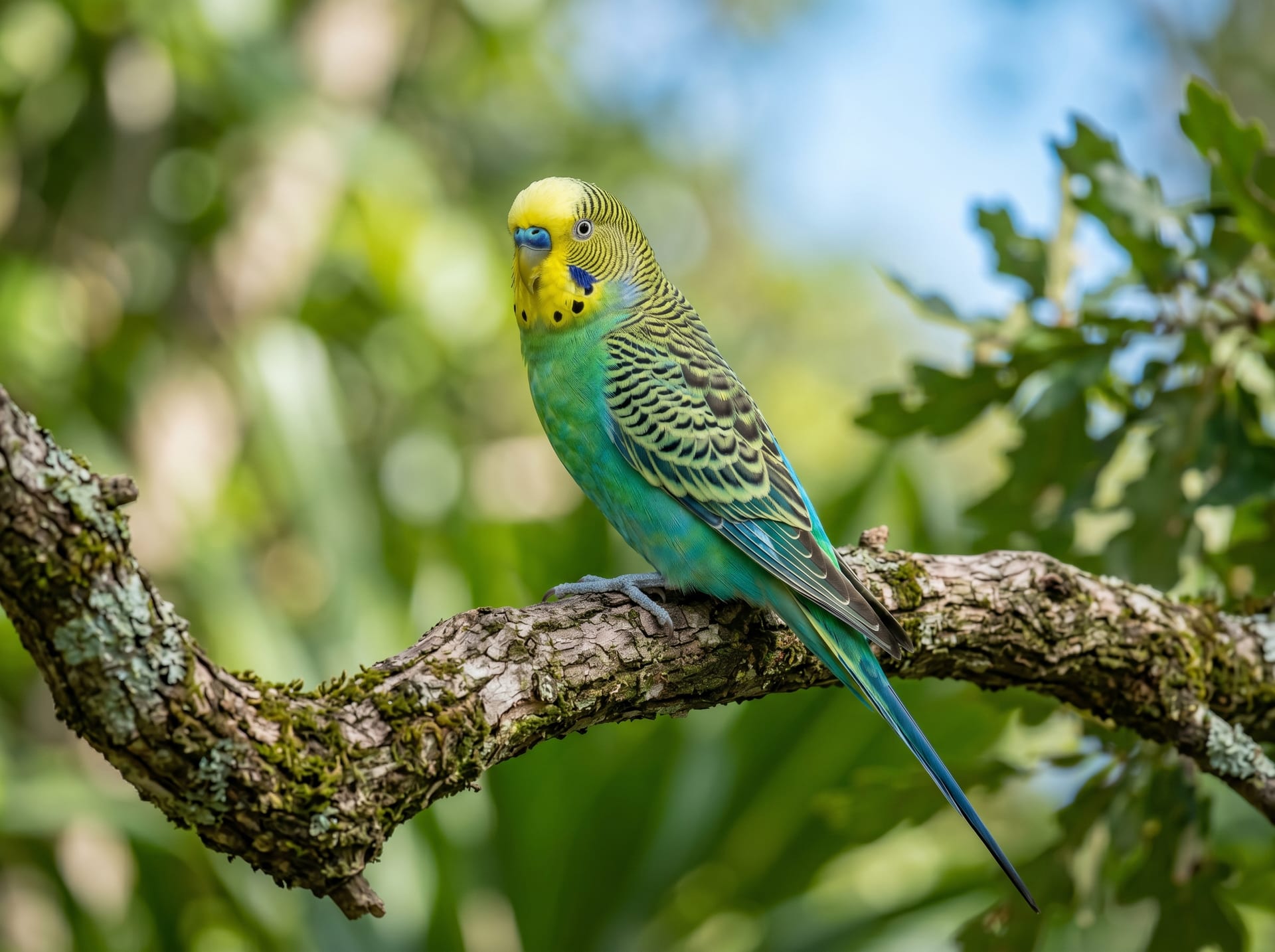
Budgerigar Lifespan and Keys to Longevity
Budgerigars (Melopsittacus undulatus) have an average lifespan of 7-12 years in captivity. In the wild, they live only 4-5 years due to predators and malnutrition, but with proper care, some individuals have been recorded living 15+ years. To fulfill the wish for a long life, establishing three pillars—proper diet, adequate exercise, and stress management—is essential.
Diet Significantly Impacts Lifespan
Balancing Seeds and Pellets
Commercial seed mixes are high in calories and tend to be high in fat. Birds raised on seeds alone often develop fatty liver disease and vitamin deficiencies, resulting in shorter lifespans. The ideal ratio is 60-70% pellets, 20-30% seeds, and 10% vegetables and fruit.
Transition to pellets gradually. Start by mixing 10% pellets with seeds, then increase the ratio every two weeks. Sudden dietary changes can cause the bird to refuse food, so take your time with the transition.
Supplementing Nutrition with Vegetables and Other Foods
Vegetables such as Japanese mustard greens, broccoli, and grated carrots provide vitamins A and calcium. A daily portion of 1-2 cm cubes is sufficient. Spinach is high in oxalic acid, which inhibits calcium absorption, so offer it only in small amounts.
Onions, garlic, avocado, chocolate, and caffeine are toxic to birds. Never give your bird human food scraps, especially during free-flight time.
Water Freshness and Feeding Methods
Change drinking water daily. Water dispensers are prone to bacterial growth, so clean them with a dedicated brush 2-3 times per week. Tube-style water dispensers are more hygienic and have lower contamination risk compared to open bowls.
Maintaining Fitness and Metabolism Through Exercise
Daily Flight Time is Essential
Cage-only living leads to insufficient exercise and psychological stress. At least 30 minutes to 1 hour of daily flight time is recommended. Use this time to observe your bird's flight distance and landing behavior as a health check.
Creating a Safe Flight Environment
- Keep windows and doors closed (to prevent escape)
- Do not use Teflon (PTFE) nonstick cookware or electric kettles (they release toxic fumes when heated)
- Place houseplants where your bird cannot accidentally ingest them
Stimulate Curiosity with Toys and Enrichment
Budgerigars are intelligent birds. Regularly rotating chewing toys, pulling toys, and chewable perches prevents boredom and supports mental health. Simply rotating 1-2 toy types per week can make a significant difference in enrichment.
Maintaining Immunity Through Stress Management
Ensuring Adequate Sleep
Budgerigars need 10-12 hours of sleep per day. Nighttime light and noise disrupt sleep and lead to chronic stress and weakened immunity. Cover the cage at bedtime to create a dark, quiet environment.
Temperature and Humidity Control
The ideal temperature range is 20-28°C (68-82°F) with humidity at 40-60%. Watch for heat stroke in summer and hypothermia in winter. Avoid placing the cage directly in front of air conditioning vents; a location near a wall with gradual temperature changes is ideal.
Preventing Excessive Breeding Behavior
Breeding season puts significant physical strain on birds. Excessive egg-laying in females especially risks osteoporosis and egg binding, which shortens lifespan. Prevent excessive breeding by limiting daily lighting to 12 hours or less and avoiding placing nest box-like objects in the cage.
Regular Health Checkups for Early Detection
Establish a habit of annual or bi-annual health checkups with an avian veterinarian. Weight measurement, fecal examination, and crop condition assessment enable early detection. Budgerigars instinctively hide illness, so by the time obvious symptoms appear, the condition is often already advanced.
Daily morning weight records are highly effective for catching subtle changes such as a 1-2g weight loss or slightly decreased appetite. Use a scale that measures in 0.1g increments.
Summary: Five Keys to a Long Life
- Pellet-based balanced diet to eliminate nutritional imbalances
- Daily flight time to ensure adequate exercise
- 10-12 hours of dark sleep to minimize stress
- Prevent excessive breeding to reduce physical strain on females
- Annual or bi-annual expert checkups to establish early detection habits
Many budgies live shorter lives due to lack of knowledge. By making basic care a daily habit, you can maximize your time with your feathered companion.