Parrot & Macaw Species Comparison: Talking Ability and Training Steps
Comparing the speaking ability of popular species such as African Grey Parrots, Budgerigars, Cockatiels, and Amazon Parrots. We explain effective steps for speech training, from building trust to mastering single words and contextual learning.
Key Takeaways
Comparing the speaking ability of popular species such as African Grey Parrots, Budgerigars, Cockatiels, and Amazon Parrots. We explain effective steps for speech training, from building trust to mastering single words and contextual learning.
Related Species
How "Speaking Ability" Differs by Parrot Species
Many people wonder "Do birds really talk?" but parrots do have the ability to learn and imitate human speech. However, their "speaking ability" varies significantly by species. This article compares the speech abilities of major species and explains effective training steps.
Species-by-Species Speech Ability Comparison
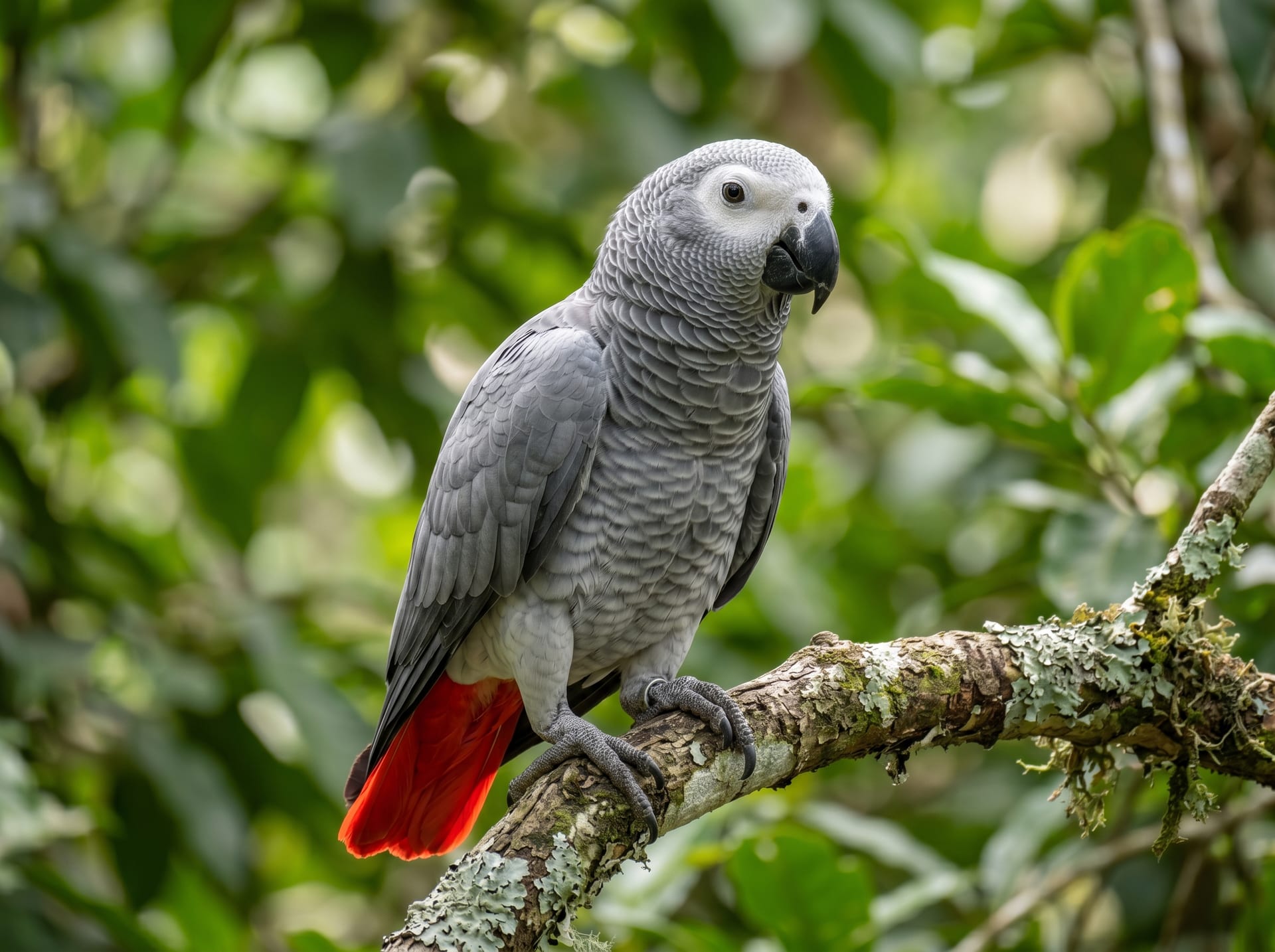
African Grey Parrot | Highest Language Ability
African Grey Parrots are said to possess the highest cognitive and speech ability among parrots. In experiments conducted by researcher Dr. Irene Pepperberg, African Greys demonstrated understanding of number concepts, colors, and shapes, as well as using words in context.
- Vocabulary: 100-500+ words possible
- Characteristics: Display contextual speech, not mere rote repetition
- Drawback: Highly intelligent; insufficient stimulation causes stress-related feather plucking
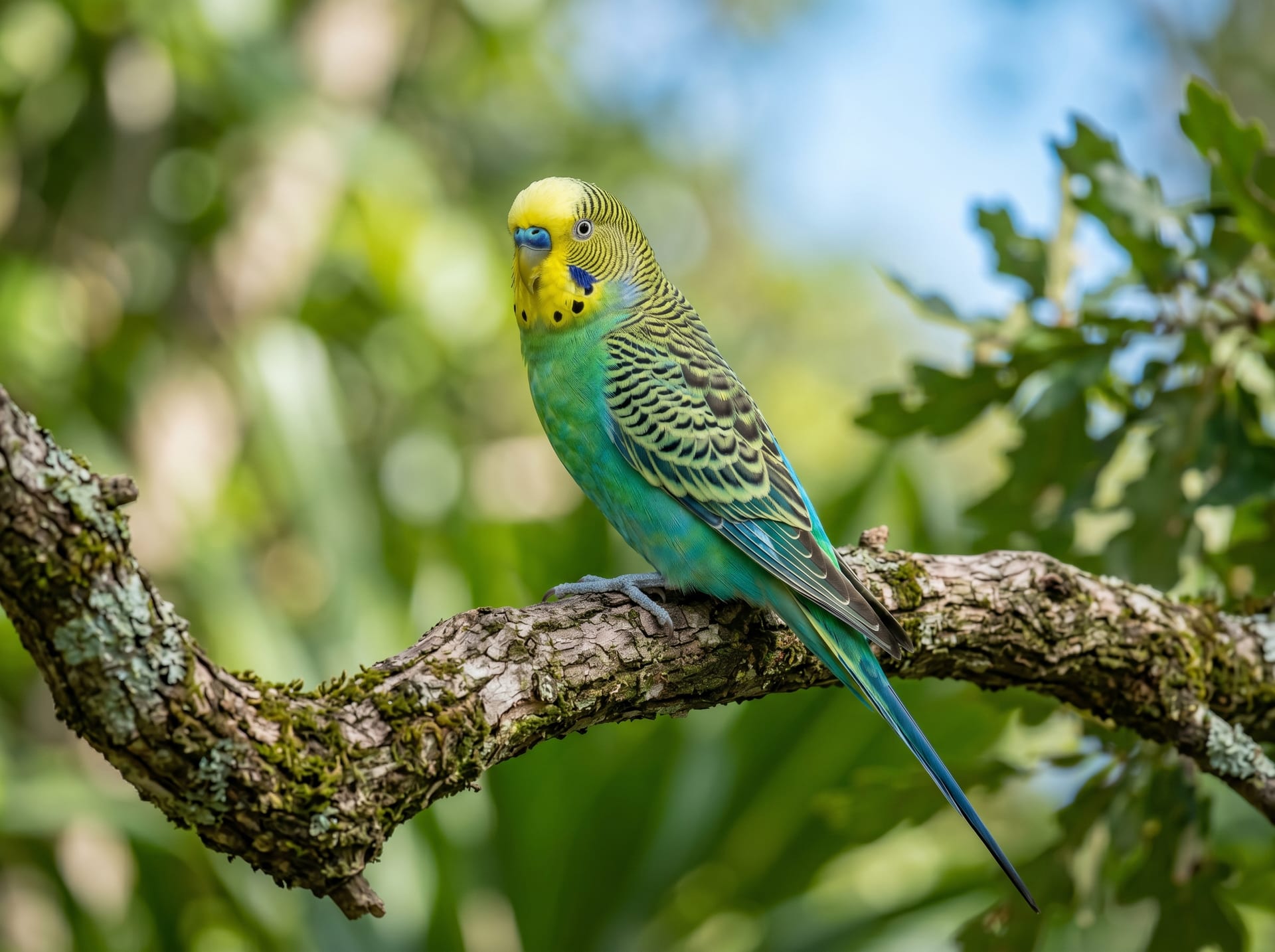
Budgerigar | Surprisingly High-Ranking Speaker
Despite their small size, Budgerigars actually have high speaking ability. A Budgerigar holding a Guinness Record memorized 1,728 words. While their high-pitched voice can be hard to understand, patient training allows them to learn many words.
- Vocabulary: Dozens to hundreds of words (varies by individual)
- Characteristics: Speak frequently in high-pitched voices; often practice on their own
- Note: Males tend to speak more readily than females
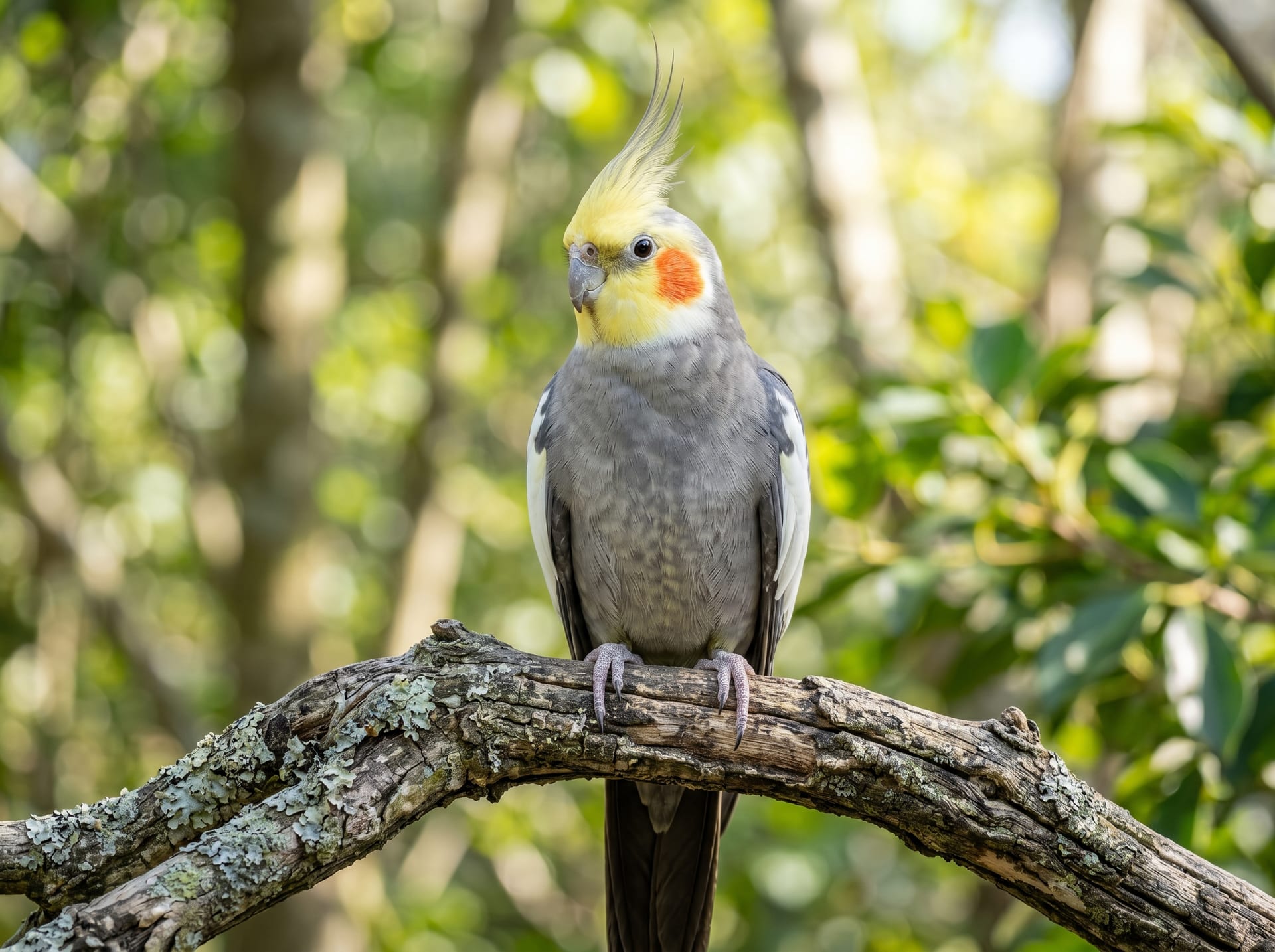
Cockatiel | Specialists in Whistling and Melodies
Cockatiels are better at learning whistles and melodies than words. Many individuals faithfully reproduce human whistling and can learn short tunes like "Happy Birthday." While their word acquisition is inferior to Budgerigars and African Greys, their musical expressiveness is superior.
- Vocabulary: A few to about a dozen words
- Characteristics: Excel at musical phrases rather than short words
- Tip: Repeatedly play whistled melodies
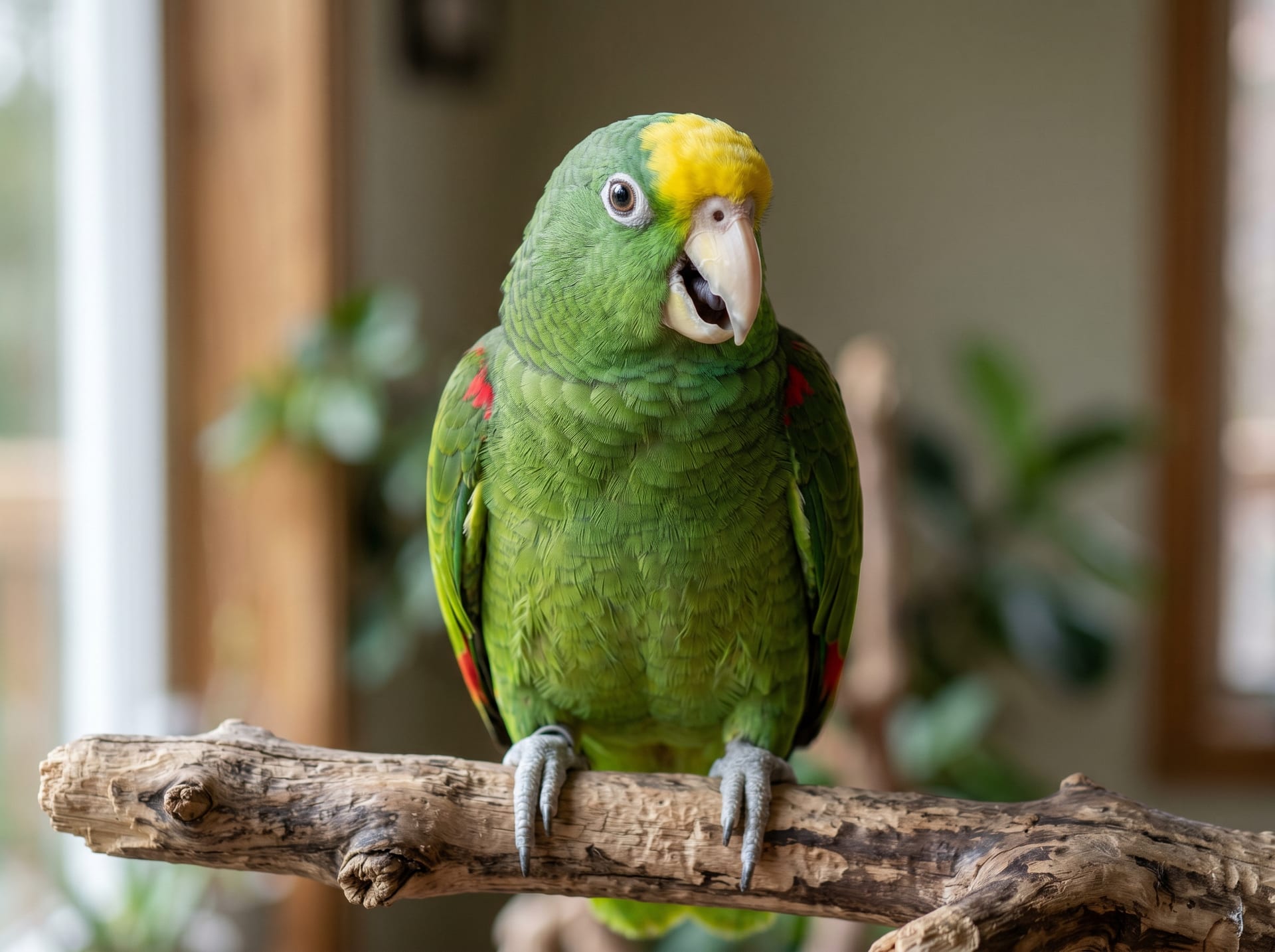
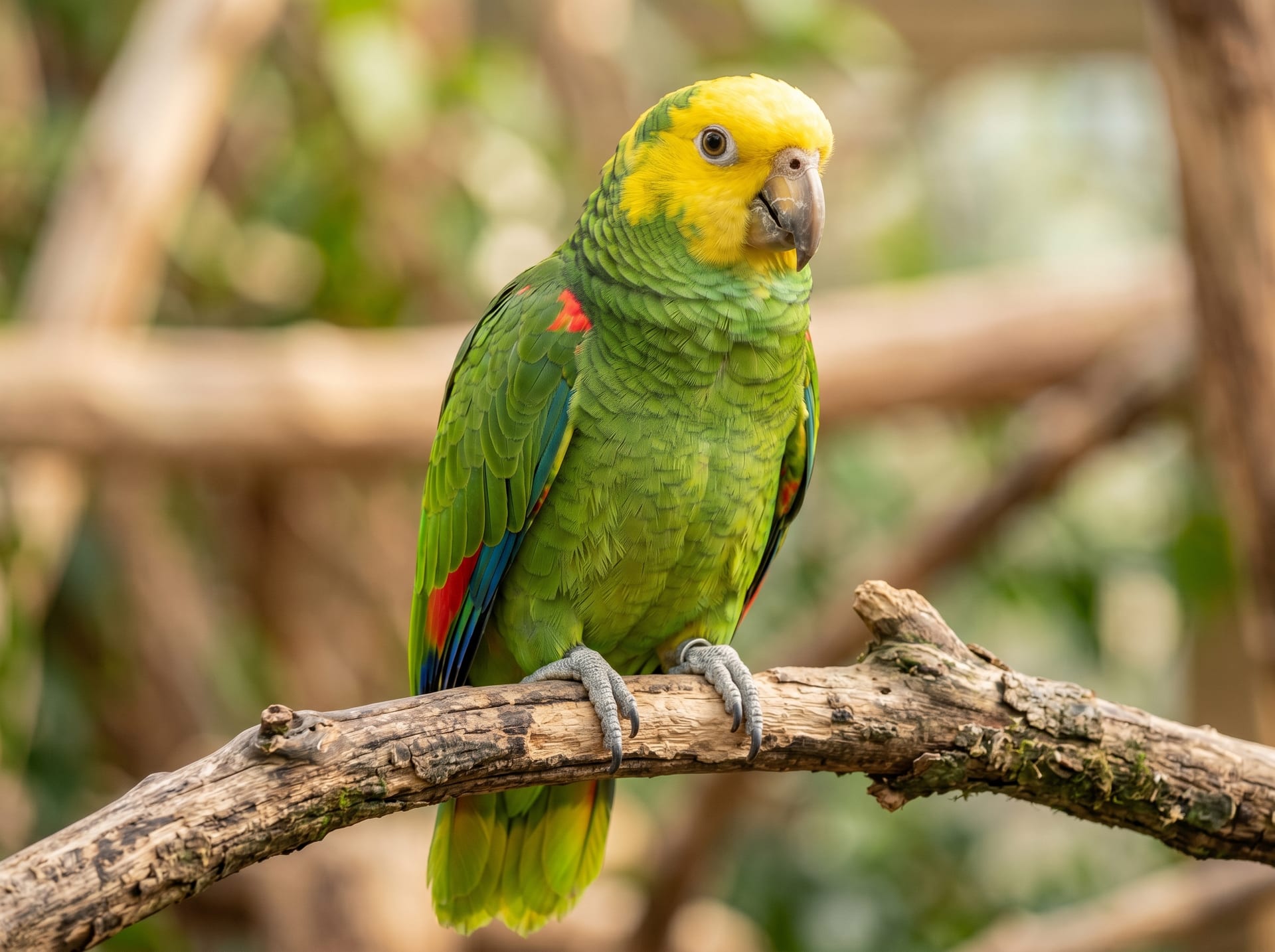
Amazon Parrots (including Yellow-crowned Parrot) | High Volume and Clear Articulation
Amazon parrots excel in "volume and articulation" of speech, speaking in clear, distinct voices. Yellow-naped Amazons and Double Yellow-headed Amazons are particularly known for skilled speech.
- Vocabulary: Dozens to hundreds of words
- Characteristics: Clear, easily understood vocalizations; many individuals also sing
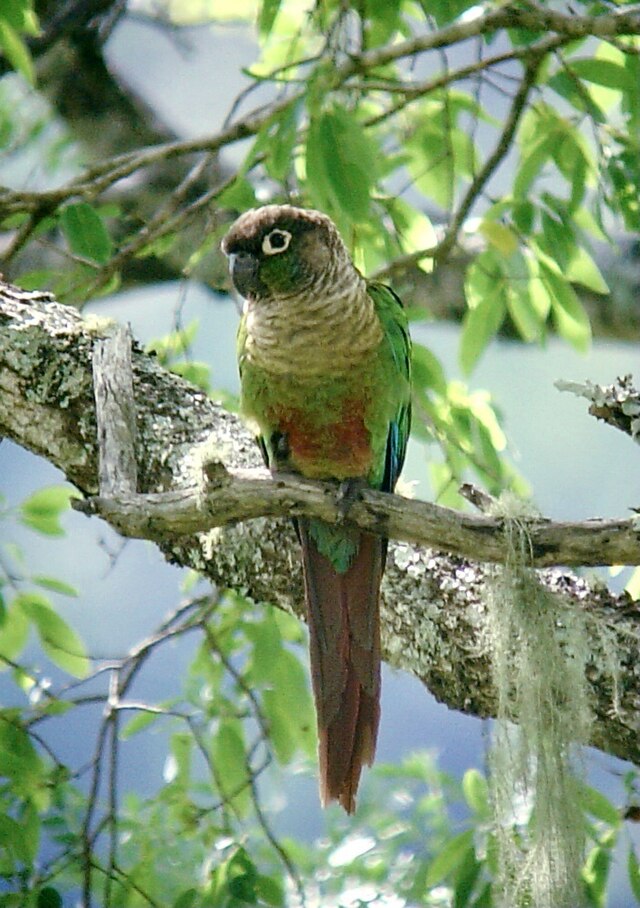
Conures and Scaly-headed Parrots
Conures have moderate speaking ability, but their strong affection and bond with owners allows them to learn targeted words (such as their name) relatively quickly.
Basic Steps for Speech Training
Step 1: Build Trust (First 2-4 Weeks)
Training while a bird is stressed is ineffective. Sit nearby at the same time each day and speak calmly to acclimate the bird to your presence. When it no longer flies away when you place your hand in the cage, you're ready to proceed.
Step 2: Choose One Target Word
Teach only one word initially. Use daily, short words such as the bird's name, "good morning," or "come here." Teaching multiple words simultaneously causes confusion, so master one word before moving to the next.
Step 3: Repetition and Reinforcement
- Hold 3-5 sessions daily, 5-10 minutes each
- Speak the word naturally when the bird is nearby (during out-of-cage time or feeding)
- Reward immediately when the bird makes sounds (whether imitative or not) with treats or praise
Step 4: Link to Context
Say "food" when feeding and "good morning" when removing the cage cover each morning. Associating words with situations encourages meaningful speech.
Step 5: Use Recordings
Playing recordings of repeated words like "good morning" or "come here" during your absence is effective. However, avoid high volume or long duration, as this backfires; set recordings for 15-20 minutes at low volume.
Common Failure Patterns
- Teaching multiple words simultaneously out of impatience: One word at a time is the fundamental rule
- Irregular training time: Training at the same time daily is most effective
- Negative reinforcement: Scolding when the bird can't imitate properly teaches fear, causing it to stop talking
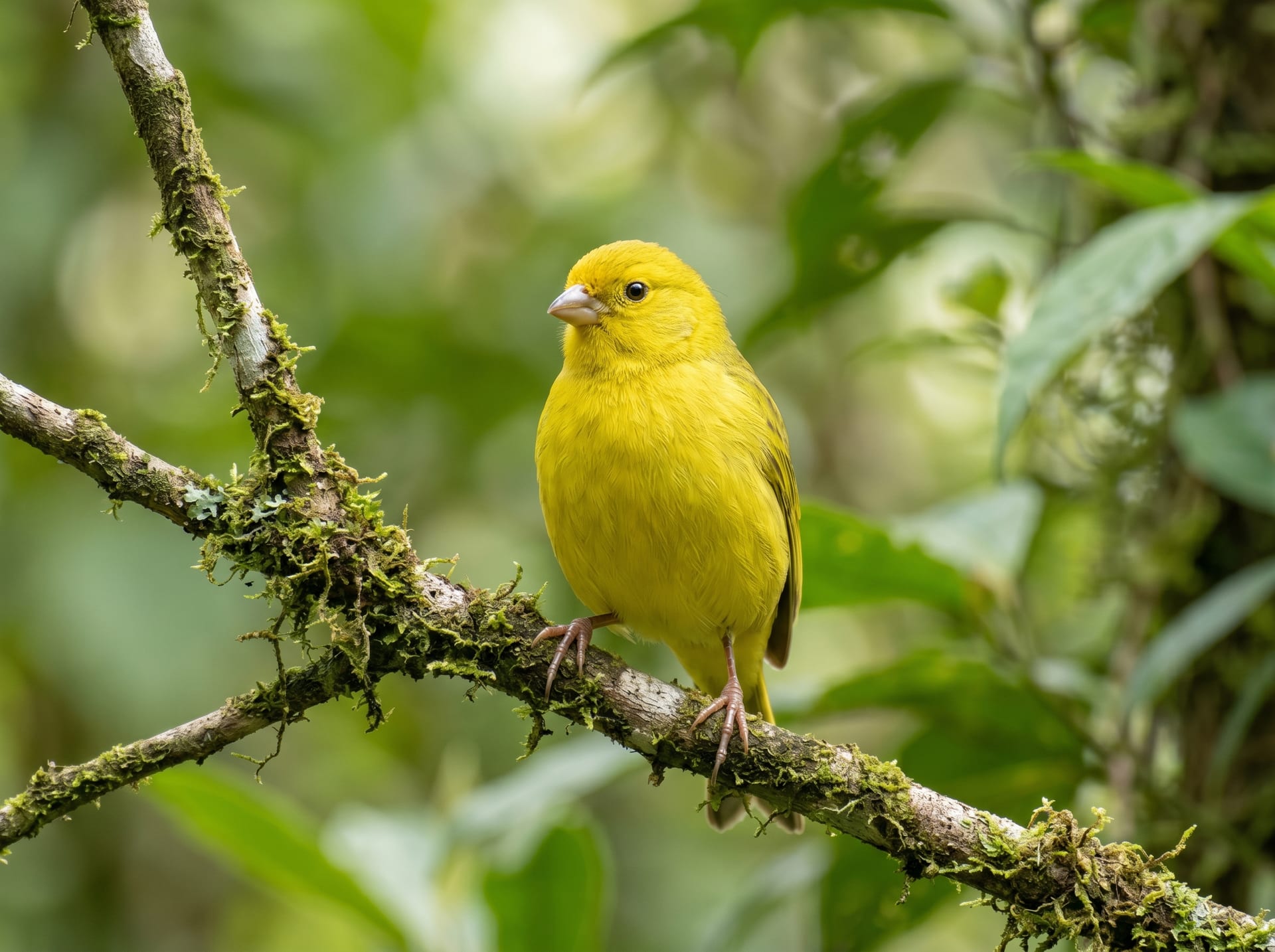
- Choosing non-speaking species: Java Sparrows and Canaries basically don't speak
Summary: Species Selection and Training Determine Success
If you want to enjoy speech, species selection is most important. African Greys and Budgerigars are suited to speaking, while Cockatiels excel at melodies and whistling. Approaching training in a way suited to the species, with patience and enjoyment, is the quickest path to teaching words. Dialogue with birds deepens over time.