Parakeet & Parrot Vitamin A Deficiency Prevention Guide | Symptoms, Dietary Improvement, Nutrition Management
Detailed explanation of symptoms, causes, and prevention methods of vitamin A deficiency common in parakeets and parrots. A practical guide for reliably preventing deficiency through understanding the dangers of seed-only diets and utilizing pellet transition and vegetables.
Key Takeaways
Detailed explanation of symptoms, causes, and prevention methods of vitamin A deficiency common in parakeets and parrots. A practical guide for reliably preventing deficiency through understanding the dangers of seed-only diets and utilizing pellet transition and vegetables.
Related Species
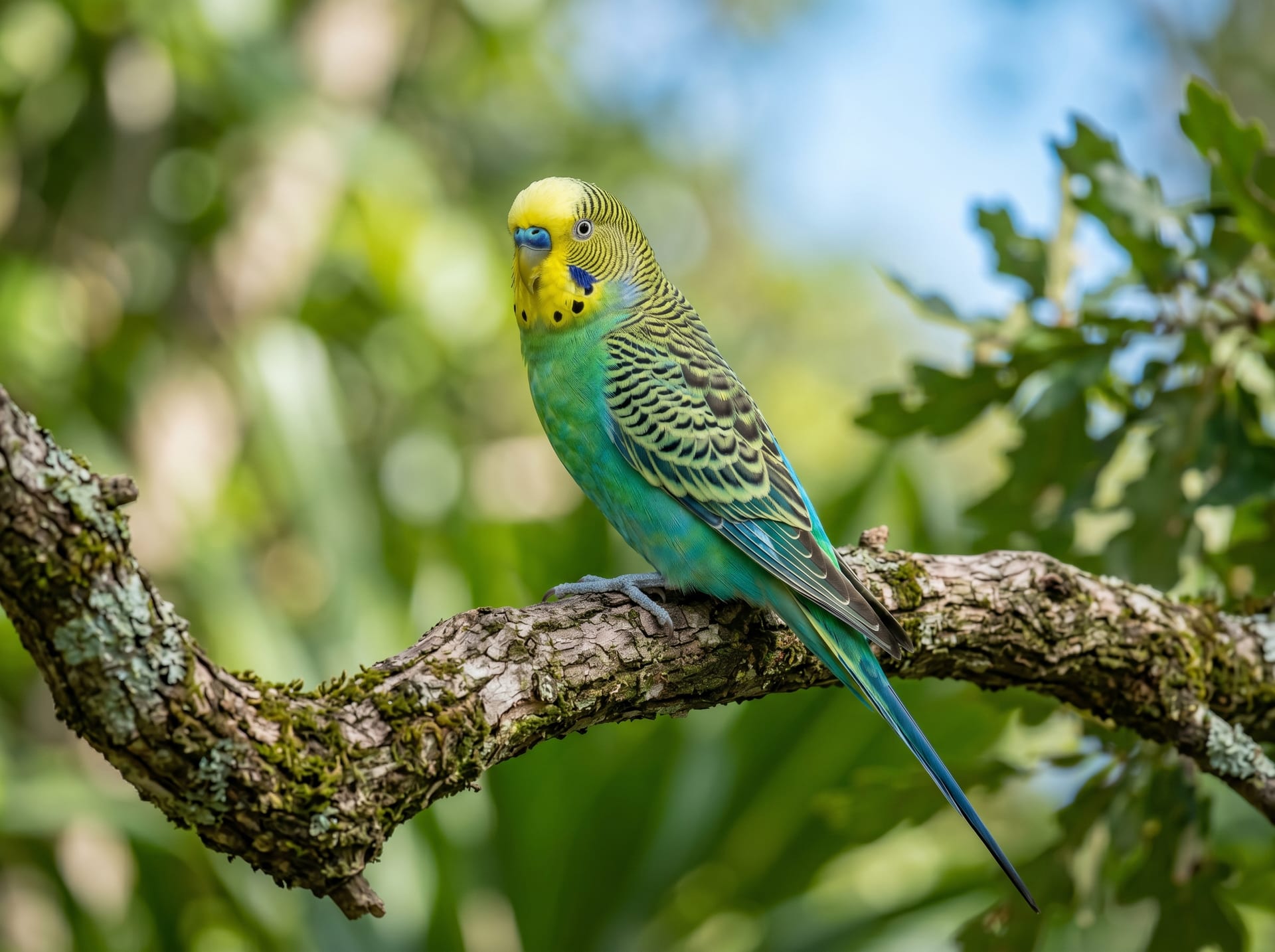
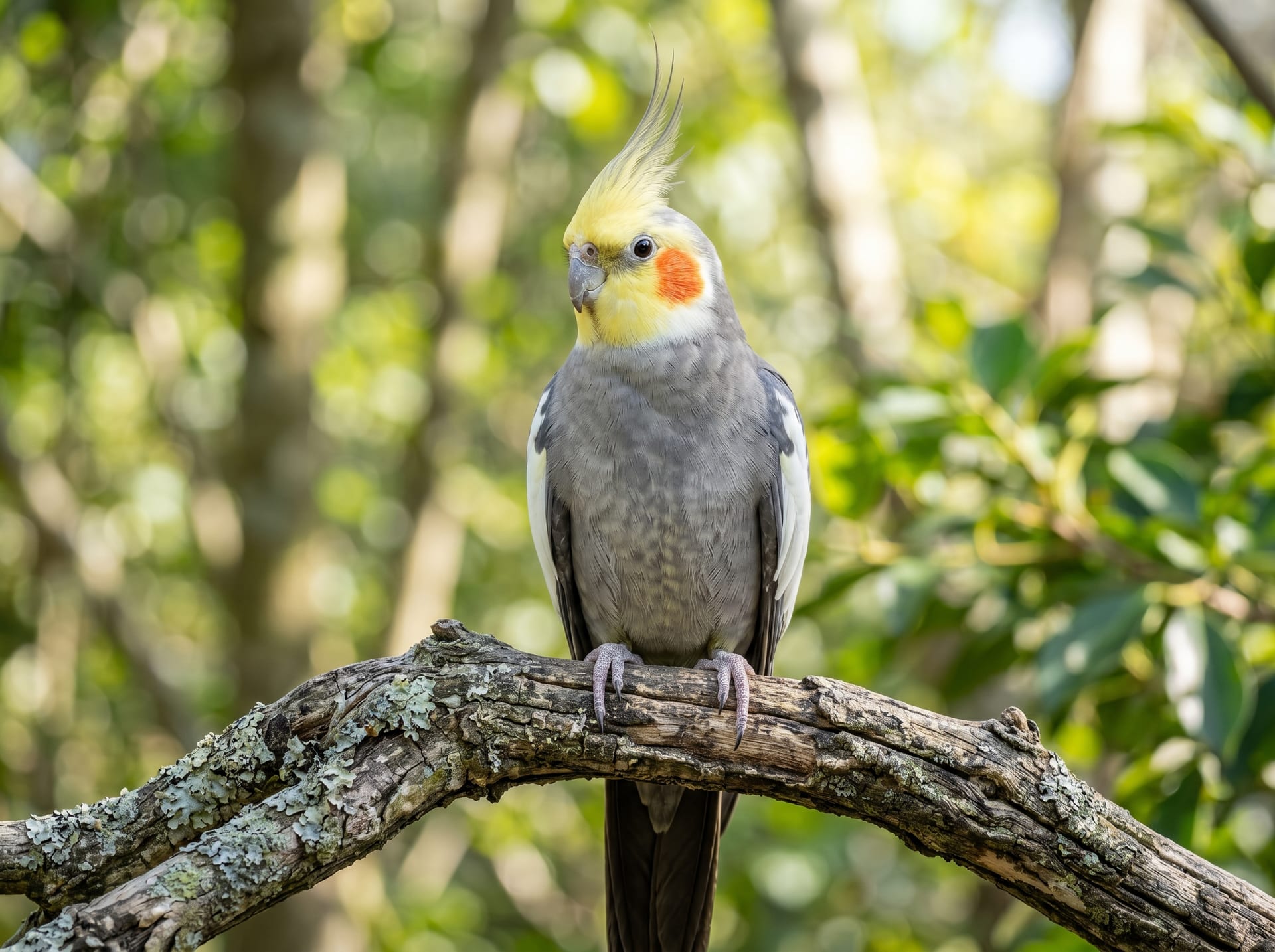
When keeping parakeets or parrots, you may face concerns such as "they seem to have appetite but appear unwell" or "I'm worried about their beak and nail condition." One of the underlying causes of these symptoms is vitamin A deficiency. Among nutritional disorders in birds, it occurs with particularly high frequency, and while it can be sufficiently prevented with proper dietary management, it tends to be lacking in seed-only diets. This article provides comprehensive coverage from the functions of vitamin A to specific symptoms of deficiency and daily prevention methods.
What is Vitamin A?
Vitamin A is a fat-soluble vitamin that plays the following important functions in a bird's body.
- Maintenance of mucous membranes and epithelial tissues: Keeps the mucous membranes of the airways, digestive tract, eyes, and skin healthy
- Support for immune function: Enhances resistance to pathogens
- Maintenance of vision: Involved in visual function in low-light environments
- Reproductive function: Affects normal development of eggs and hatchability
Birds cannot synthesize vitamin A in their bodies, so they obtain necessary amounts either by consuming it directly from their diet or by converting beta-carotene (provitamin A) found in their diet to vitamin A in their bodies.
Causes of Vitamin A Deficiency
Seed-Only Diet
The most common seeds that parakeet and cockatiel owners feed—such as sunflower seeds, millet, and sorghum—contain little to no vitamin A (or beta-carotene). Continuing to feed seeds exclusively over a long period leads to progressive deficiency.
Incomplete Vitamin Supplementation
Some owners add vitamin supplements to drinking water, but fat-soluble vitamin A does not dissolve easily in water, so adding it to drinking water cannot ensure adequate absorption. Additionally, vitamin supplements dissolved in water are prone to oxidation, making proper storage difficult.
Delayed Transition to Independent Feeding
If the hand-feeding period for chicks is prolonged or similarly low-nutrition diets continue after weaning, vitamin A deficiency can occur during important growth periods.
Typical Symptoms of Deficiency
Vitamin A deficiency progresses gradually, so it often goes unnoticed in its early stages. If you observe the following symptoms, suspect deficiency.
Respiratory Tract and Nasal Cavity Symptoms
- Frequent sneezing
- Darkening or scabs around the nostrils
- Voice becomes hoarse or vocalizations change
- Wheezing sounds during respiration
When mucous membranes fail to function normally, the airways become dry and resistance to infection decreases. In severe cases, fungal infections such as aspergillosis may develop.
Changes in Beak, Nails, and Skin
- Beak becomes dry and cracks
- Surface of beak and nails becomes rough
- Skin thickens and flaking increases
- Poor feather development
Eye and Mucous Membrane Symptoms
- Excessive eye discharge
- Swelling around the eyes
- White cheese-like accumulation in the mouth (concurrent with oral candidiasis)
Digestive and Systemic Symptoms
- Loss of appetite
- Weight loss
- Feathers lose their shine
Practical Dietary Management to Prevent Deficiency
Pellet Transition is Most Reliable
From a nutritional management perspective, the most recommended approach is transitioning to pellets (complete nutrition diet). High-quality pellets contain essential vitamins and minerals, including vitamin A, in well-balanced proportions, making the risk of deficiency far lower than with seed-based diets.
The transition often takes time, but mixing small amounts of pellet with seeds and gradually acclimating your bird is effective. For information on the dietary transition process, see Bird Pellet Transition Guide | Step-by-Step Conversion from Seeds.
Actively Feed Foods Containing Vitamin A
Even if continuing a seed-based diet, you can prevent deficiency by regularly feeding the following foods.
| Food | Vitamin A/Beta-Carotene Content | How to Feed |
|---|---|---|
| Carrot (cooked) | Very abundant | Finely chop or grate |
| Squash (cooked) | Abundant | Cut into small pieces |
| Komatsuna (Japanese mustard greens) | Abundant | Can be fed raw |
| Spinach | Abundant | Small amounts, cooking recommended |
| Bell peppers (red/yellow) | Abundant | Can be fed raw |
| Broccoli | Moderate | Portion into small pieces |
Cooking carrots and squash increases beta-carotene absorption rates. Feeding them with a small amount of oil further enhances absorption of fat-soluble vitamins.
Avoid Foods That Are Toxic
On the other hand, the following foods are toxic and should absolutely never be fed.
- Avocado (Persin: extremely toxic to birds)
- Onions and garlic (cause hemolytic anemia)
- Chocolate (Theobromine: harmful to birds)
- High-salt foods
Importance of Regular Veterinary Check-ups
Vitamin A deficiency can be diagnosed by measuring vitamin A levels through blood tests, but depending on the severity of the condition, veterinary treatment (vitamin A injections or high-dose supplementation) may be necessary.
We recommend visiting an exotic animal clinic with experience treating birds like parakeets and parrots 1-2 times per year for regular checks of weight, mucous membrane condition, and blood work. For daily health monitoring of pet birds, see Complete Guide to Daily Health Checks for Pet Birds.
Summary: Vitamin A Deficiency Can Be Completely Prevented Through Dietary Improvement
Vitamin A deficiency is a disease that can be completely prevented through proper dietary management. Moving away from seed-only diets and incorporating pellets and fresh vegetables is the most effective prevention strategy.
At BreederDirect, you can welcome healthy parakeets and parrots from breeders who prioritize nutrition management. Quality breeders thoughtfully share information about diet and nutrition management before you bring your bird home, allowing you to approach their care with confidence afterward. To protect your bird's health long-term, why not start by reviewing their diet today?