How to Switch Your Bird to Pellets | Steps to Transition from Seeds
Learn safe methods to transition your bird's diet from seed-based to pellet-based feeding in detailed, step-by-step stages.
Key Takeaways
Learn safe methods to transition your bird's diet from seed-based to pellet-based feeding in detailed, step-by-step stages.
Related Species
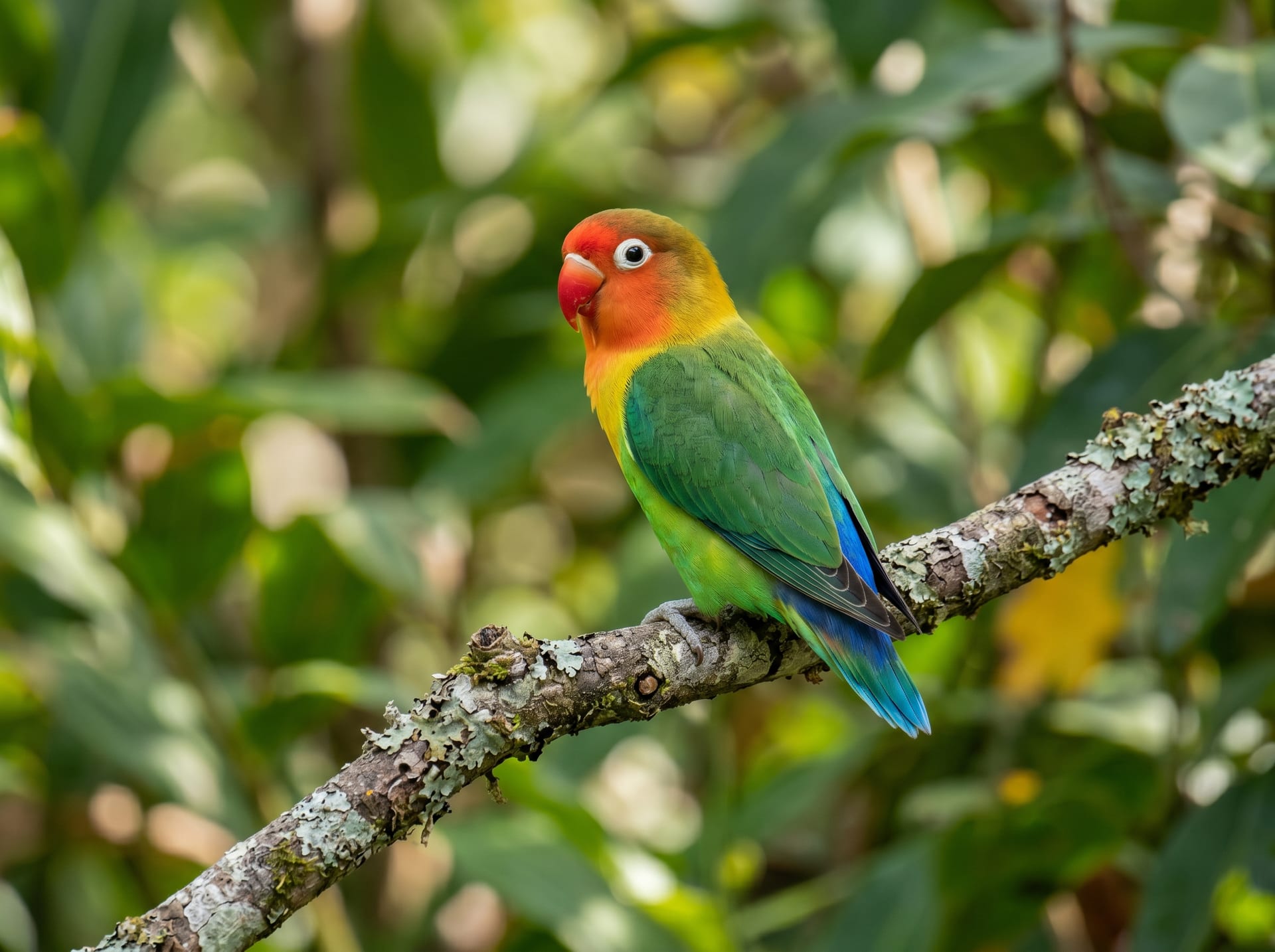
Switching your bird's diet from seed-based to pellet-based feeding significantly improves nutritional balance and supports long-term health. Seed-based diets, while highly palatable, often lack vitamin A, calcium, and essential amino acids. Prolonged seed-only feeding increases the risk of liver disease and fatty liver. Pellets are complete nutrition formulated to meet birds' nutritional requirements, and avian veterinarians have long recommended pellets as the primary diet. However, birds accustomed to seeds often resist pellets, so a successful transition requires proper knowledge and patience. This article explains step-by-step methods and tips for safely switching to pellets.
Why Switching to Pellets Is Recommended
Seed-based diets are high in fat. Sunflower seeds and hemp seeds in particular are high-fat foods with extremely high obesity risk. Additionally, birds can selectively eat their favorite seeds, further disrupting nutritional balance. Studies show that birds fed seed-based diets long-term have shorter average lifespans.
Pellets contain balanced vitamins, minerals, and amino acids, physically preventing nutritional imbalances caused by selective eating. The ideal diet ratio is 60–70% pellets, 20–30% vegetables and fruits, and 5–10% seeds (as treats).
Prerequisites to Confirm Before Switching
The bird must be in good health: Sick birds, underweight birds, chicks, and elderly birds risk losing body condition during dietary transitions. Always consult an avian veterinarian before starting.
Daily weight tracking: Weigh your bird at the same time each day during the transition. Use a digital scale with 0.1g precision. If weight drops by 10% or more, slow the transition pace or temporarily stop it.
Monitor droppings: Changes in dropping color and size are normal with dietary changes. However, consult a veterinarian if diarrhea persists.
Differences in Ease of Transition by Species
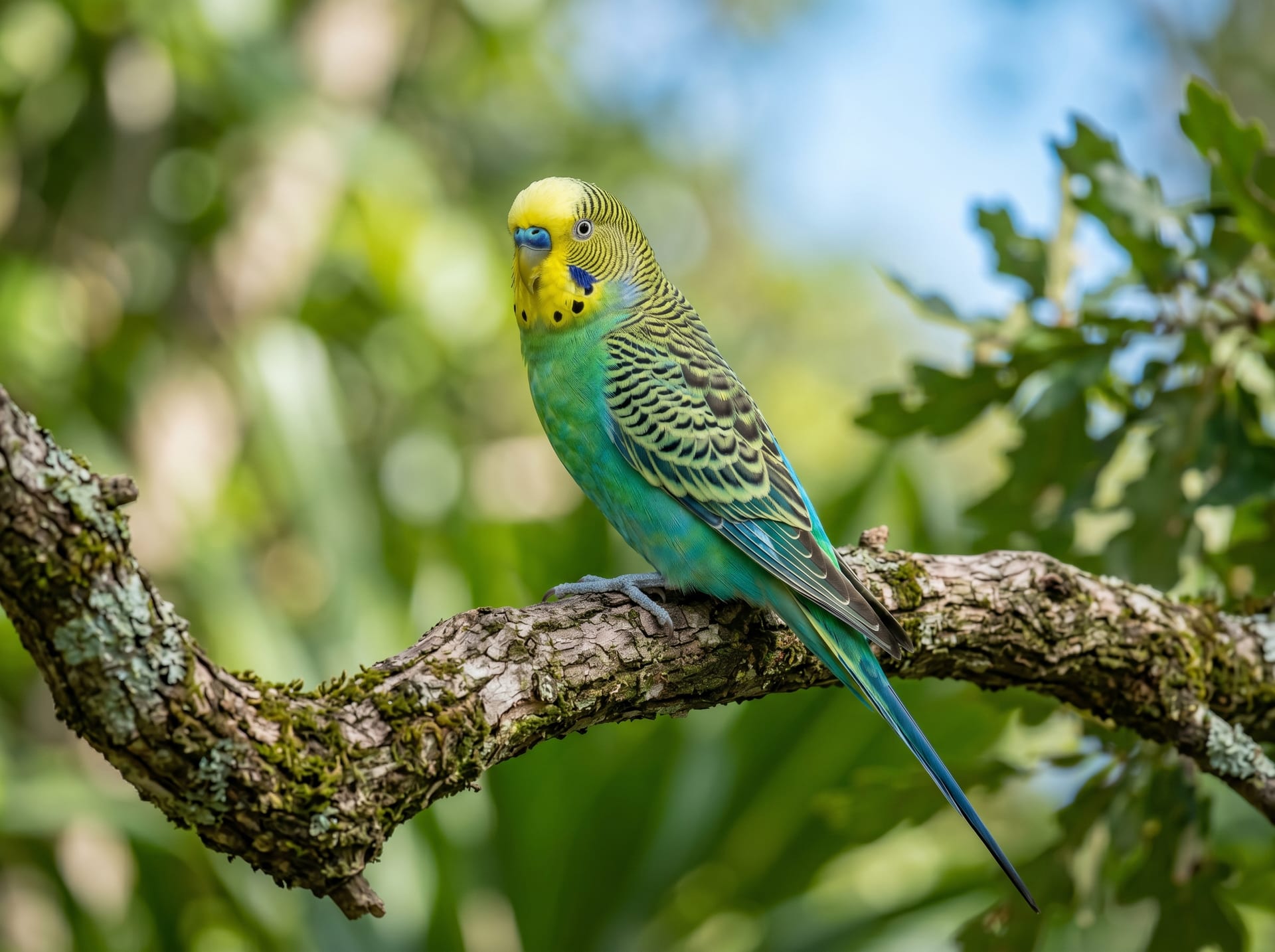
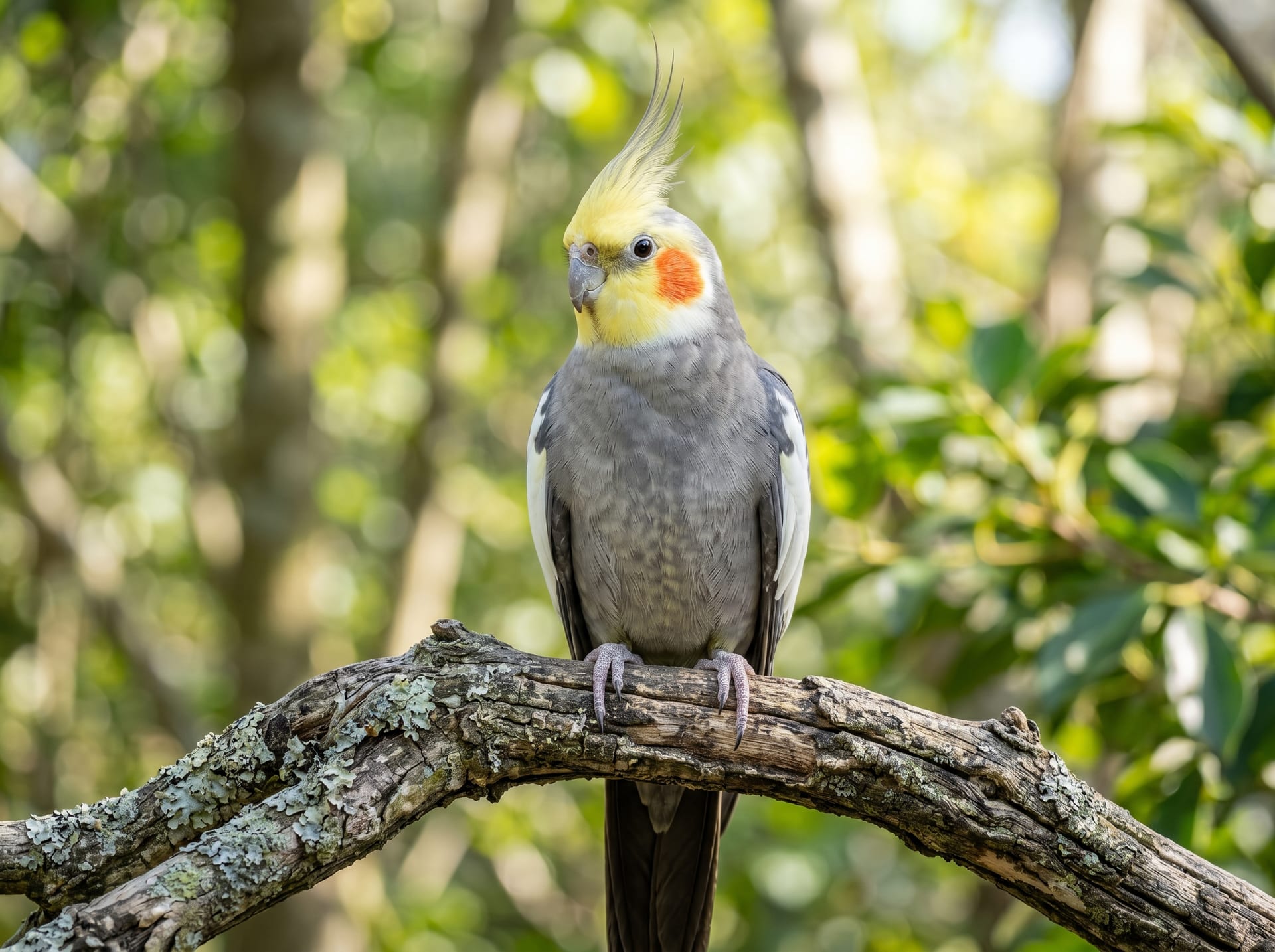
The ease of switching to pellets varies by species. Small to medium parakeets like Budgerigars and Cockatiels typically transition within 1–2 months, while large parrots like Macaws are cautious and may take close to six months. Lovebirds are particularly prone to picky eating and require patient, consistent effort. The key to success is avoiding rushing and adjusting the pace to match the individual bird's personality.
4-Stage Transition Steps
Stage 1: Recognition and Acclimation (1–2 weeks)
Mix a small amount of pellets (10–20% of the total) with the bird's regular seed. At this stage, it doesn't matter if the bird doesn't eat the pellets—the goal is to build familiarity. Crushing pellets into powder or lightly softening them with water can make them more appealing. Some birds show interest when their owner pretends to eat the pellets.
Stage 2: Ratio Adjustment (2–4 weeks)
Increase pellets to 30–40% of the diet. Reducing seed amounts increases the likelihood the bird will try pellets when hungry. The "morning pellet method" is also effective: offer only pellets in the morning, then replace with a seed-containing dish after a few hours.
Stage 3: Pellets as Main Food (4–8 weeks)
Increase pellets to 50–70% of the diet. Most birds begin eating pellets at this stage. When you notice the bird eating, speak gently and praise it. Positive associations are essential.
Stage 4: Completion and Maintenance
Once the bird accepts pellets as its main diet, limit seeds to treats at 5–10% of total intake.
7 Tips to Successfully Switch to Pellets
- Try multiple brands: Birds have taste preferences, just like people. Try brands like Harrison, Roudybush, and Zupreem.
- Experiment with flavors: Fruit and berry-flavored pellets tend to have higher palatability.
- Vary color and texture: Try both natural-colored and brightly colored pellets.
- Pretend to eat pellets: Birds show interest in foods their flock mates are eating.
- Warm the pellets: Slightly warming pellets releases aroma and can increase palatability.
- Mix with vegetables: Sprinkle powdered pellets on finely chopped vegetables and serve together.
- Be patient: Some birds take months to transition. Don't rush.
What Never to Do
Birds have small bodies and fast metabolisms—fasting for more than 24 hours is life-threatening. The idea that "they'll eat when hungry" absolutely does not apply to birds. Always keep food available. Daily weighing is essential to monitor health during the transition. If weight loss continues, pause the transition, return to higher seed ratios, and consult an avian veterinarian before resuming at a slower pace.
Welcome Home a Pellet-Trained Bird from BreederDirect
At BreederDirect, you can purchase birds directly from breeders who have raised them on balanced, pellet-inclusive diets. Birds raised as chicks with pellets already in their diet will transition smoothly to your home. Popular species like Cockatiels and Budgerigars are available, and if you're considering larger species like Macaws, confirm the pellet brand the breeder uses and prepare the same brand beforehand to minimize transition stress.