Bird Food: A Comparative Guide to Seeds and Pellets | How to Create the Optimal Nutritional Balance
A comparative explanation of seeds and pellets as bird food. Introduces nutritional balance, transition methods, and combinations of supplementary foods.
Key Takeaways
A comparative explanation of seeds and pellets as bird food. Introduces nutritional balance, transition methods, and combinations of supplementary foods.
Related Species
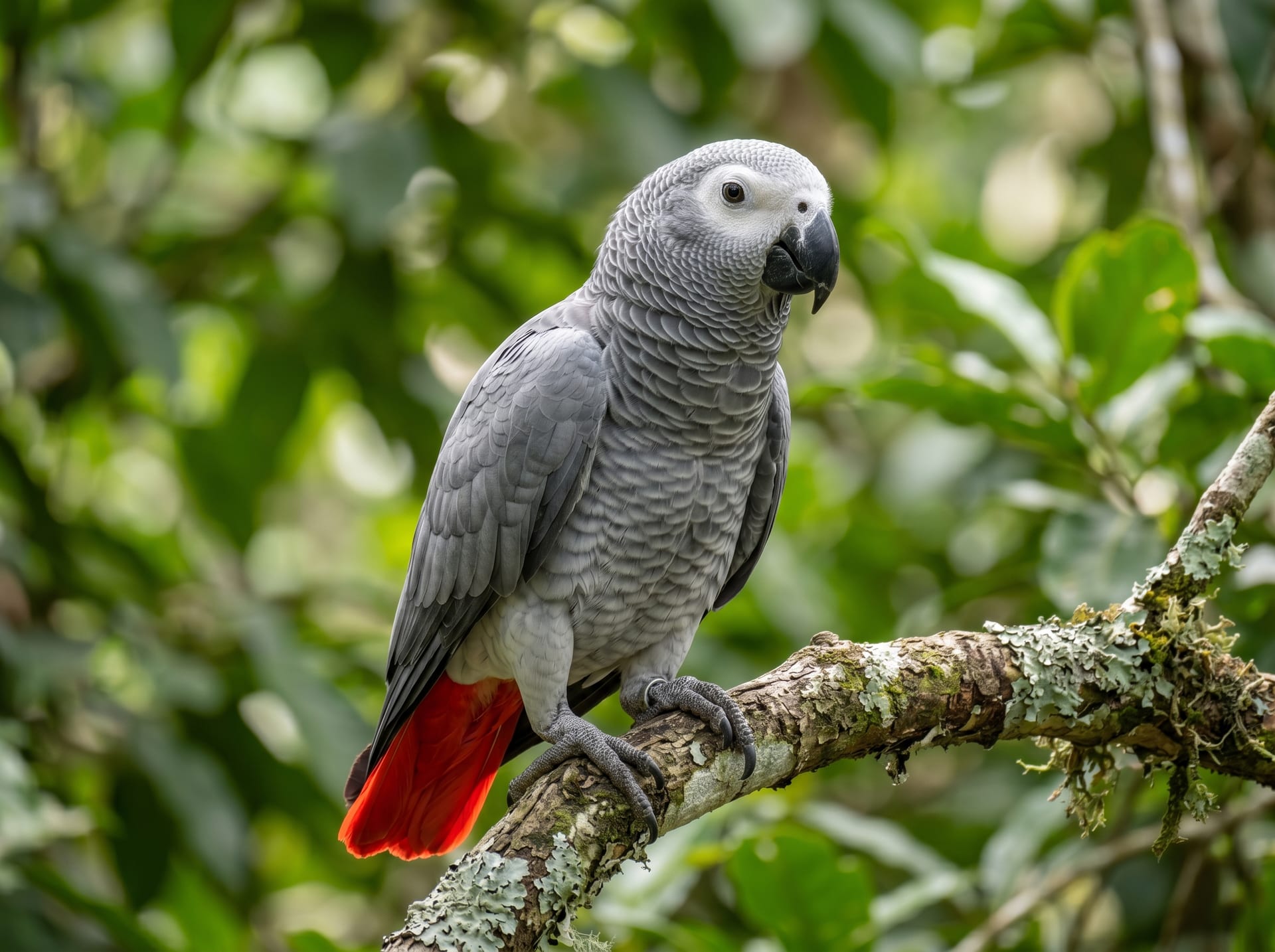
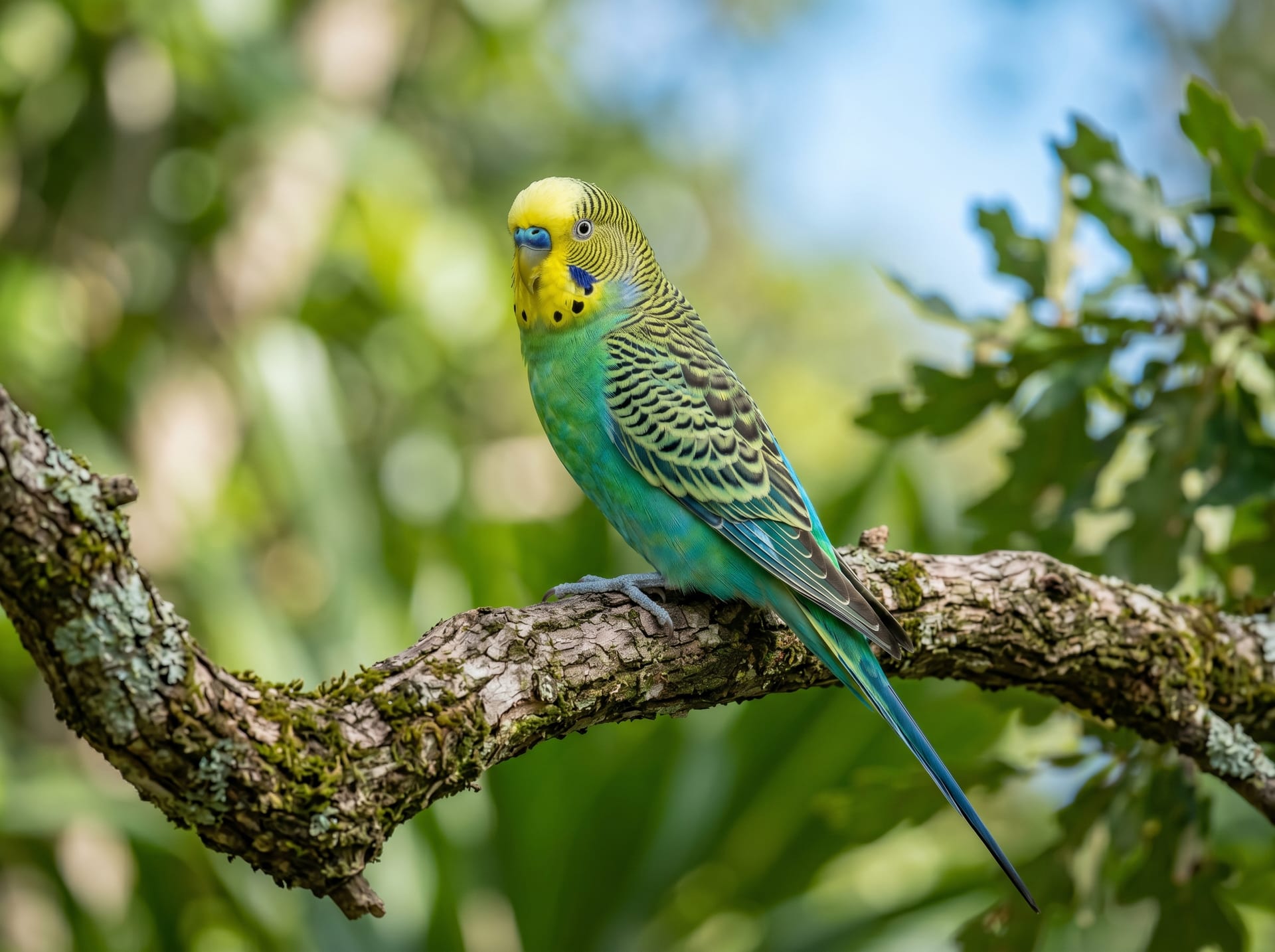
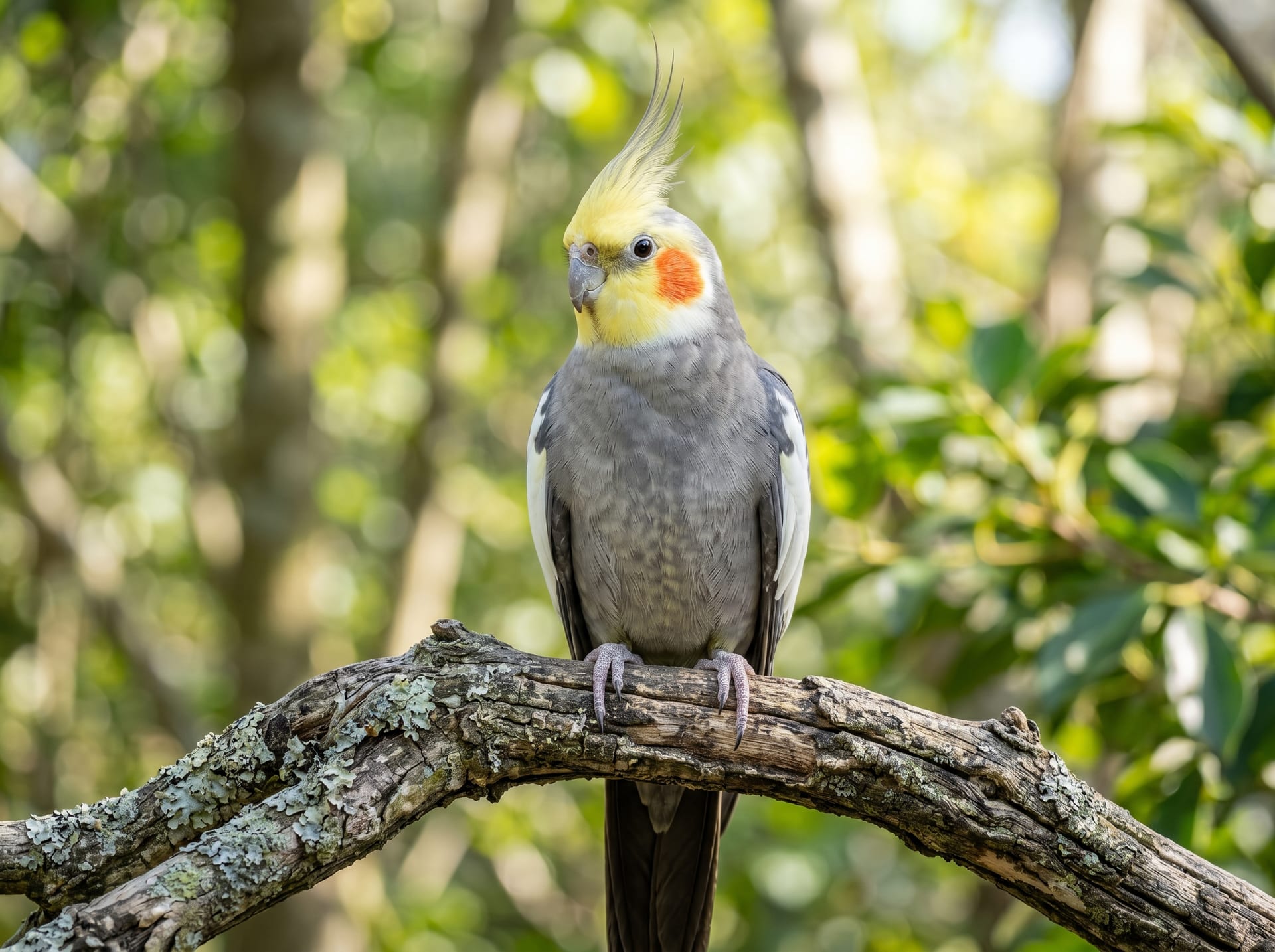
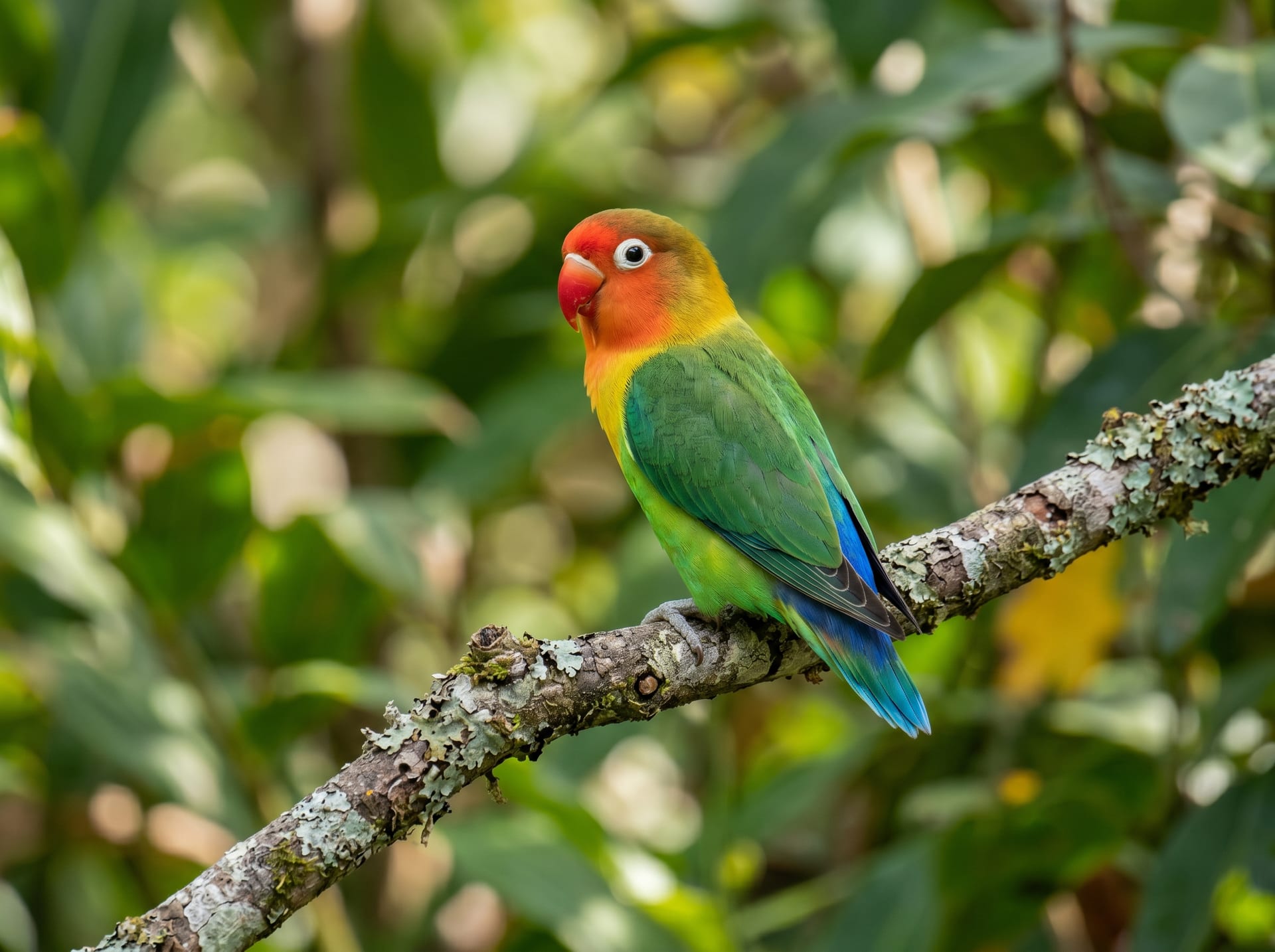
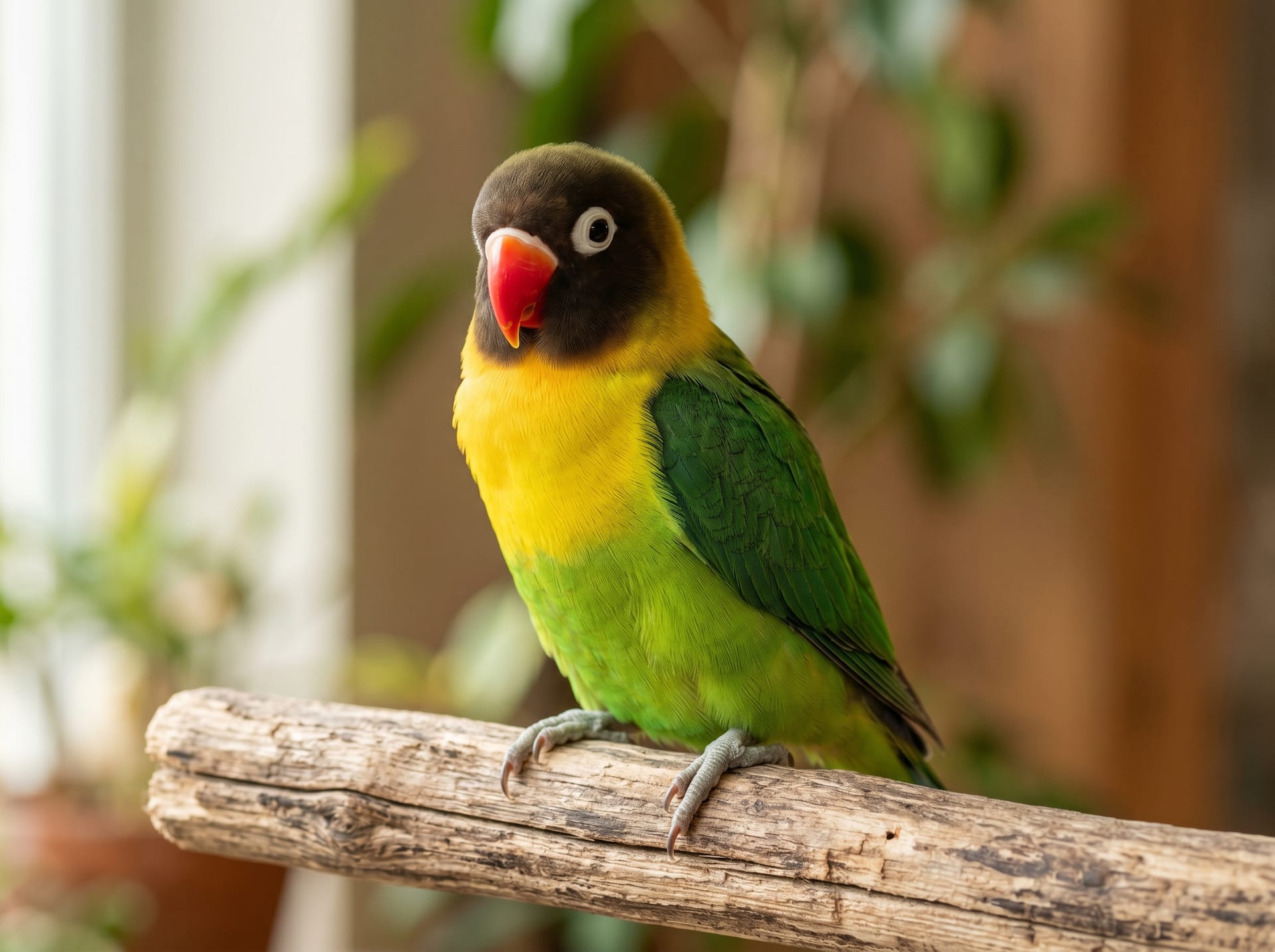
When you start keeping birds, the first dilemma is "what should I feed them?" Visit a pet shop and you'll find both seeds and pellets on the shelves, but many people find it difficult to know which is the right choice. In fact, the debate over "which is superior" has continued for many years, and it's now believed that combining both is best. In this article, I'll explain the characteristics of each in detail, introduce the appropriate nutritional balance for different bird species, and explain the correct transition method in an easy-to-understand way.
Seeds: Characteristics and Points to Note
Seeds refer to mixtures of canary seed, millet, panicum millet, foxtail millet, and sunflower seeds, among others, and have long been widely used as the staple food for birds. They closely resemble foraging behavior in the wild, and many birds naturally prefer to eat them.
Advantages of Seeds
- High palatability: Nearly all birds happily eat seeds, making them useful for providing nutrition when appetite is low or during and after illness
- Natural feeding form: Mimics foraging behavior in the wild, which also contributes to psychological satisfaction
- Easy to obtain: Readily available at home centers and pet shops with stable pricing
Disadvantages of Seeds
- Nutritional balance is easily skewed: While high in fat, they tend to be deficient in vitamins A and D, calcium, and other nutrients. Sunflower seeds in particular are high in fat, and overeating can lead to obesity and fatty liver disease
- Picky eating can occur: Birds tend to eat only their favorite seeds and leave the rest, disrupting nutritional balance
- Seeds alone shorten lifespan: Feeding only seeds long-term carries the risk of vitamin deficiency and compromised immunity
There is data showing that budgerigars raised on seeds alone have significantly shorter average lifespans. While seeds are "delicious food," it's important to recognize that they are "not a complete nutritional diet."
Pellets: Characteristics and Points to Note
Pellets are manufactured feed compressed from a formulation containing all the nutrients birds need. They're designed so that one pellet provides the necessary nutrition, and have been used as the main diet in Western countries for over 30 years.
Advantages of Pellets
- Complete nutritional balance: Vitamins, minerals, protein, fat, and carbohydrates are well-balanced, preventing nutritional imbalances from picky eating
- Easier health management: Droppings become more consistent, making health checks easier
- Excellent for long-term health: There are numerous reports that birds fed pellets as their main diet tend to live longer on average
Disadvantages of Pellets
- May have low palatability: Many birds don't recognize pellets as food when first introduced, and acceptance can take time
- Slightly higher cost: Regardless of domestic or imported origin, pellets are more expensive than seeds
- Quality varies by type: Low-quality products with added colorants and sugar are on the market, so always check the ingredient list when selecting
Reputable Pellet Brands
| Brand | Features |
|---|---|
| Harrison's | Uses pesticide-free, organic ingredients. Often recommended by veterinarians |
| Roudybush | No artificial colors or flavors. Suitable for small to large birds |
| ZuPreem | Widely available and reasonably priced. Offers various options including fruit-based varieties |
Recommended Nutritional Balance by Bird Species
The optimal ratio of pellets to seeds varies by bird species. Refer to the table below to create a balance suited to your bird.
| Bird Species | Pellets | Seeds | Fresh Food (Vegetables & Fruits) |
|---|---|---|---|
| Budgerigar | 50–60% | 20–30% | 10–20% |
| Cockatiel | 60–70% | 15–20% | 10–20% |
| Peach-faced Lovebird / Lovebird | 60–70% | 15–20% | 15–20% |
| Large Parrots (Macaw, African Grey, etc.) | 70–80% | 5–10% | 15–20% |
Smaller birds tend to be more dependent on seeds, but raising them with a higher proportion of pellets contributes to a longer and healthier life. For more detailed information on large parrot diet design, see Parrot Nutrition Guide, and for general daily nutritional management, refer to Bird Food and Nutrition Management Guide.
The Importance of Fresh Food (Vegetables & Fruits)
In addition to pellets and seeds, providing a small amount of fresh food daily further enhances diet quality. Leafy greens in particular are excellent natural sources of vitamins.
Recommended Foods
- Vegetables: Komatsuna, bok choy, broccoli, carrots, bell peppers (rich in vitamins A and C)
- Fruits: Apples, bananas, blueberries (be careful with seeds and skin)
Foods NOT to Give
The following foods are harmful to birds. Never give them to your bird. A detailed list of toxic foods and harmful items is compiled in List of Toxic Household Items for Birds.
- Avocado (persin toxicity)
- Onions, garlic (hemolytic anemia)
- Chocolate, caffeine (neurotoxicity)
- Fruit seeds (apple and cherry seeds contain cyanogenic compounds)
How to Transition from Seeds to Pellets
Transitioning a bird accustomed to seeds to a pellet diet requires patience. Abrupt changes can lead to loss of appetite or food refusal, so proceed gradually with the following steps:
- First, "let your bird recognize its existence": Place pellets in the cage and let your bird become accustomed to them, so they take interest
- Mix a small amount into seeds: Start with a 9:1 ratio of seeds to pellets and observe whether your bird will eat them
- Gradually increase the ratio over 2–4 weeks: If there's no resistance, slowly increase the proportion of pellets
- Weigh your bird daily: Record weight using a digital scale, and if it drops by 10% or more, temporarily increase seeds and monitor
- Take your time—transition over several months: For some birds, this can take six months or longer. Patience is key to success
During transition, the idea that "they'll eat if they're hungry" is dangerous for birds. Unlike mammals, birds can suffer health problems from just a few hours without food. Always monitor weight carefully as you proceed. Methods for recording weight and identifying abnormal values are detailed in Weight Management for Parrots and Bengalese Finches.
BreederDirect's Safety and Security System
When bringing home a bird, the most important thing is to "start with food the bird is already familiar with." For birds that are already stress-sensitive to environmental changes, changing their food as well creates double stress.
Breeders listing on BreederDirect carefully raise chicks from a young age and manage their diet well. When purchasing, you can easily ask questions like "What are they eating now?" and "Are they accustomed to pellets?"—a major advantage unique to direct breeder sales.
Additionally, BreederDirect centralizes all communications before and after transactions within the platform, with systems in place to handle any issues. Even first-time bird owners can confidently purchase from trusted breeders. Your bird's health begins even before you bring them home.