Parakeet and Java Sparrow Weight Management | Discovering Health Changes Through Daily Measurements
Comprehensive guide to the importance of weighing small birds for health management, including when and how to measure, choosing the right scale, and graphing weight changes. Also covers standard weights by species and steps to take if weight loss is detected.
Key Takeaways
Comprehensive guide to the importance of weighing small birds for health management, including when and how to measure, choosing the right scale, and graphing weight changes. Also covers standard weights by species and steps to take if weight loss is detected.
Related Species
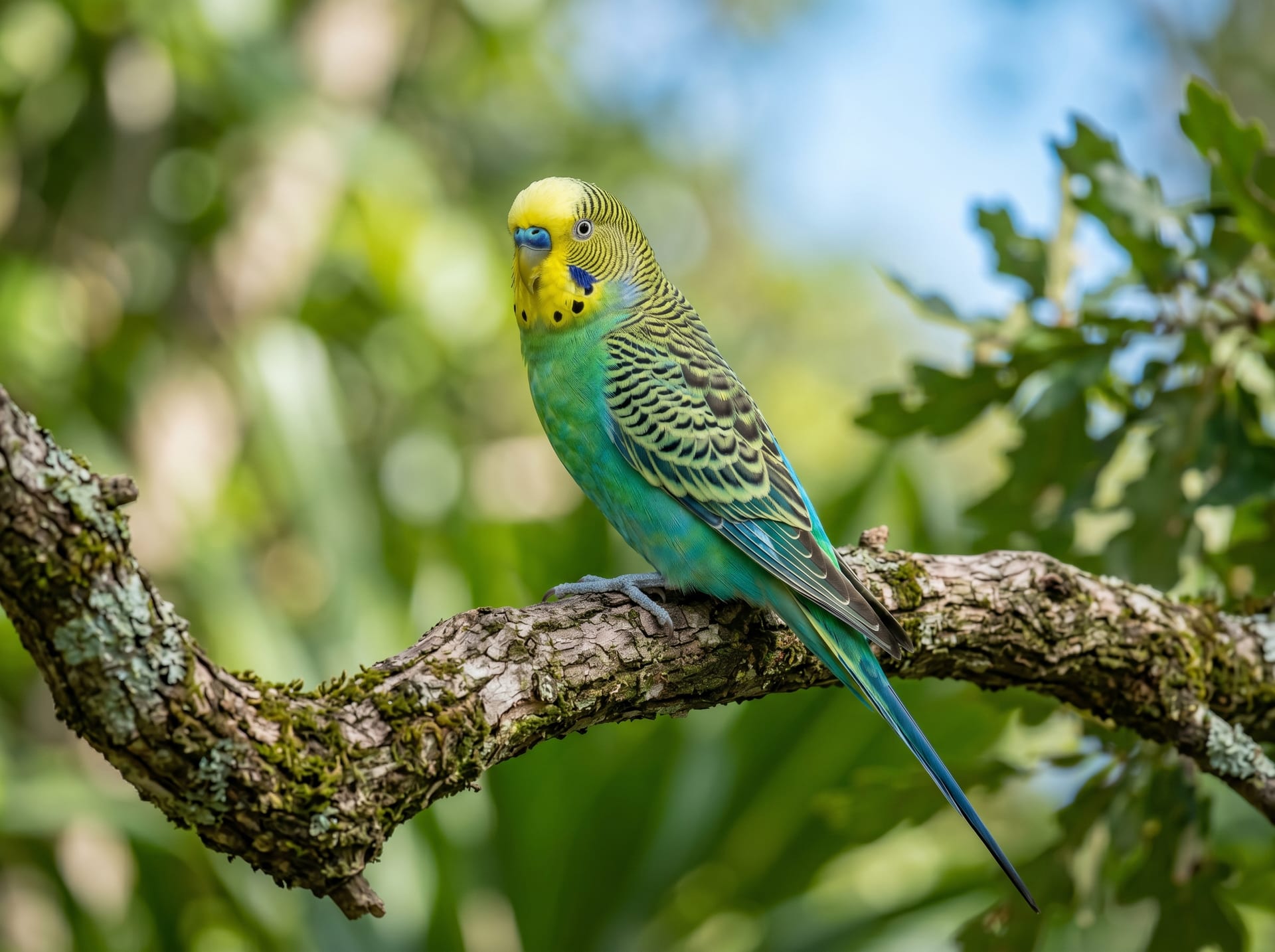
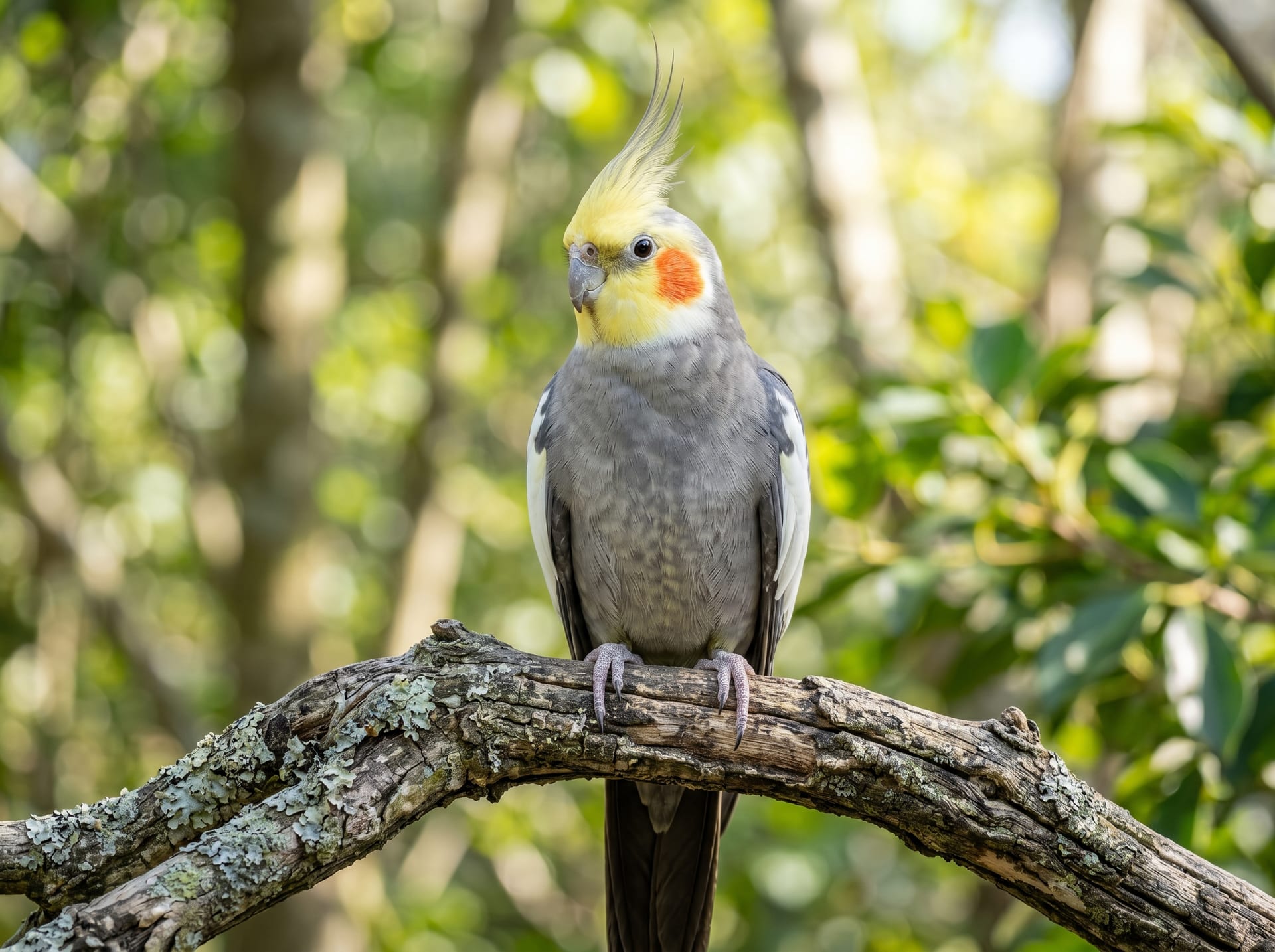
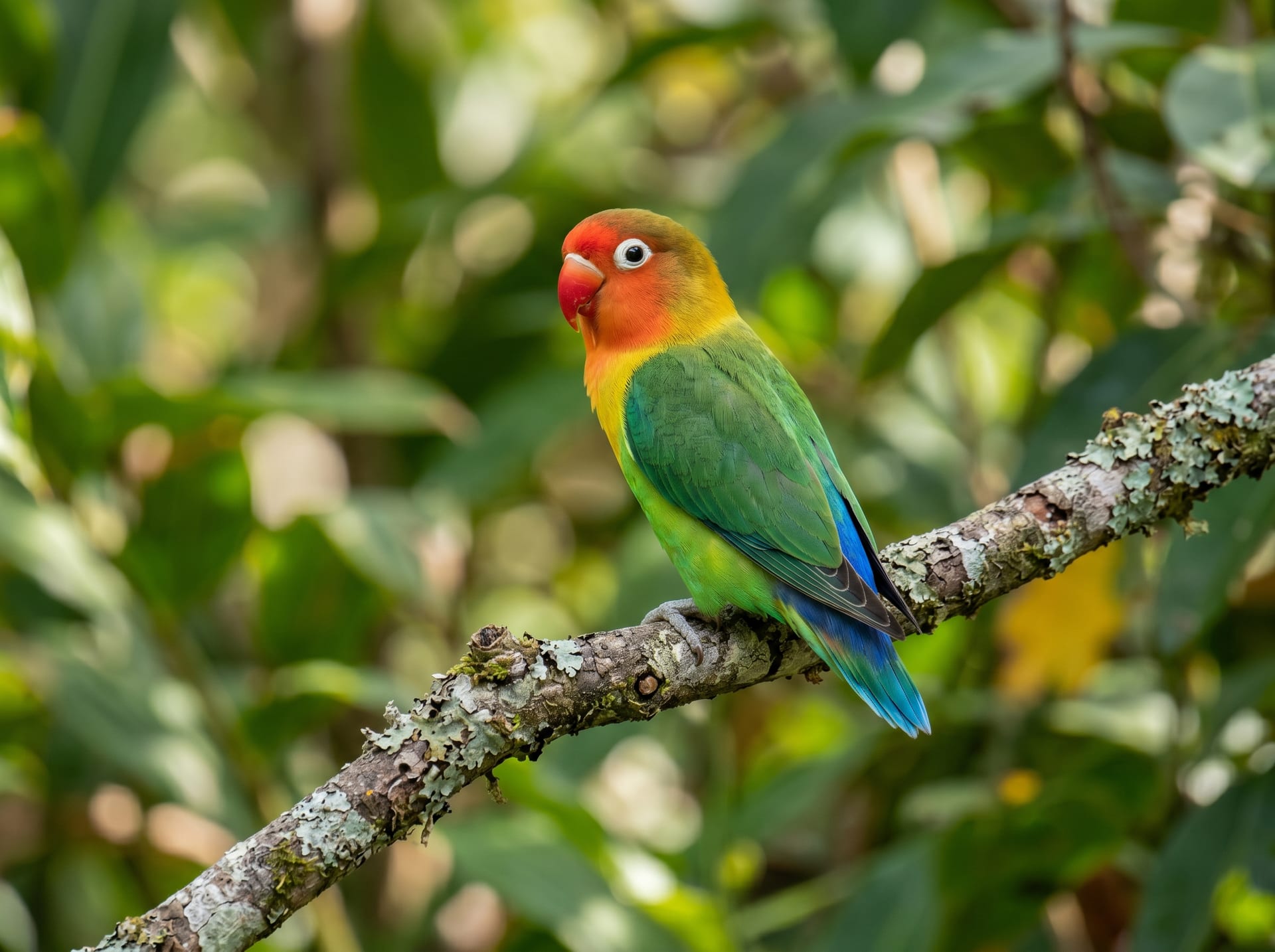
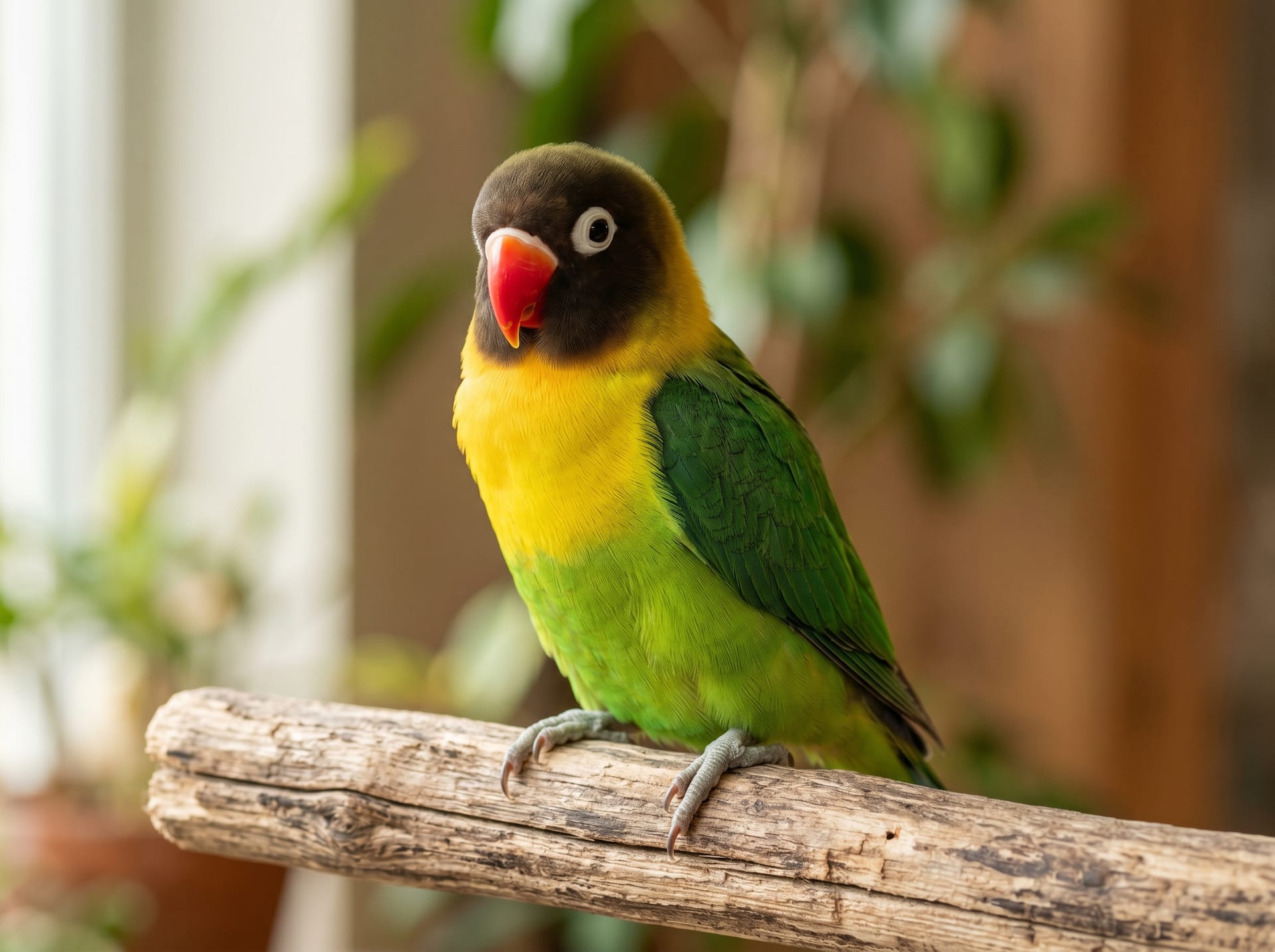
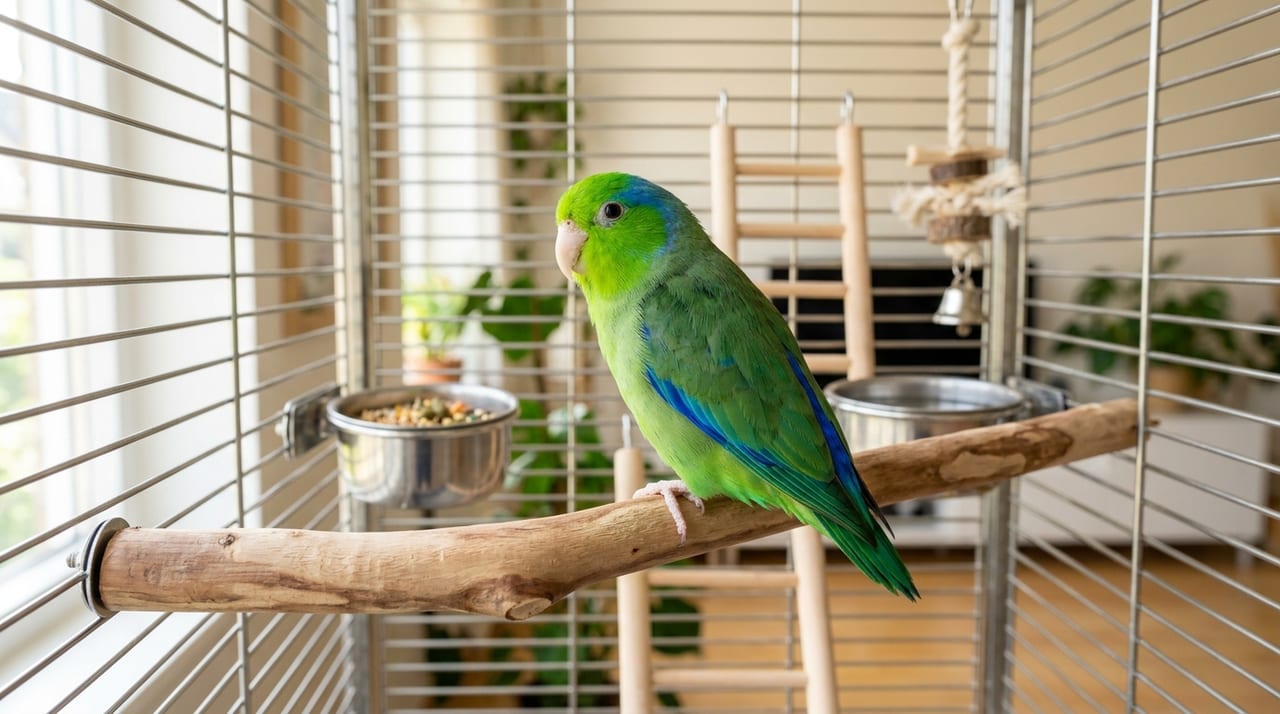
Because birds have small bodies, even slight weight changes can be a major sign of their health status. Cases where a bird looks healthy but its weight has actually been gradually declining are not uncommon, and there are countless examples of bird owners who discovered illnesses early by making weight measurement a habit.
This article provides a practical summary of weight management methods for small birds such as parakeets and Java sparrows.
Why Weight Measurement Is Important
Birds have an instinct to act healthy even when they are unwell. This is a remnant of predator-avoidance behavior in nature—showing signs of weakness makes them easier targets for predators.
Therefore, it is dangerous to judge health based only on what appears to be "healthiness" to the eye. Weight changes tell us in numbers about internal changes that are not visible to the naked eye.
When to Watch Weight Closely:
- Appetite seems to have decreased
- Often fluffing up its feathers
- Changes in the quantity or condition of droppings
- Seems lethargic in general
If you have weight records before these signs appear, you can look back to confirm when the changes began. During molting season, metabolism increases and weight becomes more variable, so it's reassuring to monitor daily changes alongside the Complete Guide to Parakeet and Parrot Feather Care.
Choosing a Scale
Required Precision
To measure a bird's weight, you need a digital kitchen scale that can measure to 0.1g precision. Adult bird weights are as follows.
- Java Sparrow: 24–28g
- Budgerigar: 30–40g
- Cockatiel: 80–110g
- Peach-faced Lovebird: 40–60g
To reliably detect changes of just a few grams, 1g precision is not enough.
Recommended Measurement Methods
Using a Perch on the Scale: Secure a small perch or T-shaped stand to the scale, zero it, and then place the bird on it. Using a perch the bird is familiar with reduces struggling.
Weighing the Cage and Subtracting Its Weight: Place the cage on the scale, zero it, then put the bird in the cage and measure. This method causes the bird less stress, but since the weight of food and water in the cage also varies, you must keep conditions consistent each time.
Using a Paper Cup or Container: Zero a light paper cup and place the bird inside. Some birds will tolerate this for short periods without objecting.
Timing and Building the Habit
The basic rule is to weigh your bird every morning before feeding. Since weight naturally increases after eating, measure before feeding to ensure consistent conditions for comparison.
Record your measurements in a notebook or smartphone app and manage them with a graph to make changes visually clear. Use Google Sheets or a dedicated tracking app.
How to Get Your Bird Comfortable with Weighing
Some birds are initially frightened of the scale. Here are the steps to acclimate them:
- First, place the scale where the bird can see it to get used to its presence
- Place the bird's favorite treats on the scale to practice voluntary perching
- Reward the bird the moment it steps on the scale (positive reinforcement)
It is important to take time to teach your bird that stepping on the scale equals something good.
Standard Weights and Variation Guidelines
Standard Weights of Major Small Bird Species
| Species | Standard Weight | Caution Line |
|---|---|---|
| Java Sparrow (regular) | 24–28g | 22g or less |
| Budgerigar | 30–40g | 28g or less |
| Cockatiel | 80–110g | 75g or less |
| Peach-faced Lovebird | 45–60g | 40g or less |
| Lovebird | 40–55g | 36g or less |
These are merely guidelines. Since there are individual differences, it is most important to understand your own bird's 'standard weight'. The average value of long-term records becomes the baseline.
Acceptable Weight Variation
Even healthy birds experience daily variation (difference between morning and evening) and subtle week-to-week fluctuations. Here are the guidelines:
- Daily variation: approximately 1–3% (for adult budgerigars, about 0.5–1g)
- If weight loss exceeds 5% in a week: review diet and environment
- If weight loss exceeds 10% in a week: strongly consult a veterinarian
If Weight Is Decreasing
Things to Check First
- Whether the bird is eating: Check if the food bowl contents are decreasing. Some birds pretend to eat but don't actually consume food (especially with hulled seeds, empty hulls remain making it appear the bird is eating)
- Droppings: Changes in quantity, color, or shape
- Behavioral changes: Spending more time on lower perches, keeping eyes closed for longer periods, etc.
Dealing with Loss of Appetite
Loss of appetite can have multiple causes.
- Dietary changes (such as forcibly switching from seeds to pellets)
- Mouth or beak problems (inflammation, overgrowth)
- Infections or digestive issues
- Psychological stress
First, offer the bird's favorite treats (millet, egg food) in small amounts to stimulate appetite. If there is no improvement, visit an animal hospital within 1–2 days. Weight loss can become irreversible if you wait too long.
When Weight Gain Requires Attention
Obesity is a problem seen in birds, especially in those with limited out-of-cage time that eat large amounts of high-fat seeds.
Obesity increases the risk of fatty liver disease, heart disease, and joint problems. If your bird's weight exceeds 20% above standard, review diet (such as partially replacing seeds with pellets) and activity level.
Summary
Weight management is one of the simplest and most effective habits for maintaining the health of parakeets and Java sparrows. It takes only 1–2 minutes each morning, but its value increases as long-term records accumulate.
As the saying goes, 'weight doesn't lie'—numbers never deceive. Start keeping records today.