Why Bird Health Management Is Difficult
Birds are naturally inclined to hide signs of poor health. In the wild, appearing weak invites predation, so they tend to behave normally until symptoms become severe. This is why birds often experience sudden deterioration while their owners think everything is fine—daily observation and record-keeping can literally save lives.
This article explains what to look for and how to observe your bird daily, with concrete checking methods.
The Importance of Weight Measurement and Methods
Weight is one of the most important objective indicators of a bird's health status.
Why Weight Measurement Matters
Birds show clinical symptoms when they lose just 5–10% of their body weight. In other words, capturing weight loss before symptoms appear is the key to early detection.
Measurement Method
What you'll need:
- Kitchen scale (accurate to 0.1g)
- Record sheet (smartphone apps work too)
Measurement steps:
1. Measure at the same time every day (early morning on an empty stomach is optimal)
2. Place a light dish or platform on the scale and set the tare to zero
3. Place the bird on it and record the weight (use cloth or a towel for birds unfamiliar with the scale)
4. Record the result every time
Standard body weight reference by species (adult birds):
| Species | Standard Weight Range |
|---|
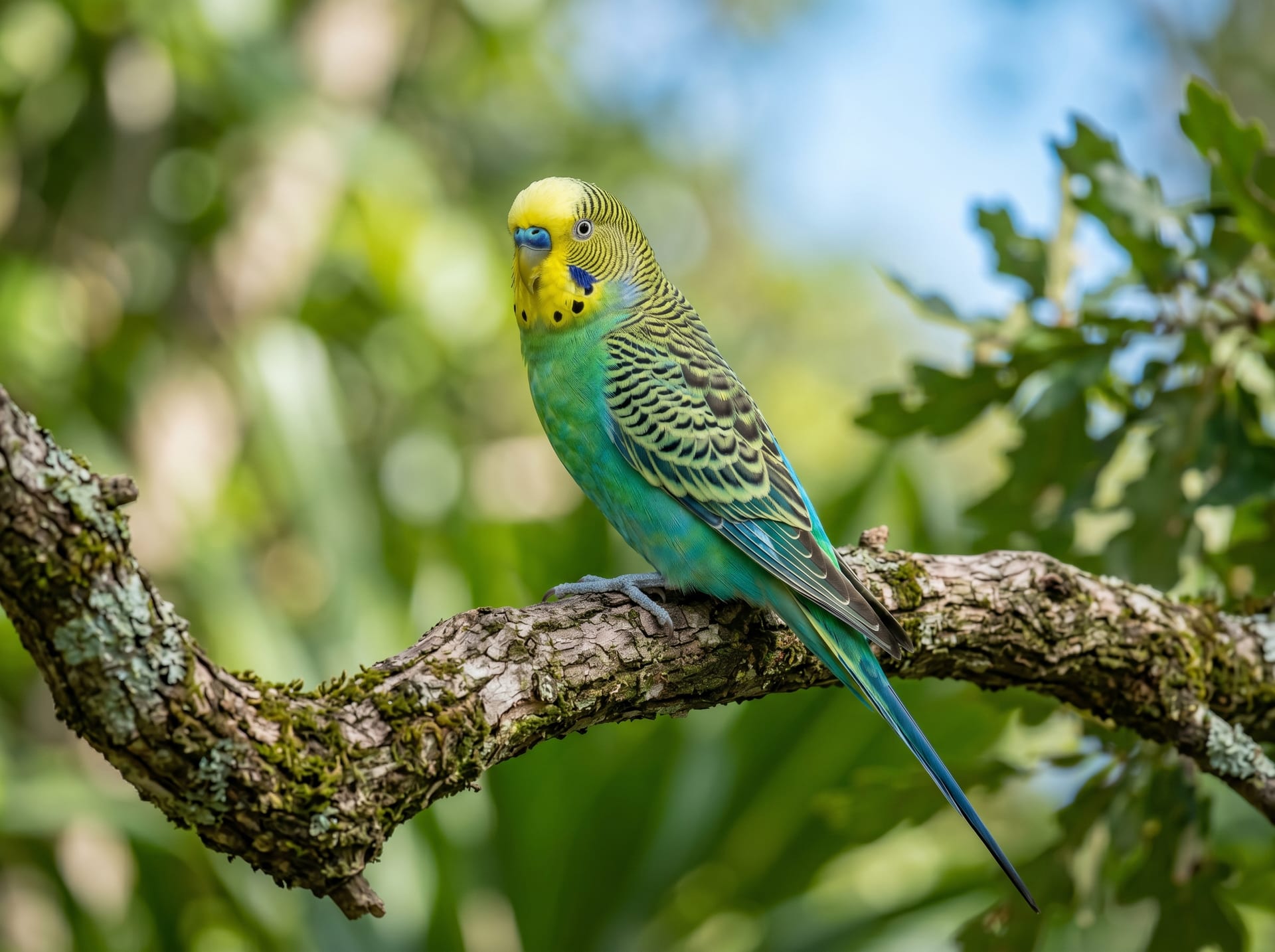
| Budgerigar (Standard) | 25–35g |
| Budgerigar (English) | 40–60g |
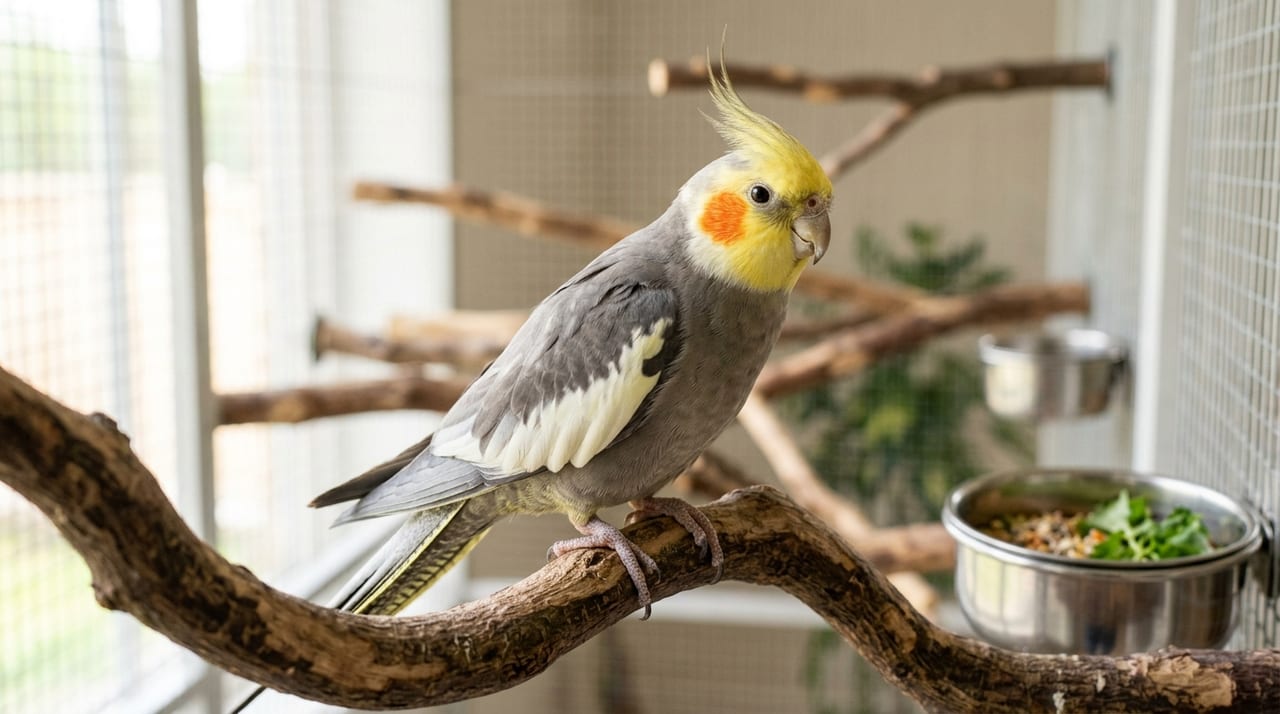
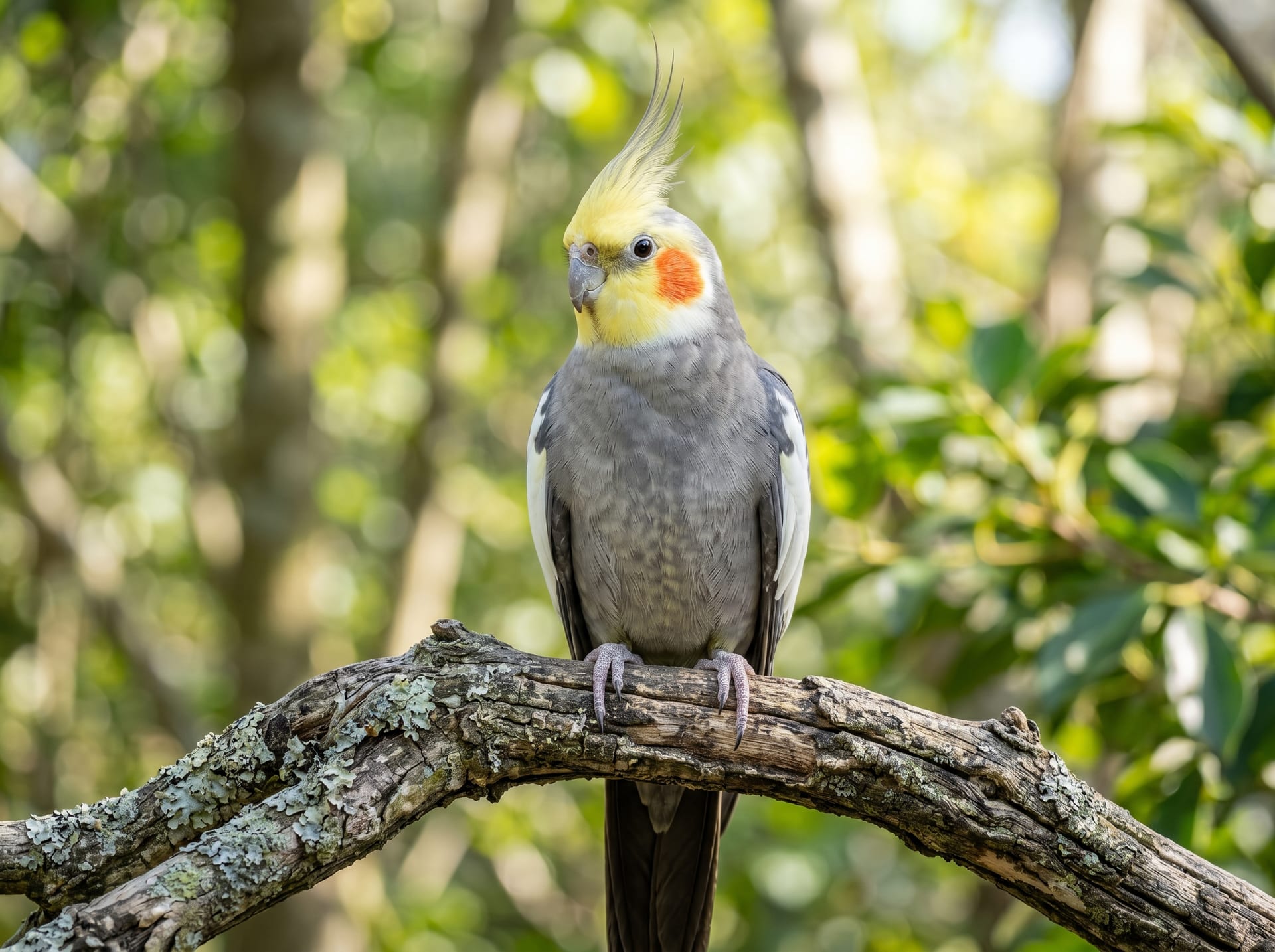
| Cockatiel | 80–130g |
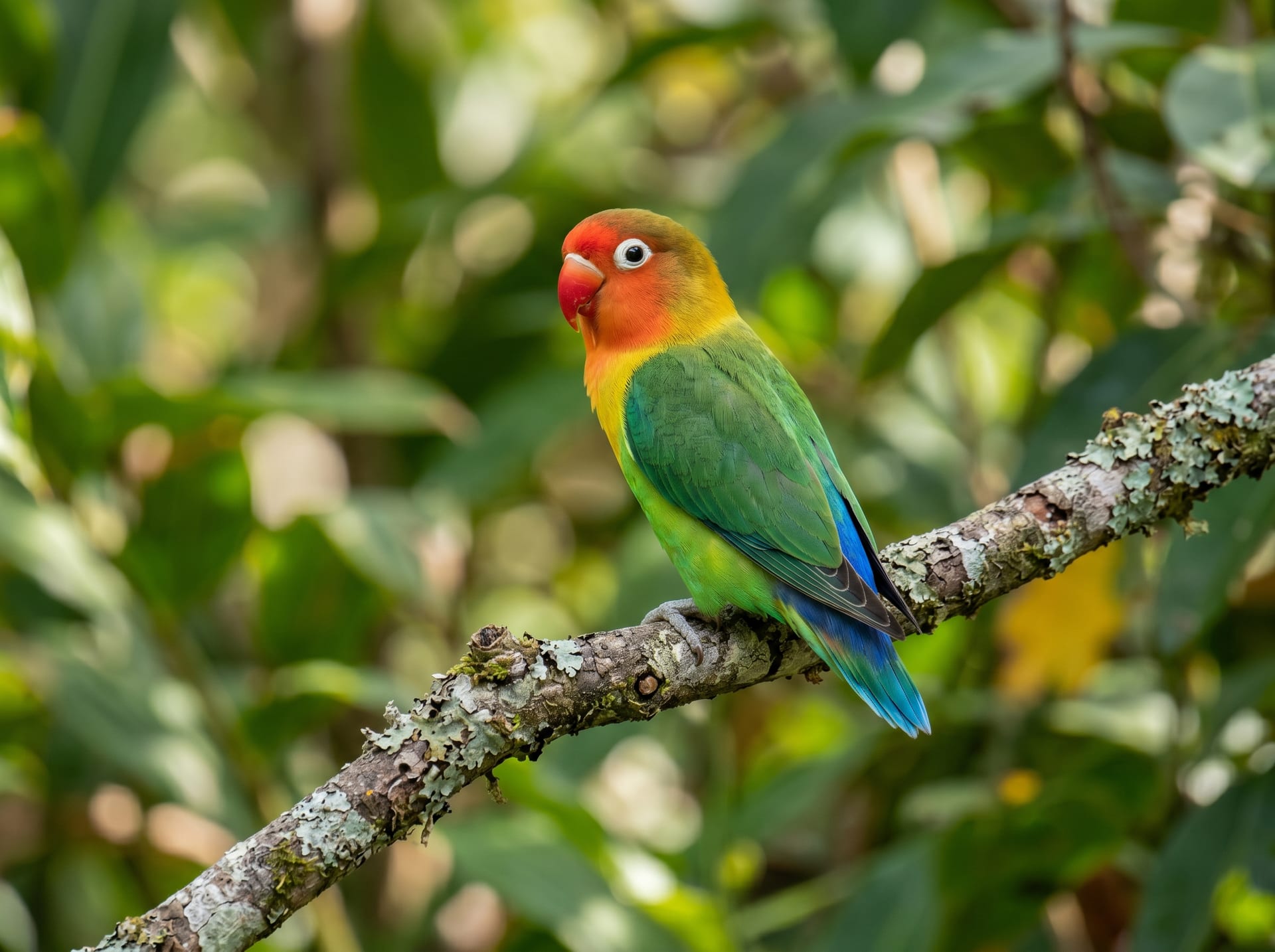
| Peach-faced Lovebird | 45–65g |
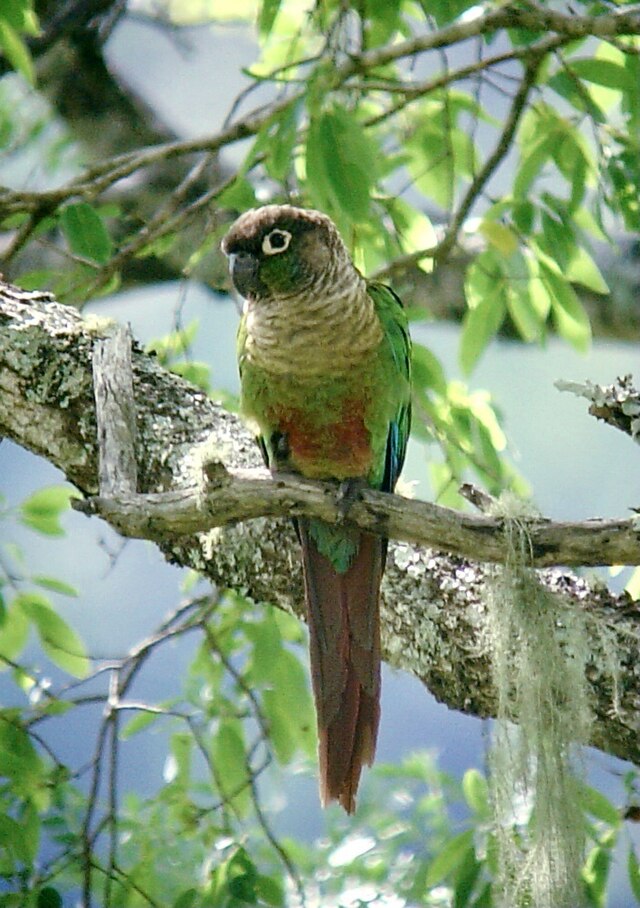
| Scaly-headed Parrot | 60–80g |
| Bengalese Finch | 20–26g |
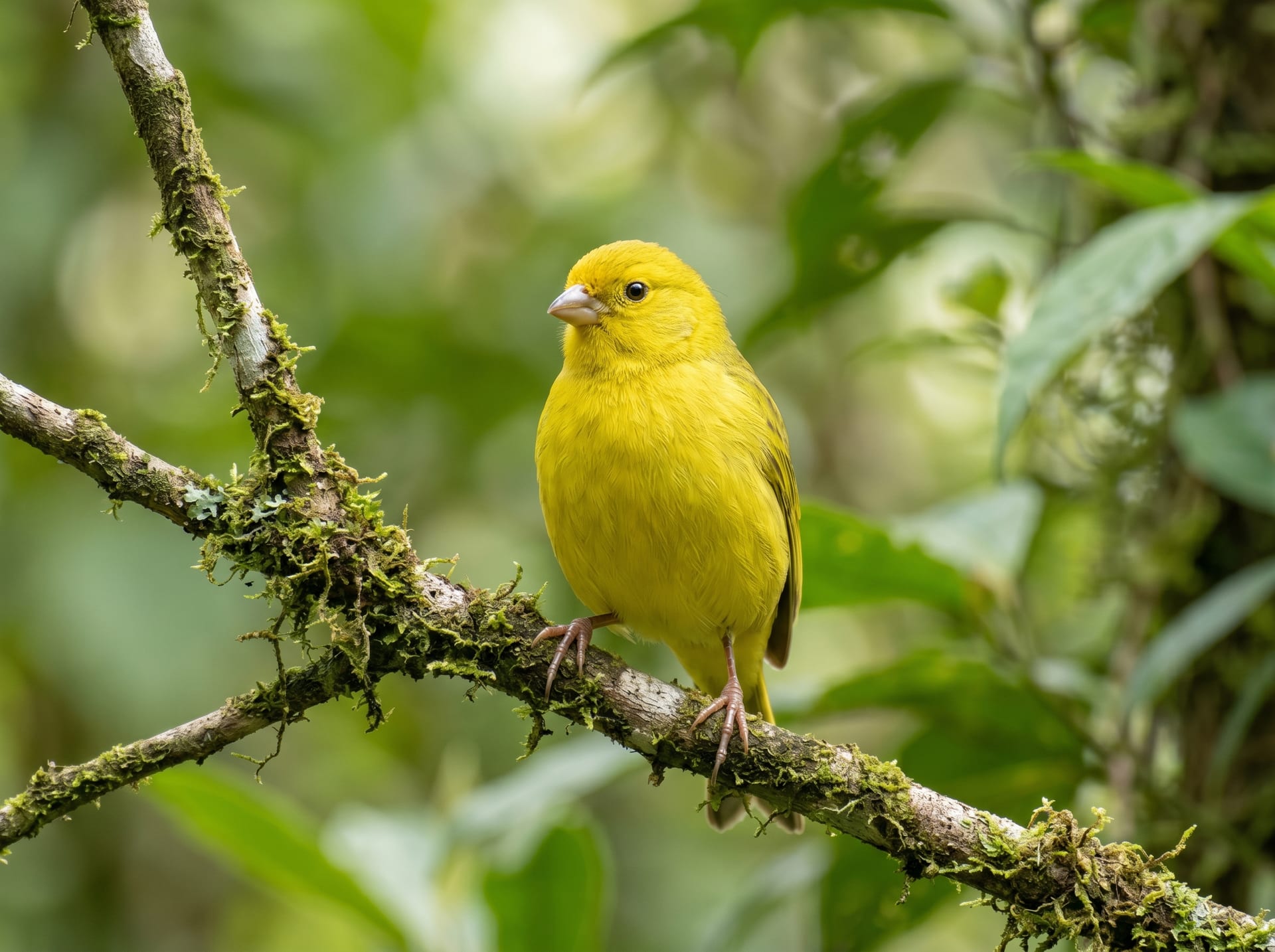
| Canary | 15–25g |
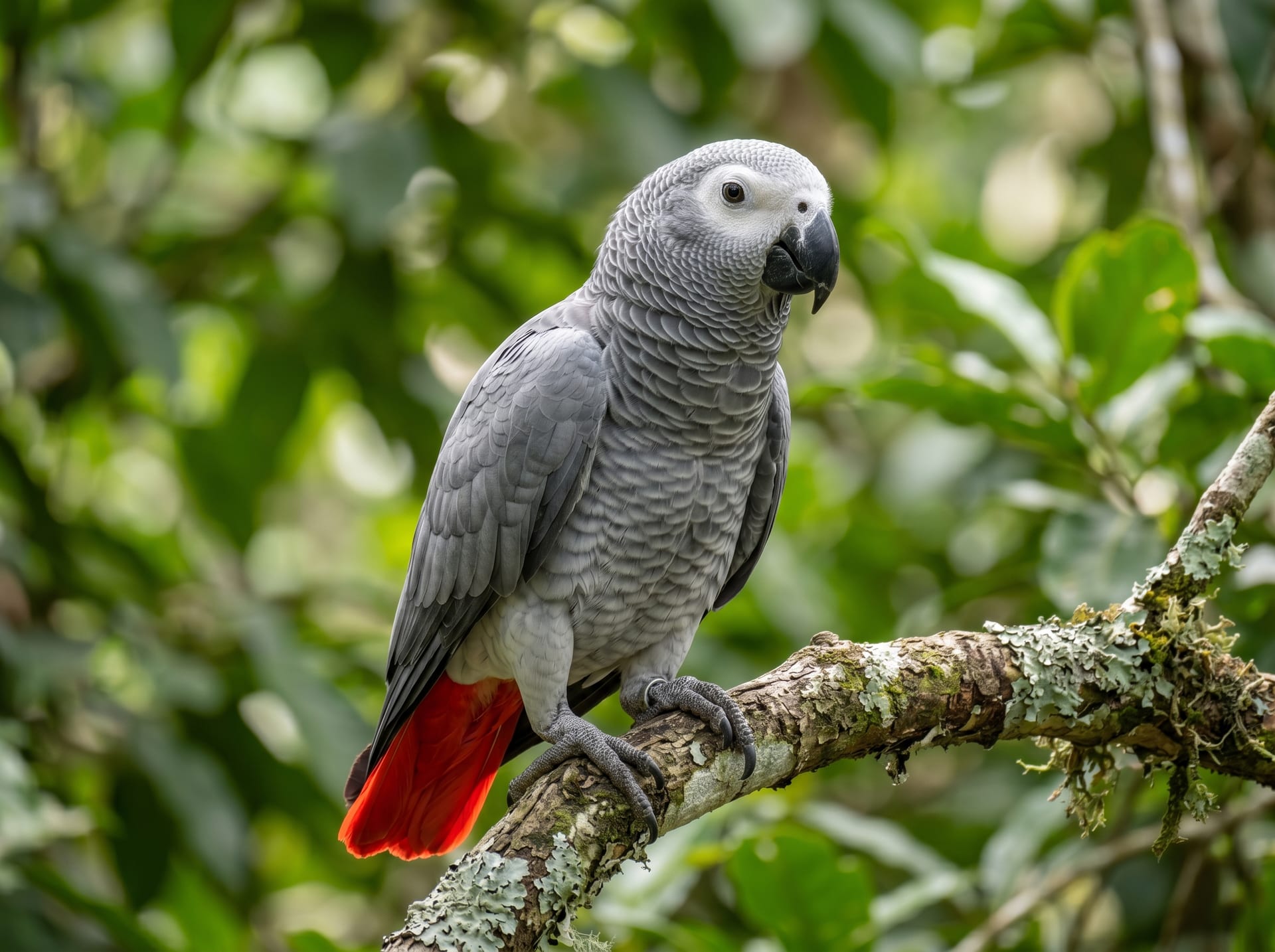
| African Grey Parrot | 400–600g |
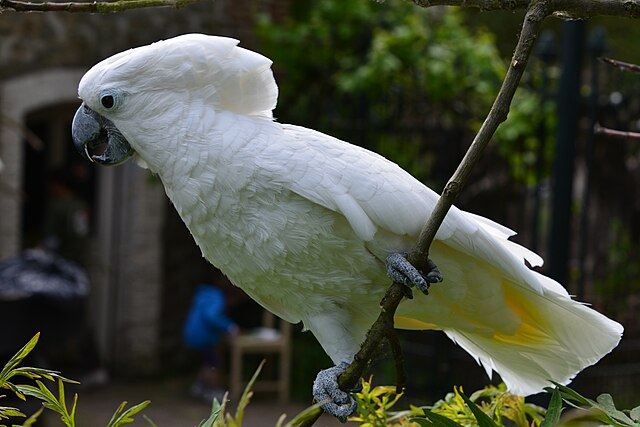
| Sulphur-crested Cockatoo | 800–1,200g |
※Since individual variation is large, it's important to establish the healthy baseline average for each bird.
Tips for Weight Recording
- Create a graph: Trends are easier to spot than raw numbers
- Note if there's a 5% or more loss in a week: This is a warning sign
- Sudden weight gain is also concerning: May indicate fatty liver disease or ascites
- Using spreadsheets or bird-specific apps ("Birdoo," "Ario," etc.) makes management easier
Fecal Observation Methods
Fecal appearance reflects the health of the digestive system, urinary system, and overall health. Make daily fecal checks a habit.
Normal Fecal Composition
Bird droppings consist of three components:
- Feces (stool): Dark green to black solid portion
- Uric acid (urate): White to cream-colored solid portion (equivalent to mammalian urine)
- Urine (liquid): Nearly transparent liquid portion
Normal Fecal Appearance
- Fecal portion: Varies by species, generally dark green to dark brown
- Uric acid portion: White and firm (not liquid)
- Overall well-formed and not spread excessively across the cage floor
Abnormal Signs and Possible Causes
| Appearance | Possible Cause |
|---|
| Watery feces (diarrhea) | Infection, stress, diet change, toxicity |
| Pale green or yellowish | Fasting, liver disease |
| Red or orange | Intestinal bleeding (emergency) |
| Black liquid | Upper GI bleeding (emergency) |
| White only (no fecal portion) | Fasting, digestive disorder |
| Uric acid portion yellowish-green | Liver disease, infection |
| Extremely small fecal amount | Appetite loss, intestinal obstruction |
| Excess liquid (increased urine) | Kidney disease, polyuria/polydipsia, diabetes |
After Eating Red-Colored Foods
If your bird eats red fruits (tomatoes, strawberries, etc.) or vegetables, droppings may temporarily turn red. Cross-reference with what was eaten to confirm.
Daily Appearance Checks to Monitor
Feather Condition
Normal:
- Feathers are evenly groomed and glossy overall
- Feathers are smoothed and lie close to the body (in warm environments)
Abnormal signs:
- Feathers remain fluffed up for extended periods
- Feather loss or thinning in specific areas
- Dirty or matted feathers
- Feather plucking (bird pulling out its own feathers)
Eyes, Beak, and Nares
Normal:
- Both eyes are the same size and appear bright
- Beak has no deformities or cracks
- Nares (nostrils) are clean
Abnormal signs:
- Eyes half-closed or reddened
- Deformed, overgrown, or cracked beak
- Crusting or discharge around nares
- Discharge from eyes or excessive tearing
Behavioral Changes
Behavioral changes to watch for:
- Remaining still or eyes closed longer than usual
- Less active than normal, unresponsive to calling
- Marked decrease in appetite
- Drinking much more water than usual (polydipsia)
- Rapid breathing or mouth breathing
- Weakened or absent vocalizations
Temperature Management and Environmental Checks
Appropriate Environmental Temperature
| Species | Ideal Temperature |
|---|
| Budgerigar | 20–28℃ |
| Cockatiel | 22–30℃ |
| Bengalese Finch | 20–27℃ |
| African Grey & Large Parrots | 18–26℃ |
Signs of low body temperature:
- Body puffed up (attempting to retain heat)
- Shivering
- Tucking one foot into feathers
If you suspect hypothermia, warm the bird to 26–30℃ using a heat lamp or pet heater, and contact an avian veterinarian immediately.
Keeping a Health Journal
Recording daily observations allows you to reflect on questions like "when did the weight loss start" or "when did the fecal condition change?" This information is invaluable during veterinary exams.
Recommended Items to Record
- Date and time
- Weight (g)
- Fecal appearance (color, amount, moisture)
- Food intake (what and how much)
- Behavior (active, quiet, etc.)
- Any other concerns
A Smartphone Memo App Works Fine
You don't need specialized apps—photos and text notes work. Taking photos of fecal samples makes explanation to your vet much easier.
When to Visit an Avian Veterinarian
Seek immediate care from an avian veterinarian if you observe any of these signs:
Emergency: Same-day visit
- Mouth breathing (dyspnea)
- Repeated falling or loss of balance
- Visible bleeding
- Unconsciousness or unresponsiveness
- Rapid weight loss (5% or more in 1–2 days)
Urgent: Within 2–3 days
- Appetite loss lasting a week or longer
- Weight loss of 5% or more in one week
- Abnormal fecal appearance for 3+ days
- Loss of voice or dramatic voice change
Summary
The foundation of pet bird health management is daily observation and record-keeping. Weight measurement is especially important as a quantifiable objective metric, allowing you to detect changes before symptoms appear. Combined with fecal observation, making these daily habits will help you recognize changes in your bird's health at the earliest stage. Because birds hide illness, your attentive observation as their caretaker is what protects your bird's life.