Complete Guide to Java Sparrow Care | Hand-Taming Training, Breeding Season Management, and Early Disease Detection
A comprehensive guide to Java sparrow care. From hand-taming training steps for chicks to breeding season management and early detection of common diseases—all from a breeder's perspective.
Key Takeaways
A comprehensive guide to Java sparrow care. From hand-taming training steps for chicks to breeding season management and early detection of common diseases—all from a breeder's perspective.
Before You Start Living with a Java Sparrow
✍️
BreederDirect Editorial
The BreederDirect editorial team specializes in care information for animals, covering veterinary care and breeding to deliver beginner-friendly guides.
Find Birds on BreederDirect
Buy directly from verified breeders
Browse Related Listings
Find Birds listings related to this article on BreederDirect. Buy directly from verified breeders.
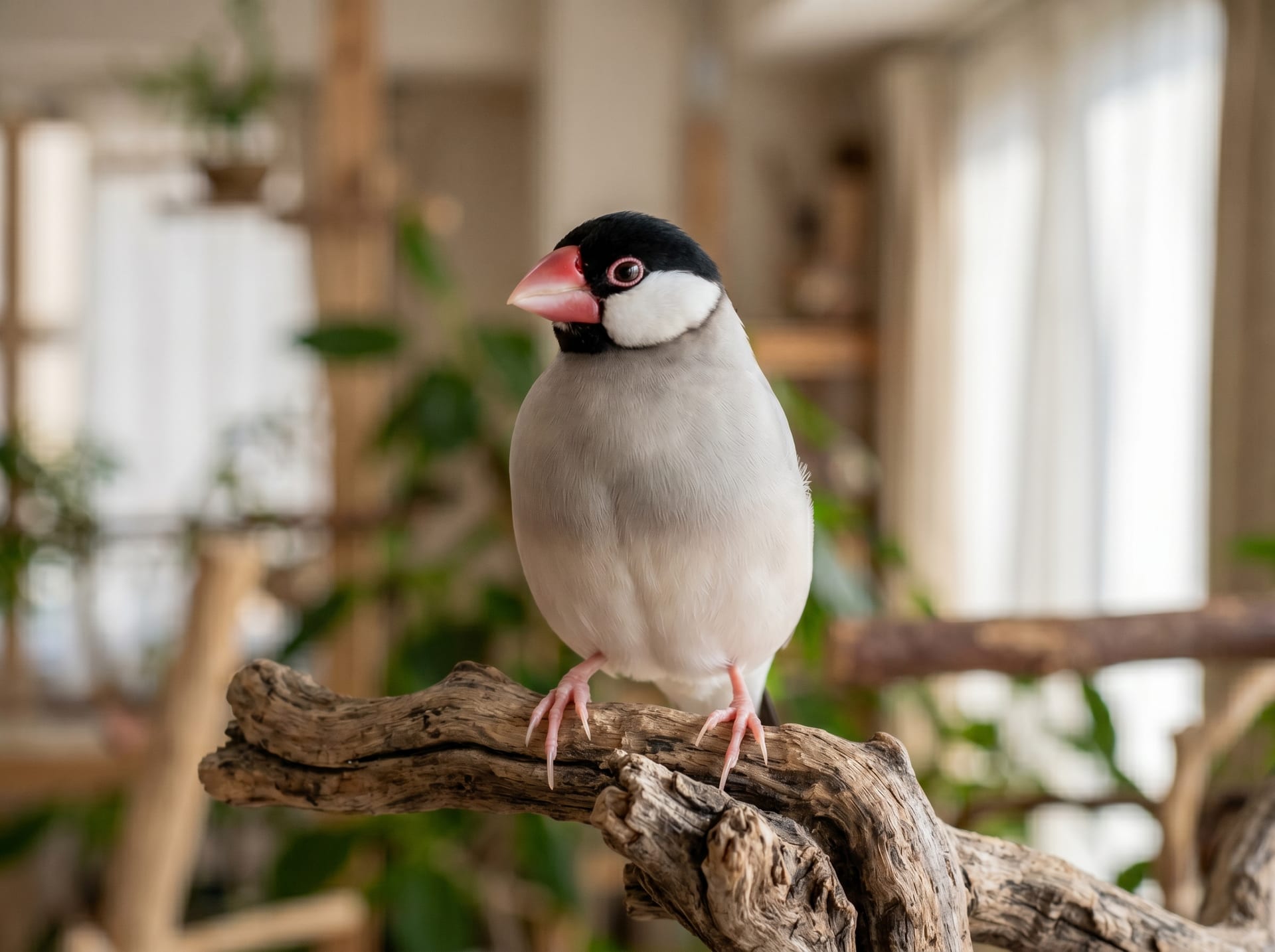
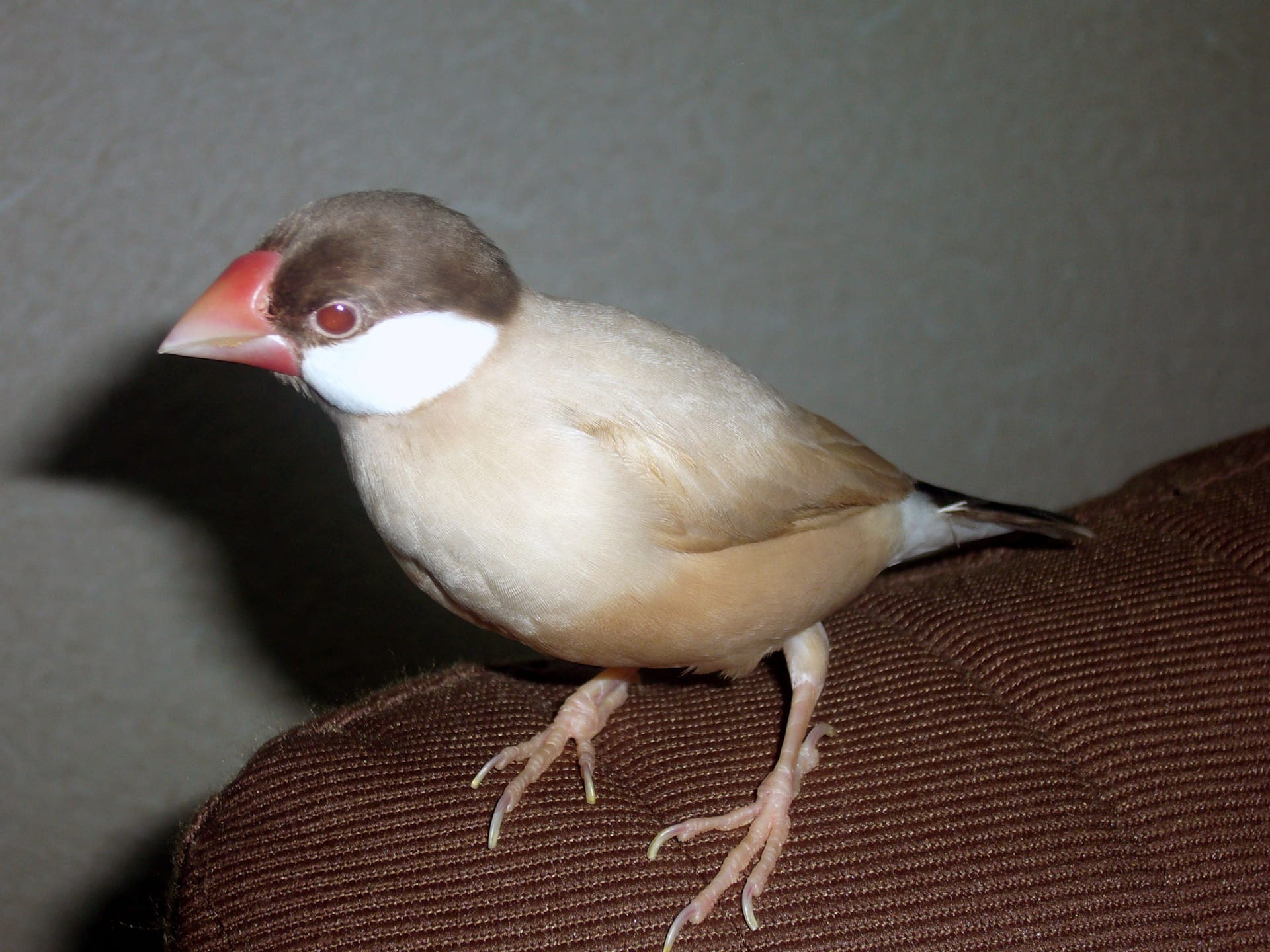
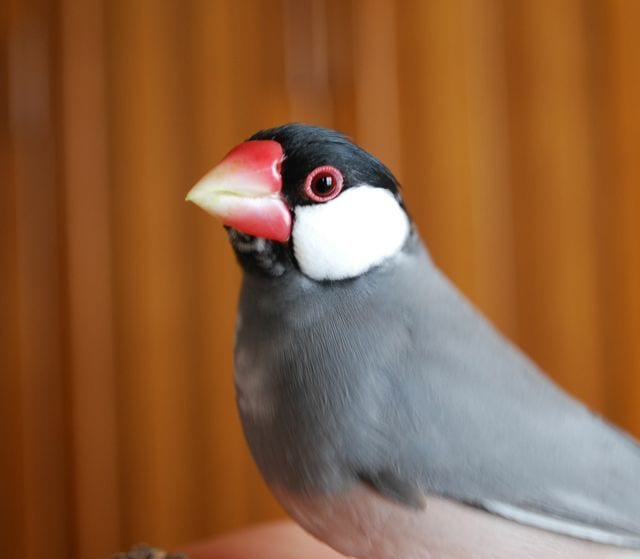
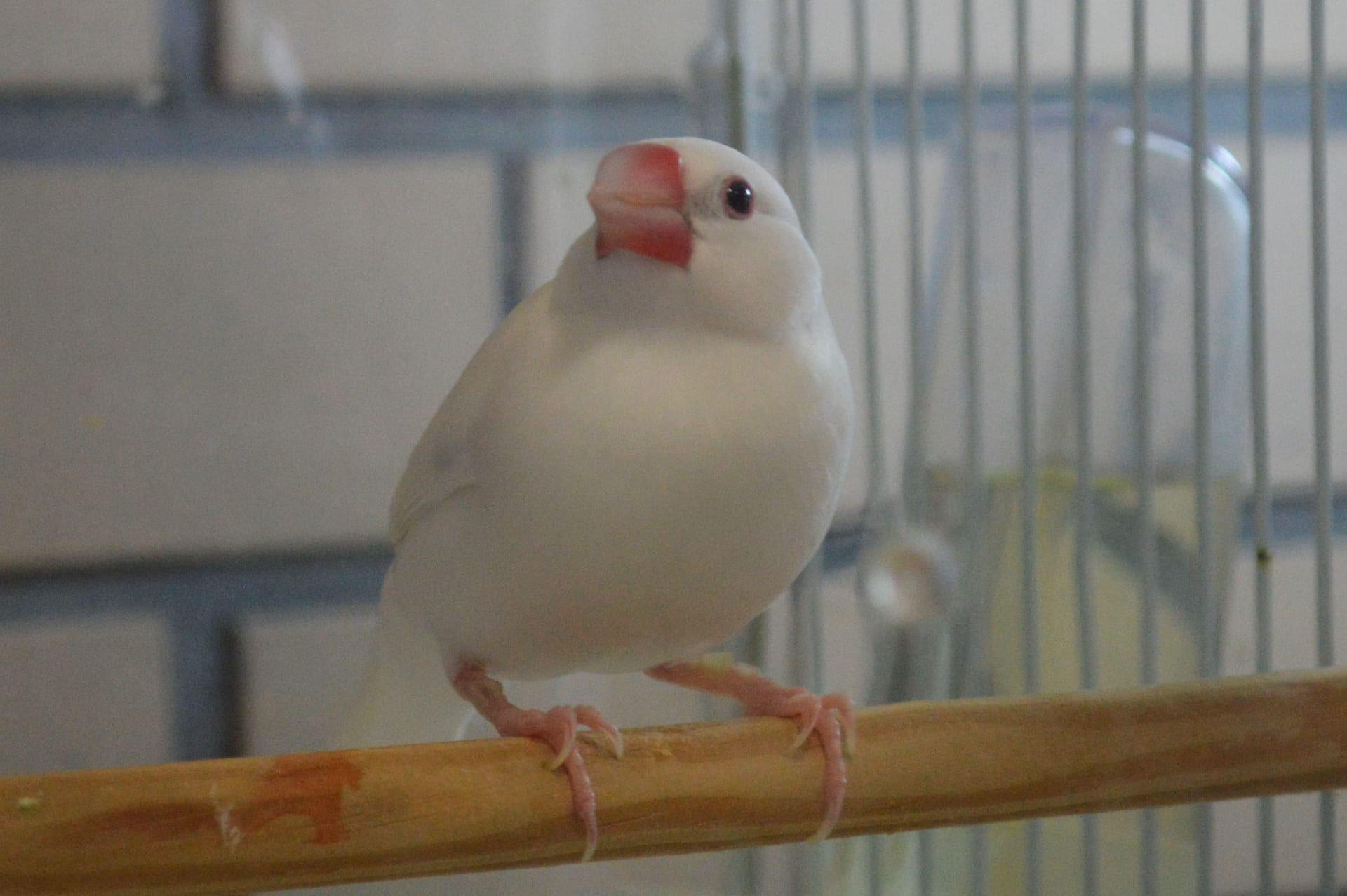
Java sparrows have been beloved by Japanese people since the Edo period, and with their charming round bodies and friendly personalities, they remain consistently popular today. Various color varieties exist—White, Sakura, Cinnamon, and Silver Java sparrows—making the choice itself part of the appeal.
However, despite their cute appearance, Java sparrows have a surprisingly strong-willed and independent nature. With proper knowledge and affection, you can build a relationship where your bird becomes attached and trusting. This article explains everything from hand-taming training steps for chicks, to breeding season management, to early disease detection—all from a breeder's perspective.
Basic Steps for Hand-Taming Training from the Chick Stage
To raise a hand-tame Java sparrow, acquiring a chick around 20-30 days old in the hand-feeding stage is the most successful approach. At this age, the chick's awareness of humans as frightening creatures is minimal, and it views its daily feeder as a parent figure.
How to Hand-Feed
For hand-feeding, use commercial powdered food mixed with lukewarm water (40-42°C). Temperature control is extremely important—if too cool, it causes digestive problems; if too hot, it can burn the mouth and esophagus. Develop the habit of checking temperature each time.
Adjust daily feeding frequency according to age. Around 20 days old: 5-6 times daily. After 30 days: reduce to 3-4 times daily. Once they start eating pellets and millet sprays, gradually wean them from hand-feeding. Abrupt weaning can cause health problems, so transition slowly and patiently.
Tips for Hand-Taming
During hand-feeding, offer food from your hand daily and practice having them perch on your palm. Since Java sparrows are delicate and tend to be skittish, loud voices and sudden movements are taboo.
Even after hand-feeding is complete and they move to cage living, 30 minutes to 1 hour of out-of-cage time daily is key to maintaining hand-taming. When your Java sparrow voluntarily perches on your shoulder or hand, it's a sign your bond is strong.
When getting chicks directly from a breeder, you can verify hand-feeding status, health condition, and parental background—a major advantage. Information about raising tips and individual personality that's hard to get at pet shops can be discussed directly—a unique benefit of buying from breeders.
Setting Up Cage Environment and Daily Care
Since Java sparrows are active and move around a lot, aim for a cage at least 45cm wide × 35cm deep × 45cm tall. Wider cages allow more room for hopping and flying.
Cage Layout
Perches should ideally be 1-1.5cm diameter natural wood. Uniform-diameter plastic perches can cause foot disease (bumblefoot), so install multiple perches of varying diameters made from natural wood.
Set up three separate food dishes: one for pellets, one for seeds, one for greens. While Java sparrows prefer seeds, ideally feed pellets as the staple with seeds as a supplement for proper nutrition. Cuttlebones help with calcium intake and beak maintenance, so keep them available permanently.
Temperature and Humidity Management
Ideal temperatures for Java sparrows are 20-28°C, with humidity around 50-60%. Especially during molting season and winter, use a pet heater for warmth to prevent energy depletion.
Bathing is essential stress-relief behavior for Java sparrows. Provide shallow water at room temperature 2-3 times weekly and allow them to bathe freely. Never force them into water.
Managing Breeding Season and Controlling Reproduction
Java sparrows become reproductive during spring (February-May) and fall (September-November). Excessive breeding drive in females is directly linked to health risks, so proper management by the owner is crucial.
Risks of Excessive Breeding Drive and Warning Signs
When a female Java sparrow experiences excessive reproductive drive, the risk of egg binding (egg retention) increases. Egg binding can be fatal within hours in severe cases. Consult a veterinarian immediately if you see these signs:
Distended, swollen abdomen
Tail feathers pumping up and down (straining behavior)
Lethargy, puffed-up posture, remaining still
No droppings
Environmental Adjustments to Suppress Breeding
The foundation of prevention is removing environmental factors that trigger excessive reproductive drive.
Light cycle management is the most effective approach. Limit daylight hours to 10-12 hours and ensure adequate darkness to suppress breeding drive. Cover the cage with fabric or a towel and maintain consistent sleep times—even this can help.
We also recommend removing nesting boxes except during breeding season. Mere presence of dark, nest-like spaces can trigger breeding behavior. Vary toy placement and reduce out-of-cage time to avoid over-stimulation—these are also effective strategies.
Common Diseases and Early Detection Points
Because Java sparrows are small, they often deteriorate rapidly once symptoms appear. Continuous daily observation is key—catching even subtle changes can be lifesaving.
Common Diseases in Java Sparrows
Megabacteriosis (AGY Syndrome)
A fungal infection that parasitizes the stomach, extremely common in Java sparrows. Key signs include weight loss, black droppings, and vomiting. Treatment requires antifungal medication, and it's contagious, so isolate birds in multi-bird households.
Air Sac Infection (Air Sacculitis)
A respiratory disease characterized by wheezing, tail bobbing with each breath, or mouth breathing. Stress or sudden temperature changes can trigger it.
Scabies (Mange)
Caused by parasitic mites on the skin. White, cracked lesions appear on the beak, around eyes, and on feet. Highly contagious and early treatment is essential.
Liver Disease
As fatty liver disease progresses, abdominal distension, ruffled feathers, and lethargy may appear. Often caused by seed-only diets, so proper nutrition is key to prevention.
Daily Health Checks
Java sparrows instinctively hide illness. Check the following daily as routine:
Check Item
Healthy Sign
Warning Sign
Feathers
Glossy, smooth, close to body
Puffed up, ruffled
Droppings
Dark green with white uric acid
Watery, black, or bloody stools
Appetite
Eating eagerly
Decreased appetite, vomiting food
Body Weight
Stable daily measurement
Drop of 1-2g or more
Behavior
Active, vocalization
Lethargic, eyes closed
Weigh them each morning on a small digital scale. Minor weight changes are often the first warning sign, so keeping records makes changes easier to spot.
How to Help Your Java Sparrow Live a Long Life
Java sparrows typically live 7-10 years, and with proper care, some live over 10 years. Longevity depends on balancing three factors: nutrition, environment, and care.
Practicing Good Nutrition
Feed pellets as the staple with seeds, vegetables, and fruit as supplements. Leafy greens like bok choy and Chinese broccoli are especially effective for vitamins—offer them 2-3 times weekly. Onions, avocados, and chocolate are toxic, so never feed them.
Finding a Trustworthy Veterinarian
Small birds including Java sparrows require vets specializing in birds or exotic animals—general practices may not provide adequate care. Locate a bird-savvy veterinarian while they're healthy and establish a routine of annual to bi-annual check-ups for peace of mind.
Acquiring a Healthy Individual First
No matter how well you set up their environment, starting with a bird in poor health makes longevity less likely. When getting birds directly from a breeder, verify the parents' health, raising conditions, and any disease testing. Selecting from a trustworthy breeder is the most crucial first step.
With dedication and affection, Java sparrows will reciprocate. With the right knowledge and careful daily observation, enjoy a rich life together with your Java sparrows.