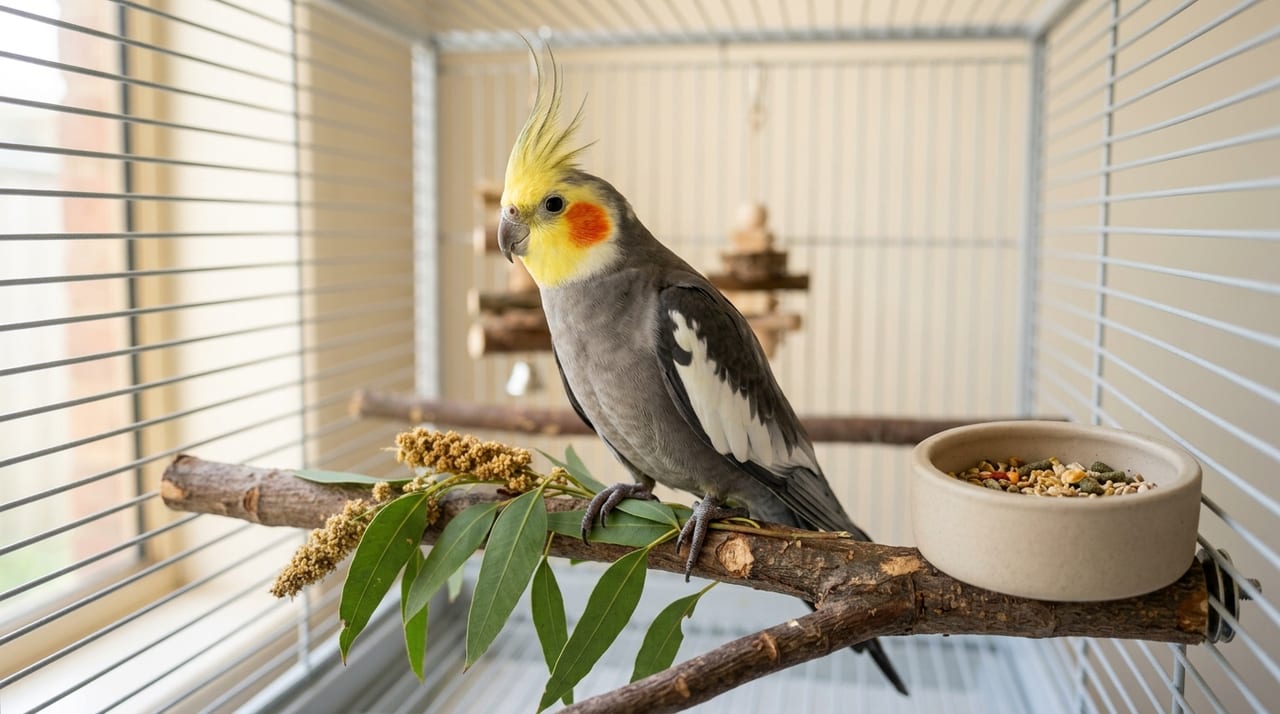
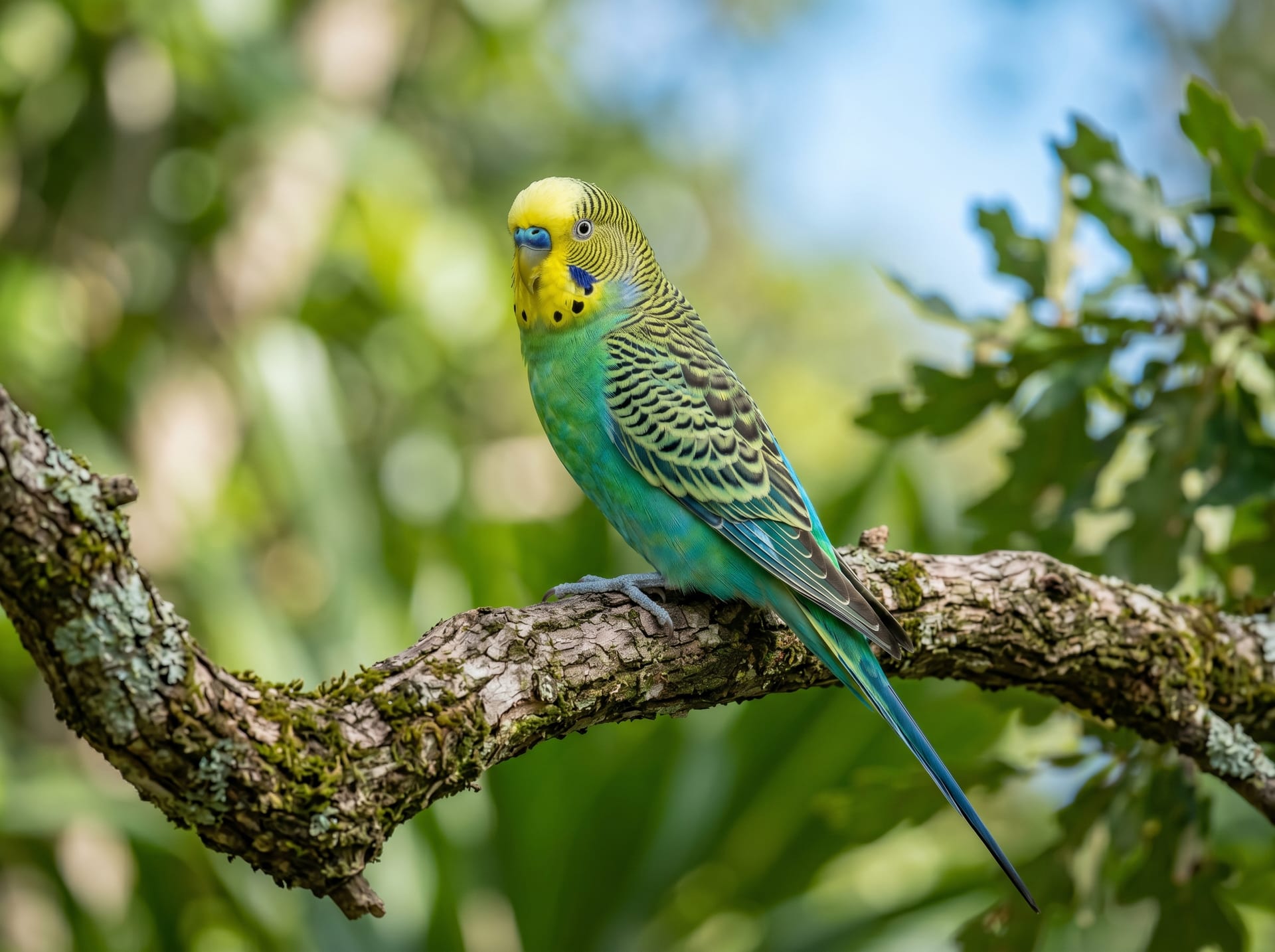
Guide to bird-safe and toxic houseplants, plus indoor safety tips for free-flight time with pet birds.
Key Takeaways
Guide to bird-safe and toxic houseplants, plus indoor safety tips for free-flight time with pet birds.
Birds chewing on houseplants when let out of their cage is a common behavior. Birds are naturally curious and have a habit of using their beaks to explore objects, so plants within reach are very likely to be chewed. The problem is that many of the houseplants kept indoors are toxic to birds. Poisoning symptoms can range from mild digestive issues to, in severe cases, death.
Because birds are small, even small amounts of toxins can have serious effects. A budgie weighing 30-40g can develop poisoning symptoms from chewing just a single leaf of a toxic plant. Additionally, birds tend to hide signs of poisoning, so it's not uncommon for owners to notice something is wrong only after the situation has already become serious.
Birds chew plants for various reasons. These include exploratory behavior driven by curiosity, obtaining nutrients (particularly fiber and minerals), relieving boredom, and beak maintenance. Chewing itself is a natural behavior, so the ideal approach is to provide safe plants that allow them to satisfy this urge.
The following plants are generally considered safe for birds. However, since they may have residual pesticides or chemical fertilizers, wash them thoroughly after purchase and keep them away from your bird for a few weeks before allowing contact.
Pachira: A hardy, popular houseplant that is easy to grow. It poses no toxicity risk to birds even if chewed. Its large leaves also make a good play area for birds.
Ficus lyrata (Ficus benjamina): A plant with high shade tolerance that is easy to grow indoors. Its thick trunk and aerial roots have a structure well-suited for parakeets to grab and play with using their feet.
Table Palm (Chamaedorea): A small palm species that is safe for birds. The way its soft leaves sway attracts birds' interest.
Areca Palm: A large palm species that, when placed in an out-of-cage space, creates a natural atmosphere. It poses no toxicity risk.
Peperomia: A small, succulent plant available in various varieties. It is safe for birds and, being compact, can be placed on shelves.
Calathea: A plant with beautifully patterned leaves that is safe for birds. While it requires management to avoid direct sunlight, it is a plant that coexists well with birds.
Spider Plant (Chlorophytum comosum): A hardy plant that is easy to maintain and spreads via runners. It is safe for birds, and its swaying runners can serve as toys for them.
Herbs such as basil, mint, and parsley: Most edible herbs are safe for birds. However, only use organic varieties grown without pesticides. These pose no problem if eaten by birds and offer the added benefit of dietary diversity.
Cat grass (young wheat or barley shoots): A safe plant that birds naturally enjoy eating. Place it near the cage and birds will naturally enjoy chewing on it.
The following plants are toxic to birds and should absolutely not be placed in rooms where birds are let out of their cage.
Pothos (Epipremnum): A very popular houseplant, but it contains calcium oxalate crystals that cause oral irritation, vomiting, and difficulty swallowing when chewed by birds.
Dieffenbachia: Like pothos, it contains calcium oxalate. In severe cases, it can cause throat swelling and breathing difficulty.
Philodendron: A toxic plant containing calcium oxalate. Monstera, also in the Philodendron genus, has the same toxicity.
Lily family plants (lilies, tulips, lily of the valley): Many lily family plants are highly toxic to birds. Lily of the valley contains heart toxins and can be lethal even in small amounts.
Avocado: The leaves, bark, and fruit of avocado contain persin, a toxin that is fatal to birds. Not only should avocado trees never be kept indoors, but the fruit should also never be given to birds.
Cycad: Contains cycasin, a toxin that causes serious liver damage.
Poinsettia: Popular during the Christmas season, but toxic to birds. Its milky sap causes digestive symptoms.
Ivy (Hedera): Both leaves and berries are toxic, causing digestive symptoms and skin inflammation.
Cyclamen: Particularly the tubers contain strong toxins that can cause vomiting, diarrhea, and heart rhythm abnormalities.
Aloe: Generally safe for humans but can cause digestive symptoms in birds due to saponins.
Bird safety during out-of-cage time is not just about plants. Pay attention to the overall indoor environment.
Teflon-coated products: Cooking utensils, irons, heaters, and other items coated with fluoropolymer (PTFE) release fatal fumes to birds when overheated. Teflon-coated frying pans are recommended to be avoided in homes with birds; stainless steel or cast iron alternatives are suggested.
Air fresheners and aromatherapy oils: Essential oil diffusers, incense, and air freshening sprays are harmful to birds' delicate respiratory systems. Tea tree oil is particularly known to be highly toxic.
Insecticides and pesticides: Mosquito coils, spray insecticides, and clothing moth repellents (naphthalene, paradichlorobenzene) are toxic to birds. Avoid using these in rooms with birds.
Tobacco smoke: Secondhand smoke causes respiratory disease in birds. Nicotine residue on a smoker's hands can also be harmful if a bird licks them.
Lead and zinc: Lead and zinc found in old paint, curtain weights, stained glass solder, and galvanized metal parts cause heavy metal poisoning when chewed by birds.
If your bird has chewed on a toxic plant or shows symptoms of poisoning (vomiting, diarrhea, lethargy, seizures, difficulty breathing, etc.), promptly consult an avian veterinarian. If possible, bring a piece of the chewed plant to show the veterinarian. Bird poisoning progresses quickly, so "wait and see" is dangerous.
Setting up a safe indoor environment is an important preparation before bringing a bird home. At br-choku, you can consult with experienced breeders about creating out-of-cage environments and implementing safety measures. Welcome home a healthy bird and enjoy time out of the cage in a safe environment.
Find Birds listings related to this article on BreederDirect. Buy directly from verified breeders.
Bird Cage Size Calculator
Calculate optimal cage size, accessories & free-flight time by bird species and count
Feeding Guide
Check feeding frequency, portion sizes & supplements by species and growth stage
Breeding Calendar
Visual monthly breeding season guide for each species
Seasonal Care Calendar
Monthly care events and seasonal management tips at a glance