Cockatiel Taming Step Guide | Building Trust from Chick to Adult
Explains a step-by-step approach to taming cockatiels. From the hand-feeding stage in chicks to hand-perch training in adults, we introduce communication methods for building trust relationships.
Key Takeaways
Explains a step-by-step approach to taming cockatiels. From the hand-feeding stage in chicks to hand-perch training in adults, we introduce communication methods for building trust relationships.
Related Species
Building Trust with Your Cockatiel: What You Need to Know First
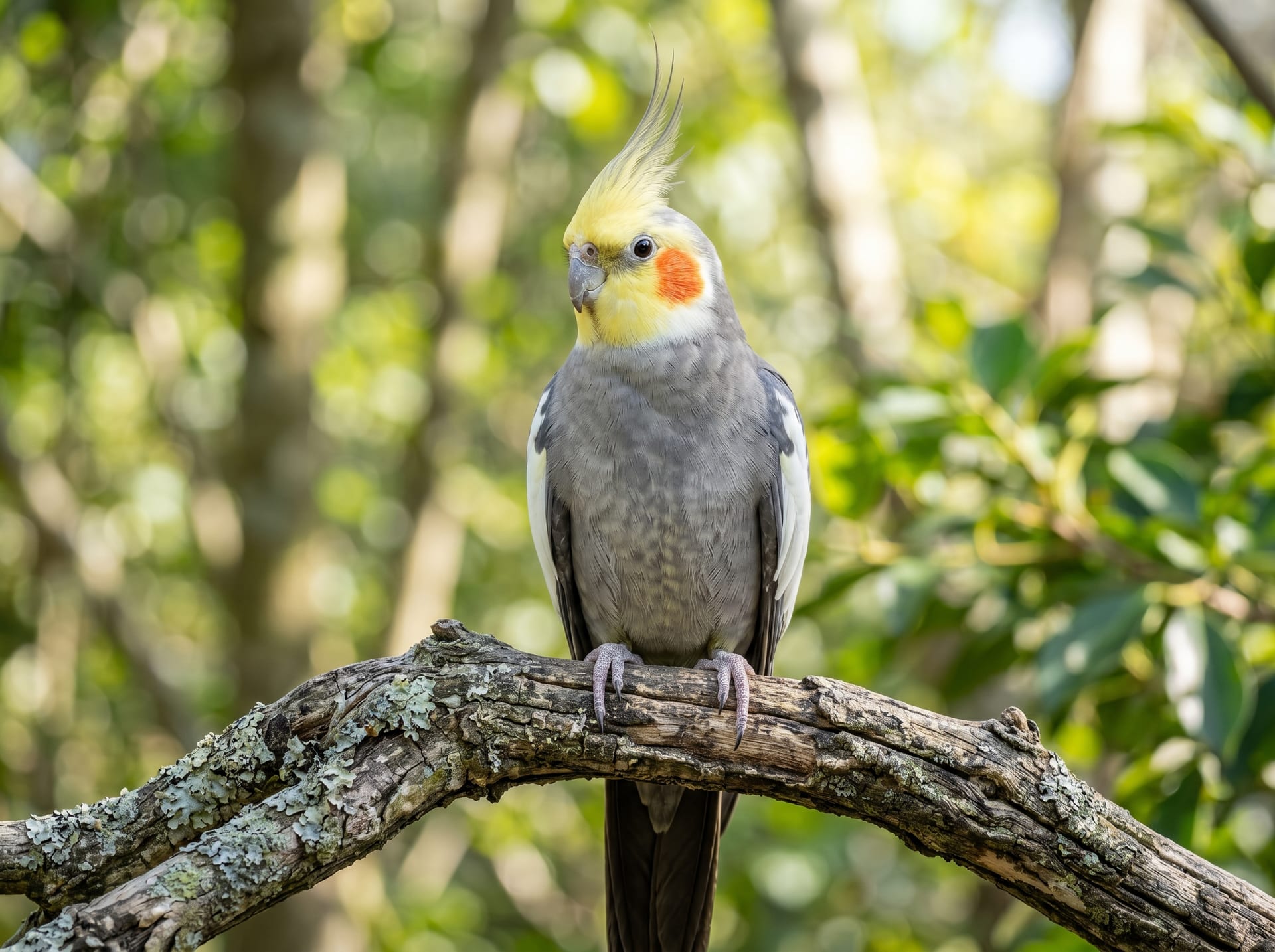
Cockatiels are particularly affectionate and loving birds among avian species. With the right approach, you can develop them into well-tamed individuals that not only perch on your hand but also enjoy sitting on your shoulder and having their heads stroked.
However, cockatiels also have an extremely sensitive and delicate side. In the wild, they are prey animals, so the instinct to "flee immediately upon sensing danger" remains strong. If you try to handle them forcefully, you will instill fear, making it much harder to build trust afterward.
The most important principle in building trust is to "respect the bird's pace." The more the owner rushes, the more the bird withdraws. Conversely, if you persevere patiently, cockatiels will open their hearts in surprisingly wonderful ways—that is their true charm.
Additionally, the approach differs between chicks and adults. Chicks in the hand-feeding stage (around 3–5 weeks of age) naturally recognize a human hand as "the source of food," so taming is usually easier. In contrast, adult birds or those who have not experienced proper socialization will require a time-intensive, step-by-step approach.
The First Week After Bringing Your Cockatiel Home: Prioritizing Environmental Adjustment
A cockatiel newly arrived in a new environment experiences strong stress from unfamiliar surroundings, unfamiliar people, and different smells. Attempting to actively handle the bird during this period is counterproductive.
Pay attention to cage placement as well. A location where the back is protected, such as against a wall, creates a sense of security. Avoid placing it in the middle of a wide-open room or along high-traffic hallways. Also avoid locations exposed to direct sunlight, air conditioning drafts, or direct TV noise.
During the first week, start simply by "being in the same space." Speak to the bird in a calm, soft voice, move slowly, and build up indirect contact.
Eye contact also requires attention. Birds perceive direct, fixed staring as a threat, as it is characteristic of predators. Initially, speak to the bird while looking away, or call to it from the side—these approaches are more effective.
4 Steps to Hand-Taming Your Cockatiel
Proceed through the following steps in order without rushing. The principle is: move to the next step only when the bird stops being frightened.
Step 1: Getting Your Bird Accustomed to Seeing Your Hand
Slowly move your hand toward the cage from outside and hold it still. If the bird flees or threatens, withdraw it, then repeat while maintaining a distance until the bird remains calm. At this stage, you are establishing the idea that "hands are not scary."
Step 2: Creating Positive Associations with Your Hand Using Treats
Place cockatiel-friendly seeds or millet spray on your fingertip or palm and offer them. If the bird doesn't approach at first, don't rush. When the desire for the treat outweighs caution, the bird will courageously approach your hand. This experience of "approaching on its own" becomes the core of trust-building.
The key point is "keeping your hand still." While the bird eats from your hand, remain completely motionless. Once it finishes, gently withdraw, and repeat.
Step 3: Using Your Hand as a Perch
Once the bird has perched on your hand to eat treats, slowly lift your hand 5–10 cm. If the bird shows distress, immediately lower it back. Once it can remain calm on your hand, basic hand-taming is complete. After the bird is comfortable hand-taming inside the cage, gradually attempt moving it outside.
Step 4: Expanding Physical Contact
Once the bird is comfortable hand-taming, gently touch the top of the head or cheek with your other finger. Most cockatiels enjoy being stroked on the head and cheek. If the bird shows signs of discomfort (shaking its head, brushing with its beak, or trying to leave), stop immediately and gradually build positive associations with touch.
Handling Shy Birds and Adults
Some birds are particularly shy and may take longer to respond to standard approaches. Keep the following points in mind:
- All family members should use the same approach: If one person is gentle while another approaches loudly, progress will be undone.
- Avoid sudden movements or noises: For abrupt environmental changes like vacuuming or visitors, covering the cage with a dark cloth is an effective way to shield the bird.
- Have days when you don't force contact: Sometimes allowing the bird to have days where it isn't touched—rather than touching it daily—can reduce excessive wariness.
- Introduce clicker training: Using a click sound paired with a treat to positively reinforce specific behaviors is effective for encouraging voluntary behavior in shy birds.
When adopting an adult bird, its previous experiences significantly influence its behavior. Birds that have experienced rough handling require especially careful attention. Be prepared for a multi-month commitment, and continue patiently without rushing.
Daily Care Habits That Accelerate Taming
Trust is not built through special training sessions alone. Everyday interactions accumulate to form a bond.
Speaking to your bird daily is especially important. Cockatiels place great emphasis on vocal communication. It doesn't matter what you say—call its name, talk about your day, sing a song. The goal is for your bird to recognize your voice as "a signal of safety."
Establishing a consistent routine is also effective. When meals, out-of-cage time, and bedtime covering happen at set times, the bird can predict your behavior, leading to greater peace of mind.
Daily out-of-cage time is ideal. At minimum 30 minutes, preferably 1–2 hours of interaction outside the cage deepens your bond. During this time, practicing hand-perching by calling its name and spending time with the bird on your shoulder nurtures your cockatiel's desire to be with you.
Find Your Perfect Cockatiel on BreederDirect
Success in taming is greatly influenced by how the bird was raised before you brought it home. Birds raised in an environment where they were accustomed to human hands from the chick stage tend to adjust smoothly to their new home.
On BreederDirect, you can welcome cockatiels directly from breeders who have raised them with daily, thoughtful socialization. Breeders will honestly answer your questions such as "How far along is the hand-taming training?" and "What is its personality like?"
Knowing the bird's background before bringing it home is the first step in building trust. We encourage you to search for the cockatiel that is right for your lifestyle.