Complete Guide to Pet Bird Diseases and Health Management | Parakeet, Cockatiel, Java Sparrow, and Macaw Care
Birds are animals that hide illness. This article explains the early warning signs of common diseases in parakeets, cockatiels, java sparrows, and macaws, along with daily health management and prevention strategies from a veterinary perspective.
Key Takeaways
Birds are animals that hide illness. This article explains the early warning signs of common diseases in parakeets, cockatiels, java sparrows, and macaws, along with daily health management and prevention strategies from a veterinary perspective.
Related Species
The Basics of Pet Bird Health Management | Daily Checkpoints
The most important factor in protecting your pet bird's health is daily observation. Birds have an instinctive habit of hiding signs of illness to avoid predation risk in the wild. As a result, by the time an owner notices changes, the disease has often already progressed significantly.
Daily items to check each morning include the following:
Droppings: Normal droppings consist of three components: green to brown feces, white uric acid, and clear urine. Be alert to extremely watery droppings, discoloration of uric acid to yellow or green, bloody stools, or undigested seeds mixed in droppings
Appetite and water intake: Eating less than usual or drinking excessive water are signs of health changes
Feather condition: Watch for feathers held fluffed up continuously (fluffing), ruffling, or missing feathers
Eyes and nose: Check for eye discharge, nasal discharge, and sneezing frequency
Body weight: Measure once a week using a digital scale accurate to 1g, and watch for sudden drops
Weight management is particularly important. Standard references are 30–40g for parakeets, 80–100g for cockatiels, and 24–27g for java sparrows. However, since there is individual variation, record your bird's weight when healthy as a baseline. If weight drops 5–10% or more from normal, or if weight fluctuates by 1–2g repeatedly, consider a veterinary visit.
Species-Specific Common Diseases and Symptoms
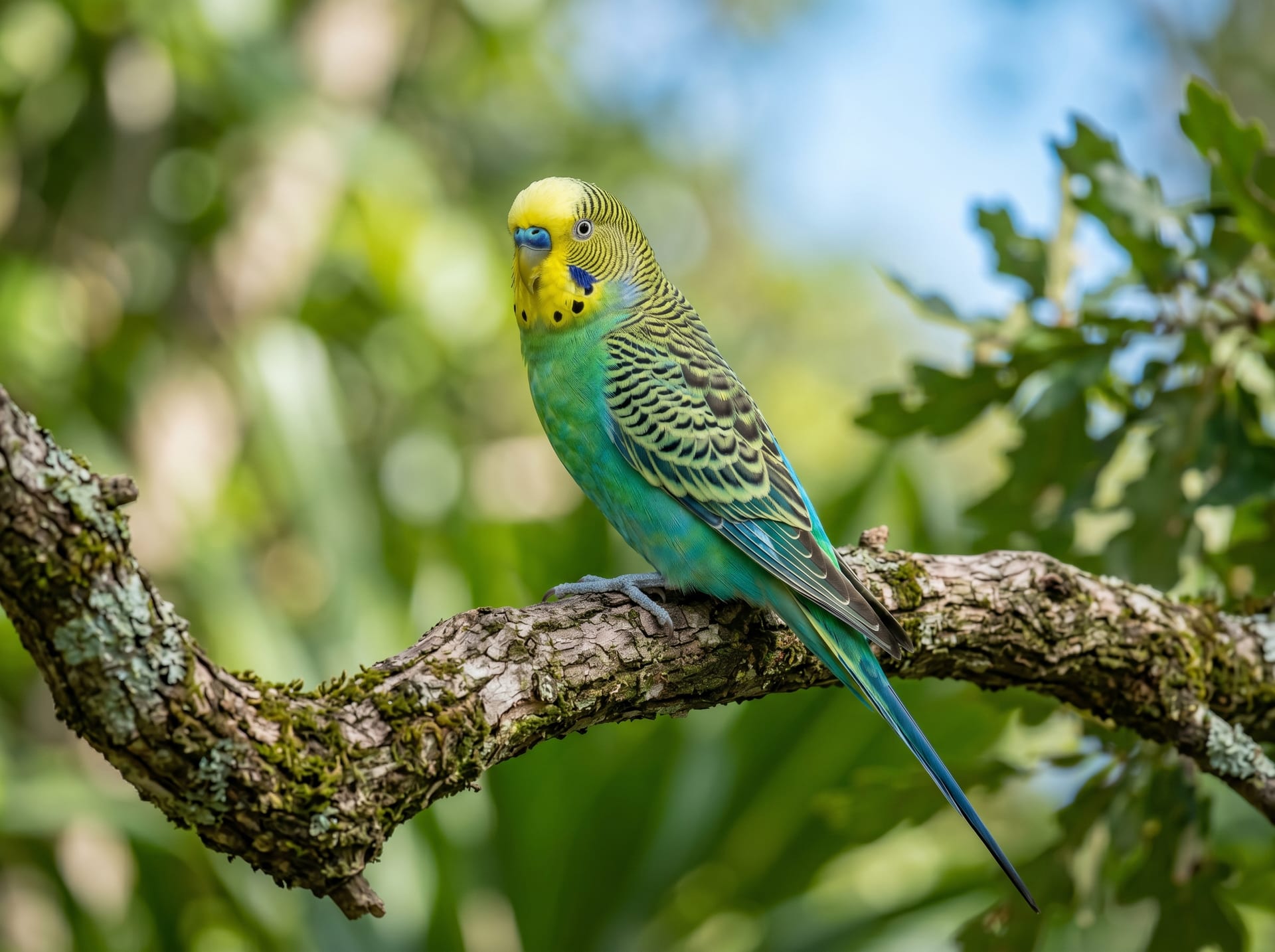
Parakeet
Feather plucking and self-mutilation are frequent problems. Beyond psychological stress, boredom, and nutritional deficiency, underlying skin or internal organ disease may be present. The condition typically appears as feathers being plucked or torn from the chest and wing insertion areas. Environmental enrichment through varied perches and added toys, along with dietary improvements, are basic management approaches. It is reassuring to have a veterinarian confirm that disease is not the underlying cause.
✍️
BreederDirect Editorial
The BreederDirect editorial team specializes in care information for animals, covering veterinary care and breeding to deliver beginner-friendly guides.
Find Birds on BreederDirect
Buy directly from verified breeders
Browse Related Listings
Find Birds listings related to this article on BreederDirect. Buy directly from verified breeders.
Related Tools
Related Articles
Browse by Category
🪸Coral
🐠Marine Fish
🐟Tropical Fish
🐡Goldfish
🐟Medaka
🦎Reptiles
Share
Goiter (thyroid enlargement) occurs from iodine deficiency and presents with respiratory difficulty (breathing sounds like "poo-poo" or "kyuu-kyuu"), vomiting, and weight loss. It occurs more easily with a seed-only diet and can be prevented by switching to a balanced diet. Since excessive iodine supplementation can also cause problems, always follow your veterinarian's instructions.
Megabacteriosis (AVG disease) is a condition caused by Macrorhabdus ornithogaster, a yeast-like fungus, that parasitizes the area between the proventriculus and ventriculus. Chronic weight loss, vomiting, and undigested droppings are characteristic. Definitive diagnosis requires microscopic examination of fecal samples, and antifungal medication is used for treatment. Since relapse is common, follow-up monitoring after treatment is essential.
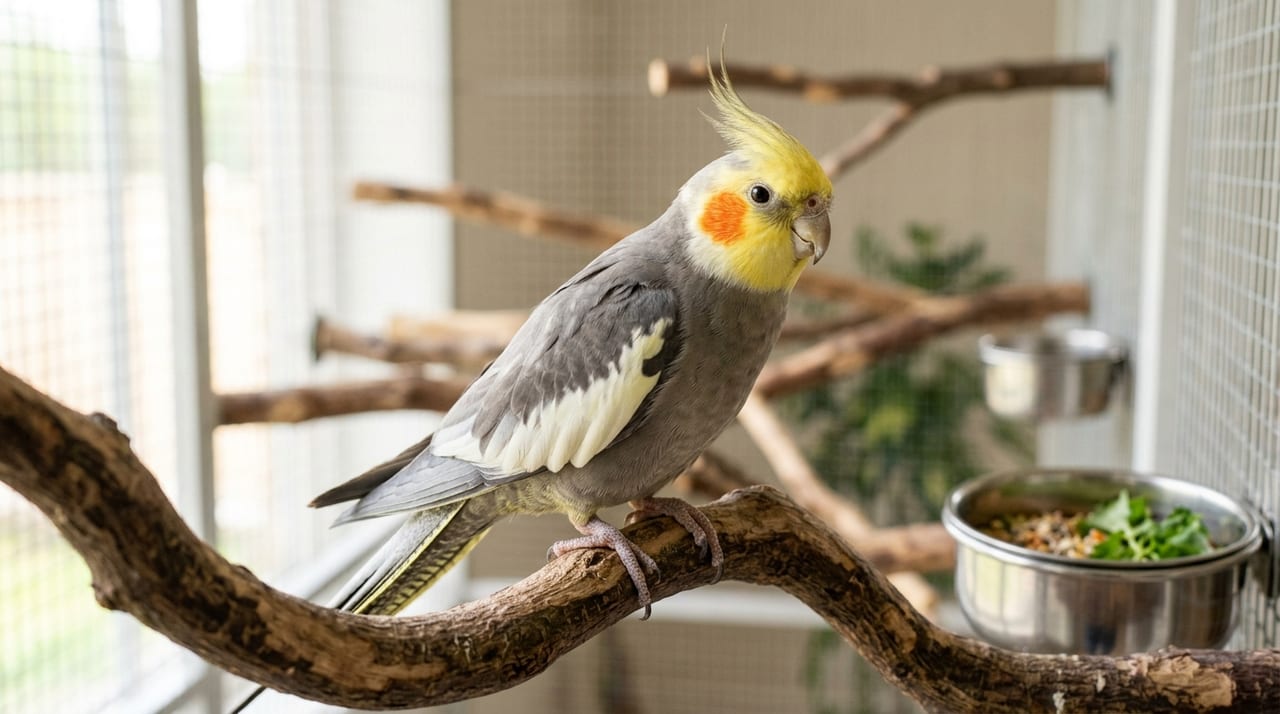
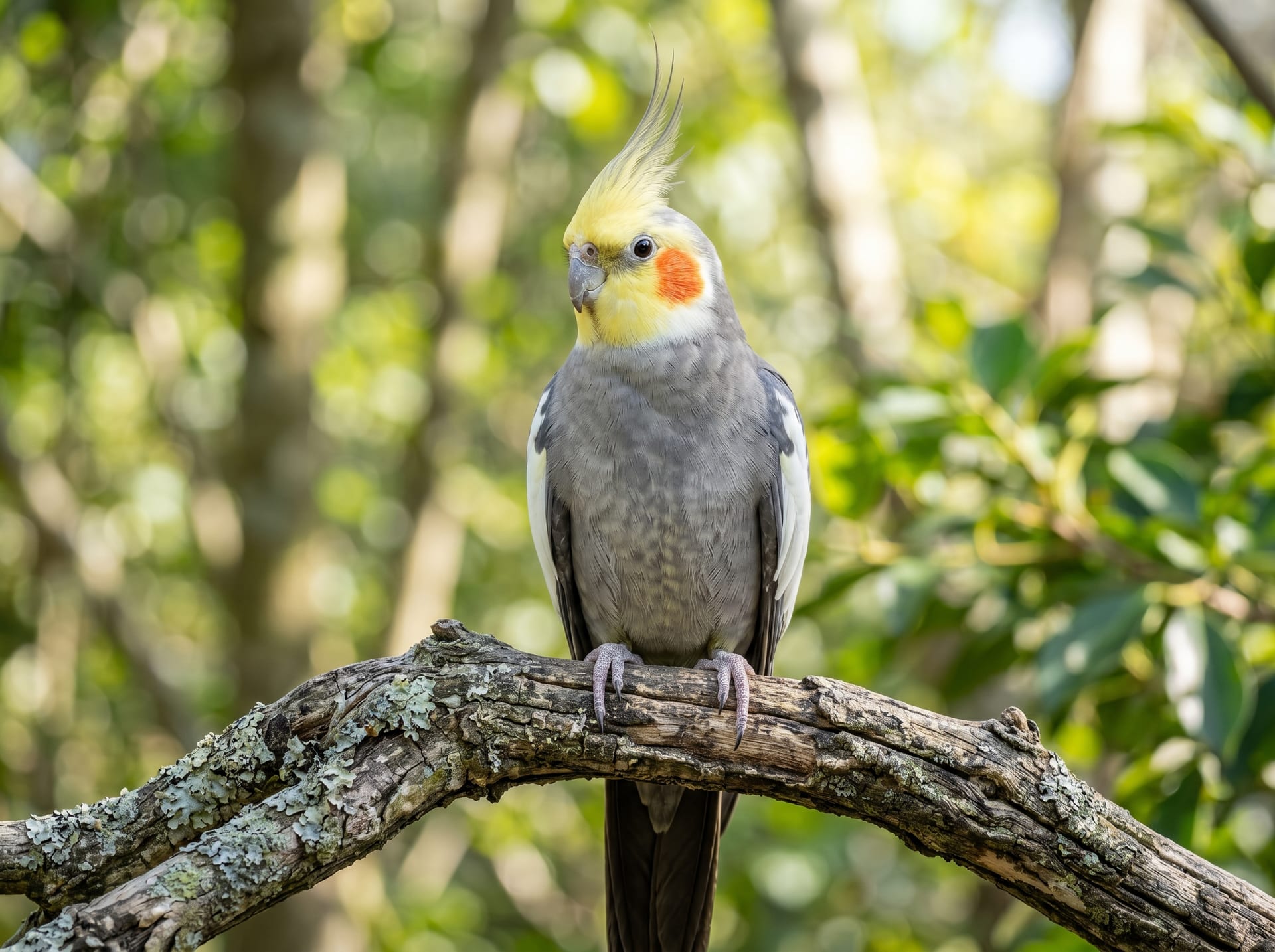
Cockatiel
Cockatiel panic (night fright) involves the bird becoming startled by sudden noises or light and thrashing around inside the cage in darkness. There is risk of fracture, bruising, and bleeding. As a countermeasure, use a cage cover at bedtime and install a small night light, which is effective. Inspecting the cage interior for sharp protrusions and rearranging toys can also help prevent injury.
Liver disease (fatty liver, etc.) carries increased risk if a diet high in fat (seed-only diet, for example) continues long-term. If you observe abdominal bloating, changes in feather color, or loss of energy, have a blood test performed.
Egg binding occurs primarily in females and presents with abdominal rigidity, the bird sitting on the cage floor continuously, and difficulty defecating. This is a life-threatening emergency; if you notice this, provide warmth immediately and contact a veterinary hospital right away.
Java Sparrow
Crop inflammation is caused by bacteria, fungi, or foreign objects and presents with swelling of the crop area, vomiting, and loss of appetite. Inadequate warmth or unsanitary drinking water can trigger it.
Scabies is an infection caused by mites of the Knemidocoptes genus and appears as whitish, scab-like proliferation on the beak and feet. It spreads to other birds through contact, so urgent isolation and treatment with antimite medication by a veterinarian is necessary.
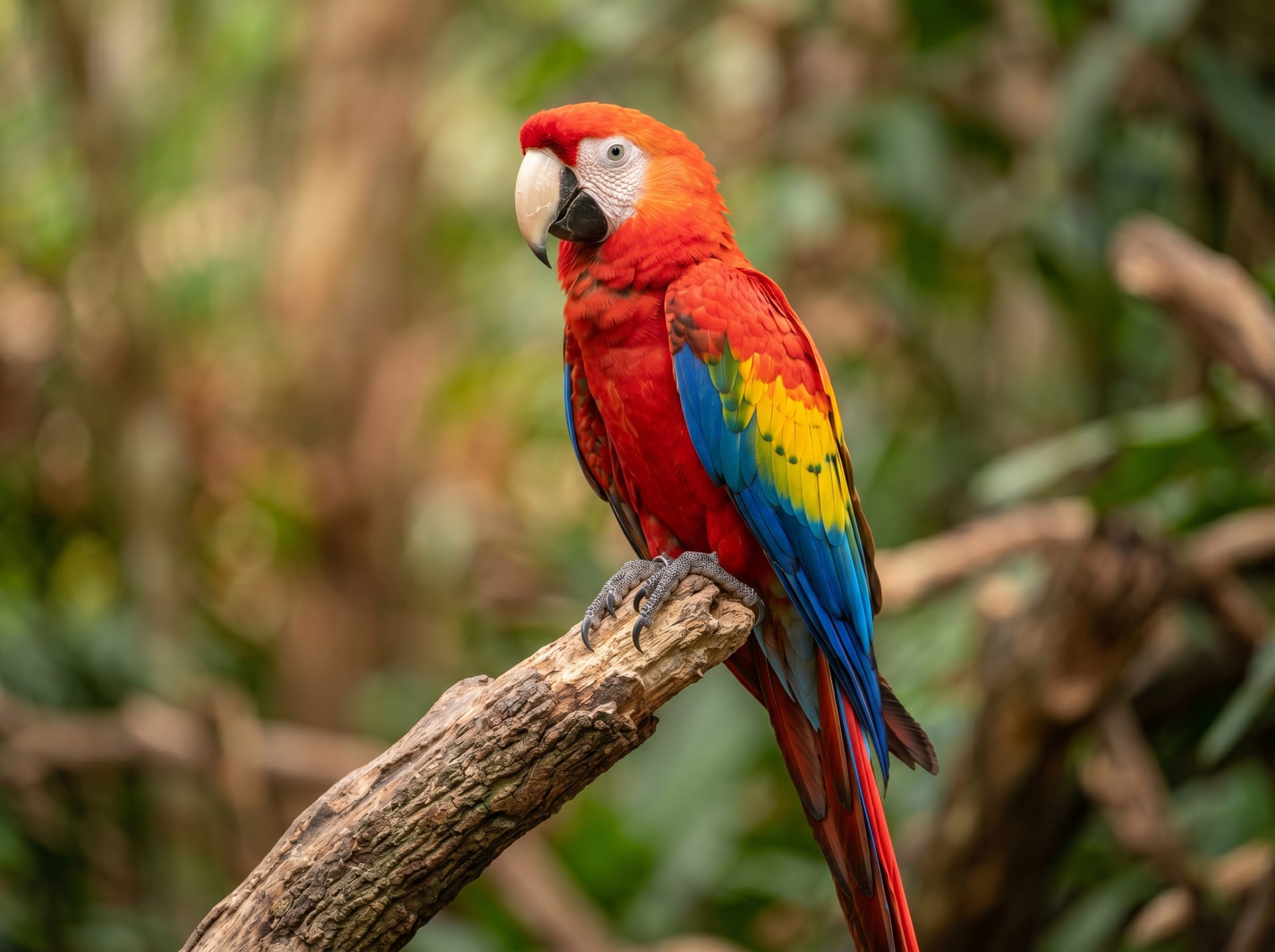
Macaw
PBFD (Parrot Beak and Feather Disease) is a severe condition caused by circovirus infection. Feather deformity and loss, along with beak deformation, progress, and secondary infections occur due to immunosuppression. As of 2026, no cure has been established, and early detection, supportive care, and isolation management remain the focus. PCR testing is used for diagnosis.
Proventricular dilatation disease (PDD) is a condition in which involvement of Borna virus has been suggested. Characteristics include undigested seeds in droppings, vomiting, and progressive weight loss despite eating. It is seen frequently in large parrots and macaws.
Dietary Management and Nutritional Balance
The root cause of many pet bird diseases lies in nutritional imbalance from over-reliance on seeds. A general guideline for ideal dietary composition is as follows:
Food
Recommended Proportion
Pellets
50–60%
Fresh vegetables (bok choy, Chinese broccoli, broccoli)
20–30%
Seeds and nuts
10–20%
The appropriate ratio varies by species, age, and breeding status, so adjust in consultation with your veterinarian.
Foods to avoid: Avocado (toxic to birds), chocolate, alcohol, onions and garlic, caffeine, and processed foods high in salt or sugar.
The transition to pellets should be done gradually. Start by mixing a small amount of pellets with seeds and increase the ratio over 2–4 weeks or longer. Abruptly eliminating seeds risks refusal to eat. Continue weighing your bird during the transition to ensure weight is not decreasing.
Setting up oyster shell or cuttlebone (squid bone) inside the cage is effective for calcium supplementation. This is especially essential for females during egg-laying season.
Environmental Setup and Preventive Management
Temperature and humidity: The appropriate temperature range is 20–28°C for parakeets and java sparrows, 20–28°C for cockatiels, and 20–28°C for macaws. Chicks, elderly birds, and birds with health issues should be kept at a slightly higher 28–30°C. Humidity should be around 50–60%. Avoid direct air conditioning draft, and do not place the cage in a location with extreme temperature fluctuations.
Cage hygiene management:
Clean perches and bottom trays daily
Wash and dry food and water dishes daily
Disinfect perches and toys at least once per week
Thoroughly clean the entire cage once per month
Air quality: When Teflon (fluorocarbon resin)-coated cookware or utensils are heated, toxic fumes are released that can cause sudden death in birds. Separate the bird's room from the cooking area with ventilation. Tobacco smoke, air fresheners, aromatics, pesticides, and spray products also stress the respiratory system and should be avoided.
Sunbathing: Ultraviolet radiation-induced vitamin D3 production is essential for bone health. Make sunbathing for 15–30 minutes daily a habit (ultraviolet light is nearly blocked by glass, so direct sunlight is necessary). When in direct sunlight, provide shaded areas where the bird can escape, and watch for heat stress. For winter or if primarily kept indoors, use of a bird-specific UVB light is also effective.
Quarantine and isolation: When introducing a new bird, manage it in a separate room from existing birds for a minimum of 30 days. Even without visible symptoms, fecal testing or PCR testing (for PBFD, psittacosis, etc.) prevents disease spread from asymptomatic carriers. Handle healthy birds first and new birds last during care routines, and practice rigorous hand hygiene.
Selecting an Avian Veterinarian and Timing of Veterinary Visits
When choosing a veterinary clinic for your pet bird, select a hospital that explicitly states "exotic animal specialist" or "provides avian medicine services." Many cases are difficult for veterinarians who specialize only in dogs and cats, so find an avian veterinarian while your bird is healthy. It is reassuring to confirm ahead of time the clinic's hours and availability for emergency or after-hours care.
Rapid breathing, mouth breathing, or tail bobbing during respiration
No appetite whatsoever for one or more days
One leg or wing held down and immobile
Repeated vomiting episodes
Weight loss of 5% or more over three days
Seizures or loss of consciousness
Suspected egg binding (hard abdomen, inability to defecate)
Regular checkups: Making annual or biannual health exams a habit dramatically increases the rate of early detection. A standard checkup includes fecal examination, weight measurement, visual inspection, and palpation. Blood tests or X-ray imaging can be performed upon request.
With appropriate care, pet birds become long-lived companions: parakeets live 7–15 years, cockatiels 15–25 years, and macaws 40–60 years or more. Daily observation and preventive healthcare are the cornerstones of a long, healthy life together with your feathered friend.