Bird Hand-feeding & Hand-training Guide | Raising Chicks and Taming Them to Perch on Your Hand
Learn the proper techniques for hand-feeding birds and managing chick temperature and health. We also introduce how to transition from hand-feeding to independent feeding and step-by-step methods for taming them to perch on your hand.
Key Takeaways
Learn the proper techniques for hand-feeding birds and managing chick temperature and health. We also introduce how to transition from hand-feeding to independent feeding and step-by-step methods for taming them to perch on your hand.
Related Species
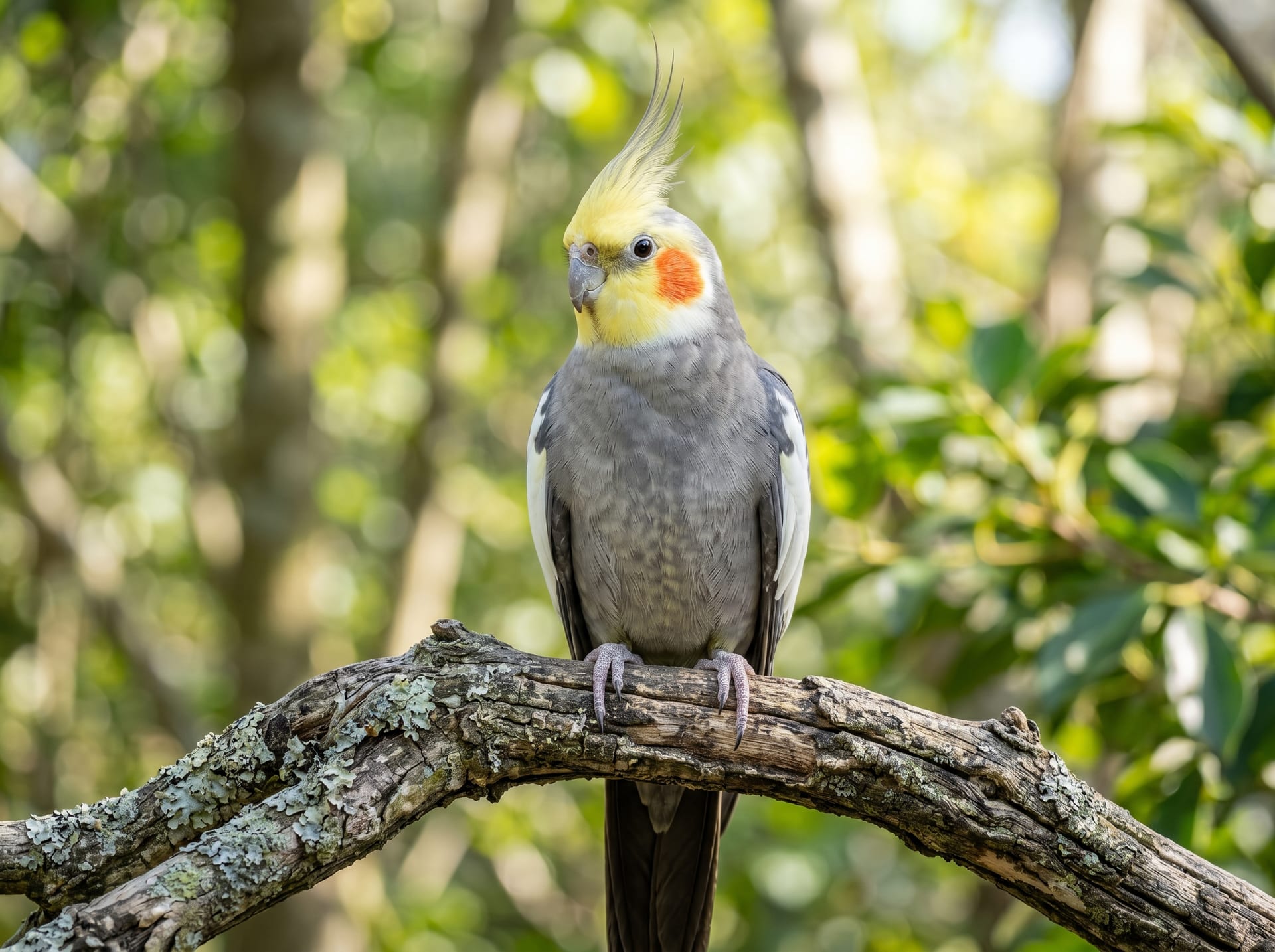
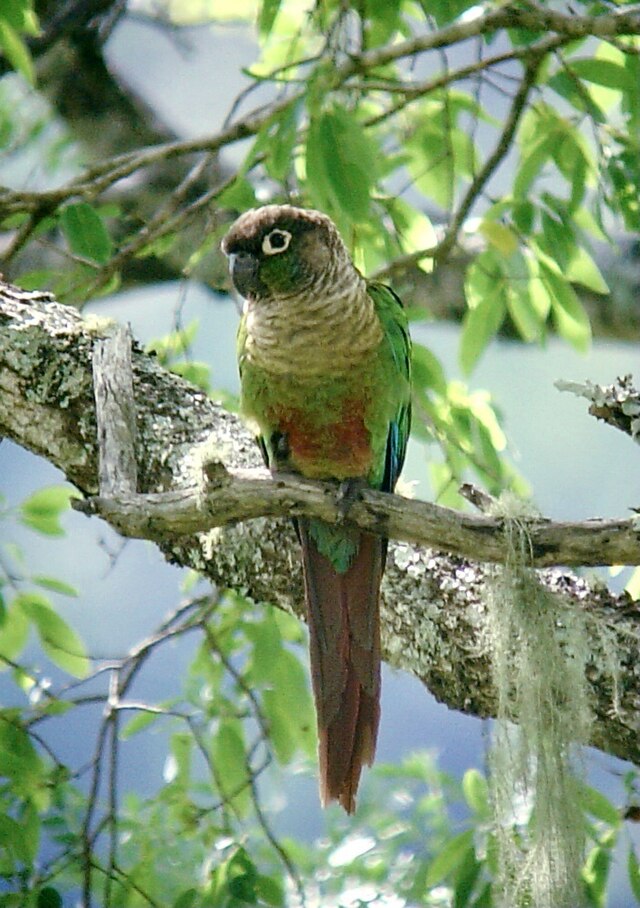
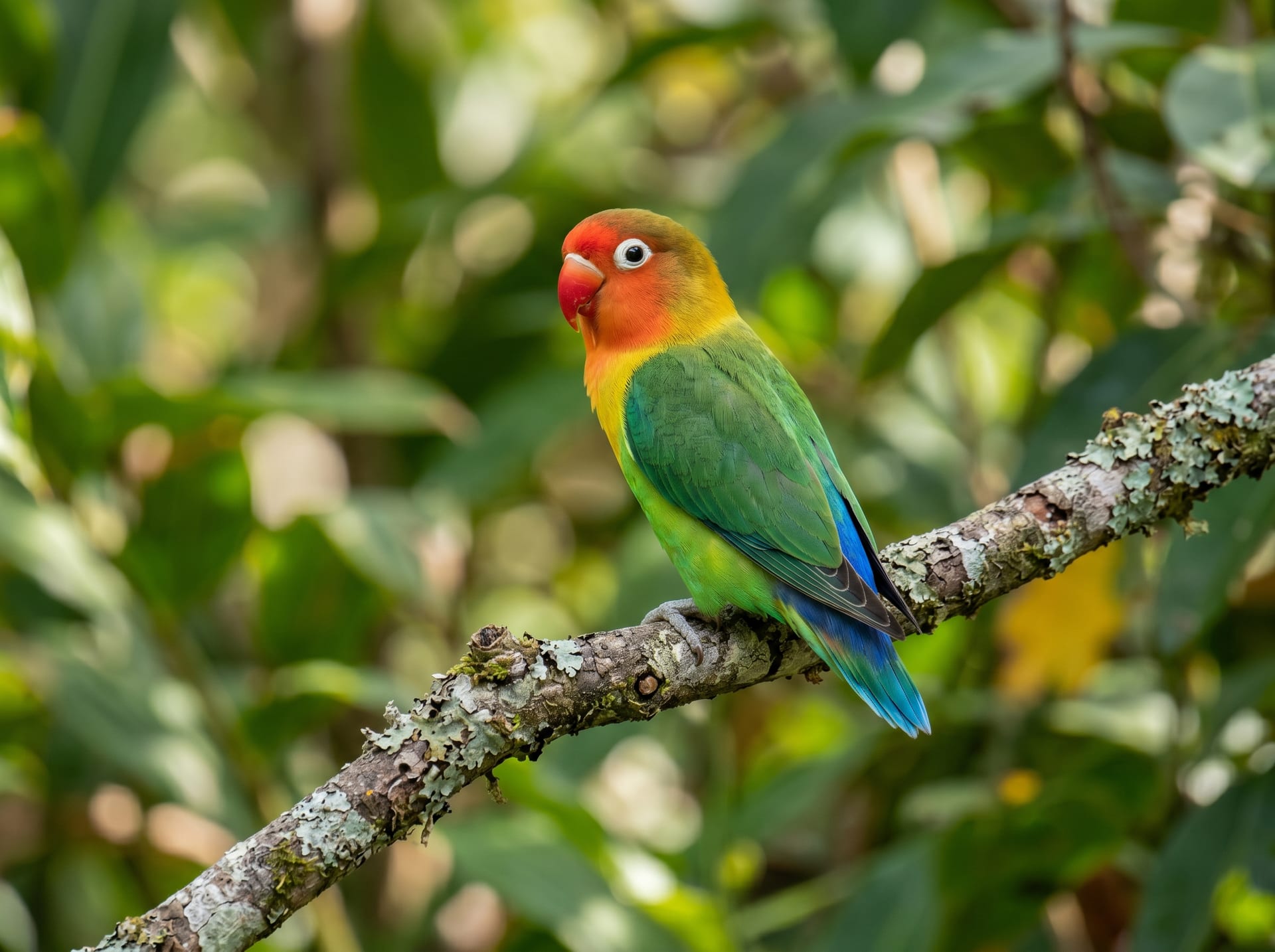
Hand-feeding chicks—or teshi-hari—is more than just providing nutrition; it's a crucial time for building a deep bond of trust with your bird. By receiving meals from your hand every day, chicks come to recognize you as a "safe presence" and naturally develop into hand-trained birds. In this article, we explain everything from the basics of hand-feeding to temperature management, timing for the transition to independent feeding, and even taming adult birds to perch on your hand—in a way that's easy to understand for first-time bird owners.
What is Hand-feeding? Getting the Right Tools Together
Hand-feeding is a chick-rearing method in which caretakers directly feed chicks that cannot yet feed themselves. Many species—including lovebirds, cockatiels, Java sparrows, and parrotlets—require hand-feeding for a period after hatching.
Essential Tools to Have Ready
- Dedicated hand-feeding powder formula: Use commercially available products with balanced nutrition. Since different formulas target different bird species, choose one suited to the species you're raising
- Feeding tools: Eye dropper, syringe-type feeder, or small spoon. A spoon is easiest for beginners to handle
- Brooder (heating box): Commercial reptile or small animal heating enclosures work, or you can improvise with cardboard and a heat panel
- Thermometer and hygrometer: Essential for managing conditions inside the brooder. Digital models are easy to read
- Kitchen scale (0.1g precision): Develop a habit of weighing your chick daily to monitor growth
Basic Hand-feeding Technique
- Dissolve the powder formula in a small amount of lukewarm water, adjusting the temperature to body temperature (40–42°C)
- If it's too cool, it can cause digestive upset, so check the temperature just before feeding
- Slowly bring the food near the chick's mouth (toward the crop) and wait for it to feed voluntarily
- When the crop (the pouch-like organ at the neck) becomes full and rounded, the chick is satisfied—don't force it to eat more
- After feeding, discard any remaining food and thoroughly clean all feeding tools to maintain hygiene
Important: If the food is too hot, it can burn the crop or beak. Always test the temperature on a spoon or your inner wrist before feeding.
Feeding Frequency and Temperature Management by Age
The number of feedings required and the appropriate temperature vary significantly depending on the chick's developmental stage. Managing by age is the foundation of healthy chick-rearing.
Feeding Frequency Guide
| Age | Feeding Frequency |
|---|---|
| Immediately after hatching–1 week | Every 1–2 hours (including nighttime) |
| 1–2 weeks | Every 3–4 hours |
| 2–3 weeks | Reduce to every 4–5 hours |
| 3+ weeks | Gradually transition to independent feeding |
Since nighttime feeding is necessary during the first week, the early rearing period requires considerable energy. It's ideal if multiple family members can take turns.
Temperature and Humidity Management
Chicks cannot regulate their body temperature well and weaken quickly in cold environments.
- Immediately after hatching–1 week: 33–35°C (humidity 60–70%)
- 1–2 weeks: 30–33°C
- 2–3 weeks: 27–30°C
- Once feathers are mostly in: 25–28°C
- Fully feathered: Room temperature (maintain 20°C or above)
However, the brooder shouldn't become too enclosed or overheated. If the chick is panting with its mouth open or trying to escape to the edge of the brooder, it's a sign of overheating. Install multiple thermometers in different locations and check them regularly.
Transition to Independent Feeding: Timing and Precautions
The key to successful transition from hand-feeding to independent feeding is to proceed slowly and patiently. Weaning too early risks weight loss and malnutrition.
Signs the Chick is Ready to Transition
- Flight feathers (especially those needed for flight) are mostly grown in
- The chick can perch firmly on a branch
- The chick is naturally pecking and showing interest in seeds and millet sprays
How to Transition to Independent Feeding
- Place millet sprays, seeds, and pellets in the cage at all times for the chick to peck freely
- Gradually reduce hand-feeding: 3 times → 2 times (morning/evening) → 1 time (morning) → none
- Weigh the chick each morning; if weight drops more than 10% from the previous day, pause the transition
- Even after fully transitioning to independent feeding, continue monitoring weight for a while
Don't consider the transition complete until weight is stable. For small bird species, even a 1–2g change can be serious, so make daily weighing with a digital scale a habit.
Taming Your Bird to Perch on Your Hand | Different Approaches for Chicks vs. Adults
Hand-training is when a bird willingly perches on your hand or arm and remains calm. The approach differs depending on whether you're raising the bird from a chick or starting with an adult.
Raising from a Chick (Start During Hand-feeding)
- Always hand-feed on your hand or fingers—make this a consistent habit
- After feeding, don't immediately return the chick to its cage; let it rest on your palm for a while
- The association forms naturally: "your hand = safety and food"
- Daily consistency is key. Regular handling builds the foundation of trust
Taming Adult Birds to Your Hand (Takes Time but is Possible)
Adult birds have established wariness, so progress is slower than with chicks. However, with patience and a step-by-step approach, most can be tamed to hand-perch.
Step 1: Getting Used to Your Presence (1–2 weeks) Sit near the cage and speak quietly. Avoid loud noises and sudden movements. Once the bird stops fleeing, move to the next step.
Step 2: Getting Used to Seeing Your Hand Slowly move your hand closer through the cage bars so the bird learns you're not a threat. Offer favorite treats (fruit pieces or seeds) on your hand.
Step 3: Encouraging the Bird onto Your Hand Slowly offer your index finger like a perch in front of the bird's feet, waiting for it to step on. Never force it. When it does perch, praise gently.
Step 4: Reinforcing Hand-perching Don't put the bird down immediately after it lands on your hand; let it stay for a bit. Building daily handling time deepens trust.
Welcome Your Bird Chick with Confidence Through BreederDirect
BreederDirect is a platform where breeders and buyers connect directly. Many breeders on the bird listings page provide detailed information about chicks' current status—including hand-feeding stage, progress toward independent feeding, and hand-training progress.
What Makes BreederDirect Trustworthy
- Direct communication with breeders: Ask about feeding frequency, which formula they use, temperature management, and other concerns before bringing your chick home
- Transparent rearing updates: Breeders clearly indicate current status—"currently hand-fed 3x daily," "independent feeding started," "hand-training in progress"—so you can choose a chick that fits your lifestyle
- Ongoing support from breeders: It's easy to build a relationship where you can consult about care even after purchase
Hand-rearing a chick can feel daunting for first-time bird owners. By bringing home a chick through BreederDirect from a trusted breeder, you gain peace of mind knowing you can ask questions directly. Our column section also has lots of helpful bird care information—be sure to check it out.