10 Bird Disease Signs | Protect Your Feathered Friend Through Early Detection
Birds have a tendency to hide illness. We explain 10 easy-to-miss disease signs in detail, including puffed feathers, appetite loss, abnormal droppings, and sneezing.
Key Takeaways
Birds have a tendency to hide illness. We explain 10 easy-to-miss disease signs in detail, including puffed feathers, appetite loss, abnormal droppings, and sneezing.
In the wild, birds that show weakness are targeted by predators, so they instinctively hide illness. Because of this, by the time an owner notices something is "wrong," the bird is often already seriously ill. Small birds like parakeets, finches, and parrots have particularly small bodies, and disease tends to progress very rapidly. Carefully observing your bird's behavior on a daily basis and working toward early detection and early treatment is the most important point for living together for a long time.
This article explains in detail the "10 bird disease signs" that every owner should know, and also introduces daily care tips and how to work with your veterinarian.
Why Birds Hide Illness and the Importance of Observation
For wild birds, showing illness in their appearance is fatal. Weak individuals in a flock are more easily targeted by predators and may be excluded by their peers. This instinct remains strong in pet birds, and they may continue to appear healthy even when they are quite ill.
That's why owners must practice "daily observation." By regularly checking the bird's eating habits, droppings, movement, and vocalization tone—you'll become able to notice small changes that are "different from usual." In particular, making it a habit to peek in the cage every morning is the first step to early detection.
Check Now! 10 Bird Disease Signs
1. Puffed Feathers
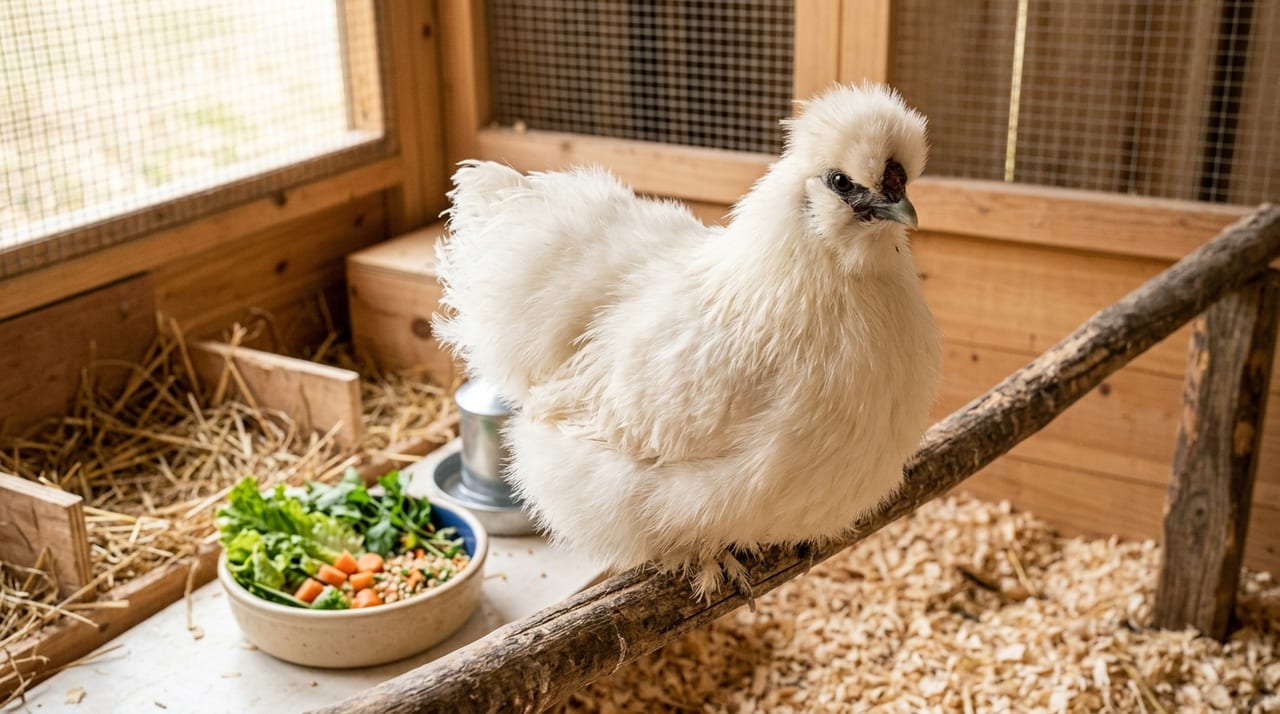
When a bird puffs up its feathers and sits still, it's a sign the bird is trying to maintain body temperature. Healthy birds maintain sleek feather lines. If your bird is puffed up even though the room is sufficiently warm, suspect illness.
2. Decreased Appetite or Changes in Eating Habits
Clear reduction in food consumption, lack of interest in eating, no response even to favorite foods—these appetite changes are important signs of illness. Make it a habit to put the same amount of food daily and check how much remains.
3. Abnormal Droppings
Droppings are a mirror of health status. Pay attention to the following changes:
- Excessive moisture (watery droppings)
- Green, black, or blood-tinged droppings
- Significantly increased white uric acid portions
- Undigested food in droppings
- Extremely small amount of droppings
Temporary green droppings can occur when birds eat a lot of vegetables, but if it continues or is accompanied by other symptoms, consider a vet visit immediately.
4. Sneezing, Nasal Discharge, or Dirty Nostrils
Repeated sneezing, dirty nostrils (nares), nasal discharge, and similar symptoms may indicate respiratory infection or sinusitis. A single sneeze is not a problem, but frequent sneezing warrants attention.
5. Eye Abnormalities
Discharge in the eyes, tearing, squinting constantly, or closing one eye can indicate not only eye disease but also systemic infection. If the eyes are swollen, veterinary care is needed promptly.
6. Feather Abnormalities or Feather Plucking
Excessive feather loss outside of molting season, "feather plucking" where the bird bites its own feathers, or unkempt feathers that are not being groomed—these are signs of skin disease, malnutrition, or stress. Since feather plucking becomes habitual once it starts, it's important to find the cause early.
7. Lethargy or Slow Movement
A bird that normally moves around actively now sits still and doesn't move. It responds slowly to your calls. It leaves the perch and huddles on the bottom of the cage—these behavior changes are serious signs. Particularly, being on the cage bottom means the bird is significantly weakened.
8. Respiratory Abnormalities
Breathing with mouth open, tail feathers moving up and down with breathing (tail bobbing), wheezing sounds—these are typical signs of respiratory disease. Since respiratory distress is life-threatening, contact your veterinarian immediately if you notice these signs.
9. Sudden Weight Changes
It's ideal to weigh your small bird daily. A digital kitchen scale (one that measures to 0.1g) makes this easy. Daily fluctuations of 1-2g are normal, but weight changes of 5% or more over several days warrant attention. Weight loss is particularly dangerous, as it may indicate malnutrition or hidden organ disease.
10. Vomiting or Abnormal Regurgitation
Some birds regurgitate as part of courtship behavior, but the following cases should be distinguished as pathological vomiting:
- Repeated vomiting in the same location
- Lethargy after vomiting
- Vomit on the head or around the face
If this continues, see a veterinarian immediately, as it may indicate digestive tract disease or crop inflammation (ingluvitis).
Go to a Veterinary Clinic Immediately if You Notice Changes
Bird illnesses tend to progress from onset to severity much faster than in mammals. It's not uncommon for the situation to become irreversible while you're thinking "let me observe a bit longer."
Consider the following points:
- Find an avian veterinarian in advance: Veterinary clinics that treat birds are limited. While your bird is healthy, research "bird specialist" or "exotic animal" clinics and visit once for a health check for peace of mind.
- When to seek care: If multiple signs appear together—such as puffed feathers, respiratory distress, staying on the cage bottom, or no appetite for 24+ hours—consider a same-day visit.
- Keeping warm during transport: When taking your bird to the clinic, maintain the carrier at around 28-30°C. Birds with illness struggle to maintain body temperature, and cold during transport can cause additional harm.
BreederDirect's Safe and Secure System
A healthy life with your beloved bird starts with meeting a healthy individual. BreederDirect allows you to welcome birds directly from breeders who practice careful daily care.
You can ask breeders directly about the birds' housing and health management methods, and confirm specific information before purchase, such as "what food they are fed" and "whether they receive vaccinations and health checks." The greatest feature of BreederDirect is that you can welcome your bird after building a trusting relationship with the breeder through direct communication.
Because your bird will become a cherished family member, welcome it from a trusted breeder in a healthy condition, make daily observation and early veterinary care a priority, and enjoy a long, happy life together.