Source: Wikimedia Commons
Orange-cheeked Waxbill
BeginnerEstrilda melpoda
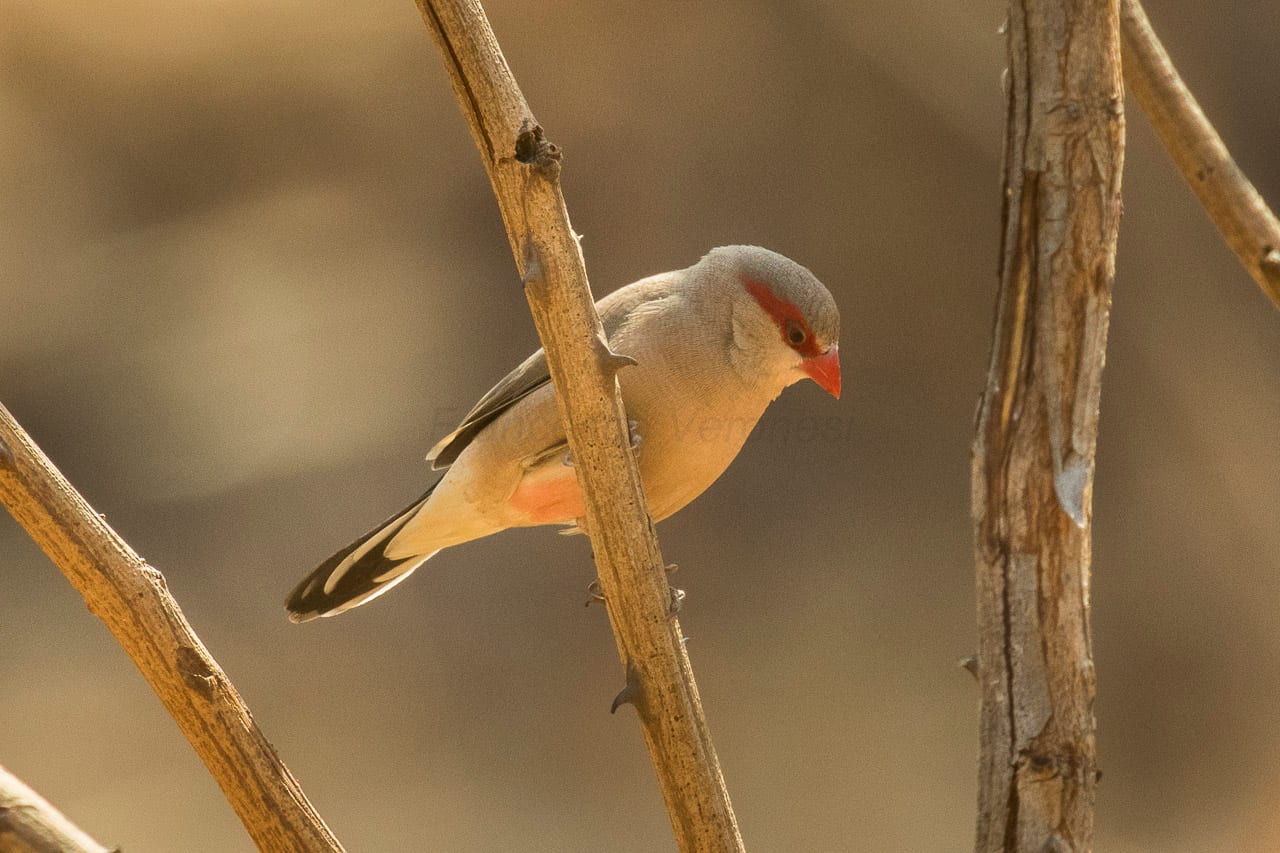
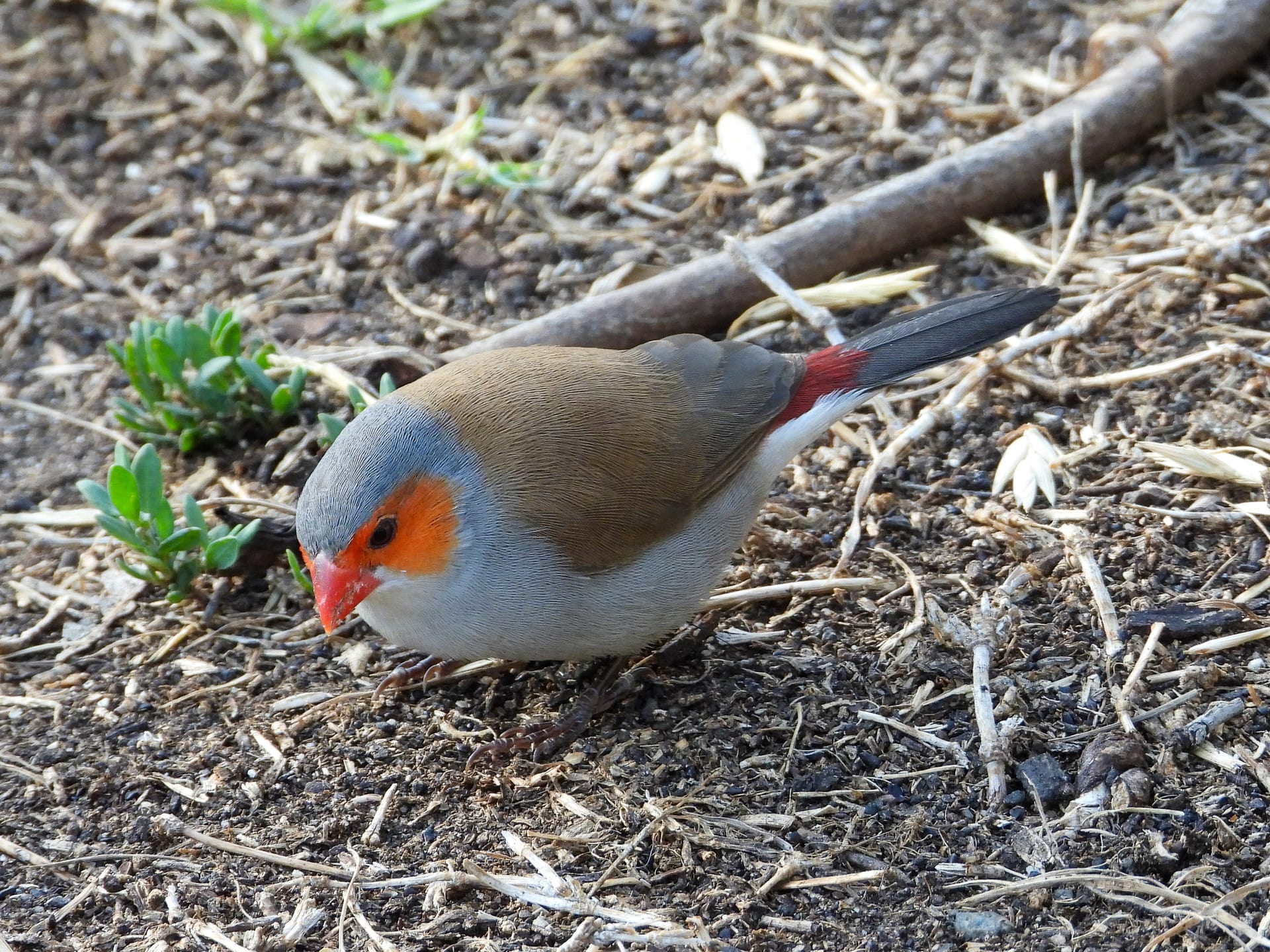
A West African estrildid with a grey head, vivid orange-yellow cheeks and an orange-red bill. It feeds heavily on seed taken straight from grass panicles and is gentle and unaggressive.
Difficulty
Beginner
Temperature
15〜30℃
Lifespan
5-8 years
Size
About 10cm
Humidity
40〜60%
Diet
Small green and ripe millets, spray millet, greens, and small livefood when breeding
About
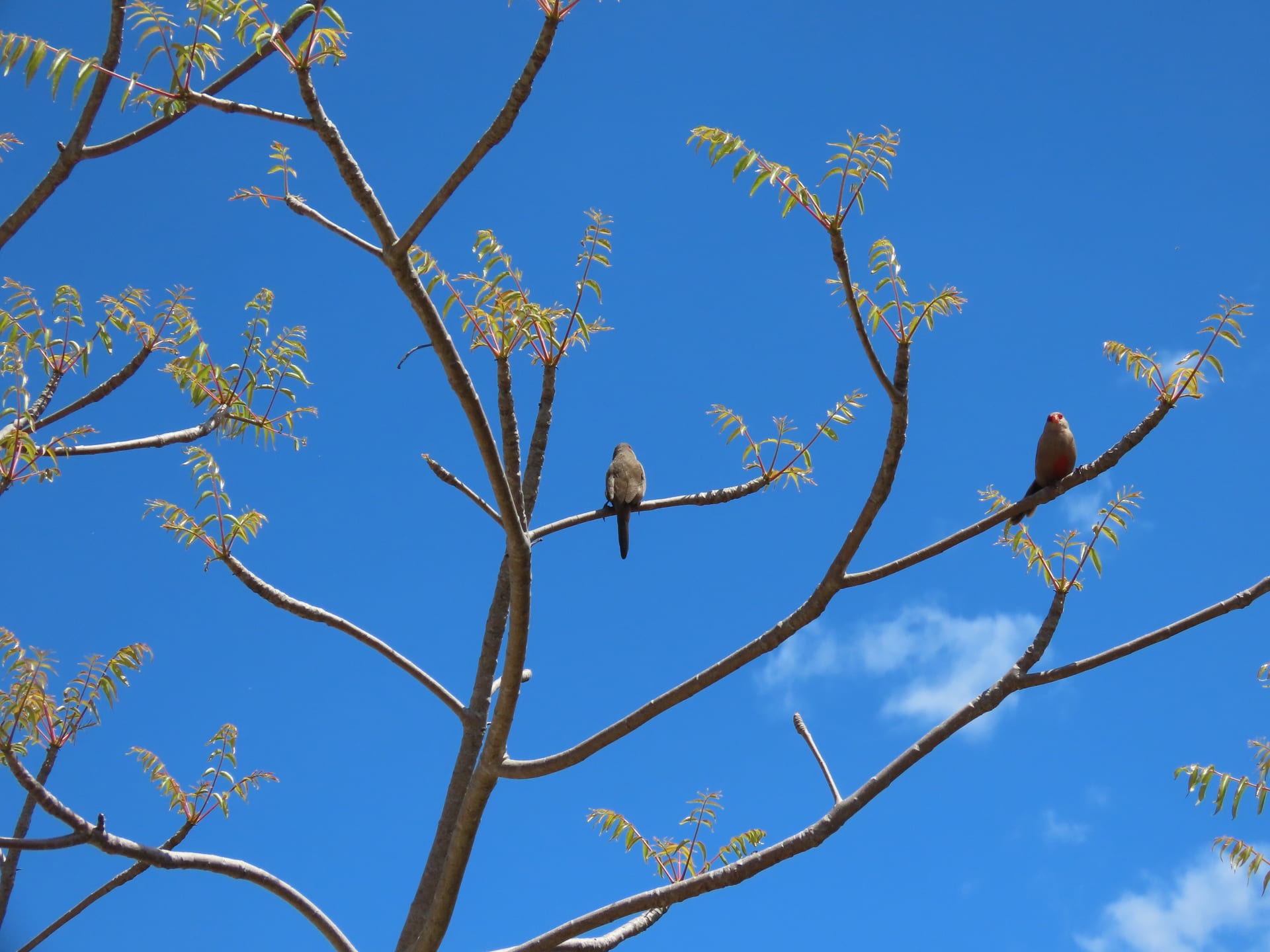
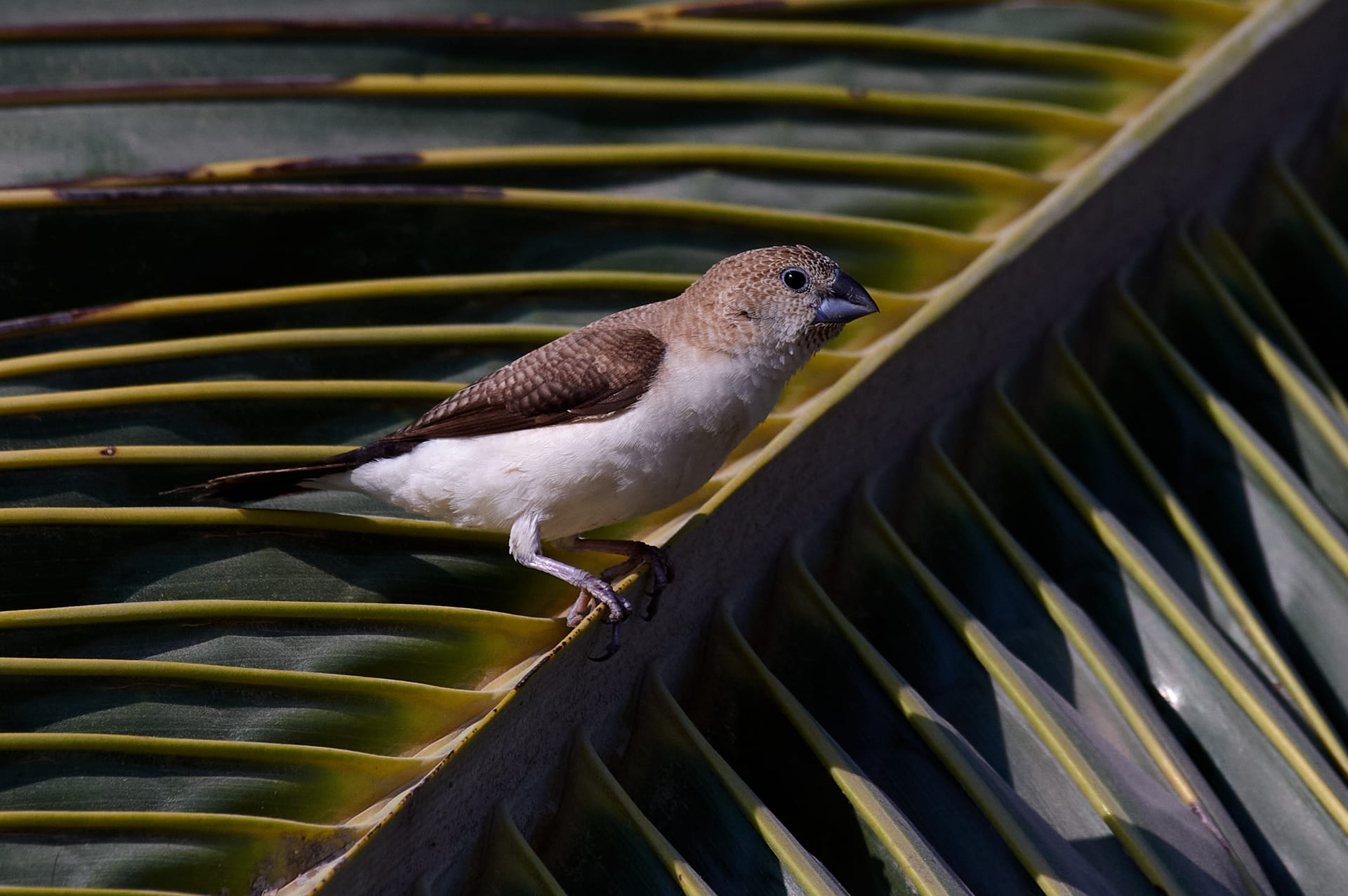
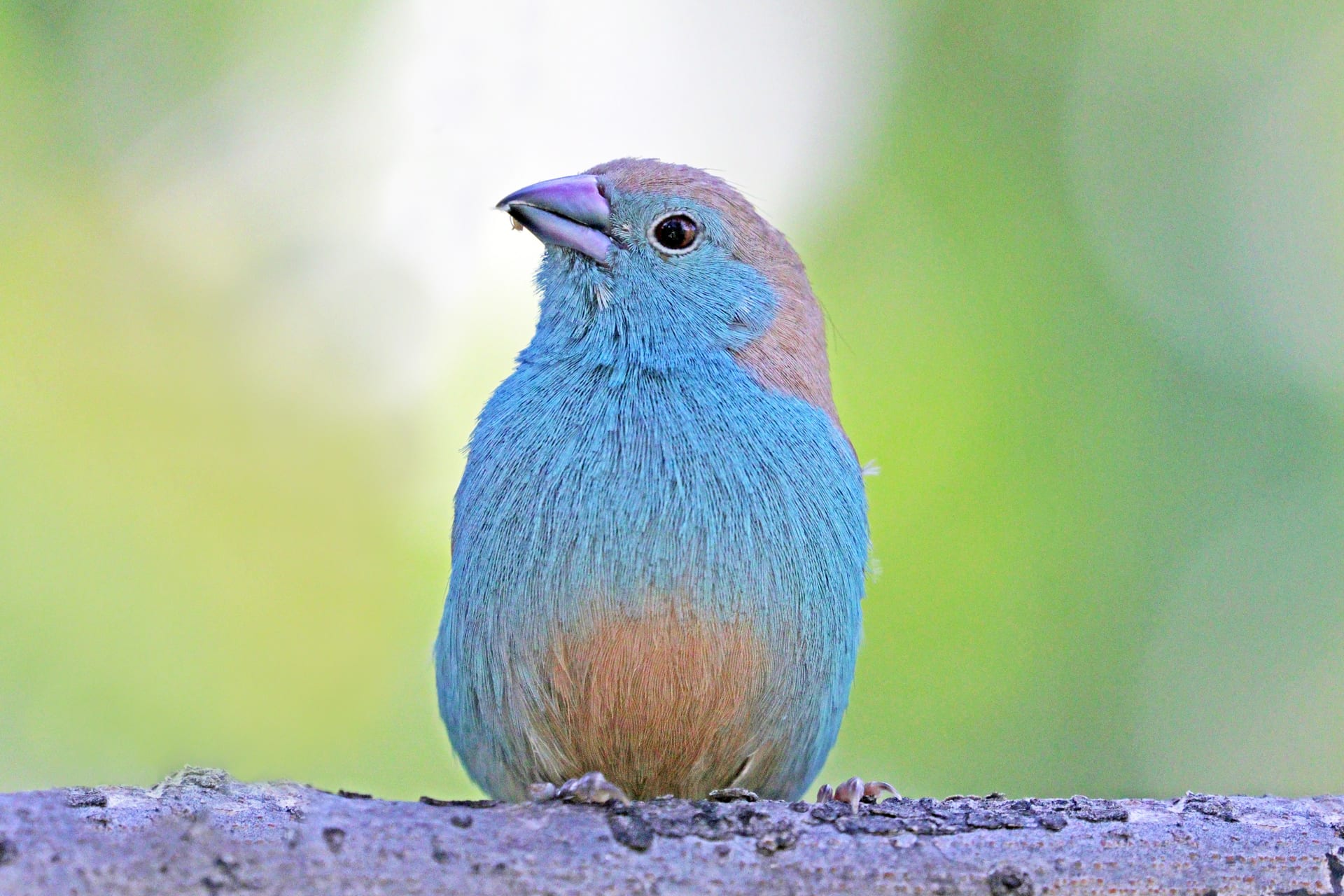
The orange-cheeked waxbill (Estrilda melpoda) is an estrildid finch of West and Central Africa. The crown and nape are grey-brown, the throat and breast grey, and vivid orange-yellow surrounds the eye and covers the ear coverts. The bill is orange-red, the rump brownish red and the tail brown to black. The sexes look alike, the female having a slightly smaller orange belly patch, while juveniles are duller with a black bill. It lives in grassland with scattered trees and shrubs, along watercourses and in gardens and cultivated fields, moving in small family parties or flocks of thirty or more. It hangs on grass stems to take seed straight from the panicles, adding small insects such as termites, aphids and gnats in the breeding season. The nest is built at ground level in tangled clumps of tall grass; three to six eggs are incubated for about thirteen days and the young fledge at around twenty-three days. It reached Europe by the middle of the 18th century and remains one of the most commonly kept African estrildids.
Source: Wikipedia (CC BY-SA 4.0)
Lifespan of the Orange-cheeked Waxbill
The Orange-cheeked Waxbill lives 5-8 years.
Size of the Orange-cheeked Waxbill
The Orange-cheeked Waxbill grows to About 10cm.
It is about 10 cm long and weighs 6.5-9.6 g.
Basic Info
Origin
Grassland and watercourses of West and Central Africa (the Guineo-Congolian region and more northern sub-Saharan areas)
Lifespan
5-8 years
Care Specifications
References & Sources
Edited & verified by: BreederDirect editorial team
The taxonomic, regulatory, and husbandry data on this page are compiled and verified against the authoritative primary sources below.
Taxonomy & Authority
Accepted name: Estrilda melpoda (Vieillot, 1817)
Authority databases: GBIF
Nomenclature follows global taxonomic authority databases.
Regulations & Conservation Status
Not CITES-listedIUCN LC · Least Concern
Estrilda melpoda. The family Estrildidae is not listed in the CITES Appendices, so this species is not covered. The IUCN assesses it as Least Concern.
Sources: CITES Appendices (Estrildidae not listed) / IUCN Red List
Regulations may change. Always verify the latest information with the relevant authorities.
Orange-cheeked Waxbill Listings
Loading latest listingsFind listings for this species