Guide to Raising and Understanding Green-cheeked Conures | The Charm and Important Considerations of These Playful Small Parrots
A detailed guide to raising Green-cheeked Conures (Uroko Inko). We introduce everything for beginners, from their energetic and playful personality to talking ability, diet, environment setup, common health issues, and tips for longevity.
Key Takeaways
A detailed guide to raising Green-cheeked Conures (Uroko Inko). We introduce everything for beginners, from their energetic and playful personality to talking ability, diet, environment setup, common health issues, and tips for longevity.
Related Species
What Kind of Bird is the Green-cheeked Conure?
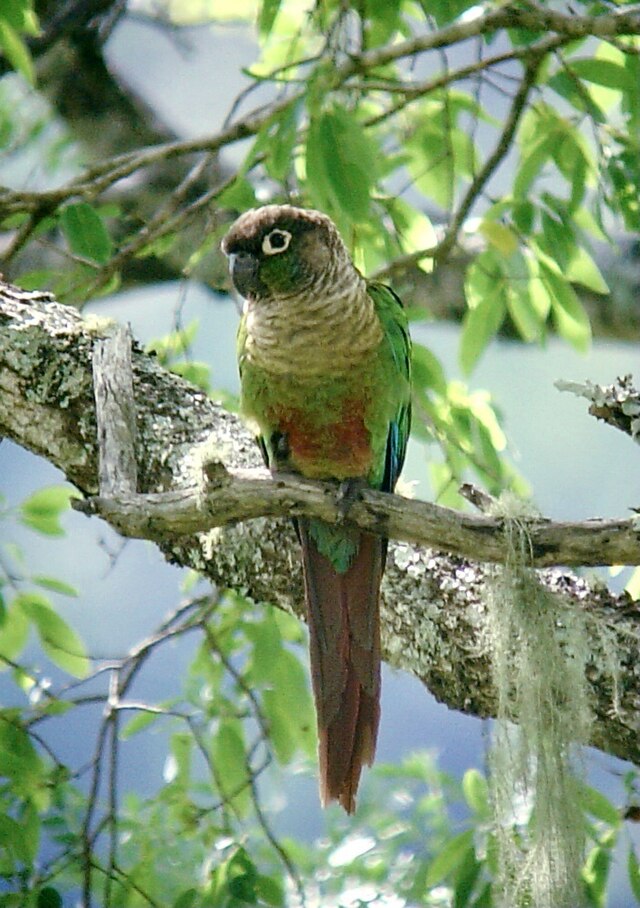
The Green-cheeked Conure (scientific name: Pyrrhura molinae) is a small parrot species native to forested areas of South America, including Bolivia, Brazil, and Argentina. In Japan, it is also called the "Green-cheeked Conure" and is highly popular as a pet.
Basic Information
- Body length: 25–26 cm (including tail)
- Weight: 60–80 g
- Lifespan: 10–15 years (can exceed 15 years with proper care)
- Native habitat: South America (Bolivia, Brazil, Argentina)
- Vocalization: Moderate (relatively quiet among conures)
As their name suggests, Green-cheeked Conures have scale-like patterns on their chest and belly feathers. Their head is gray to black, their back is green, and many individuals have reddish feathers on their tails, giving them an overall calm and elegant appearance.
In recent years, color mutations have been developed and refined, offering a variety of colors including yellow, cinnamon, and pineapple (yellow × cinnamon).
Personality and Characteristics—Playful and Affectionate
Green-cheeked Conures are known for being particularly mischievous and playful among the Conure family (parrots closely related to macaws).
Key Personality Traits
- Highly curious: Actively explore new toys and environments
- Affectionate: Love to snuggle on their owner's shoulder or in their lap
- Sleep on their backs: When they feel safe, they rest on their backs in the famous "dead pose"
- Love playtime: Enjoy playing with swings, ropes, and bells for extended periods
- Social birds: Thrive in multi-bird environments and seek frequent interaction with their owners
About their vocalizations: While relatively quiet among conures, their contact calls (vocalizations when seeking their owner) can be noticeable even in apartments. Since noise levels vary by individual, it's best to confirm this before bringing one home.
Talking ability: While not as skilled as parakeets or cockatoos, some individuals can learn a few words or short phrases. However, they tend to prefer communication through actions and play rather than mimicking speech.
Appropriate Housing and Environment
Choosing the Right Cage
Although they are small, they are very active and require a spacious cage.
- Minimum size: 50 cm × 50 cm × 60 cm or larger
- Recommended size: 60 cm × 60 cm × 80 cm or larger
- Bar spacing: 1–1.5 cm (too narrow risks feather damage; too wide risks escape and injury)
- Material: Stainless steel is superior for durability and hygiene
Place swings, rope perches, wooden dowels, and multiple toys inside the cage to keep them entertained. Providing perches of varying diameters helps maintain muscle balance in their feet.
Temperature and Humidity Control
- Ideal temperature: 20–28°C (heating is necessary when temperatures drop below 20°C in winter)
- Humidity: 50–60% (dry air negatively affects respiratory and skin health)
- Avoid direct sunlight and air-conditioning drafts
Lighting Environment
Ultraviolet (UV-B) light is essential for vitamin D3 synthesis and calcium metabolism. Natural sunlight through a window (though glass filters UV, reducing effectiveness) or bird-specific UVB lamps are recommended.
Diet and Nutritional Management
Choosing the Right Main Food
Pellet food is the most nutritionally balanced primary food. Developed as a complete diet, it contains well-balanced vitamins, minerals, and protein.
- Pellets: Ideally comprise 60–70% of their diet
- Seeds: While attractive to them, seeds are high in fat and should be limited to 10–20% of the diet as a supplement
Fresh Vegetables and Fruits
Offer fresh vegetables and fruits daily as supplements.
Safe to give (examples)
- Vegetables: Komatsuna, bok choy, broccoli, carrots, corn
- Fruits: Apples, berries, mango (in moderation)
Toxic foods (important precaution)
- Avocado (toxic, potentially fatal)
- Onions, garlic, leeks (can cause hemolytic anemia)
- Chocolate, caffeine (neurotoxic)
- High-salt foods, alcohol
Water Management
Change their water daily to ensure it's clean. Water bottles are hygienic and prevent debris, but check regularly that the dispenser is not clogged.
Daily Care and Health Management
Out-of-Cage Time
Out-of-cage exercise and interaction with their owner are essential for Green-cheeked Conures. Aim for a minimum of 1–2 hours of out-of-cage time daily.
Safety precautions during out-of-cage time:
- Close windows and doors (prevent escape and collision accidents)
- Keep them away from stovetops and pot lids (prevent burns and drowning)
- Protect electrical cords (prevent electrocution from chewing)
- Avoid using Teflon-coated cookware (fluorine gas is fatal to birds)
Nail and Beak Care
- Trim nails monthly 1–2 times. Use bird-specific nail clippers to avoid bleeding from cutting too short.
- If the beak becomes overgrown, consult an avian veterinarian or professional groomer.
Bathing
Most Green-cheeked Conures enjoy bathing. Provide a shallow dish of room-temperature water 2–3 times a week, or mist them with a spray bottle.
Common Health Issues
Proventricular Dilatation Disease (PDD/AGD)
This viral disease, known among conures, affects the nervous system of the digestive tract, causing weight loss despite eating. Regular weight monitoring and prompt veterinary care upon noticing changes are essential for early detection.
Feather Plucking
This behavior—caused by stress, boredom, or nutritional deficiencies—involves plucking their own feathers. Identify the cause, improve their environment, and adjust their diet. Consult an avian veterinarian before it becomes severe.
Sinusitis and Respiratory Infections
Sneezing, nasal discharge, and abnormal breathing sounds are signs of respiratory disease. Cold, dry air, and stress often trigger these conditions. Prevention relies on maintaining a clean environment and proper temperature control.
Summary
Green-cheeked Conures are active, affectionate, and form strong bonds with their owners. With proper housing, balanced diet, adequate out-of-cage time, and regular veterinary check-ups, they become wonderful companions for 10–15 years.
With a variety of color mutations available, Green-cheeked Conures offer visual appeal as well. They are an excellent choice for first-time bird owners and experienced bird enthusiasts alike who wish to enjoy the unique personality that only conures can provide.