How to Care for Conures (Green-Cheek Conures and Sun Conures) | Energetic and Emotionally Expressive Medium-Sized Birds
A guide to caring for popular conures like Green-Cheek Conures and Sun Conures. Covers their active personalities and vocalization traits, feeding, play, communication, and how to set up the ideal cage environment.
Key Takeaways
A guide to caring for popular conures like Green-Cheek Conures and Sun Conures. Covers their active personalities and vocalization traits, feeding, play, communication, and how to set up the ideal cage environment.
What Are Conures? Energetic and Emotionally Expressive Medium-Sized Parrots
✍️
BreederDirect Editorial
The BreederDirect editorial team specializes in care information for animals, covering veterinary care and breeding to deliver beginner-friendly guides.
Find Birds on BreederDirect
Buy directly from verified breeders
Browse Related Listings
Find Birds listings related to this article on BreederDirect. Buy directly from verified breeders.
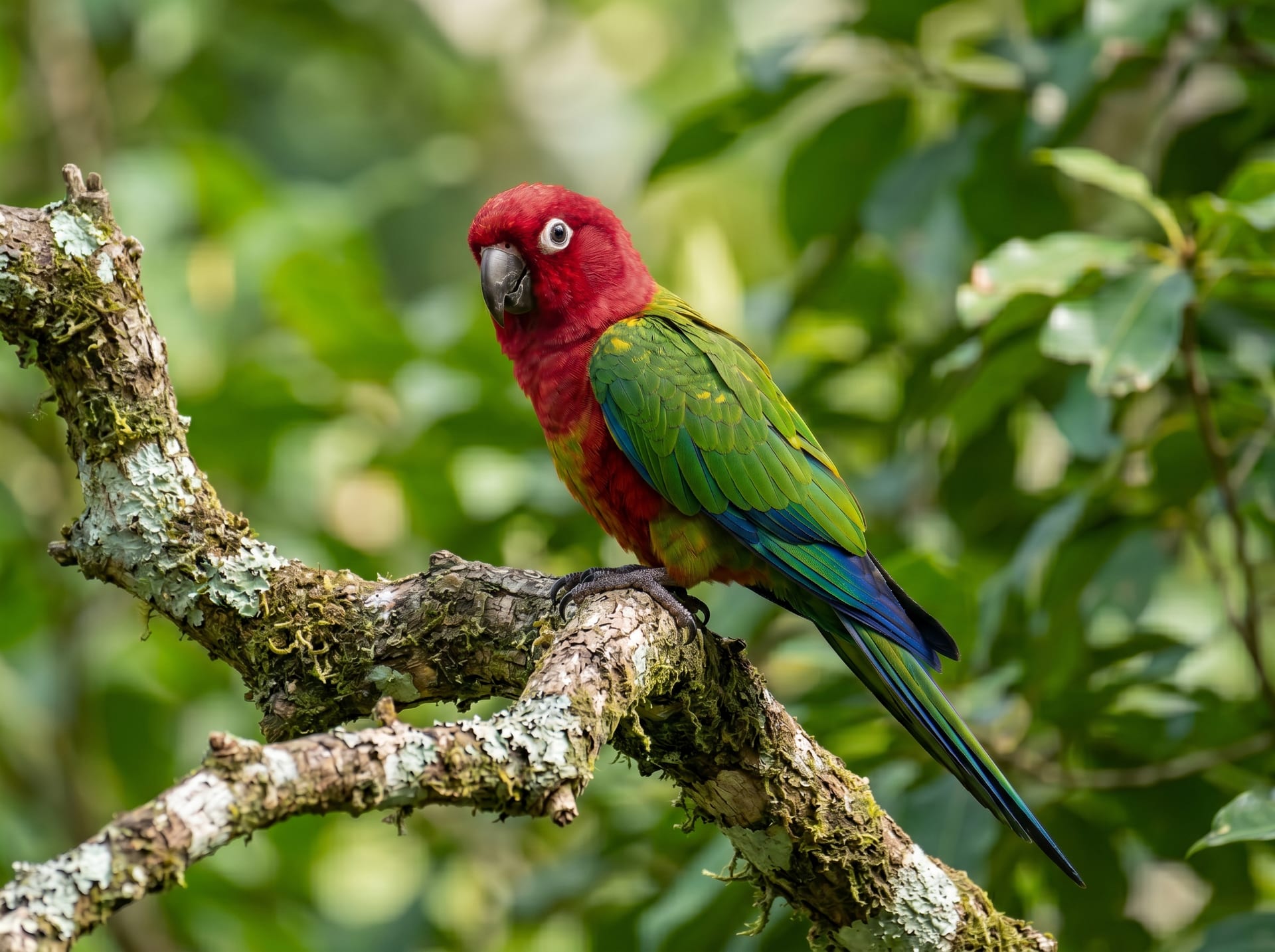
Conure is a collective term for a group of medium-sized parrots native to Central and South America. The group spans multiple genera, including Aratinga and Pyrrhura, with species such as Green-Cheek Conures, Sun Conures, and Jenday Conures being particularly popular in Japan.
The greatest appeal of conures is their rich emotional expression and high sociability. They bond strongly with their owners and many species enjoy perching on your shoulder or head, seeking human interaction much like dogs do. Their high intelligence makes them quick learners of trick training, and they become deep companions the longer you live with them. On the downside, their highly active nature and—depending on the species—extremely loud vocalizations mean you need to consider your living environment carefully. Lifespan varies by species, but Green-Cheek Conures typically live 10–15 years while Sun Conures can live 15–25 years, so they require a long-term commitment. It is essential to welcome one with the understanding that you will care for it over many years.
Popular Conure Species and Characteristics Compared
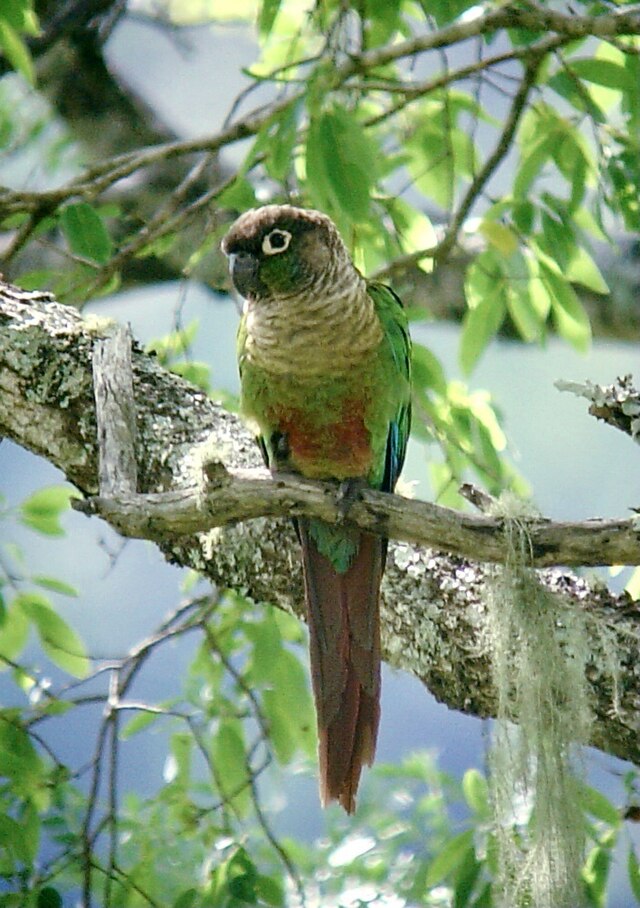
Green-Cheek Conure (Pyrrhura molinae) is the most widely kept conure species in Japan. Despite their palm-sized body length of about 25 cm, their personalities are dynamic. They have relatively quieter calls compared to other conures, making them more common in apartment living. Numerous color mutations exist—green, cinnamon, violet, turquoise, and more—adding to the joy of selection. They have powerful beaks, so it is important to provide proper hand-taming and "no-biting training" during the chick stage.
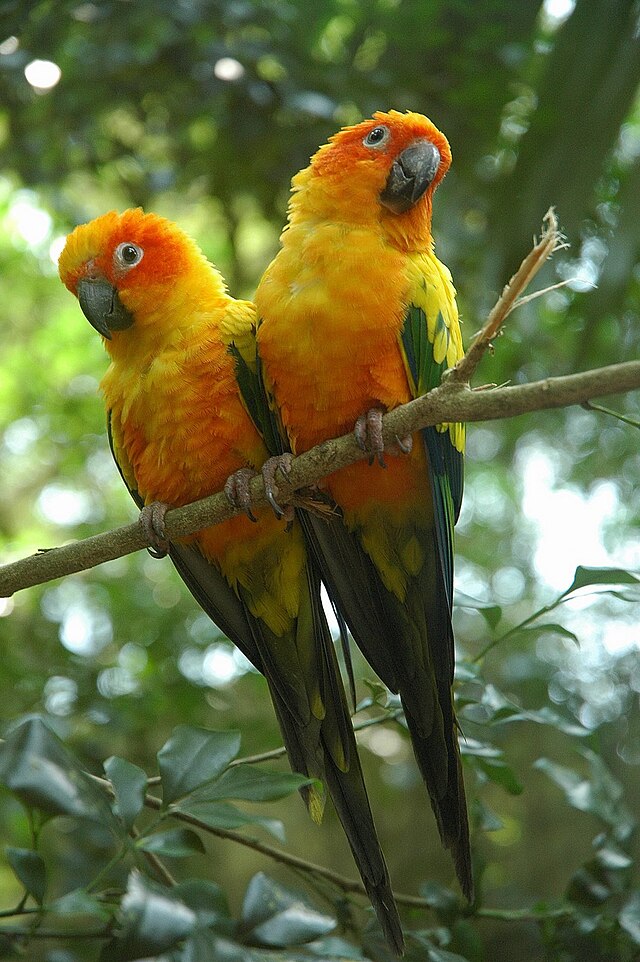
Sun Conure (Aratinga solstitialis) features stunning orange-to-yellow gradations and makes a striking visual impression. They have strong flock-dwelling instincts and are sensitive to loneliness, so ideally you should be nearby throughout the day. Their calls are extremely loud, reaching 70–80 dB, and apartment living without soundproofing can be challenging.
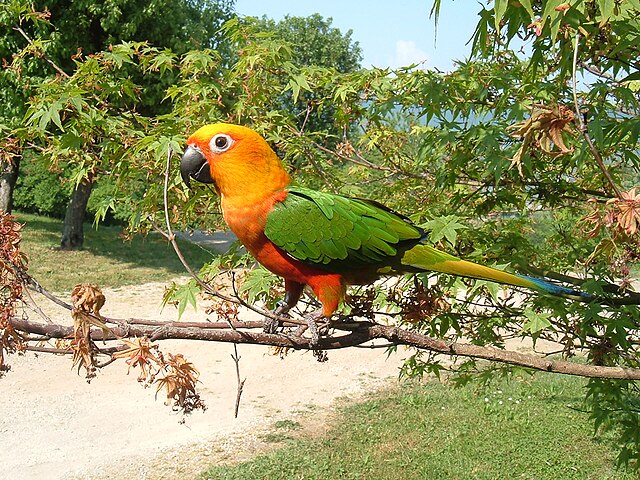
Jenday Conure (Aratinga jandaya) resembles the Sun Conure in appearance but exhibits even higher sociability and intelligence. They also tend to have louder vocalizations.
Since call volume, personality, and price vary dramatically by species, we strongly recommend watching videos or visiting breeders to hear actual vocalizations before bringing one home.
Setting Up Your Conure's Environment
Cage and Out-of-Cage Time
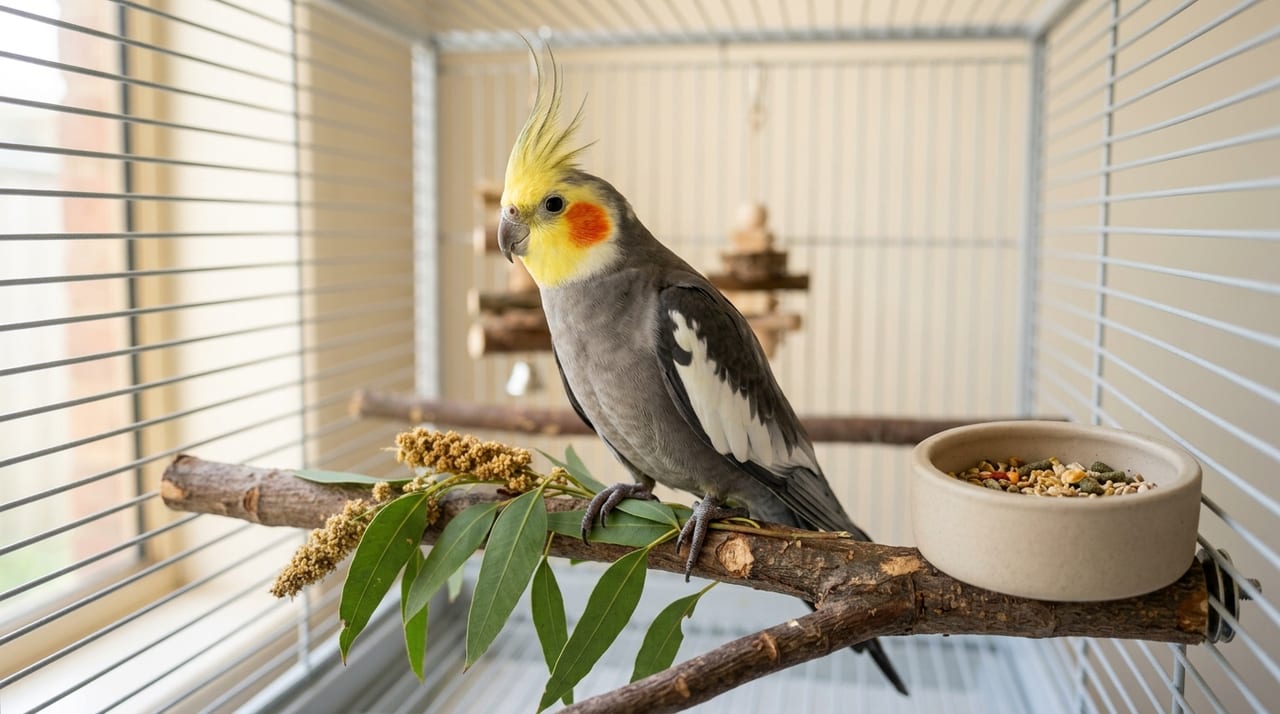
Conures need a cage with a minimum of 60 cm width and 70 cm height. Because their activity level is very high, choose a cage as spacious as possible. Installing 2–3 perches of different diameters helps maintain healthy foot pads. Natural wood perches (such as mulberry wood) also help keep their claws trimmed naturally.
In addition to the cage, set up a bird gym (play space) separately, and aim to provide at least 1–2 hours of out-of-cage time daily. During out-of-cage time, always remove hazards such as open windows, ceiling fans, and active cooking on induction or gas stoves. Fumes from Teflon-coated frying pans are fatal to parrots, so never allow out-of-cage time in the kitchen.
Maintain a temperature between 20–28°C. Especially for chicks and ill birds, keep the temperature at 25–28°C and provide careful heater management in winter.
Diet and Nutrition
The ideal diet for conures:
Pellets (complete nutrition food): 40–60% as a staple
Seeds (millet, canary seed, etc.): 20–30% (as treats in moderation)
Fresh vegetables and fruits: 20–30%
Sunflower seeds are high in fat and overfeeding can cause obesity and fatty liver disease—offer only as an occasional treat. Safe vegetables include Chinese mustard greens, bok choy, broccoli, and carrots. Avocado, onion, garlic, and chocolate are toxic and must never be given.
Fresh water must be changed daily. Wash the water dish at least 2–3 times per week to prevent bacterial growth.
Communication and Training
Conures are intelligent and can learn a wide range of behaviors, from basic commands like stepping up onto a finger to target training, toy carrying, and simple vocalizations. Training is based on positive reinforcement through praise and treats. Scolding or intimidation damages trust and is counterproductive.
Prolonged solitude can trigger stress-related feather plucking (feather picking)—a sign of emotional distress. Strategies like talking to them multiple times daily, playing radio or TV for stimulation, and rotating through chewable toys can help. If considering a companion bird, allow sufficient time for gradual introduction in separate cages to ensure compatibility.
Health Management and Important Diseases
Common health issues in conures include psittacosis (chlamydia infection), aspergillosis (fungal infection), psittacine beak and feather disease (PBFD), and megabacteria (AGY) infection. Since early detection greatly improves outcomes, we strongly recommend annual or bi-annual check-ups (avian health screening) at a veterinary clinic staffed with avian specialists.
Daily monitoring points include droppings (watery, bloody, or color changes), weight fluctuations (weekly weigh-ins are ideal), feather sheen and texture, and discharge from nose and eyes. Seek veterinary care promptly at the first sign of abnormality. Watch for overgrown nails and beaks, and have them trimmed by a veterinarian or groomer when necessary.
Summary: Welcoming a Conure
Conures are emotionally rich and intelligent partners who form strong bonds with their owners. If you can consistently provide adequate out-of-cage time, daily interaction, balanced nutrition, and regular health check-ups, a conure will bring joy for many years to come.
Vocalization volume varies significantly by species. For those living in apartments, starting with a Green-Cheek Conure is the most practical choice. Before bringing one home, consult with multiple breeders to confirm their actual rearing environment and the condition of parent birds—this is the first step toward welcoming a healthy individual.