Source: Wikimedia Commons
Common Waxbill
BeginnerEstrilda astrild
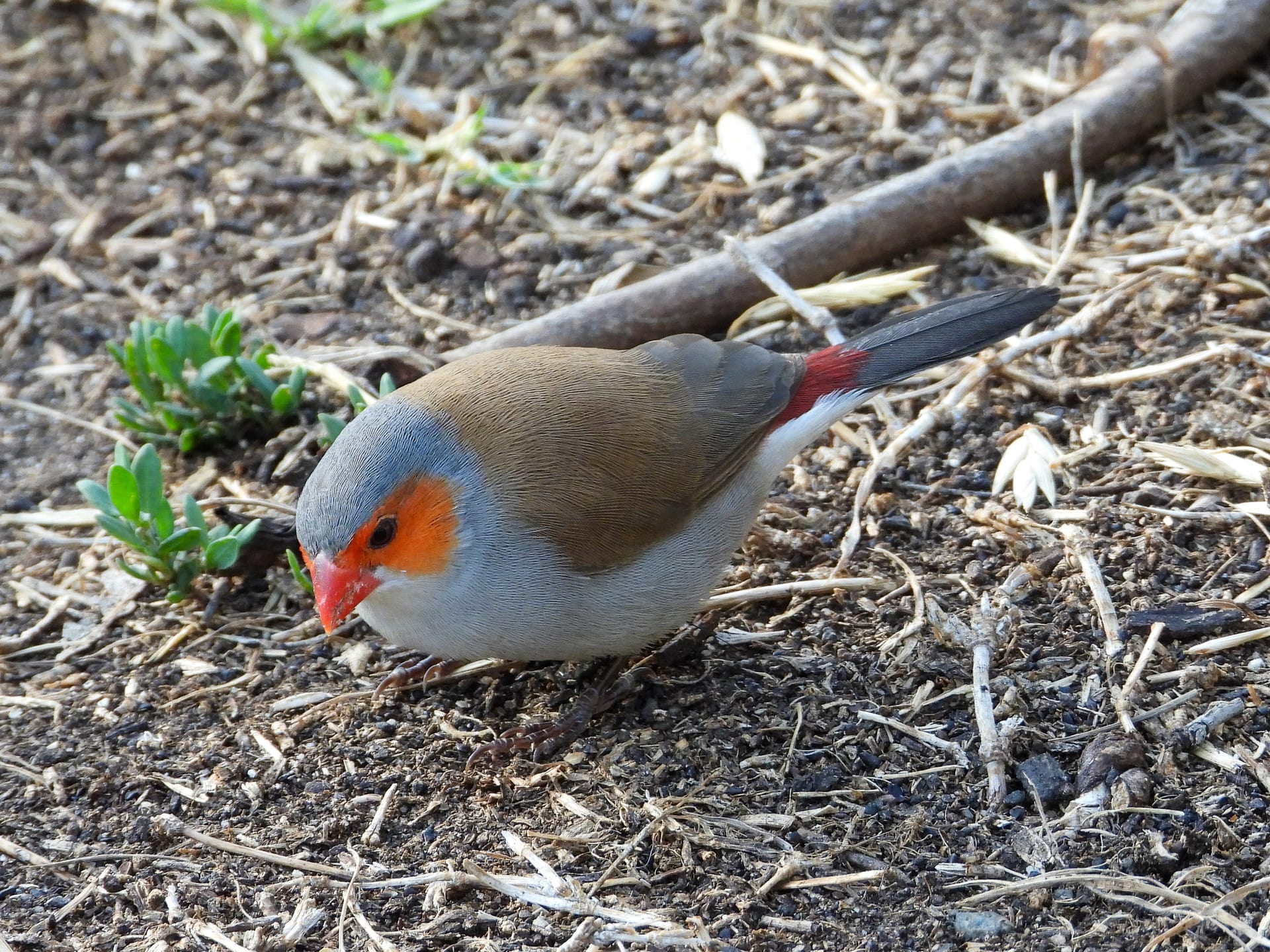
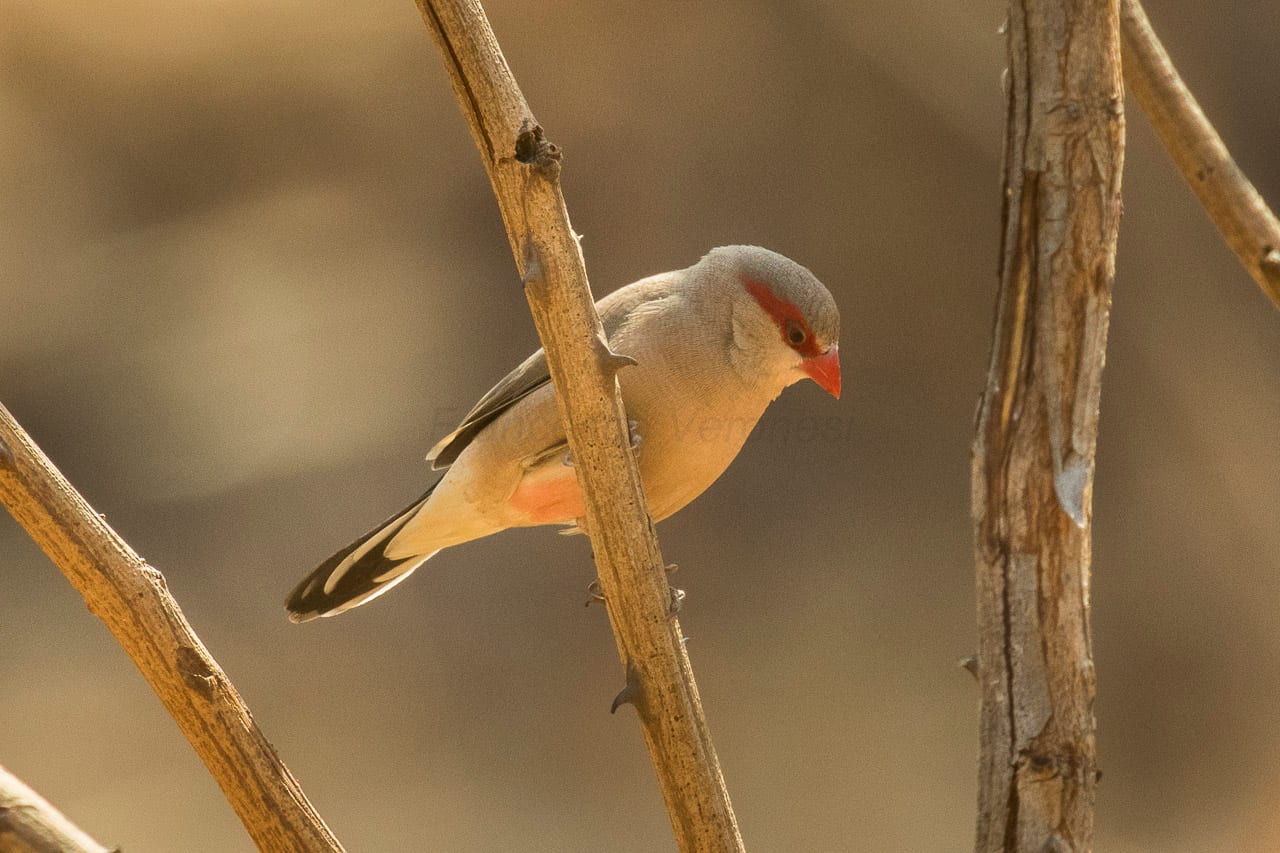
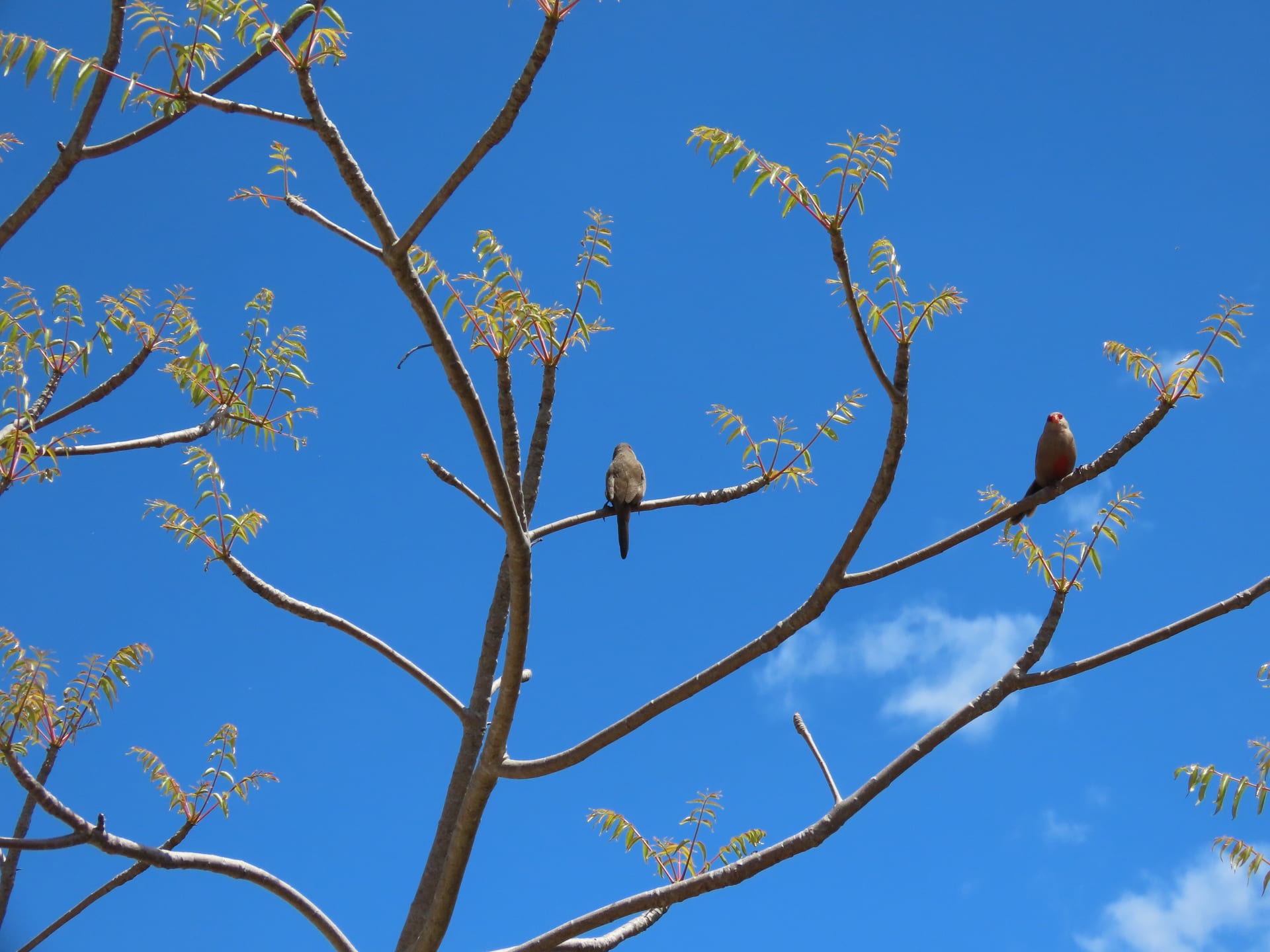
An estrildid with a red bill, a red eye-stripe and finely barred grey-brown plumage. Introduced widely around the world, it is regarded as one of the easiest African estrildids to keep.
Difficulty
Beginner
Temperature
15〜30℃
Lifespan
5-8 years
Size
9.5-13cm
Humidity
40〜60%
Diet
Mixed seed, spray millet, greens, small livefood when rearing young
About
The common waxbill (Estrilda astrild) is an estrildid finch widespread across sub-Saharan Africa. About fifteen subspecies are recognised, covering most of East, Central and southern Africa apart from desert and dense forest. It has been introduced and established in many parts of the world, and its estimated global range now reaches ten million square kilometres. The nest is a large ball of criss-crossed grass stems with a long downward-pointing entrance tube at the side, built low down in dense vegetation. It is one of the hosts parasitised by the pin-tailed whydah. Kept in Europe since the second half of the 18th century, it is rated with the red-billed firefinch as the easiest African estrildid to maintain, although breeding it takes some experience. In an aviary a pair may raise four broods in a year.
Source: Wikipedia (CC BY-SA 4.0)
Lifespan of the Common Waxbill
The Common Waxbill lives 5-8 years.
Size of the Common Waxbill
The Common Waxbill grows to 9.5-13cm.
It is 9.5-13 cm long and weighs 6-11 g, with a red bill, a red stripe through the eye, finely barred grey-brown plumage and a long black tail.
Basic Info
Origin
Sub-Saharan Africa, covering most of East, Central and southern Africa apart from desert and dense forest
Lifespan
5-8 years
Size
9.5-13cm
Care Specifications
References & Sources
Edited & verified by: BreederDirect editorial team
The taxonomic, regulatory, and husbandry data on this page are compiled and verified against the authoritative primary sources below.
Taxonomy & Authority
Accepted name: Estrilda astrild (Linnaeus, 1758)
Synonyms: Loxia astrild
Authority databases: GBIF
Nomenclature follows global taxonomic authority databases.
Regulations & Conservation Status
Not CITES-listedIUCN LC · Least Concern
Estrilda astrild. The family Estrildidae is not listed in the CITES Appendices, so this species is not covered. The IUCN assesses it as Least Concern.
Sources: CITES Appendices (Estrildidae not listed) / IUCN Red List
Regulations may change. Always verify the latest information with the relevant authorities.
Common Waxbill Listings
Loading latest listingsFind listings for this species