African Grey and Sulphur-Crested Cockatoo Care Guide | Comprehensive Guide for Advanced Large Parrot Keepers
Comprehensive guide to caring for African Greys (lifespan: 50-80 years) and Sulphur-crested Cockatoos (lifespan: 40-70 years). Covers lifespan, nutritional management, psychological enrichment, CITES regulations, and advanced-level husbandry requirements.
Key Takeaways
Comprehensive guide to caring for African Greys (lifespan: 50-80 years) and Sulphur-crested Cockatoos (lifespan: 40-70 years). Covers lifespan, nutritional management, psychological enrichment, CITES regulations, and advanced-level husbandry requirements.
Related Species
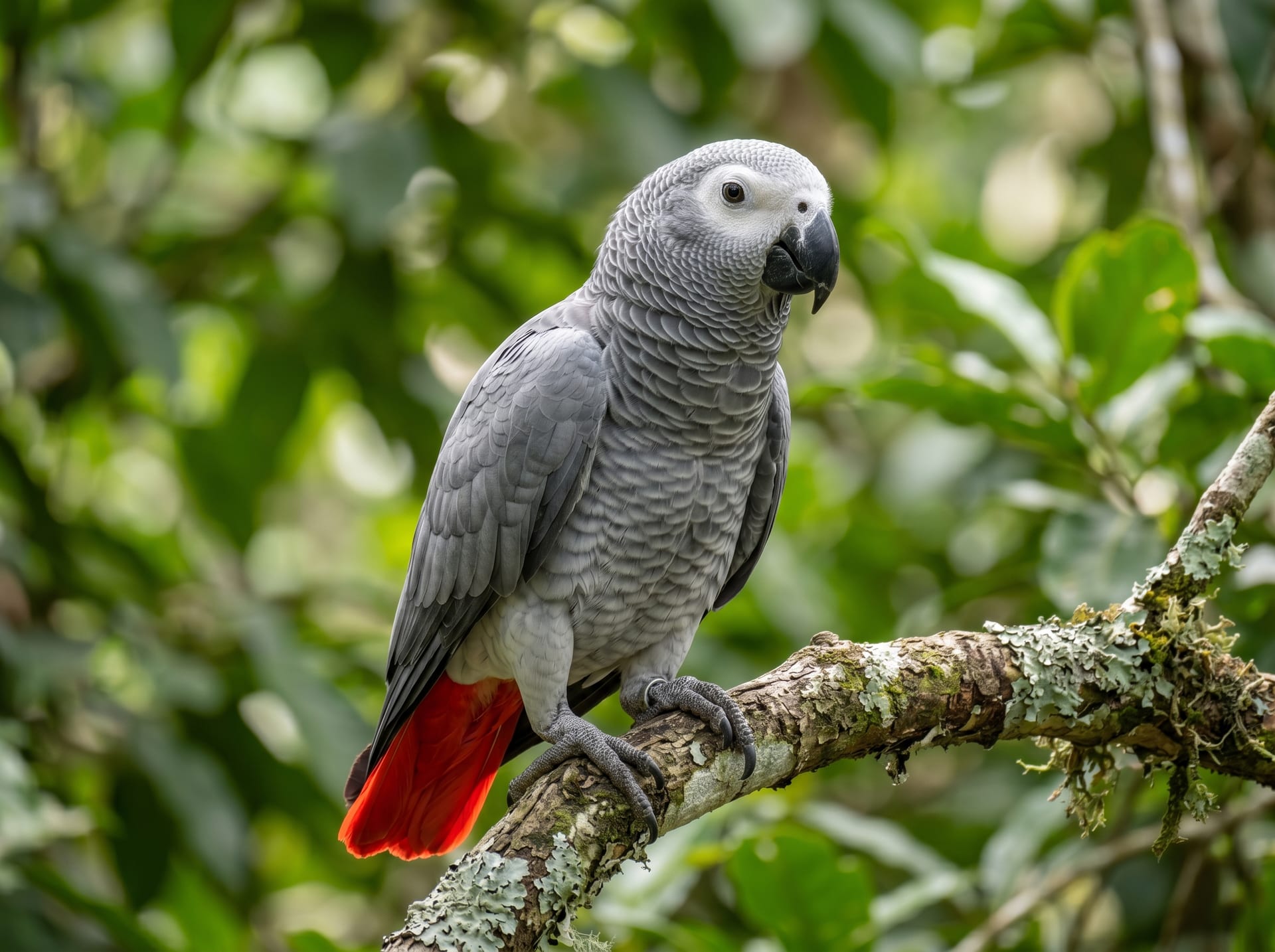
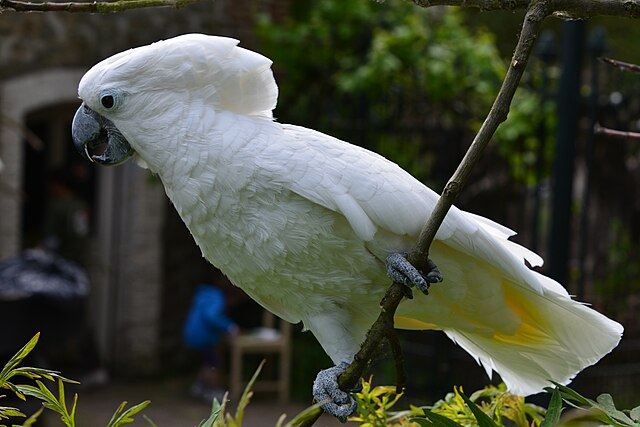
Advanced Large Parrot Husbandry | Complete Care Guide for African Greys and Sulphur-Crested Cockatoos
The African Grey Parrot and Sulphur-crested Cockatoo, representatives of large parrots, are sometimes called the "pinnacle" of avian keeping due to their high intelligence, rich emotional expression, and exceptional longevity. However, they make equally high demands, and inadequate preparation often leads to serious behavioral and health problems. This article compares both species while explaining advanced-level husbandry practices.
Basic Profile Comparison
| Item | African Grey (Congo) | Sulphur-Crested Cockatoo |
|---|---|---|
| Scientific Name | Psittacus erithacus | Cacatua moluccensis |
| Body Length | 33-40 cm | 50-55 cm |
| Weight | 400-650 g | 800-1,100 g |
| Lifespan | 40-60 years (records exceed 80 years) | 40-70 years |
| CITES | Appendix I (commercial trade prohibited) | Appendix I |
| Speech Ability | Extremely high (100-500+ words) | Moderate (high clarity) |
| Price Range | ¥300,000-800,000 | ¥500,000-1,500,000 |
African Grey Lifespan and Longevity Secrets
While African Greys have a wild lifespan of approximately 25-30 years, in captivity they can live 40-60+ years. British records document an African Grey living to age 72. Achieving longevity requires the following:
Nutritional Management
African Greys are extremely susceptible to vitamin A deficiency. A seed-only diet causes serious health problems within 5-10 years. The recommended diet is 70% pellets, 20% fresh vegetables (red, orange, and yellow varieties for beta-carotene), and 10% fruit.
African Greys have more delicate calcium and vitamin D3 metabolism than other species. UVB lighting (5.0 equivalent) for 4-6 hours daily supports natural bone metabolism.
Psychological Enrichment
African Greys, with IQ equivalent to a five-year-old human, develop feather plucking, self-injury, and stereotypic behaviors in understimulating environments. Provide at least 2-3 hours of direct daily interaction with the owner, combined with puzzle feeders, foraging toys, and training.
Sulphur-Crested Cockatoo Husbandry Considerations
Sulphur-crested Cockatoos have exceptionally strong social bonds, often described as displaying "aggressive affection." They demand constant proximity to their owners and develop severe panic screaming (approaching 160 decibels) when left alone.
Before Acquiring a Cockatoo, Confirm:
- Housing Environment: In apartments, vocalizations pose a significant risk of neighbor complaints
- Daily Interaction Time: Minimum 2-4 hours of direct contact required. Incompatible with busy lifestyles
- 50+ Year Commitment: May outlive the original owner; future caretakers must be secured
Cage and Environmental Requirements
Sulphur-crested Cockatoos are powerful and can destroy standard small-bird cages. A sturdy stainless-steel cage (minimum 90 cm width × 90 cm depth × 120 cm height) is necessary. Perches should be natural wood, thick diameter (4-6 cm), and changed regularly.
CITES Regulations and Legal Acquisition
Both African Greys and Sulphur-crested Cockatoos are listed in CITES Appendix I, prohibiting commercial international trade. In Japan, the only legal route is purchasing domestically-bred individuals (CB birds) from legitimate breeders.
Before purchase, verify:
- Microchip implantation status
- Breeder information (contact details, breeding history)
- Health certification availability
Illegally-imported birds carry high disease risks (PBFD, chlamydiosis) and have legal implications. Be cautious if prices are significantly below market rates.
Medical Care Common to Both Species
Large parrots should undergo annual comprehensive health examinations by an avian veterinarian (fecal, blood, and crop examinations). Early detection enables treatment, but delayed diagnosis often results in irreversible outcomes.
African Greys are particularly susceptible to aspergillosis (fungal infection), making cage cleanliness, adequate ventilation, and disposal of deteriorated seed essential.
Conclusion: Large Parrots as Lifetime Companions
Both African Greys and Sulphur-crested Cockatoos require time, affection, and financial investment comparable to raising human children. With proper care, however, they offer intellectual engagement and bonds lasting 50+ years—unique among living creatures. Before acquiring either species, thoroughly consider your living environment, financial capacity, and succession plans for long-term care.