Source: Wikimedia Commons
Lemon (Yellow) Canary
BeginnerSerinus canaria
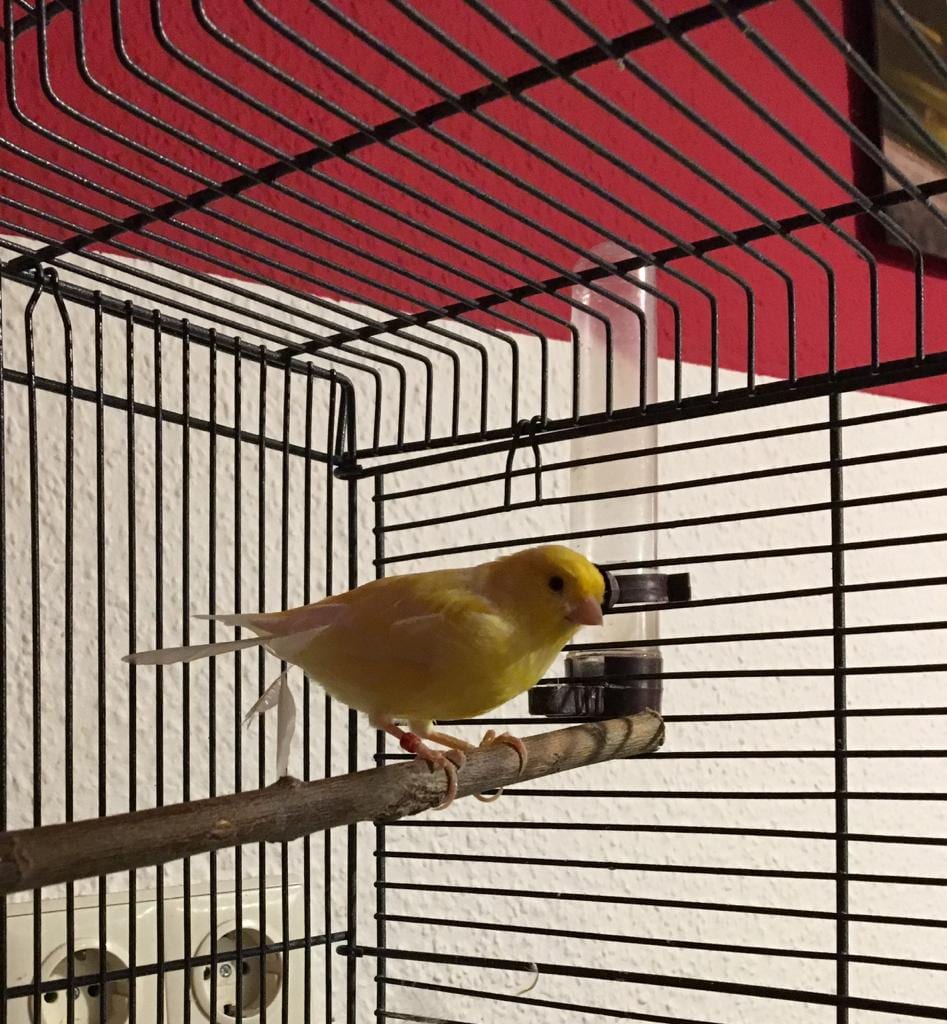
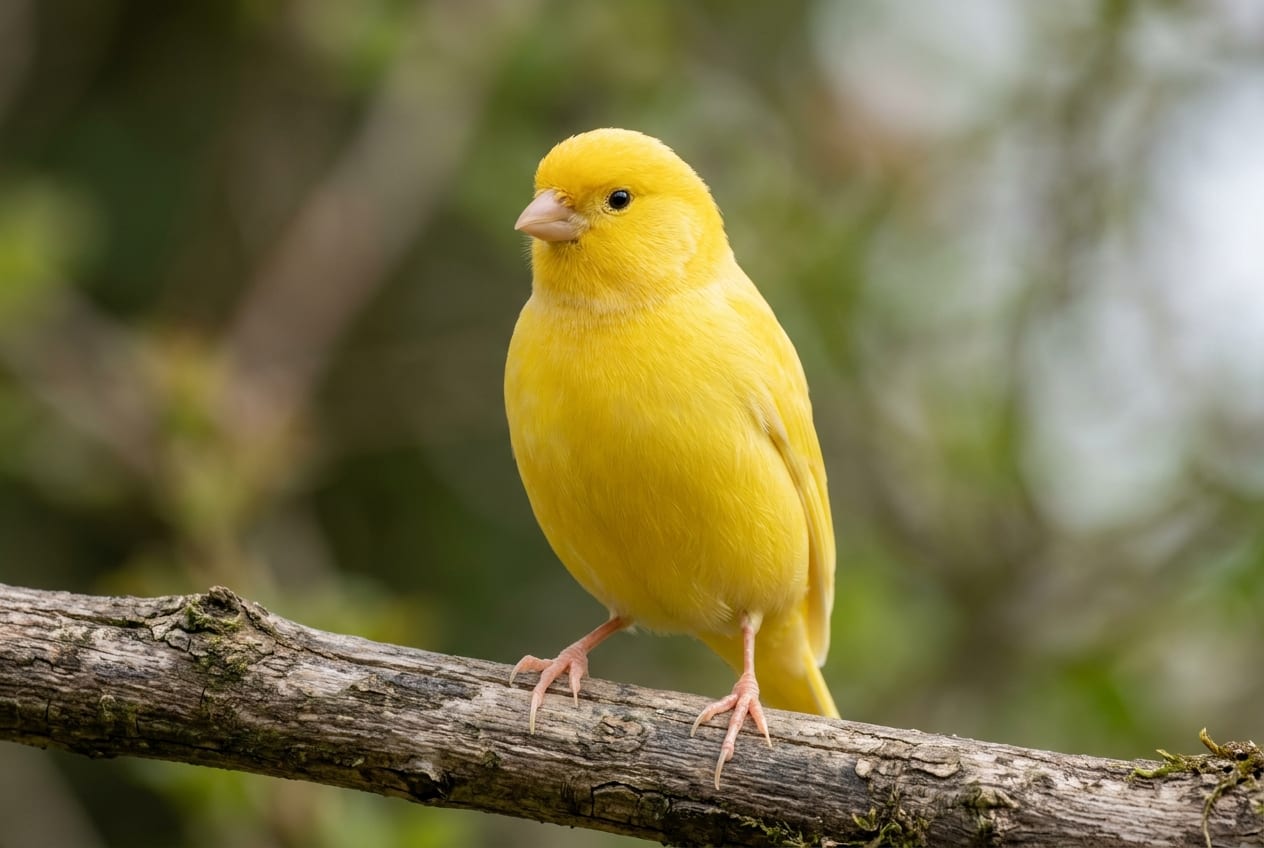
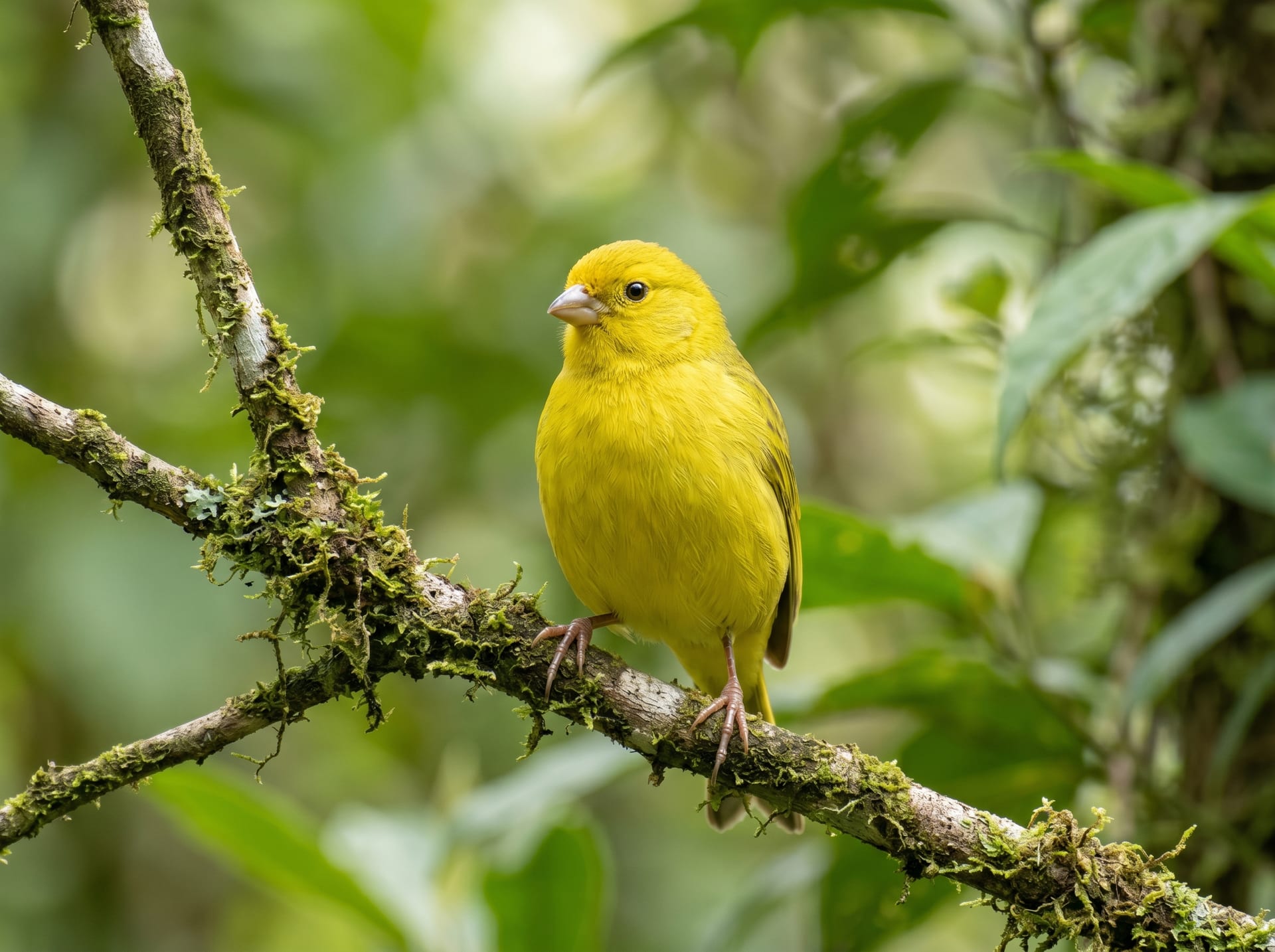
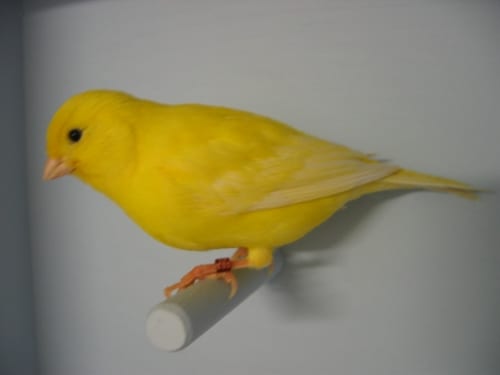
A colour-bred canary in a clear, vivid yellow, and the best known of all canary varieties. The colour name canary yellow derives from this plumage.
Difficulty
Beginner
Temperature
15〜30℃
Lifespan
Around 10 years
Size
13.5-14.5cm
Humidity
40〜60%
Diet
Canary-seed-based mix, greens, cuttlebone or oyster grit
About
The lemon canary is a colour-bred canary in a clear, vivid yellow and the variety most often seen in captivity; the colour name canary yellow comes from this plumage. The wild canary (Serinus canaria) is a plain bird with a sooty yellow-green underside and brown streaking above, native to the Azores, the Canary Islands and Madeira. Domesticated birds were brought to Europe by Spanish sailors in the 1600s, and monks initially monopolised the breeding technique before it spread. The canary reached Japan at Nagasaki via Dutch traders during the Edo period. Like the song and type breeds it is easy to keep and breeds readily. In captivity it lives around 10 years and often longer in good conditions.
Source: Wikipedia (CC BY-SA 4.0)
Lifespan of the Lemon (Yellow) Canary
The Lemon (Yellow) Canary lives Around 10 years.
Size of the Lemon (Yellow) Canary
The Lemon (Yellow) Canary grows to 13.5-14.5cm.
Basic Info
Origin
Europe (the wild ancestor is native to the Azores, the Canary Islands and Madeira)
Lifespan
Around 10 years
Size
13.5-14.5cm
Temperature
15〜30℃
Humidity
Care Specifications
PeacefulSolitaryBreeding: Easy
Sources: Wikipedia - Canary, Japanese edition (morphology, lifespan, breeds, care notes) / Wikipedia - Domestic canary (size, weight, care, song)
References & Sources
Edited & verified by: BreederDirect editorial team
The taxonomic, regulatory, and husbandry data on this page are compiled and verified against the authoritative primary sources below.
Taxonomy & Authority
Accepted name: Serinus canaria (Linnaeus, 1758)
Synonyms: Fringilla canaria
Authority databases: GBIF
Nomenclature follows global taxonomic authority databases.
Regulations & Conservation Status
Not CITES-listedIUCN LC · Least Concern
Serinus canaria. The family Fringillidae is not listed in the CITES Appendices, so this species is not covered. The IUCN assesses the wild ancestral population as Least Concern.
Sources: CITES Appendices (Fringillidae not listed) / IUCN Red List
Regulations may change. Always verify the latest information with the relevant authorities.
Lemon (Yellow) Canary Listings
Loading latest listingsFind listings for this species