Tropical Fish Winter Care Guide
Heater failures and power outages in winter can be life-threatening for tropical fish. This guide explains how to choose heaters, why backup heaters are essential, insulation methods for tanks, and tips for temperature adjustment during winter water changes.
Key Takeaways
Heater failures and power outages in winter can be life-threatening for tropical fish. This guide explains how to choose heaters, why backup heaters are essential, insulation methods for tanks, and tips for temperature adjustment during winter water changes.
Related Species
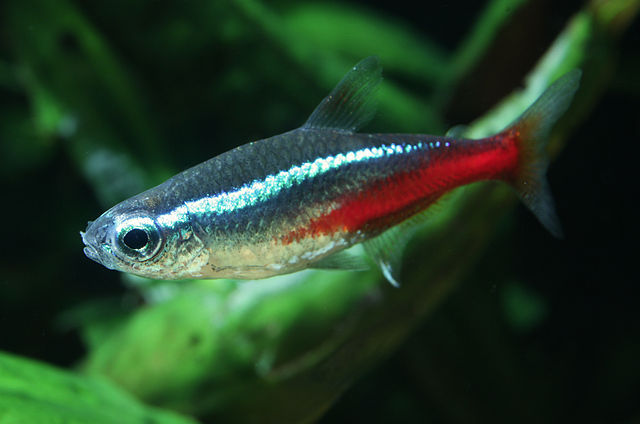
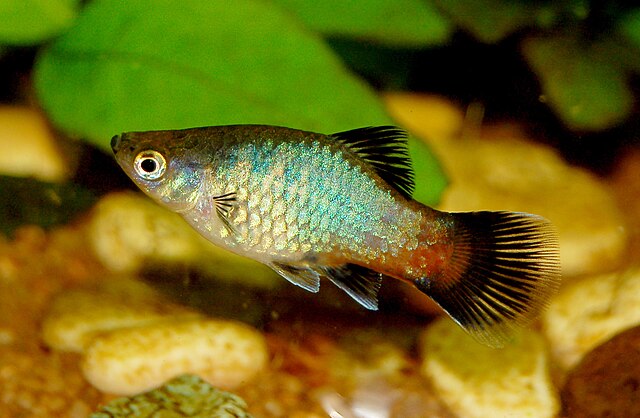
Tropical fish are, as their name suggests, creatures originating from tropical and subtropical regions, and are extremely weak to low water temperatures. Many species such as tetras and cichlids from the Amazon River basin, and bettas and gouramis from Southeast Asia, require water temperatures of 23-28°C. In Japanese winters, indoor temperatures can drop below 10°C, and without proper heating measures, fish can become ill or, in the worst case, lose their lives.
This article comprehensively explains the knowledge needed for tropical fish care during winter, from choosing a heater to insulation measures and water change precautions. Whether you're a beginner just starting to keep tropical fish or already doing so, please refer to this guide. For a comprehensive understanding of year-round management, please also see Tropical Fish Care Guide for Beginners.
Heater Types and Selection
In tropical fish keeping, aquarium heaters are an essential item for winter. There are two main types of heaters available on the market: "automatic heaters" and "thermostat-separated heaters."
Automatic Heaters (All-in-One)
These have a fixed temperature setting (usually around 26°C) and can be used simply by installing them. They are easy for beginners to handle and reasonably priced, but the disadvantage is that they cannot fine-tune the temperature since different fish species have different optimal temperatures.
Thermostat-Separated Heaters
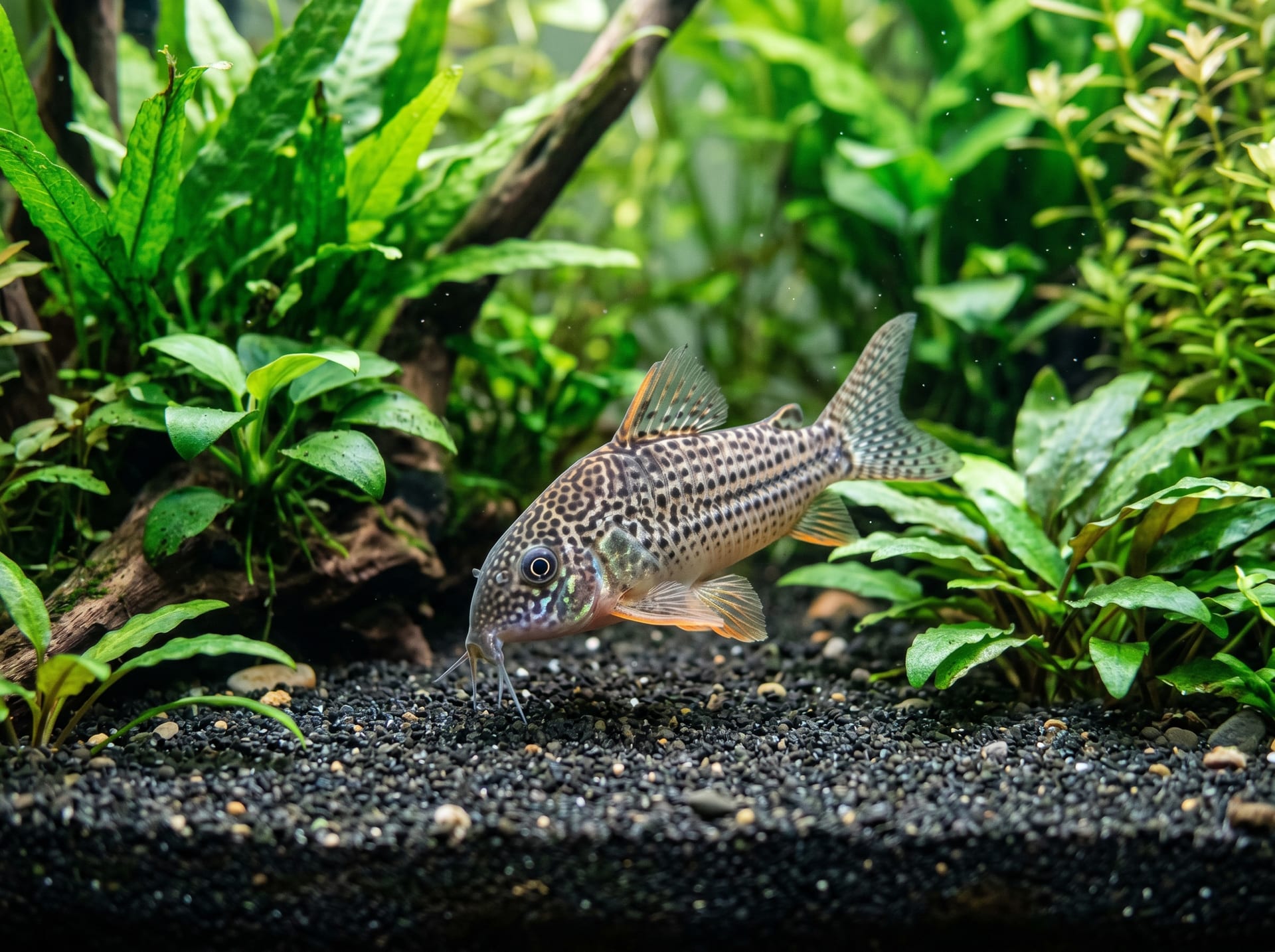
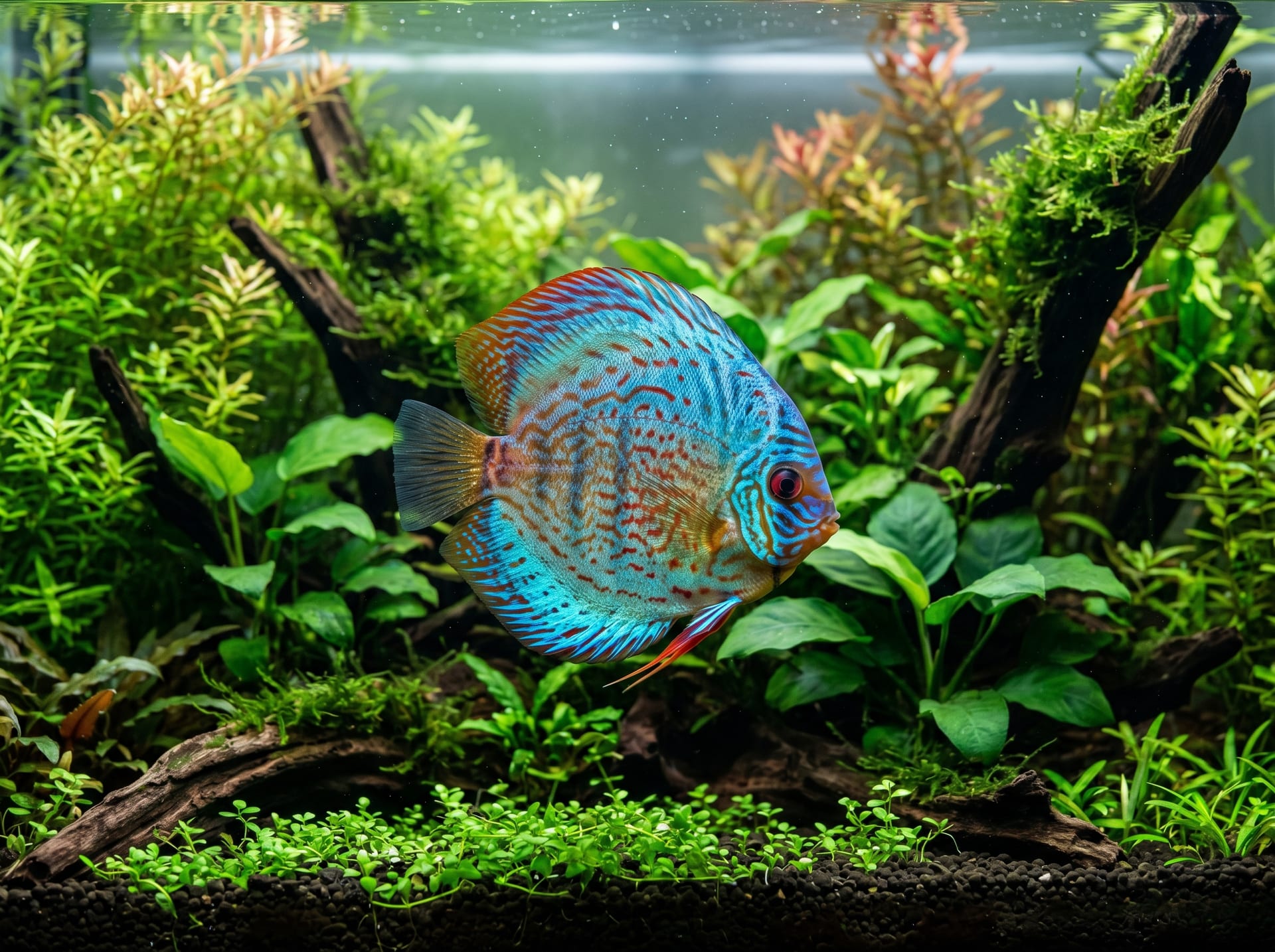
The heater and thermostat (temperature controller) are separate units, allowing you to set any desired temperature. This type is useful for fish that prefer higher temperatures like discus fish, or conversely for species that are fine with relatively lower temperatures like goldfish and corydoras. While the initial cost is somewhat higher, it's recommended due to its versatility in the long run.
Wattage Guide Based on Tank Size
| Tank Size | Recommended Wattage |
|---|---|
| 30cm tank (approx. 25L) | 50-100W |
| 45cm tank (approx. 50L) | 100-150W |
| 60cm tank (approx. 60L) | 150-200W |
| 90cm tank (approx. 180L) | 300W or more |
If the wattage is insufficient, the water may not reach the set temperature. It's safer to choose a wattage with some margin above the water volume.
Why You Must Have a Backup Heater
Heater failure during winter poses a serious risk to tropical fish. If water temperature drops rapidly when outdoor temperatures are low, fish can sustain damage within hours. "Buying after it breaks" often isn't fast enough, so keeping a backup heater on hand is essential.
Backup Heater Management Tips
- Replace with new heaters every 1-2 years even if unused. Heaters degrade over time, so long-stored products lose reliability
- Use different brands for main and backup heaters to distribute the risk of simultaneous failure from product lot defects
- Make it a habit to check daily that the heater is on using the thermostat lamp
Also, knowing emergency measures like "using hand warmers" or "wrapping the tank in blankets" for power outages will help you stay calm in emergencies. If a long power outage is expected, placing the tank in a styrofoam box is also effective.
Tank Insulation and Heat Retention Measures
Beyond just the heater, improving the tank's own heat retention is also important. Insulation measures reduce the heater's workload and can save on electricity costs.
Side and Back Insulation
The most cost-efficient method is to attach styrofoam sheets (about 1-2cm thick) to the back and sides of the tank. They're readily available at home improvement stores and can be installed by simply cutting them to fit the tank size with a utility knife.
Bottom Insulation
During winter, heat loss from the floor is a factor in water temperature drops. Place cork mats or styrofoam sheets under the tank. This is especially effective if the tank is placed directly on flooring or marble tiles.
Nighttime Heat Retention Cover
Since room temperature drops significantly at night, simply placing a tank cover or fleece blanket helps improve heat retention. Keeping the lid firmly closed also directly affects temperature maintenance. Since heat is lost through water surface evaporation, tanks without lids lose temperature faster.
Water Change Temperature Adjustment and Precautions
Winter water changes can cause significant stress to fish if water temperature management is neglected. Tropical fish, which are already sensitive to water quality changes, become even more susceptible to damage from temperature differences, so careful attention is needed. See Tropical Fish Water Quality Management Complete Guide for details on basic water changes and quality management.
Temperature Adjustment Basics
- Always measure the new water with a thermometer and adjust it so the difference from the tank water is within ±1°C before adding it
- The most reliable method is to pre-heat water in a bucket using a heater and thermostat. Preparing 30 minutes before the water change makes it smooth
- Water conditioner is added after temperature adjustment, but if using a heater, it's fine to add the conditioner first and then heat
Winter Water Change Amount
During winter, fish metabolism is slower and tolerance to environmental changes from water changes is reduced. Keep water change volume to about 70-80% of normal to minimize stress on the fish. Also, it's ideal to perform water changes in the afternoon when room temperature is relatively stable, rather than at night when temperatures drop.
Optimal Water Temperature by Fish Species and Winter Tips
Even among tropical fish, there's variation in optimal temperature depending on the species. To manage winter conditions more appropriately, understand the optimal water temperature for the fish you're keeping.
- Bettas and Gouramis: 26-28°C. Relatively weak to low temperatures, so special care is needed in winter
- Neon Tetras and Tetras: 24-26°C. Easy to manage at typical tropical fish temperatures
- Corydoras: 22-26°C. Can tolerate slightly lower temperatures, but activity drops below 20°C
- Discus Fish: 28-30°C. Prefer high temperatures, so especially high temperature management is needed in winter
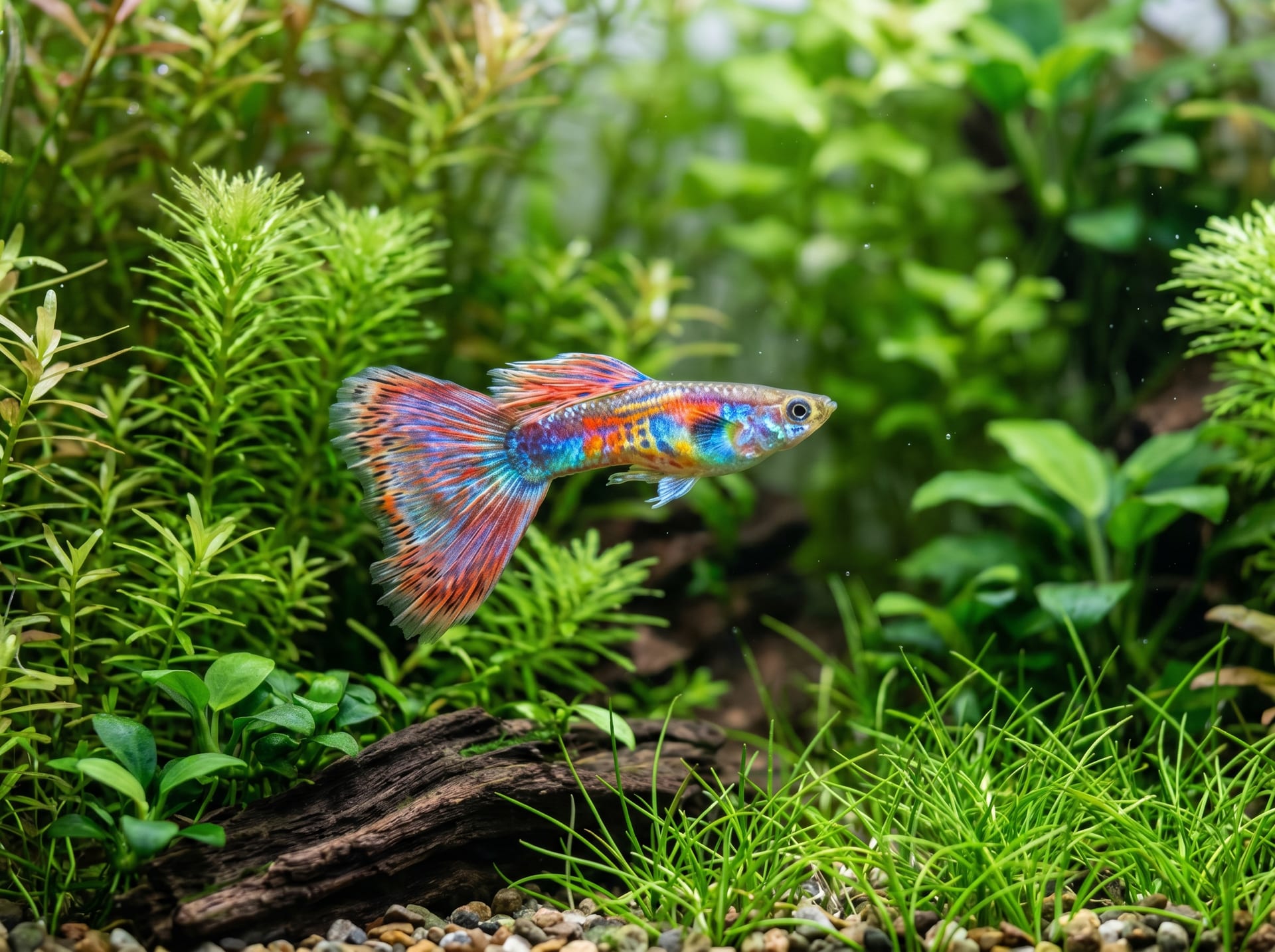
- Platies and Guppies: 22-26°C. Relatively hardy but weak to sudden temperature drops
If fish become ill during winter, it often leads to disease. See also Common Tropical Fish Diseases and Prevention Summary for symptoms and treatment methods.
BreederDirect's Safe and Reliable System
Tropical fish keeping starts with obtaining healthy individuals. Winter is a time when low-temperature stress during transportation easily affects fish, so choosing a reliable source is especially important.
BreederDirect is a breeder-direct sales platform for aquatic animals including tropical fish. Since you can purchase directly from breeders, stress from distribution channels can be minimized. Also, the advantage of being able to get feeding advice and winter management tips directly from the breeder-seller is a major appeal.
- Breeder-direct sales provide healthy individuals with minimal distribution stress
- Question feature for sellers lets you get advice tailored to your aquarium environment
- Rating and review system makes it easy to choose trustworthy breeders
If you're considering setting up a new tank during winter or introducing new fish, please find your ideal tropical fish on BreederDirect. Meeting healthy individuals is the first step to a long and enjoyable tropical fish life.