Setting Up Tropical Fish Breeding Tanks and Basics of Brine Shrimp Hatching
A guide to successfully breeding guppies, corydoras, and tetras, covering spawning substrates, water conditions, and fry isolation methods. Also includes instructions for building a brine shrimp hatchery and feeding techniques.
Key Takeaways
A guide to successfully breeding guppies, corydoras, and tetras, covering spawning substrates, water conditions, and fry isolation methods. Also includes instructions for building a brine shrimp hatchery and feeding techniques.
Related Species
For those attempting tropical fish breeding for the first time, encountering the challenge of "I've seen them spawn, but the fry won't survive" is a common hurdle. By systematically understanding the process from setting up the spawning environment to initial feeding of fry, the success rate for breeding popular tropical fish such as guppies, corydoras, and characins (tetras) increases dramatically.
Basic Setup of Breeding Tanks
Establishing a dedicated breeding tank (breeding tank) is the fastest route to breeding success. In community tanks, other fish risk eating eggs and fry, and parent fish experience increased stress.
The recommended breeding tank size varies by species, but 20–30L works well for guppies, and 30–45L for corydoras. The following equipment is essential at minimum.
Sponge filters are ideal for breeding tanks because fry are unlikely to be sucked in, and bacterial colonies form easily. Use in combination with an air pump. Aquarium heaters should be set to around 26°C to ensure even temperature distribution through circulation. Spawning substrate (plastic willow moss mats, Java moss, or sponge shelters) should be chosen to match the species' spawning habits. Fine sand or bare bottom makes cleaning easier; for corydoras, aquatic plant soil is suitable.
Species-Specific Spawning Environment Tips
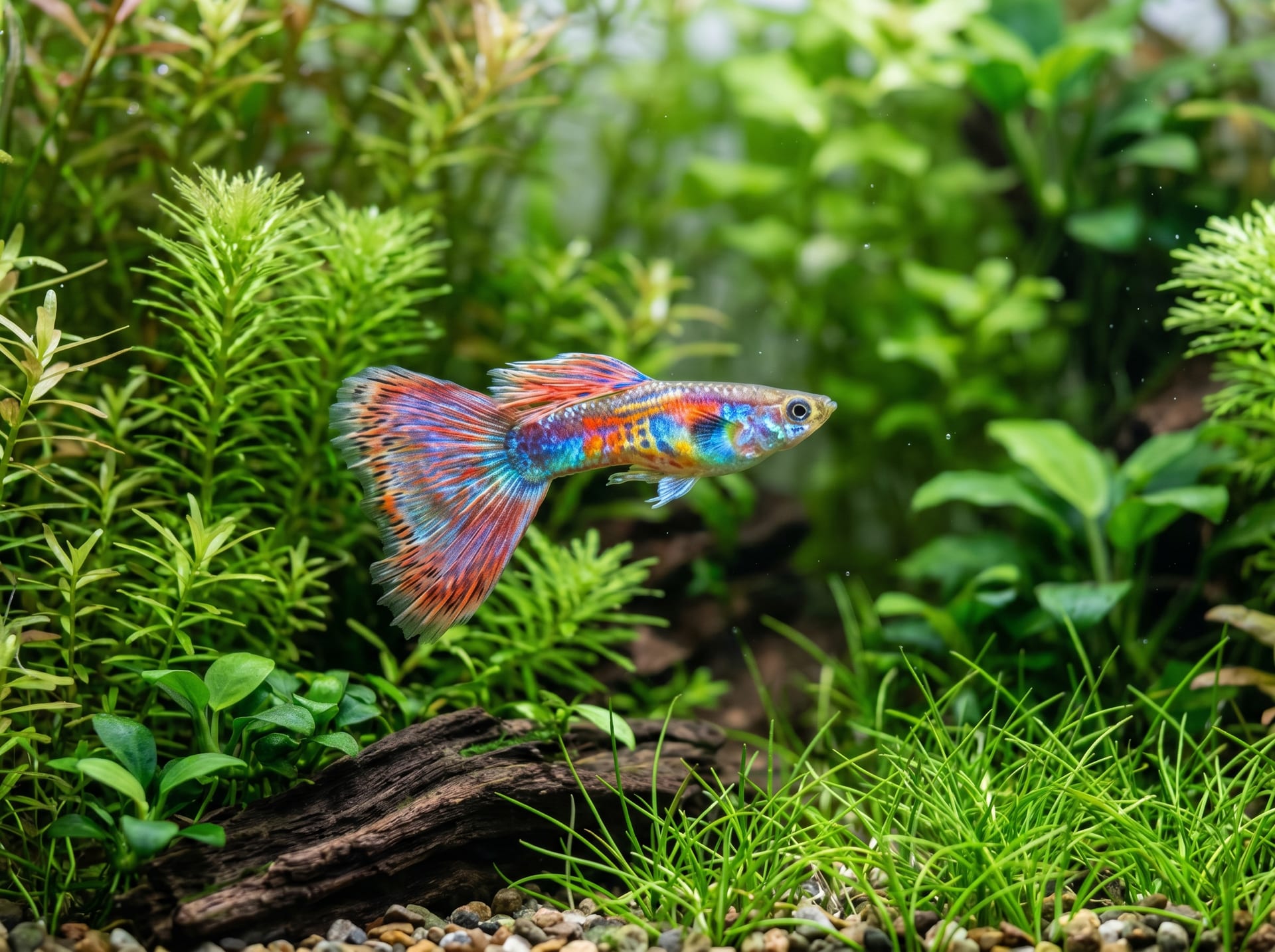
Guppies (Ovoviviparous): Guppies don't lay eggs externally but instead hatch eggs internally. Fry are born 4–6 weeks after mating. As birth approaches, use a breeding box (plastic isolation case) to separate the mother from newborn fry, as mothers sometimes eat their fry immediately after birth.
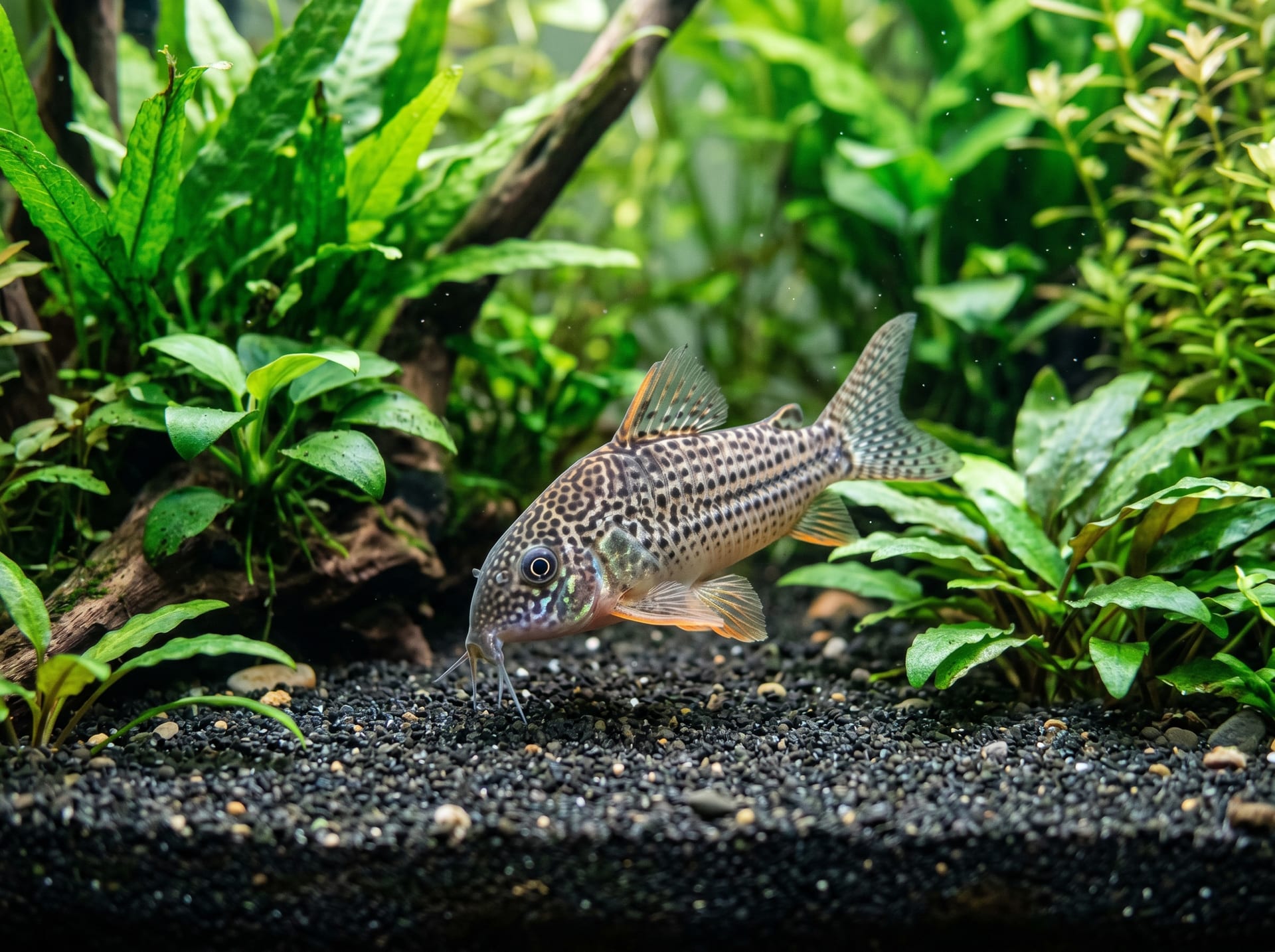
Corydoras (Bottom Spawners): Corydoras fertilize eggs in the T-position and lay them on glass or broad leaves. Once eggs are laid, remove the parent fish and leave the eggs undisturbed. Maintain water temperature at 24–26°C with gentle aeration; eggs hatch in 3–5 days. For 2–3 days after hatching, fry absorb nutrition from their yolk sac, so feeding is unnecessary.
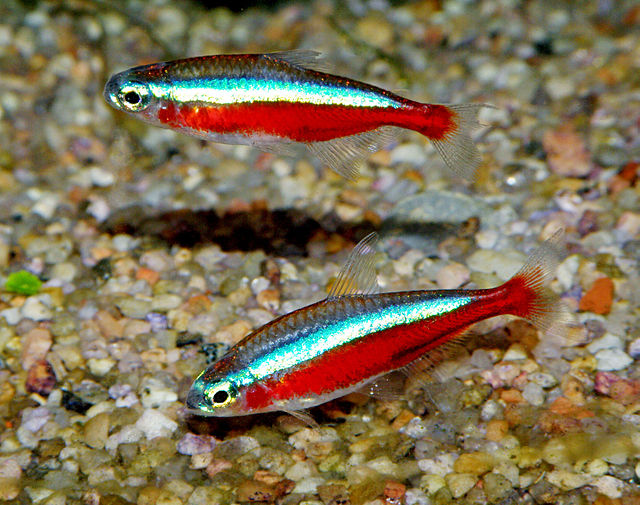
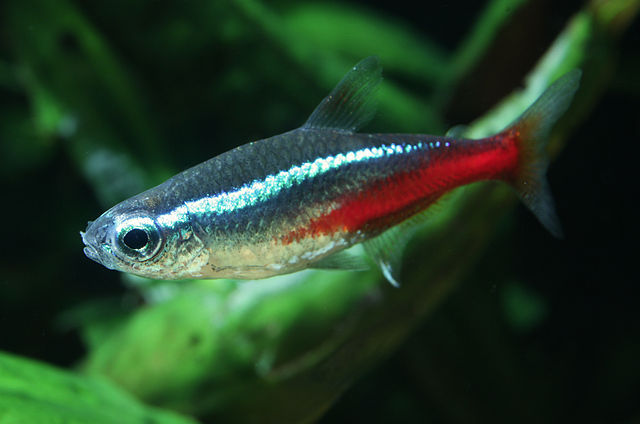
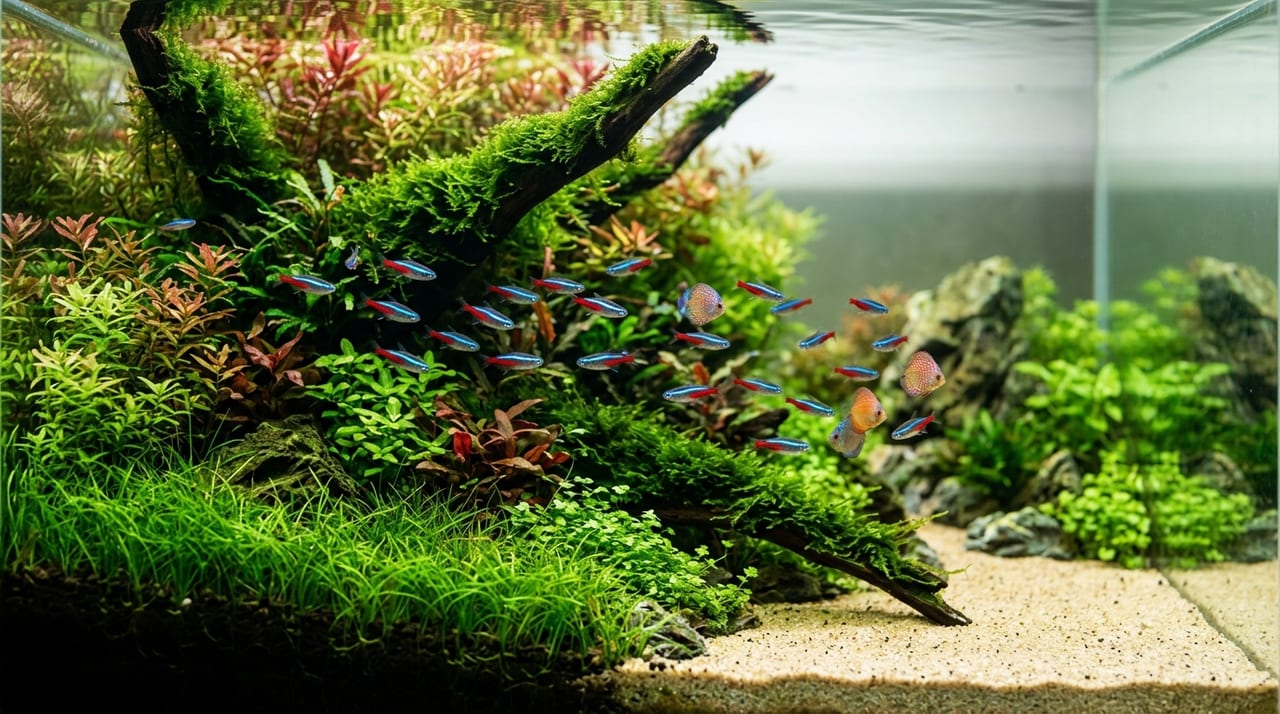
Characins (Scatter Spawners): Neon tetras and cardinal tetras scatter eggs among plants and roots. Eggs are light-sensitive and should be hatched in darkness. Remove parent fish immediately after spawning. Spawning mops (fine-root simulation sponge mats) are effective at encouraging spawning.