Harlequin Rasbora Care Guide: Schooling, Water Quality, and Enhancing Coloration
Comprehensive guide to caring for Harlequin Rasboras (Trigonostigma heteromorpha). From water quality, substrate, and tankmate selection to maintain vibrant wedge-shaped markings, to step-by-step breeding procedures using slightly acidic soft water, this practical guide is enjoyable for beginners and experienced aquarists alike.
Key Takeaways
Comprehensive guide to caring for Harlequin Rasboras (Trigonostigma heteromorpha). From water quality, substrate, and tankmate selection to maintain vibrant wedge-shaped markings, to step-by-step breeding procedures using slightly acidic soft water, this practical guide is enjoyable for beginners and experienced aquarists alike.
Related Species
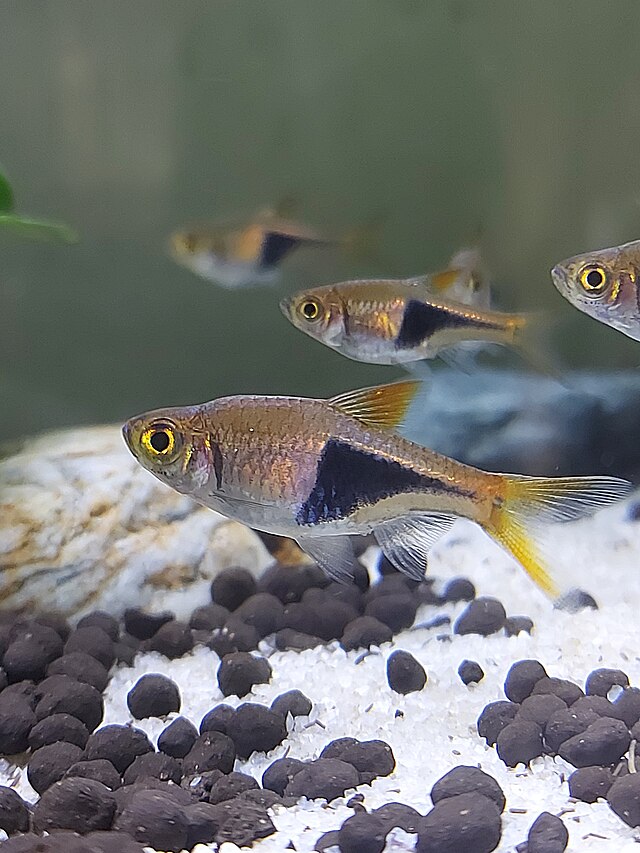
The Harlequin Rasbora (Trigonostigma heteromorpha) is a small schooling fish characterized by distinctive wedge-shaped black markings (hatchet spot) that spread across the rear half of its body. The orange-pink body color combined with jet-black wedges creates a striking appearance, and their schooling behavior brings vibrant movement to a tropical aquarium. Hardy and easy to care for, they are a staple species that has gained wide popularity among both beginners and experienced aquarists.
Basic Data
| Item | Details |
|---|---|
| Scientific Name | Trigonostigma heteromorpha |
| Family | Cyprinidae |
| Distribution | Southeast Asia (Malaysia, Thailand, Sumatra, etc.) |
| Size | 3–4 cm |
| Lifespan | 3–5 years |
| Difficulty Level | Easy |
| Compatibility | Excellent with their own species when schooling; compatible with peaceful small fish |
Harlequin Rasboras are highly schooling fish, and when kept in a large group of 10 or more, their body coloration becomes most vibrant, and you can observe their perfectly coordinated schooling behavior. With only about 5 individuals, the school may not hold together properly, and they may scatter and swim independently.
Suitable Tank Environment
Tank Size: For schooling groups of 10 or more, we recommend a minimum of 30–45 cm (20–30 L) tank. A 60 cm tank (approximately 60 L) can accommodate 20–30 individuals for optimal schooling.
Water Conditions: The native habitat of Harlequin Rasboras—Malaysia and Thailand—features low pH and soft acidic water. While they can be kept in Japanese tap water (neutral to slightly alkaline), recreating water conditions close to their native environment improves coloration and promotes breeding.
| Parameter | Acceptable Range | Recommended (Breeding) |
|---|---|---|
| Temperature | 22–28°C | 24–26°C |
| pH | 5.5–7.5 | 6.0–7.0 |
| Hardness | 3–15 dGH | 2–8 dGH |
Filtration and Water Flow: They prefer gentle water flow. Use a spray bar on the outlet of an external filter, or direct the outflow toward the tank side wall to avoid direct current. Sponge filters work well in combination as well.
Layout and Tankmates
Plants and Driftwood: Blackwater-style layouts (driftwood, peat moss, leaf litter) closely resemble their native habitat and enhance coloration. While maintaining ample open swimming space, adding aquatic plants (Amazon sword, Bucephalandra, Nymphaea species) provides hiding places as well.
Compatible Species:
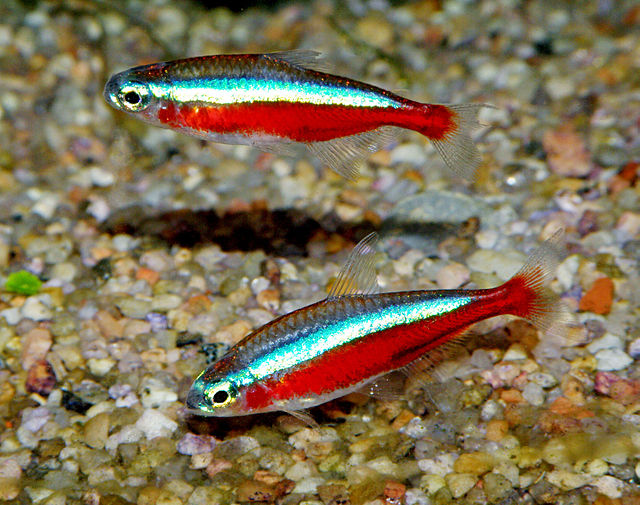
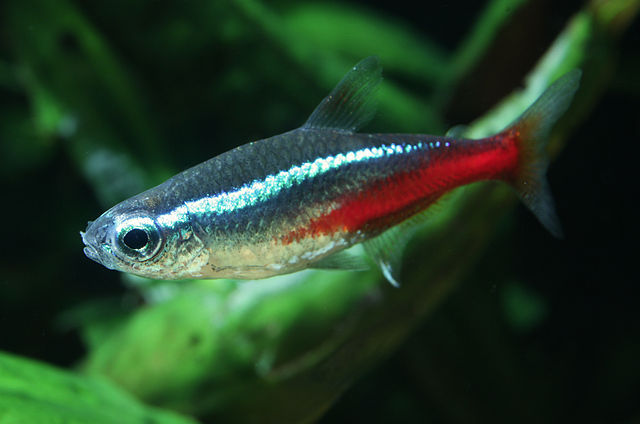
- Neon Tetras, Cardinal Tetras (tetras in general)
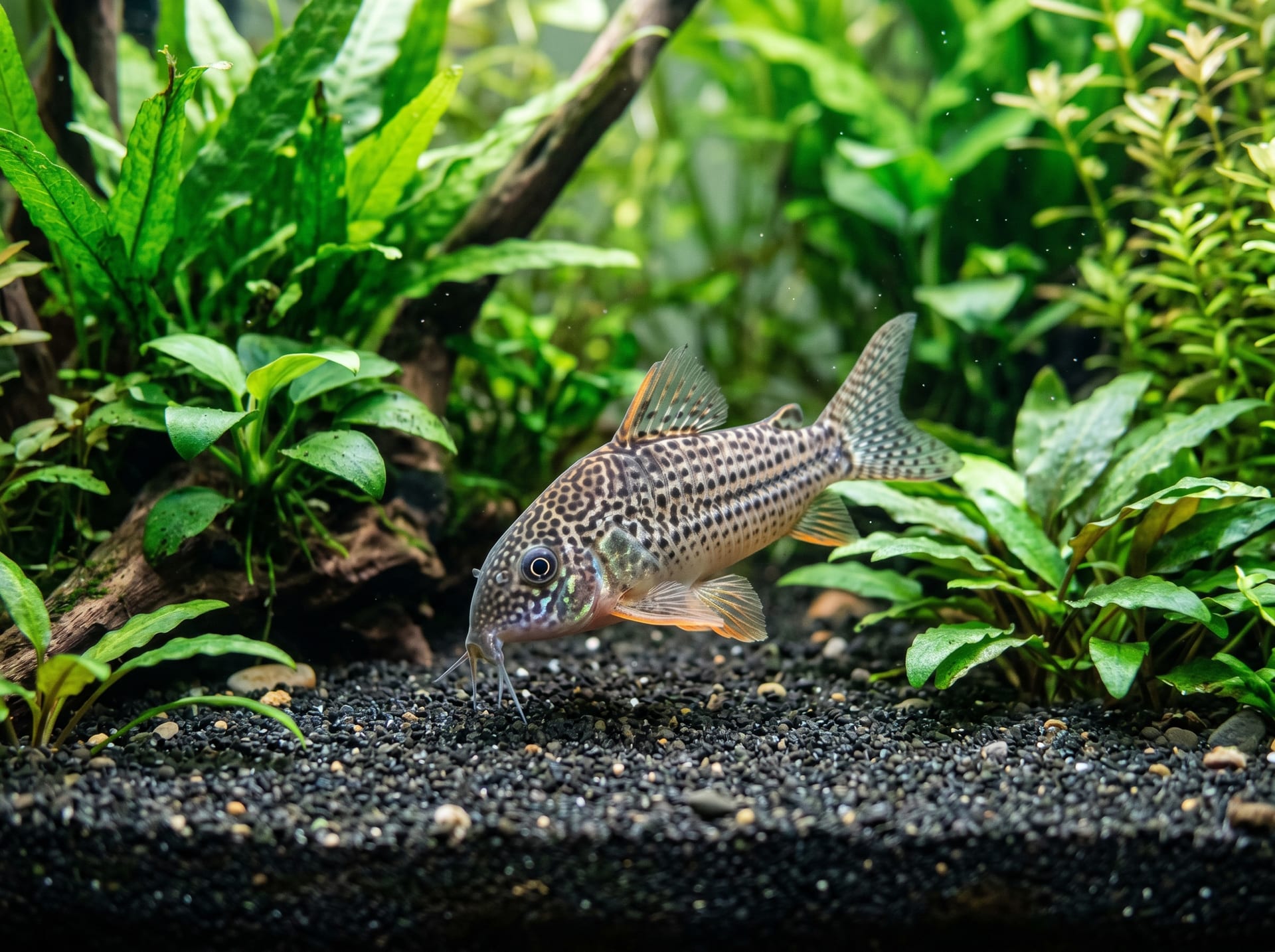
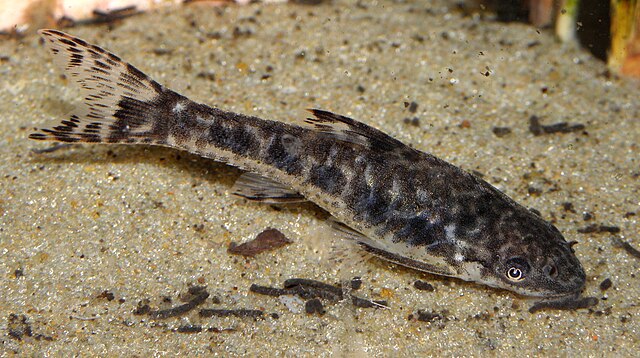
- Corydoras (bottom feeders)
- Otocinclus, Plecos (algae control, peaceful)
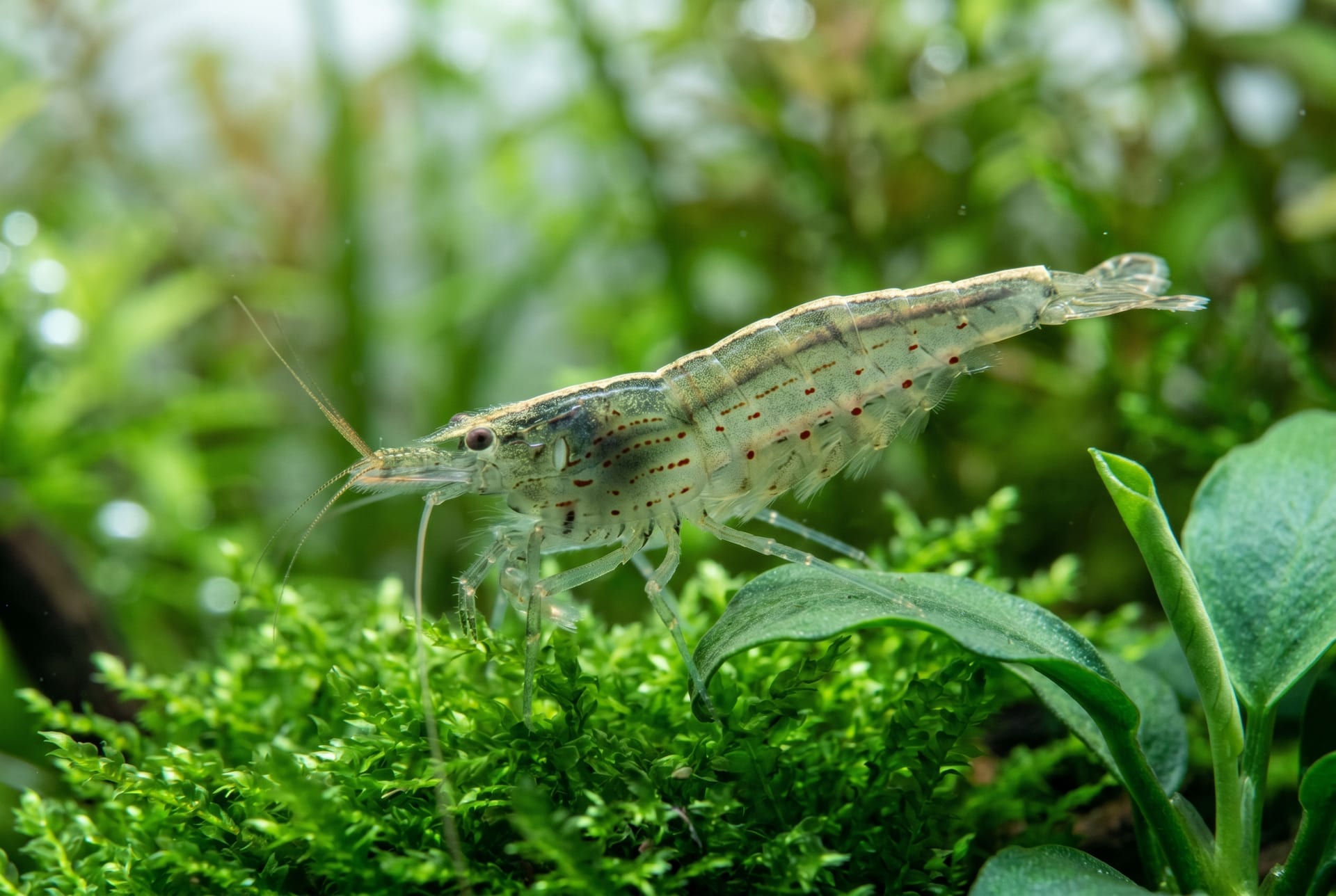
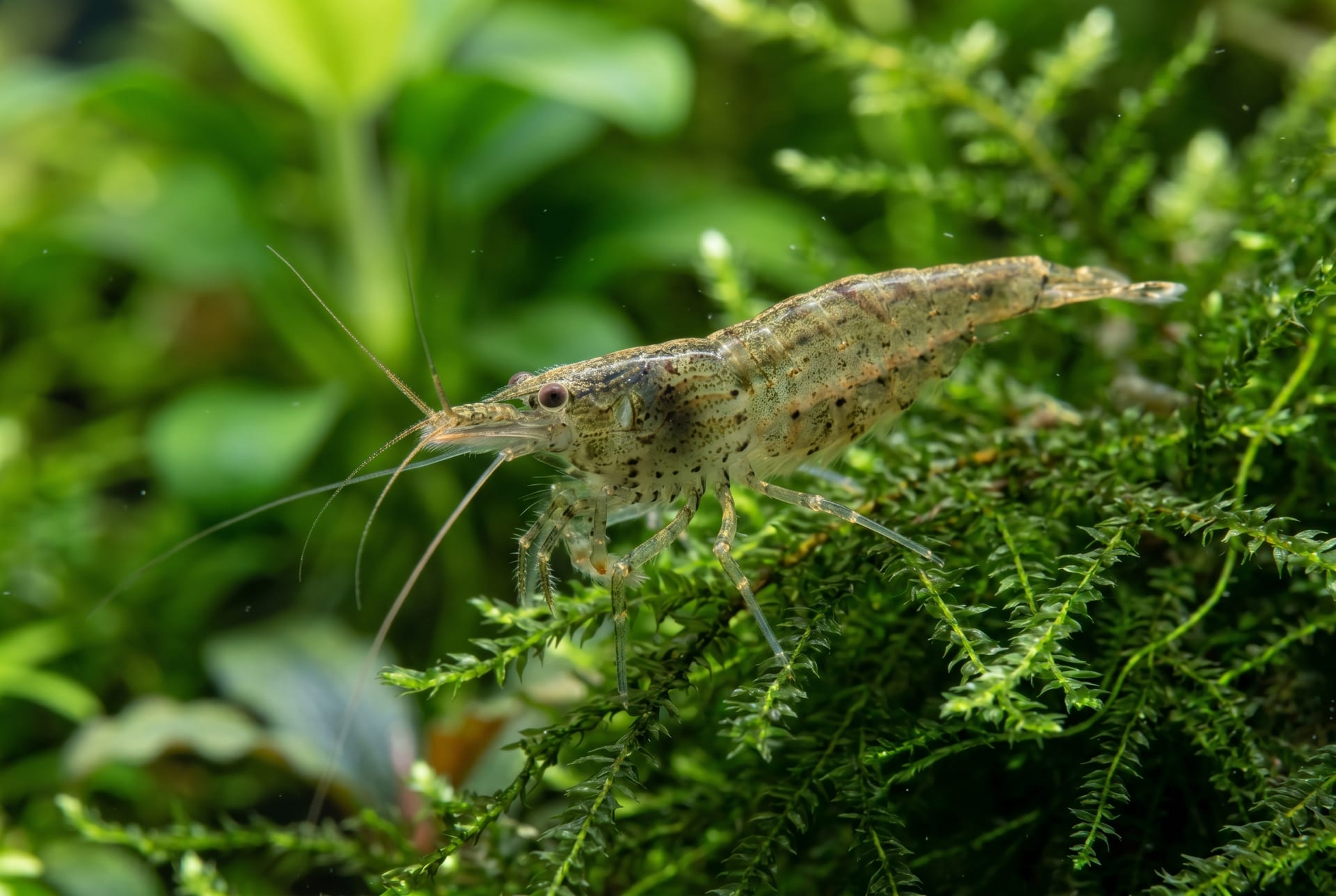
- Shrimp (Yamato shrimp, Amano shrimp)
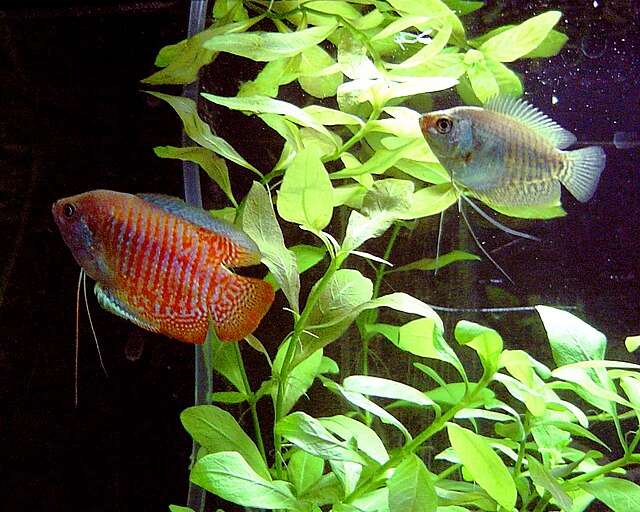
- Dwarf Gouramis (peaceful varieties)
Species to Avoid:
- Bettas (will chase and attack Harlequins)
- Cichlids (carnivorous, highly territorial)
- Fish with significant size differences (predation risk)
Feeding
They are omnivorous and eat readily from most foods.
Staple Foods:
- Flaked and granulated commercial pellets (use fine sizes as they have small mouths)
- They also eat sinking tablets designed for Corydoras
Supplemental Foods (for preference and color enhancement):
- Frozen bloodworms, frozen brine shrimp
- Dried daphnia
Feeding Frequency: Feed twice daily, only the amount they can consume in 2–3 minutes. Remove uneaten food to prevent water quality degradation.
Breeding
Breeding Harlequin Rasboras has been documented in aquariums, but it is challenging without proper conditions and is recommended for intermediate aquarists.
Breeding Conditions:
- Soft, slightly acidic water (pH 5.5–6.5, hardness 2–5 dGH)
- Slightly elevated temperature (26–28°C)
- Provide broad-leaved plants (Amazon sword, Anubias, etc.)
Spawning Method: Harlequin Rasboras are "leaf-spawners," depositing eggs on the undersides of leaves. The male entices the female, and both assume an inverted position beneath plant leaves to spawn and release sperm.
Post-Spawning Care:
- Remove adults to a separate tank after spawning, as some may eat the eggs
- Eggs hatch within 48–72 hours
- Fry feed on their yolk sacs for the first few days, then require infusoria (protozoa such as paramecia)
- Transition to newly hatched brine shrimp after 1–2 weeks
Techniques for Enhancing Coloration
The following techniques are effective for bringing out the vibrant orange-pink body color and jet-black wedge markings in Harlequin Rasboras:
- Large Schooling Groups: Colors develop best when kept in groups of 10 or more
- Slightly Acidic Soft Water: Water at pH 6.0–6.5 enhances body coloration
- Dark Substrate: Black fine-grain substrate makes coloration stand out
- Backdrop: A black background makes the school visually striking
- Color-Enhancing Food: Feed foods containing carotenoids and astaxanthin 2–3 times per week
- Appropriate Lighting: Overly strong lighting causes stress and color fading
Disease and Health Management
Common Diseases:
- Ich (White Spot Disease): Triggered by temperature drops and sudden water changes. Treat early with medications such as Green F Gold
- Tail Rot: Caused by Columnaris bacteria. Treat with medication and water changes
- Velvet (Oodinium): Appears as dust-like spots on the body. Treat with reduced water density and medication
Daily Health Checks:
- Appetite remains normal
- Wedge markings have sharp edges (blurred markings indicate health issues)
- Fins are intact
- Fish remain part of the school
Tips for Purchasing from Breeders
When purchasing Harlequin Rasboras from a breeder direct platform like BreederDirect, check the following:
- Schooling Behavior: Choose fish that school together cohesively
- Marking Clarity: Select individuals with well-defined black markings
- Shipping Quantity: Purchase in groups of 10 or more to enjoy schooling behavior from the start
Summary
Harlequin Rasboras are exceptionally versatile among beginner fish and blend seamlessly into various layouts, from small planted tanks to blackwater biotopes. Their schooling behavior combined with vibrant coloration creates a striking focal point in any aquarium. With their hardiness and excellent compatibility with other species, they are an ideal choice for beginners interested in maintaining multiple species.