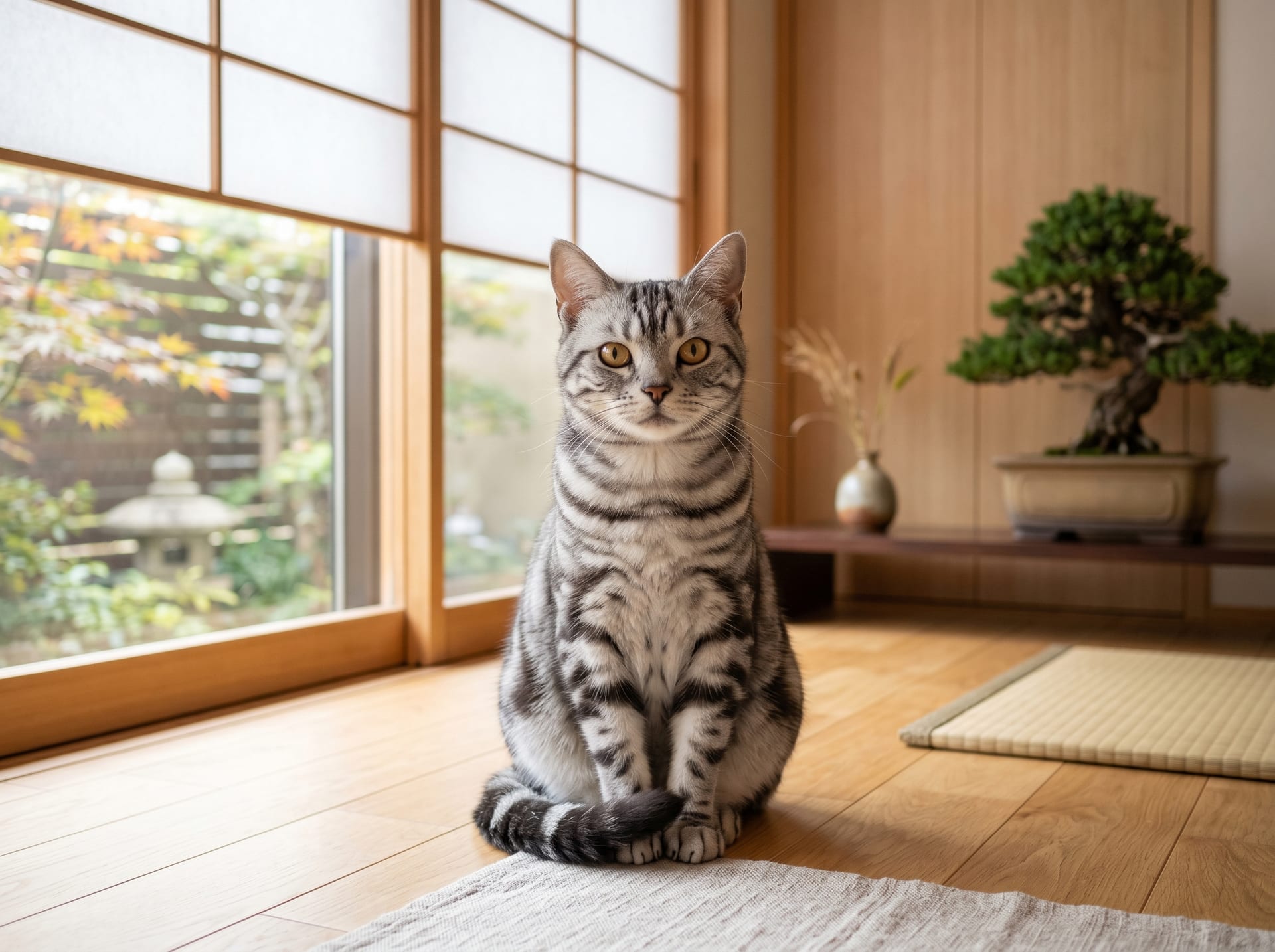
American Shorthair Care Guide | Hardy, Easy-to-Keep Popular Cat Breed
A detailed guide to raising American Shorthair cats. From personality and characteristics to necessary diet, exercise, and health management, we explain the reasons why they are easy to keep and caution about hereditary diseases (cardiomyopathy) in a way that is easy to understand even for first-time cat owners.

Key Takeaways
A detailed guide to raising American Shorthair cats. From personality and characteristics to necessary diet, exercise, and health management, we explain the reasons why they are easy to keep and caution about hereditary diseases (cardiomyopathy) in a way that is easy to understand even for first-time cat owners.
Related Species
About American Shorthairs
The American Shorthair (often called "Ame-Sho") is a medium-sized cat breed native to America, descended from working cats that migrated from Europe to the Americas in the 17th century. While the beautiful marble pattern of silver tabby is the most famous, in reality over 80 color variations are recognized.
Characteristics
| Item | Details |
|---|---|
| Body Type | Medium to slightly large (rounded, sturdy build) |
| Weight | Males 4-6 kg, Females 3-5 kg |
| Coat | Dense, firm short coat |
| Lifespan | 15-20 years (long-lived breed) |
| Temperament | Gentle, affectionate, moderately independent |
| Activity Level | Moderate (enjoys play but not excessive) |
Personality Traits
The American Shorthair is known as a representative example of an "easy-to-keep cat breed."
- Gentle and calm: They rarely vocalize loudly, making them well-suited to apartment living
- Affectionate yet independent: They don't particularly like sitting on laps; they prefer a "nearby" style
- Good compatibility with children and other animals: High social nature makes multi-cat households and living with dogs smooth
- Moderate hunting instinct: They enjoy toy play, which is effective for preventing indoor boredom
Required Living Environment
Living Space
American Shorthairs are active cats, but they prefer frequent short play sessions over strenuous exercise.
- Cat tower: Install to satisfy their natural desire for high places
- Scratching posts: Scratching habits are important for furniture protection. Place in multiple locations
- Hiding spots: Secure resting spaces such as cardboard boxes and cat tunnels
Temperature and Seasonal Management
- Ideal temperature: 18-26°C
- Winter: Install heaters and address humidity control
- Summer: Air conditioning is essential to prevent heat stroke (risky even indoors)
Their dense coat provides some insulation, but they are vulnerable to excessive heat.
Diet Management
American Shorthairs tend to have robust appetites and are prone to obesity. Maintaining appropriate weight is the secret to longevity.
Recommended Diet
| Diet Type | Benefits | Notes |
|---|---|---|
| High-protein, low-carb dry food | Prevents tartar buildup, long shelf life | Need to increase water intake |
| Wet food (canned/pouch) | Hydration, high palatability | Watch for excessive calories |
| Homemade food | Fresh ingredients | Nutritional balance is difficult (vet consultation recommended) |
Ideal combination: Use dry food as the main diet and wet food as occasional topping to encourage water intake.
Daily Feeding Amount Guide (Dry Food)
| Weight | Daily Amount |
|---|---|
| 3 kg | 50-65g |
| 4 kg | 65-80g |
| 5 kg | 80-95g |
| 6 kg | 95-110g |
Note: Varies by food type and calorie density. Follow package instructions and check weight changes monthly to adjust.
Key Points for Obesity Prevention
- "Free feeding (leaving food out constantly)" carries high obesity risk
- We recommend time-restricted feeding, offering meals 2-3 times daily at set times
- Keep treats to 10% or less of main meal calories
Coat Care and Daily Grooming
Brushing
Their short, dense coat sheds heavily during shedding seasons (spring and fall).
- Shedding season (March-May, September-November): Ideal to brush 3-5 times weekly
- Normal season: 1-2 times weekly is sufficient
Since they have a thick undercoat, a combination of a comb and slicker brush is effective.
Other Grooming
| Care | Frequency | Tips |
|---|---|---|
| Nail trimming | Monthly to bi-monthly | Acclimate from kittenhood |
| Teeth brushing | Ideally daily, minimum 3 times weekly | Use dedicated toothbrush and paste |
| Ear cleaning | Approximately monthly | Wipe with cotton, not cotton swabs |
| Eye care | As needed | Wipe discharge with warm cotton |
Health Management and Breed-Specific Risks
Hypertrophic Cardiomyopathy (HCM)
American Shorthairs are known as one of the breeds with high risk for hypertrophic cardiomyopathy (HCM).
- Symptoms: Initially asymptomatic; as it progresses causes difficulty breathing, loss of appetite, and lethargy
- Age of onset: Typically develops around 4-8 years old
- Management: Regular echocardiograms (recommended every 1-2 years)
To reduce HCM risk, the most effective measure is to purchase from breeders who perform HCM testing on parent cats (including ultrasound and genetic testing).
Other Conditions to Watch
| Condition | Description |
|---|---|
| Obesity-related diseases | Diabetes, arthritis, hepatic lipidosis |
| Feline lower urinary tract disease (FLUTD) | Triggered by stress and insufficient water |
| Skin conditions | Atopy, mite infestation |
Vaccinations and Prevention
- 3 or 5-in-1 combination vaccine: Annually or every 3 years (consult with veterinarian)
- Rabies vaccine: Some veterinarians recommend even for completely indoor cats
- Heartworm, flea, and tick prevention: Recommended even for indoor cats
Points When Purchasing from Breeders
Because American Shorthairs are popular, disreputable mass breeding operations (puppy mills, cat mills) exist. When using breeder direct sales services such as BreederDirect, confirm the following:
- HCM testing: Presence of echocardiogram and genetic testing (MyBPC3) certificates for parent cats
- Pedigree registration (CFA, TICA, etc.): Issuance of official pedigree certificates
- Disclosure of breeding environment: Hygiene conditions and number of cats in the cattery
- Age at handover: 12 weeks or older indicates completion of socialization
Summary
American Shorthairs are considered an "ideal easy-to-keep cat breed" in many respects: hardy, long-lived, gentle temperament, and beautiful color variations. However, attention must be paid to their obesity tendency and cardiomyopathy risk. By following three key points—proper weight management, regular health check-ups, and purchasing from breeders with verified HCM testing—you can enjoy nearly 20 years together.