Balinese Cat Care Guide | Long-haired Siamese Variant: Talkative Nature & Health Management Tips
A comprehensive guide to Balinese cat characteristics, personality, and care methods. From coat care for this long-haired variant born from a Siamese mutation, to affectionate and talkative communication methods, and regular health screenings for genetic conditions shared with Siamese cats (HCM and Progressive Retinal Atrophy), this complete guide will help you build a fulfilling life with your Balinese cat.
Key Takeaways
A comprehensive guide to Balinese cat characteristics, personality, and care methods. From coat care for this long-haired variant born from a Siamese mutation, to affectionate and talkative communication methods, and regular health screenings for genetic conditions shared with Siamese cats (HCM and Progressive Retinal Atrophy), this complete guide will help you build a fulfilling life with your Balinese cat.
Related Species
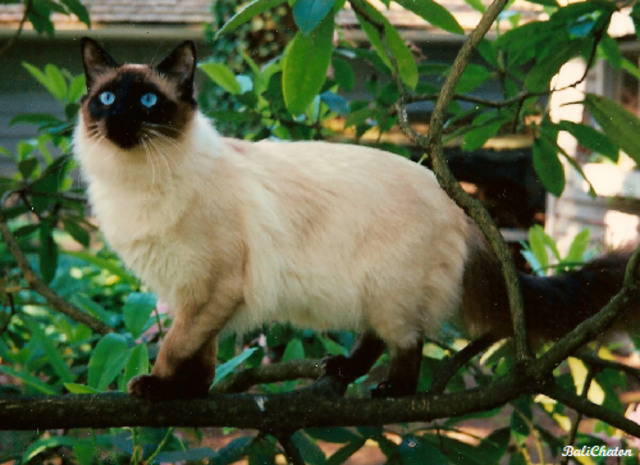
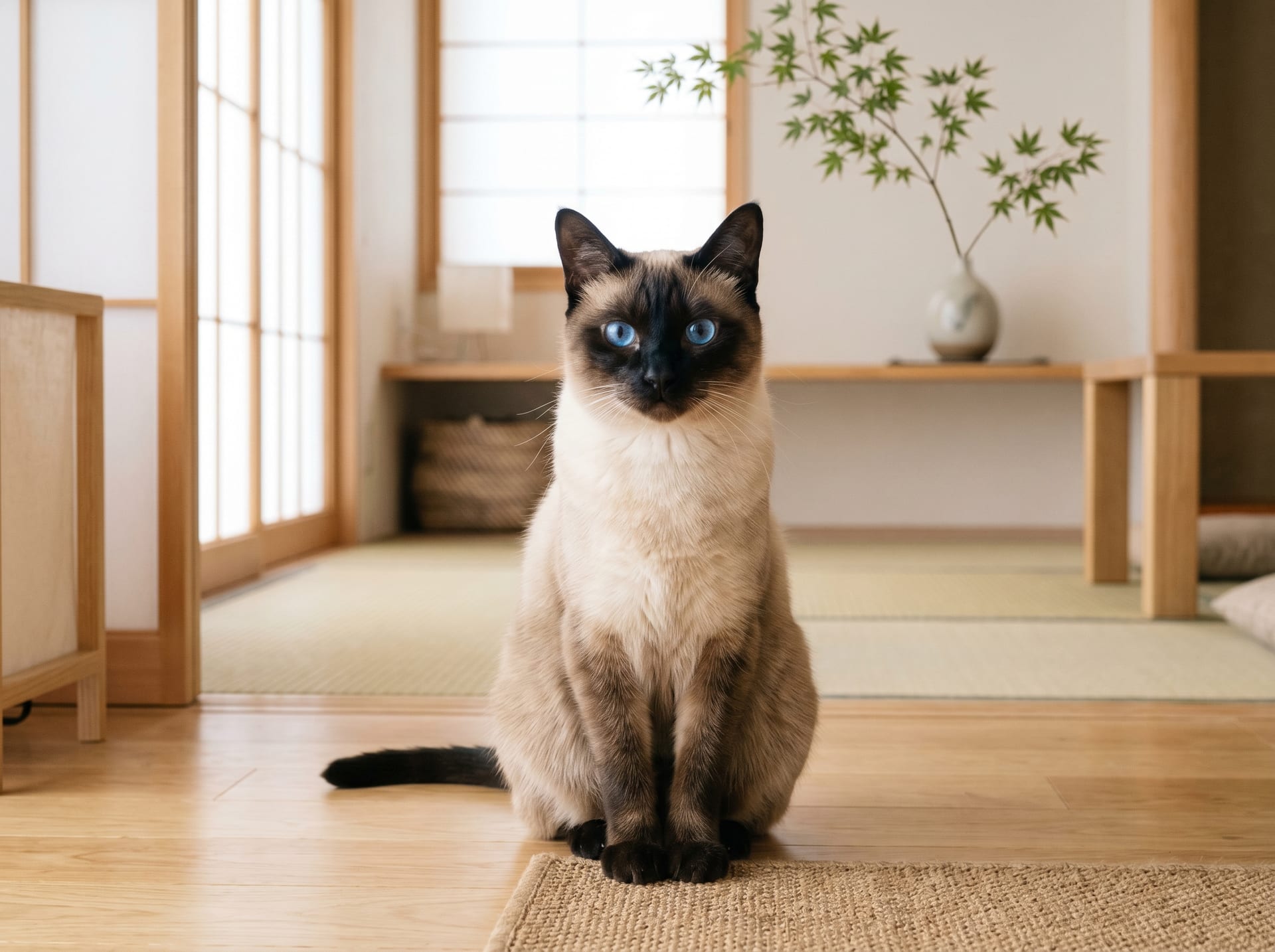
Balinese cats originated from a natural long-haired mutation of the Siamese breed, inheriting the Siamese's lithe body type and pointed coloration while featuring silky semi-long hair. Living up to their name—"graceful as a Balinese dancer"—their flowing beauty and intelligent gaze captivate many cat enthusiasts. This article provides comprehensive coverage from basic Balinese characteristics to daily care and health management.
Basic Balinese Cat Characteristics
Balinese cats have an "Oriental type" body, similar to Siamese cats. They are characterized by a slender, graceful muscular frame, a wedge-shaped head, large triangular ears, bright blue almond-shaped eyes, and a long tail. They are medium-sized, with males weighing 4-5 kg and females around 3-4 kg.
The main difference from Siamese cats is coat length. Balinese coats are semi-long with a silky texture, and because they have minimal undercoat, they are less prone to matting compared to other long-haired breeds. Their tail plume is particularly beautiful and is considered a signature feature of the breed.
Like Siamese cats, Balinese cats display pointed coloration (darker coloring on the face, ears, feet, and tail, with a lighter body). Seal point, chocolate point, blue point, and lilac point are the main recognized color patterns. Balinese kittens are born entirely white, with the pointed coloring gradually appearing on the extremities as temperatures decrease.
Personality and Behavioral Traits
As their reputation as "long-haired Siamese" suggests, Balinese cats share many personality traits with their Siamese cousins.
Talkativeness: Balinese cats are known for being vocal. They "talk" to their owners using various vocalizations, actively communicating their needs and emotions. While not quite as loud as Siamese cats, they are still highly communicative felines.
Affection: They form strong bonds with their owners and are sometimes called "shadow cats" for their tendency to follow their owners around. They dislike being alone and are not well-suited to environments where they're left alone for extended periods.
Intelligence and Curiosity: Balinese cats are highly intelligent with excellent problem-solving abilities—they can open door handles and solve puzzle feeders. Their curiosity is boundless, and they show interest in everything around the house.
Activity Level: They have moderate energy and love to play. They enjoy high places and will happily utilize cat trees and shelves.
Diet and Nutrition Management
While Balinese cats don't have special dietary restrictions, the following points require attention.
Proper Calorie Management: Although they are active, some indoor Balinese cats tend to overeat. Since obesity is a risk factor for various diseases, it's important to monitor their weight regularly and maintain proper body weight.
Protein Quality: As obligate carnivores, choose foods with high-quality animal protein as the primary ingredient. Meat-based foods featuring chicken, fish, or turkey are more appropriate than grain-based diets.
Water Intake: Adequate hydration is important for reducing the risk of urinary tract diseases. Offering wet food and installing a circulating water fountain are effective strategies.
Life Stage Management: Transition to high-calorie, high-protein food for kittens, maintenance-level food for adult cats, and specialized kidney and joint-support formulas for seniors (age 10+).
Grooming and Coat Care
Balinese semi-long coats, with minimal undercoat and silky texture, are relatively easy to manage compared to other long-haired breeds. However, neglecting proper care can lead to matting and tangling.
Regular brushing 2-3 times per week is essential. Use a combination of a slicker brush and comb, focusing on areas prone to matting such as the armpits, neck, and tail plume.
During shedding seasons (spring and autumn), increase brushing frequency. Since Balinese cats have minimal undercoat, they shed less during these periods compared to breeds like Siberian or long-haired Manx cats.
Bathe them approximately once every 1-2 months. After washing, dry thoroughly with a hair dryer to maintain the coat's silky texture.
Health Considerations
Since Balinese cats share many genetic traits with Siamese cats, attention should be paid to hereditary conditions reported in Siamese breeds.
HCM (Hypertrophic Cardiomyopathy): A heart disease seen in many cat breeds, with documented cases in Balinese and Siamese cats. Annual cardiac ultrasound screening, 1-2 times per year, is recommended.
Progressive Retinal Atrophy (PRA): A hereditary condition where the retina gradually degenerates, potentially leading to blindness. DNA testing can identify carriers and predict affection. Reputable breeders conduct PRA testing.
Strabismus and Nystagmus: Neurological abnormalities occasionally seen in Siamese-type cats. While severe cases are rare, observation is necessary.
Amyloidosis: A liver disease involving amyloid deposits reported in Siamese-type cats that can cause liver failure. Though relatively rare, regular blood tests to check liver function are advisable.
Respiratory Diseases: Balinese cats, with their slender facial structure and relatively long nasal passages, are prone to upper respiratory tract infections (feline rhinitis) caused by feline herpesvirus (FHV-1). Regular vaccination for prevention is recommended.
Living Environment and Enrichment
Balinese cats require strong emotional connection and mental stimulation.
Interactive Play: Incorporate daily interactive toys such as string toys, laser pointers, and feather wands that encourage active communication with owners. Aim for 15-20 minutes of focused playtime daily.
Vertical Space: Install cat trees, shelves, and catwalks to encourage vertical movement. Balinese cats love high places, especially shelves by windows where they'll spend time contentedly.
Puzzle Feeders: Use puzzle feeders for part of their meals to provide mental stimulation and prevent boredom-related behavior problems.
Multi-Cat Households and Companions: Balinese cats are social and feel more secure with another cat or companion when their owner is away. If you're frequently away for long periods, consider adopting another cat, ideally a Balinese or Siamese-type breed.
Choosing a Reputable Breeder
Balinese cats are relatively rare in Japan. When selecting a reputable breeder, consider these points:
- Do they disclose health testing records (HCM and PRA genetic testing) for parent cats?
- Are they registered with international cat associations like TICA or CFA (can they issue pedigrees)?
- Is proper kitten socialization conducted (exposure to various experiences between 8-12 weeks of age)?
- Is the breeding environment clean and are cats properly cared for?
- Do they provide ongoing support and consultation after purchase?
Balinese kittens in Japan typically range from ¥200,000 to ¥500,000, though prices vary significantly depending on pedigree and quality.
Summary
Balinese cats are a breed that combines graceful beauty and intelligence with deep emotional expression, fostering strong bonds with their owners. The joy of sharing daily life with your Balinese, enjoying their constant "conversations" through vocalizations, is unique to this breed. By providing regular grooming, health checkups, and ample mental stimulation and affection, you can build a fulfilling 15-20 year relationship with your Balinese companion.