Complete Guide to Raising Burmese Cats | Affectionate Personality, Health Management, and Feeding Tips
A comprehensive guide to raising Burmese cats. Covers the personality traits of Burmese cats, known for their dog-like affection, coat care, prevention of genetic health issues, and practical feeding management.

Key Takeaways
A comprehensive guide to raising Burmese cats. Covers the personality traits of Burmese cats, known for their dog-like affection, coat care, prevention of genetic health issues, and practical feeding management.
Related Species
The Burmese is a historic cat breed originating from Myanmar (formerly Burma). Known as a "dog-like cat" for its affectionate and sociable personality, it actively communicates with all family members. Characterized by short, glossy fur and a compact, rounded body shape, it has a muscular physique that feels surprisingly substantial for its appearance.
Basic Characteristics and Personality
Male Burmese cats typically weigh 4-6 kg, while females weigh around 3-5 kg. Despite appearing light at first glance, their substantial feel is perfectly captured by the phrase "a brick wrapped in silk." The coat is extremely short and dense with a silky shine. The most common color is sable (dark brown), but they also come in champagne, platinum, blue, and other variations.
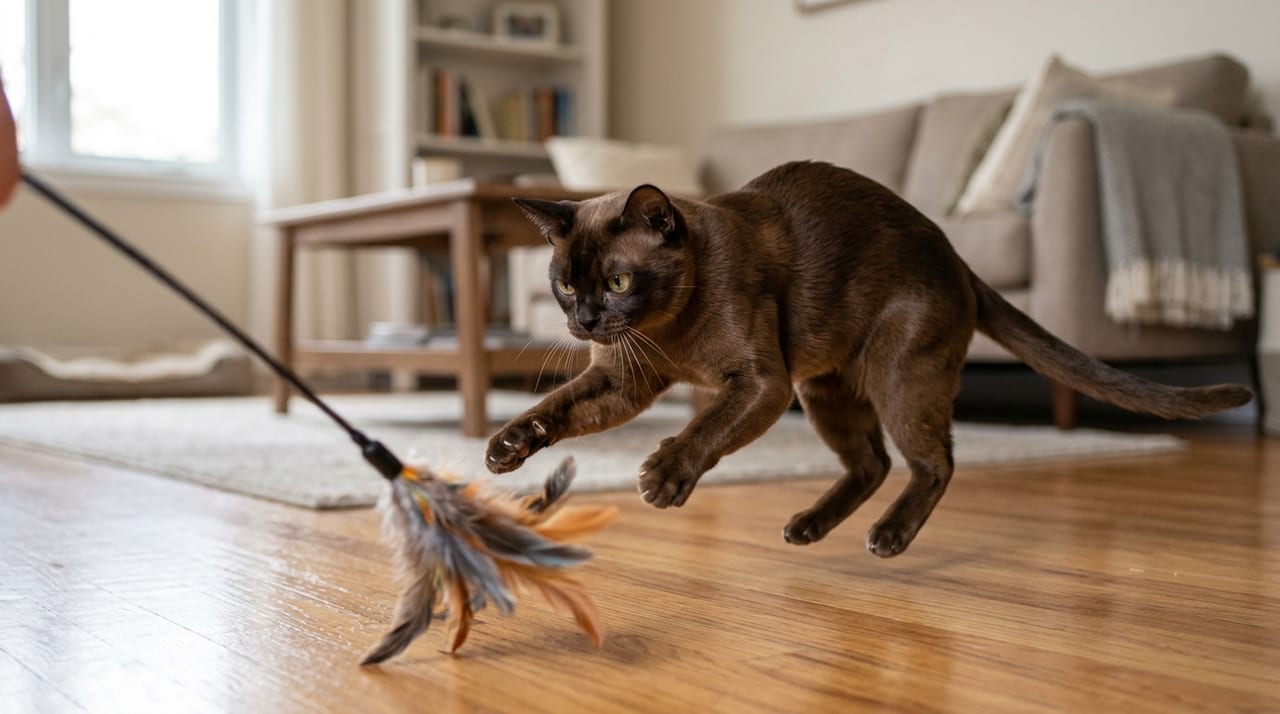
Among cat breeds, they are particularly social and tend to be very affectionate with their owners. They are uncomfortable being alone and tend to feel stressed during long periods of solitude. They are best suited for homes with multiple cats or where someone is home during the day. Though not particularly loud, they are also known as "chatty cats" for frequently communicating with their owners.
They have high adaptability and get along well with children and other pets, including dogs. They have strong intellectual curiosity and respond well to toys, maintaining their playful nature into adulthood.
They are a long-lived breed with an average lifespan of 15-18 years. However, regular health management is important due to potential genetic health issues.
Diet and Weight Management
Burmese cats are vigorous eaters and tend to overeat easily. Without proper diet management, they are prone to obesity, which increases the risk of diabetes and joint disease.
A guideline for adult cats is approximately 40-50 kcal per kg of body weight, but adjust based on the individual's actual body condition. The ideal body shape should allow the ribs to be felt, with a visible waist when viewed from the side.
While either dry or canned (wet) food is fine, we recommend mixing in wet food to encourage water intake. Water consumption is also important for preventing urinary tract disease. Feeding twice daily at set times is ideal, and free-feeding should be avoided as it tends to lead to overeating.
Keep treats to no more than 10% of daily calories. Avoid giving human food, and use only commercial cat treats in appropriate amounts. Never give onions, grapes, chocolate, or foods containing xylitol, as these are toxic to cats.
Coat Care and Daily Grooming
One of the greatest appeals of Burmese cats is their easy-to-maintain short coat. They shed minimally and require only light brushing 1-2 times per week. Their smooth coat is so beautiful that it gleams just from gentle stroking, making them an easy breed for those who aren't comfortable with grooming.
Natural-bristle brushes or smooth rubber brushes work well for brushing. While brushing, check the skin condition for any lumps or wounds. Shedding increases slightly during shedding seasons (spring and autumn), but not excessively.
Nail trimming is recommended every 2-3 weeks. To get kittens accustomed to nail trimming, practice touching their paws from an early age. Clean ears about once a month; if ear wax appears black, suspect ear mites or infection and see a veterinarian promptly.
Tooth brushing is often overlooked in feline health management. Periodontal disease is known to increase the risk of heart and kidney disease. Daily brushing is ideal, but 2-3 times per week is also effective. Use a cat-specific toothbrush and toothpaste, and gradually acclimate your cat to the routine.
Exercise and Environmental Enrichment
Burmese cats are active and playful. To ensure comfort as indoor cats, they need plenty of exercise and stimulating environments.
Install cat towers or shelves to create an environment for vertical climbing. Burmese cats enjoy climbing to high places and gain a sense of security from surveying the room from above.
Play with interactive toys (wand toys, feather toys, automated toys, etc.) for 10-15 minutes daily. Puzzle feeders are also highly effective for intelligent Burmese cats, providing mental stimulation when used during feeding.
Their social nature means long periods alone cause stress. If you're away for extended periods during the day, consider getting another cat companion or enriching their toy selection. When you return home, actively play with and show affection to your cat.
Health Management and Genetic Concerns
While Burmese cats are relatively healthy, several genetic health issues have been reported.
Hypokalemia (Periodic Muscle Weakness): A genetic disorder specific to Burmese cats that causes periodic muscle weakness. If you notice symptoms such as drooping of the head or unsteady gait, seek veterinary care immediately. It can be diagnosed with a blood test and managed through potassium supplementation.
Diabetes: Obese Burmese cats are at high risk for diabetes. If you notice increased drinking and urination, weight loss, or changes in appetite, have a blood test done. Proper weight management is the best prevention.
Cranial Malformation (Head Deformities): Skull malformations have been reported in some Burmese lineages. It is important to select healthy individuals from reputable breeders.
Gingivitis and Periodontal Disease: Burmese cats tend to be susceptible to oral disease. Regular tooth brushing and dental checkups 1-2 times per year (with scaling when necessary) are effective preventive measures.
Vaccinations (3-in-1 or 4-in-1) should be given annually or once every 3 years depending on the vaccine type, and preventive medications for internal and external parasites (fleas, ticks, roundworms) should be used regularly. For annual health checkups, we recommend comprehensive examinations including blood tests, urinalysis, and ultrasounds 1-2 times per year.
Choosing from Breeders
When bringing a Burmese cat home, we recommend purchasing directly from a reputable breeder with pedigree documentation. It is particularly important to choose breeders who conduct testing for genetic disorders (hypokalemia) to ensure you get a healthy individual.
During visits, directly observe the parents' temperament and living conditions. Kittens born to social and affectionate parents tend to inherit good temperament both genetically and environmentally.
It is ideal to bring a kitten home after 12-16 weeks of age. Early weaning can negatively affect social development. When receiving your kitten from the breeder, make sure to get records of vaccinations, deworming treatments, and health examinations.
Burmese cats are affectionate partners that will bring joy to your life for many years. With proper care and consistent health management, you can walk a healthy and happy life together.